
Construction Junk Removal Explained
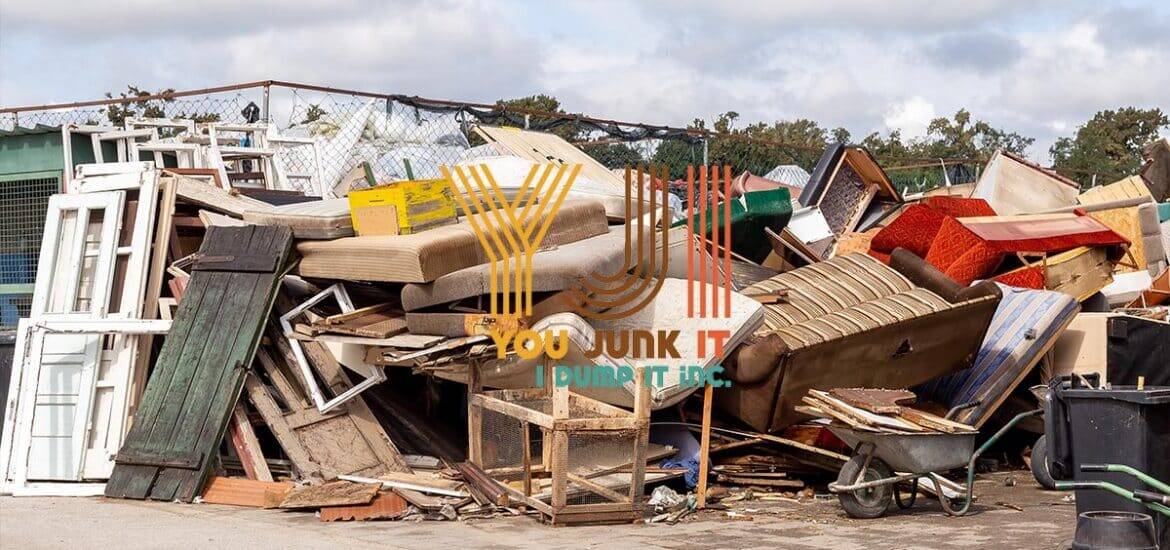
Construction junk removal is the essential process of clearing out debris and unwanted materials generated from building, renovation, or demolition projects. Effectively managing this waste is not only crucial for maintaining a safe and organized worksite but also for adhering to environmental regulations and ensuring project timelines are met. This guide will walk you through everything you need to know about construction debris hauling services.
Understanding the importance of professional junk removal can save you time, money, and considerable hassle. From small home remodels to large-scale commercial builds, the volume of waste can be overwhelming. Our aim is to provide clarity on how these services work, what to expect, and how to make informed decisions for your project. We will cover waste bin rentals, the removal process, and cost considerations, including a contractor’s guide to efficient job site cleanup.
For those planning significant renovations or construction, it’s wise to familiarize yourself with the process beforehand. Many questions arise before you even get a quote, and understanding these aspects can streamline the entire experience. We’ll address common concerns and offer practical advice to ensure your construction waste is handled efficiently and responsibly. Consider this your comprehensive resource for all things construction junk removal, including options for new construction dumpster rentals for more.
Waste Bin Rental: Your Construction Solution
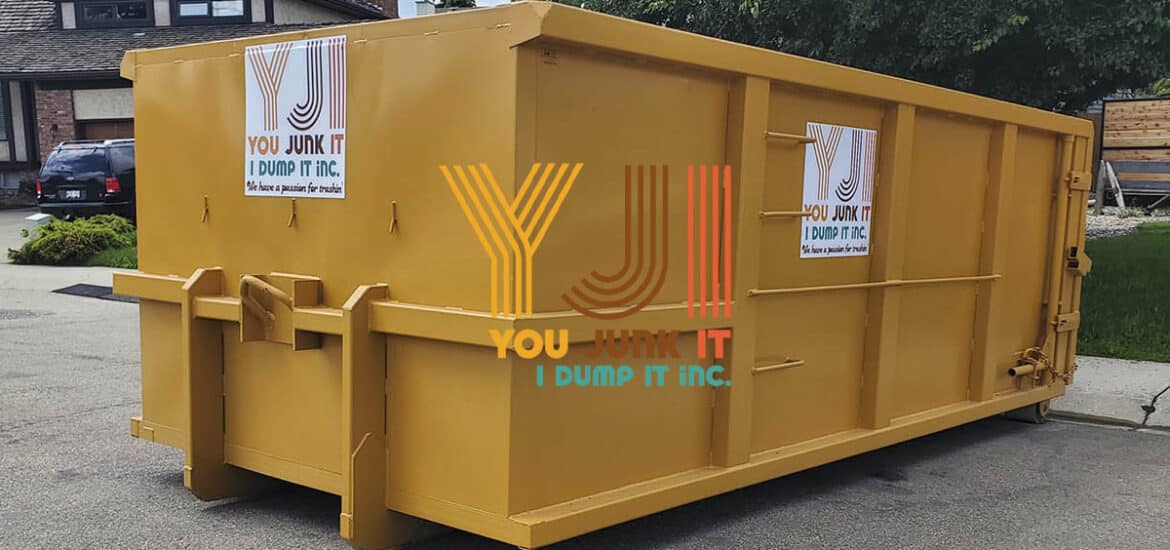
Waste bin rental, often referred to as dumpster rental, is a cornerstone service for any construction or renovation project. It provides a designated, large-capacity container specifically designed to hold the substantial amounts of waste generated from such activities. Opting for a rental bin ensures that debris is contained safely, preventing clutter and potential hazards on your job site.
The benefits of using a waste bin rental service for construction projects are numerous. It streamlines the disposal process, allowing your team to focus on the construction work rather than waste management. Furthermore, proper containment aids in maintaining a cleaner and safer work environment, which can improve productivity and reduce the risk of accidents. Choosing the right bin and service ensures efficient removal of all unwanted materials, and for new construction projects, specific bins are available through our new construction dumpster rentals.
To accurately estimate the debris volume, consider the type and scale of your project. For smaller jobs like a bathroom remodel, a 12-yard bin might suffice. Larger projects, such as a full home demolition, will require a significantly bigger container.
To accurately estimate the debris volume, consider the scope of your construction work. Think about the types of materials you’ll be removing – drywall, wood, concrete, metal, etc. – and their potential volume. A visual assessment of the site and consultation with experienced professionals can also provide valuable insights into the expected waste generation.
Factors Influencing Bin Size Selection
Beyond the sheer volume of debris, other factors influence bin size selection. The available space for bin placement on your property is a practical consideration. Additionally, the type of waste (e.g., heavy materials like concrete might have weight restrictions) can impact the most suitable bin type and size, ensuring compliance and safety, and whether branches can go in the green bin is also a key question.
Waste Bin Rental Process: A Step-by-Step Guide
Renting a waste bin is a straightforward process when you know what to expect. By following these key steps, you can ensure a smooth experience from booking to pickup. Our team has extensive experience assisting homeowners and contractors, and we’ve found that clearly outlining these steps significantly reduces confusion for clients looking for efficient debris hauling, such as with our 20 yard bin rental options.
- Final Disposal: The rental company will haul away the filled bin and dispose of the contents responsibly, following all local regulations for proper waste sorting.
What Can and Cannot Go in Your Rental Bin
Understanding what can and cannot go into your rental bin is crucial for efficient and responsible disposal. Generally, construction debris, household junk, and yard waste are acceptable. However, certain items require special handling or are prohibited altogether. For instance, hazardous materials like chemicals, paints, and batteries must be disposed of separately. Similarly, items such as asbestos, large appliances containing refrigerants, and tires often have specific disposal protocols. Always check with your rental service for a comprehensive list of prohibited items to avoid extra fees or complications. For detailed guidance on waste sorting in Edmonton, consult the Edmonton waste sorting guide for more.
Understanding the guidelines for what can and cannot be placed in a rental bin is crucial for avoiding additional fees and ensuring compliance with waste disposal regulations. Most rental companies have specific lists of prohibited items to prevent damage to their equipment and to facilitate proper recycling and landfill disposal. For a comprehensive overview of waste management in the area, consult the Edmonton waste sorting guide.
- Acceptable Items: Generally, common construction and renovation debris such as lumber, drywall, concrete, asphalt, metal scraps, roofing materials, and general household junk are acceptable.
- Prohibited Items: Hazardous materials like chemicals, solvents, paints, batteries, electronics, tires, asbestos, and medical waste are typically not allowed. Flammable liquids and propane tanks are also prohibited.
- Heavy Materials: While concrete, bricks, and dirt are often accepted, they are very heavy. Placing too much of these in a standard bin can exceed weight limits, leading to extra charges or a refusal to haul.
- Food Waste: Organic or food waste is usually not permitted in construction bins, as it requires different disposal methods.
- Specialty Items: Appliances containing refrigerants (like refrigerators or air conditioners) may require special handling and disposal procedures.
Always confirm the specific list of acceptable and prohibited items with your chosen waste bin rental provider to avoid any surprises.
Waste Bin Rental Costs: Factors and Estimates
The cost of renting a waste bin for construction projects can vary significantly based on several key factors. Understanding these elements will help you budget effectively and obtain accurate estimates. It’s important to get a clear breakdown of all potential charges before committing to a service. For instance, understanding the different bin sizes available can significantly impact your budget; for a comparison of common sizes, check out our 20 vs 30 yard bin rental guide. If you’re in the Edmonton area, exploring local options is key, and you can learn about manage junk near Edmonton for disposal solutions.
- Bin Size: Larger bins naturally cost more due to their increased capacity and the logistics involved in transporting them.
- Rental Duration: The length of time you need the bin on-site impacts the overall cost. Daily, weekly, or monthly rates are common.
- Type of Debris: Disposal fees can vary depending on the materials being discarded. Heavy materials like concrete or dirt may incur higher charges than mixed construction debris.
- Tonnage Limits: Many rental agreements include a weight limit. Exceeding this limit will result in overage fees.
- Location: Delivery and pickup costs can be influenced by your geographical location and the distance the service provider needs to travel.
- Fuel Surcharges: Like many industries, waste removal services may implement fuel surcharges that fluctuate with market prices.
To get an accurate estimate, it’s best to contact multiple service providers and ask for detailed quotes that outline all potential charges. Always inquire about what’s included in the base price and any potential additional fees.
Tips for Efficient Waste Disposal
Maximizing the efficiency of your waste disposal can save you time, money, and effort during your construction project. Implementing smart loading techniques and planning for pickup can ensure your bin is used to its full potential and that your project stays on schedule. Consider the benefits of a 20 yard bin rental for many projects.
Optimal Bin Loading Techniques
To make the most of your rental bin’s capacity, load it strategically. Start by placing heavier, bulkier items at the bottom. Break down larger pieces of wood or drywall to fit them in more easily. Distribute weight evenly to prevent one side from becoming too heavy, which can be a safety hazard and may lead to uneven filling. Avoid leaving large voids; fill smaller spaces with lighter debris, as decluttering can offer surprising benefits for your mental health and home wellness.
Scheduling Pickup Effectively
When scheduling your bin pickup, consider the project timeline and the volume of waste generated. Booking a pickup in advance can prevent delays and ensure a smooth workflow, especially if you are comparing bin rental vs. DIY dump runs for more.
Plan your bin pickup in advance. Ensure the bin is completely filled and ready for removal before you call for service. Over-scheduling can lead to the bin sitting empty for too long, costing you money, while under-scheduling might mean you’re left with a full bin and no space to work. Communicate any changes in your project timeline to the rental company promptly.
Waste Reduction and Recycling Strategies
Before filling your bin, consider strategies for waste reduction and recycling. Separate recyclable materials like metal, cardboard, or certain plastics if your local service offers it. Identify any reusable materials from demolition that could be salvaged. Minimizing the amount of waste generated not only reduces disposal costs but also supports more sustainable construction practices. For guidance on what can be recycled, check out our Edmonton waste sorting guide, which can help you determine the best approach.
Dumpster Rental vs. Junk Removal Service
When faced with construction debris, homeowners and contractors often ponder whether to rent a dumpster or hire a full-service junk removal company. Both options have their merits, and the best choice depends on the specific needs and scale of your project. Understanding the differences is key to making an informed decision.
- Dumpster Rental: This involves renting a container that you fill yourself. It’s ideal for projects where you have the time and labor to manage the debris loading. Dumpster rentals are typically cost-effective for large volumes of uniform waste, like during major renovations or demolitions where you can fill the bin efficiently.
- Full-Service Junk Removal: With this option, a team arrives at your site, hauls away the debris, and disposes of it for you. This is a more convenient choice, especially if you have limited time, lack the necessary equipment, or are dealing with a variety of items that require sorting and specialized disposal. It’s also beneficial for smaller amounts of debris or when accessibility is an issue.
- Project Scope: For extensive projects like a full house demolition, a dumpster rental might be more economical. For smaller remodels, ongoing cleanups, or when you need items removed quickly without the hassle of self-loading, a junk removal service is often preferred.
- Labor and Time: Consider the availability of labor and the time you can dedicate to debris management. If your team is busy with construction tasks, outsourcing the entire removal process can be a significant time-saver, and comparing bin rental vs. DIY dump runs can help you decide.
Ultimately, the decision hinges on your budget, timeline, and willingness to handle the physical labor of loading waste. For many construction projects, understanding these distinctions helps in selecting the most efficient and cost-effective solution, whether it’s for general debris or specific needs like yard waste removal in Edmonton.
Conclusion: Your Next Steps
Effectively managing construction junk is a vital part of any building or renovation project. Whether you opt for the self-service convenience of waste bin rental or the hands-off approach of a full-service junk removal company, making an informed choice ensures your project progresses smoothly and responsibly.
We’ve explored the intricacies of construction junk removal, from understanding what goes into your rental bin to choosing the right size and navigating the rental process. Remember to assess your project’s specific needs, obtain detailed quotes, and consider factors like rental duration and debris type to manage costs effectively. For contractors, a guide to efficient job site cleanup, such as this one on demolition, can be particularly helpful.
Ready to clear your site and move forward with your construction goals? Contact a reputable waste bin rental or junk removal service today. Our team is dedicated to providing efficient, reliable solutions to meet your debris hauling needs, ensuring a clean and safe environment for your project. Take the next step towards a hassle-free completion.
Frequently Asked Questions
Navigating construction waste disposal can bring up many questions. Here, we address some of the most common inquiries to help you make informed decisions about waste bin rental and junk removal services, such as understanding our Edmonton waste sorting options.
| Question | Answer |
|---|---|
| Can branches go in a green bin? | Generally, green bins are intended for organic waste like food scraps and yard trimmings. While small branches and twigs might be acceptable in some municipal green bin programs, larger branches or excessive amounts of yard waste may need separate disposal or might be prohibited. It’s always best to check with your local waste management authority for specific guidelines on acceptable materials for green bins. You can also find more information on Edmonton waste sorting. |
| What is the typical rental period for a construction dumpster? | The typical rental period for a construction dumpster can range from a few days to several weeks, depending on your project’s needs and the service provider’s policies. Most companies offer flexible rental terms, and longer durations can often be arranged for extended projects, though rates may adjust accordingly. |
| How do I determine the correct dumpster size for my renovation? | To determine the correct dumpster size, assess the scope of your renovation and estimate the volume of debris. Consider the types of materials you’ll be discarding (e.g., drywall, wood, concrete) and their approximate quantity. Many rental companies offer various sizes, from small 10-yard bins for minor cleanouts to large 30 or 40-yard bins for major demolitions. Consulting with the rental provider can help you select the most appropriate size based on your specific project. For example, a 20 cubic yard bin might be suitable for many renovation projects. |
| Are there weight limits for construction dumpsters? | Yes, construction dumpsters almost always have weight limits. These limits vary depending on the size and type of dumpster. Exceeding the weight limit can result in significant overage fees, so it’s important to be aware of the limit and distribute heavy materials like concrete or dirt appropriately, possibly requiring a specialized bin if the volume is high. |
| What happens if I put prohibited items in the rental bin? | Placing prohibited items, such as hazardous waste, electronics, or flammables, in a rental bin can lead to extra fees, refusal of pickup, or fines. These items require special handling and disposal methods. Always review the list of prohibited items provided by your rental company to avoid complications and ensure responsible waste management. |