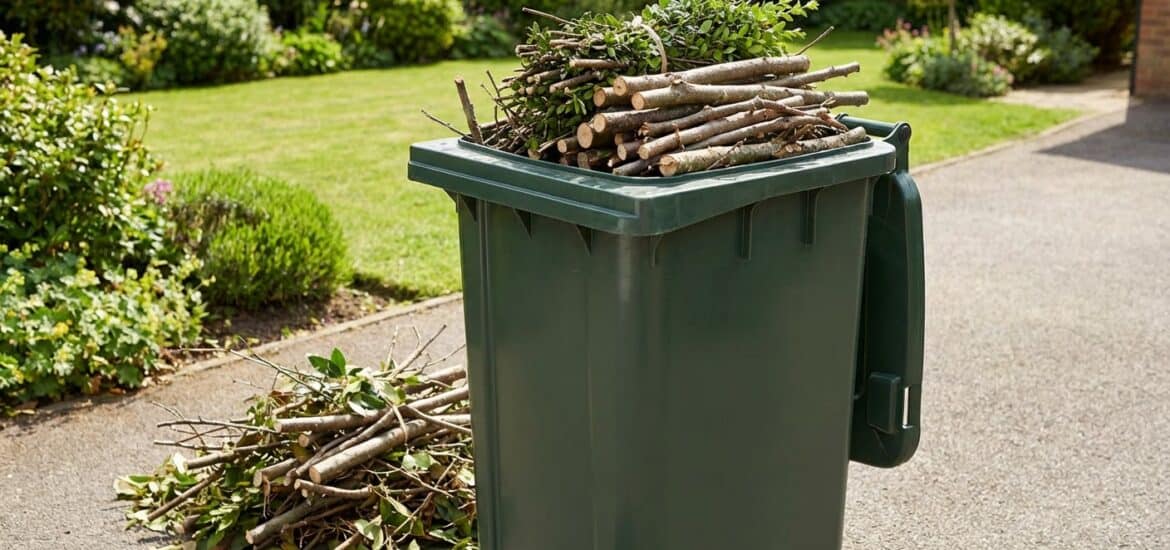
Many homeowners often wonder about disposing of tree branches in green bins. The practice of placing branches in green bins is a common and environmentally friendly method for managing yard waste, designed to divert organic materials from landfills.
The core concept behind the green bin system is to collect organic waste, such as food scraps and garden debris, for composting. This process transforms waste into nutrient-rich soil amendments, which can then be used in gardening and agriculture.
However, what constitutes acceptable material for the branches green bin can vary significantly based on local municipal guidelines. These rules typically specify branch dimensions, bundling requirements, and types of organic matter permitted to ensure efficient processing at composting facilities. For larger projects, understanding how to choose the right dumpster size is essential, and you can explore bin sizing options to find the best fit.
Why Proper Branch Disposal Matters
Properly disposing of yard waste, particularly through your branches green bin, is crucial for both environmental sustainability and community well-being. When organic materials like branches are handled correctly, they can be diverted from landfills, reducing greenhouse gas emissions and conserving valuable landfill space. For more information on managing different types of waste, consult our guide on Edmonton Dump Fees: Recycle, Compost, Or Dump for more.
Incorrect disposal methods, such as burning branches or mixing them with general waste, can lead to air pollution, fire hazards, and increased waste management costs. By following established guidelines for your branches green bin, you contribute to a cleaner environment and support efficient composting programs that turn green waste into nutrient-rich soil amendments.
What Can (and Cannot) Go in Your Green Bin?
Understanding what materials are acceptable in your green bin is crucial for effective waste management. This section clarifies which types of branches and other yard waste can be safely placed in your green bin, and which items should be disposed of through alternative methods. Adhering to these guidelines helps ensure your contributions are processed correctly; learn more about how to dispose of yard waste.
Accepted Green Bin Yard Waste
Most organic yard waste derived from plants is suitable for your green bin. This typically includes grass clippings, leaves, garden trimmings, and small plant debris. These materials decompose readily, making them ideal for composting processes handled by waste management facilities.
When considering branches green bin disposal, ensure they meet local specifications for size and type. Always check with your municipality for their precise rules, as these can vary significantly by region. For larger projects, consider how to dispose of yard waste properly, perhaps by using a dumpster rental service as outlined in our small dumpster rental guide for more.
Why Specific Items Are Excluded
While many organic materials are accepted, certain items should never go into your green bin. This includes treated wood, lumber, construction debris, rocks, soil, and animal waste. These materials do not break down properly in composting facilities or can contaminate the compost. For larger projects that generate significant debris, consider a dumpster rental; choosing the right dumpster size is crucial for efficiency.
Even if an item seems organic, if it’s not specifically listed as acceptable by your local waste service, it’s best to err on the side of caution and keep it out. Improper disposal can lead to fines or refusal of service.
To ensure your branches are ready for collection, consider these actionable steps: for larger projects or significant amounts of yard waste, explore options for renting a dumpster that suits your needs.
Cut to Size: Most municipalities have limits on branch length and diameter. Typically, branches should be no longer than 3-4 feet (approximately 1 meter) and no thicker than 4-6 inches (10-15 cm) in diameter. Use pruning shears or a saw to cut branches down to the acceptable dimensions.
Bundle Neatly: Tie smaller branches into manageable bundles using natural twine or rope. This prevents loose branches from scattering and makes them easier for collection crews to handle. Each bundle should be compact and light enough for one person to lift safely.
Remove Obstacles: Ensure all branches are free from dirt, rocks, metal, or other non-organic materials. These contaminants can interfere with the composting process and may lead to your green bin being rejected.
Avoid Overfilling: Do not pack your green bin too tightly. Branches should fit loosely inside, allowing the lid to close completely. An overfilled bin can prevent automated collection arms from emptying it properly.
Check Weight Limits: Be mindful of the overall weight of your green bin. Many services have weight restrictions for collection, so avoid making it excessively heavy with dense wood. For larger projects, consider a junk bin rental for easier disposal.
By adhering to these preparation steps, you contribute to a more efficient waste management system and ensure your branches green bin contents are processed correctly.
Local Green Bin Collection Guidelines
Adhering to local green bin collection guidelines is crucial for efficient waste management. Each municipality sets specific rules regarding what can be placed in green bins, including acceptable types and sizes of yard waste. These regulations often dictate how you should prepare tree branches for collection, ensuring they are compatible with local composting facilities. If you’re considering a large-scale yard cleanup, understanding the difference between hiring professionals and doing it yourself can be helpful, as junk removal services can often streamline the process.
Ignoring these local rules can lead to your branches green bin not being collected, causing inconvenience and potential fines. Always consult your municipal website or waste management authority for the most up-to-date information on collection schedules and permitted items to avoid issues with your yard waste disposal.
When to Call a Junk Removal Service
For larger amounts of yard waste or when branches are too big to fit in your green bin, consider hiring a professional junk removal service. These services can efficiently handle the removal of substantial debris, making the process hassle-free for you. If you’re unsure about the best way to dispose of significant yard waste, exploring how to dispose of yard waste can provide valuable insights.
While utilizing your branches green bin is often the first thought for yard waste, there are specific situations where professional junk removal becomes a more practical and efficient solution. This is especially true when dealing with significant volumes of branches or particularly large pieces that exceed local green bin specifications.
Having worked with local homeowners for over a decade, our team has learned that large amounts of branches often require professional removal to ensure proper disposal and avoid issues with municipal collection. If you’ve undertaken a major tree trimming project, experienced storm damage, or are clearing a heavily overgrown area, the sheer quantity of organic debris might overwhelm standard green bin services. For guidance on managing such situations, consider this guide to yard waste disposal.
Common Mistakes to Avoid
Disposing of garden waste correctly is crucial for efficient collection and environmental responsibility. Many residents, despite good intentions, make common mistakes when placing branches green bin collections. Understanding these pitfalls can help ensure your organic waste is processed properly.
Avoiding these errors not only helps your local waste management services but also prevents potential fines or rejected pickups. Proper preparation makes a significant difference in the sustainability of waste disposal, and understanding Edmonton waste sorting can help you make the right choices.
Overfilling the Bin: Piling branches too high or packing them too densely can make the bin too heavy for collection equipment or prevent the lid from closing. Overfilled bins are often left uncollected.
Incorrect Branch Size: Many municipalities have specific limits on branch diameter and length. Branches that are too thick or too long can damage collection machinery or be difficult to handle. Always check local guidelines for acceptable dimensions for your branches green bin, or consult our Edmonton garbage bin guide for more information.
Including Prohibited Materials: Mixing non-organic items like plastic bags, metal, or treated wood with branches contaminates the organic waste stream. This can lead to the entire bin being rejected and diverted to landfills instead of composting facilities.
Not Securing Bundled Branches: If branches are bundled for curbside pickup outside the bin, they must be tied securely with biodegradable twine. Loose bundles can scatter during collection, creating litter and hazards.
Exceeding Weight Limits: Even if the bin isn’t visibly overfilled, wet or dense branches can make it exceed the weight limit. This poses a safety risk for collection crews and can lead to non-collection.
Ignoring Collection Schedules: Placing branches out on non-collection days or after the scheduled time can result in them sitting out for extended periods, creating an eyesore and potential nuisance.
By being mindful of these common mistakes, you contribute to a smoother and more effective waste management system. Always consult your local municipality’s guidelines to confirm specific rules for your area, or learn how to recycle paper at home.
Benefits of Proper Branch Disposal
Proper disposal of yard waste, particularly through the branches green bin program, offers significant advantages for both the environment and your community. When organic materials are correctly sorted, they can be processed into valuable compost, which enriches soil and reduces the need for chemical fertilizers. Learn more about how to dispose of yard waste effectively, or consider a larger bin for significant amounts through a 20 yard bin rental for more.
This sustainable practice not only minimizes landfill waste but also supports a healthier ecosystem. Adhering to guidelines for your branches green bin contributes to cleaner neighborhoods and more efficient waste management systems.
Pros of Proper Disposal
Cons of Improper Disposal
Reduces landfill waste and promotes composting.
Increases landfill volume and associated environmental impact.
Supports soil enrichment and sustainable gardening practices.
Can lead to fines and penalties from local authorities.
Prevents blockages in storm drains and waterways.
Contributes to localized flooding and infrastructure damage.
Enhances community aesthetics and cleanliness.
Creates unsightly piles of debris and attracts pests.
Ensures compliance with local waste management regulations.
Disrupts recycling efforts and contaminates waste streams.
Conclusion: Mastering Green Bin Branches
Effectively managing yard waste, especially tree branches, is crucial for both environmental health and community aesthetics. By understanding and adhering to local guidelines for your branches green bin, you contribute to a more sustainable waste management system.
Remember to always check the specific regulations in your area regarding branch size, bundling, and collection schedules. For larger volumes of branches or items not suitable for the green bin, consider alternative disposal methods such as professional junk removal services.
To effectively manage junk dump in Edmonton, residents and businesses have several practical options for waste disposal. Understanding these different approaches helps ensure proper and environmentally responsible removal of unwanted items.
From residential cleanouts to commercial debris removal, the key is identifying the most suitable service for your specific needs. This involves considering the type and volume of junk, as well as any specific requirements for disposal or recycling. For example, understanding how to choose the right dumpster size can prevent unnecessary costs and hassle.
Exploring the available methods allows for efficient management of waste, contributing to cleaner spaces and a healthier environment within the community.
What is Junk Disposal?
Junk disposal refers to the process of removing unwanted items and waste materials from residential, commercial, or industrial properties. The goal is to safely and efficiently manage junk dump, preventing clutter and promoting cleaner environments. This can range from a single bulky item to an entire property cleanout.
Effective junk disposal involves more than just throwing things away; it includes sorting, recycling, donating, and responsible discarding. Understanding the various methods available is key to making environmentally conscious choices for your unwanted goods, including knowing how to choose the right dumpster size for your project.
The primary aim of professional junk disposal services is to streamline this process for individuals and businesses. They handle the heavy lifting, transportation, and appropriate sorting, ensuring that items are disposed of or recycled according to local regulations and best practices.
Proper junk disposal is essential for maintaining public health and safety, preventing pollution, and optimizing space. It helps reduce landfill waste by diverting recyclable materials and reusable items, contributing to a more sustainable community.
Core Principles of Junk Disposal
Understanding the core principles of junk disposal is essential to effectively manage junk dump and ensure a clean environment. These principles guide responsible practices, focusing on safety, efficiency, and environmental consciousness throughout the entire disposal process, including considerations for items like yard waste disposal for more.
Prioritizing Safety in Junk Removal
Safety is paramount when you manage junk dump, particularly for items that are bulky, sharp, or contain hazardous materials. Professionals are trained to handle various types of waste safely, using appropriate equipment and techniques to prevent injuries. This includes securing loads properly for transport and adhering to strict protocols during collection and disposal. For more on how to choose the right equipment for your project, check out our small dumpster rental guide for more.
Neglecting safety can lead to accidents, property damage, or exposure to harmful substances. Always ensure that anyone involved in junk removal, whether professional or DIY, follows safety guidelines to protect themselves and others.
Achieving Efficiency in Waste Management
Efficient waste management is another key principle when you manage junk dump. This involves streamlining the collection, sorting, and transportation processes to minimize time and resources. Professional services often use optimized routes and specialized vehicles to pick up and dispose of junk quickly. Choosing a service can be a real time saver, as explained in our blog post on junk removal services.
Sorting items for recycling or donation before disposal can significantly enhance efficiency, reducing the volume of waste sent to landfills. Planning ahead and grouping similar items also contributes to a more efficient and less time-consuming junk removal experience.
Embracing Environmental Responsibility
Environmental responsibility is a crucial aspect of modern junk disposal practices. This principle emphasizes reducing the impact of waste on the planet through methods like recycling, reusing, and proper disposal of hazardous materials. When you manage junk dump, considering its environmental footprint helps preserve natural resources and prevent pollution. For guidance on sorting waste, consult our Edmonton waste sorting guide for more.
Choosing services that prioritize eco-friendly disposal options, such as diverting waste from landfills whenever possible, aligns with this principle. Many items, from electronics to old furniture, can be recycled or donated, contributing to a more sustainable future. For instance, understanding how to sort waste in Edmonton can help you make informed decisions about disposal.
Edmonton Junk Disposal Costs
Understanding the costs involved is crucial when you need to manage junk dump efficiently. Several factors influence the final price of junk removal services, from the volume of items to their specific type and how easily they can be accessed. Being aware of these variables helps in planning your budget and choosing the most cost-effective solution for your disposal needs.
The pricing structures for junk disposal can vary significantly among providers. Some companies charge based on the truckload, while others might offer flat rates for specific items or projects. It’s always advisable to obtain a clear quote before committing to a service to avoid unexpected fees. This transparency helps ensure you can effectively manage junk dump without financial surprises. For more details on what to expect, review our guide on questions for junk removal quotes for more.
Factor Affecting Cost
Description
Volume of Junk
The amount of space your junk occupies in a removal truck is often the primary cost driver. Larger volumes generally incur higher fees.
Type of Items
Certain items, such as hazardous materials, electronics, or large appliances, may require special handling or disposal methods, leading to additional charges.
Accessibility
If items are difficult to access (e.g., in a basement, up multiple flights of stairs, or in a remote location), the labour and time involved can increase the overall cost.
Disposal Fees
Landfill or recycling facility fees are often passed on to the customer. These fees can vary based on the type and weight of the waste.
Location
Travel distance to and from your location can also play a role in the pricing, especially for areas outside a standard service radius.
Urgency
Expedited services or same-day pickups might come with a premium fee compared to scheduled appointments. For information on recycling specific materials, check out our guide on how to recycle paper at home for more.
Choosing a Junk Disposal Service
Selecting the right junk disposal service involves considering several factors that influence the overall cost and efficiency of the removal process. Understanding these elements can help you make an informed decision and get the best value for your needs. For instance, knowing the appropriate size of bin for your project is crucial; you can learn more about this by reviewing 20 cubic yard bin options.
Selecting the right junk disposal service is crucial to efficiently manage junk dump from your property. This decision impacts not only convenience and cost but also the environmental impact of your waste. By following a structured approach, you can ensure you pick a service that aligns with your specific needs and values.
Assessing Your Specific Needs
Before you commit to a junk disposal service, it is important to clearly understand what kind of junk you need to manage. Consider the volume, type, and weight of the items. For instance, removing a single large appliance differs significantly from clearing out an entire renovation’s debris. Knowing these details helps you communicate effectively with potential providers and ensures they can adequately address your project to manage junk dump, and can help you determine the right bin size for your needs.
Evaluate Volume and Type: Determine if you have a few bulky items, a full basement of clutter, or construction waste. This will guide your choice between a small pickup service, a dumpster rental, or a full-service junk removal company.
Consider Item Specifics: Identify any hazardous materials, electronics, or items that require special handling or recycling. Not all services accept every type of waste, so clarify this upfront.
Timeline: Decide when you need the junk removed. Some services offer same-day or next-day removal, while others may require advance booking.
Vetting Potential Providers
Once you have a clear picture of your needs, the next step is to research and vet various junk disposal companies. This process involves looking into their reputation, services offered, and customer feedback. A thorough vetting process helps you avoid unreliable services and ensures a smooth experience when you need to manage junk dump, and our junk removal vs. DIY dump runs guide can help you decide.
Prioritizing Environmental Practices
Many junk removal companies are committed to environmentally responsible disposal methods. They often prioritize recycling and donation over landfilling, which can significantly reduce the environmental impact of your junk. Understanding their approach to waste management can help you make a more sustainable choice; learn about the eco-benefits of pro junk removal for more.
Responsible junk disposal includes considering the environmental impact of your waste. Choosing a service that prioritizes eco-friendly practices can contribute positively to sustainability efforts. It’s an important factor for many individuals and businesses looking to manage junk dump responsibly. Learn more about the eco-benefits of pro junk removal.
Ask About Recycling and Donation Policies: Inquire if the company recycles materials or donates usable items to local charities.
Verify Disposal Methods: Confirm that the company disposes of non-recyclable waste at approved facilities and adheres to local environmental regulations.
Look for Certifications: Some companies may hold environmental certifications or have specific programs dedicated to sustainable waste management.
Key Services for Junk Disposal
Understanding the various services available is crucial to effectively manage junk dump projects, whether for a home cleanup or a large commercial renovation. Professional junk removal companies offer tailored solutions to meet diverse disposal needs, making the process efficient and stress-free. For larger projects, consider exploring 20 yard bin rental options to accommodate significant amounts of debris.
When you need to manage junk dump, you can generally choose between residential and commercial services, each designed to handle specific types and volumes of waste. Our team has worked with many homeowners, and we know that many underestimate the volume of construction debris they need to manage. For projects involving significant debris, understanding how to choose the right dumpster size is crucial. For instance, if your project involves a lot of organic material, our Edmonton yard waste removal guide can offer specific advice.
Residential Junk Removal
Residential junk removal services are ideal for homeowners tackling decluttering projects, home renovations, or estate cleanouts. These services help individuals manage junk dump by providing convenient pickup and responsible disposal of household items. Understanding what information is needed for a quote is key; our blog post on quote questions for junk removal can help.
Furniture Removal: This includes old couches, beds, mattresses, and other large household furnishings that are difficult to move and dispose of personally.
Appliance Disposal: Services for refrigerators, washing machines, ovens, and other large appliances, ensuring they are handled safely and often recycled appropriately.
Yard Waste Removal: Collection of organic debris like branches, leaves, and garden trimmings after landscaping projects.
Estate Cleanouts: Comprehensive services for clearing out entire properties, often required during moves or after a loved one’s passing.
Commercial Junk Removal
Businesses often generate significant amounts of waste that require specialized services to manage junk dump efficiently and compliantly. Commercial services are structured to handle larger volumes and specific types of waste common in business operations. When considering your options, understanding why choosing local matters can significantly impact service quality and community support.
Office Cleanouts: Disposal of old office furniture, electronics, documents, and other items during relocations or upgrades.
Construction Debris Removal: Essential for construction sites to dispose of materials like wood, drywall, concrete, and metal scraps, helping to maintain a safe and organized workspace.
Retail Waste Management: Services for stores needing to dispose of fixtures, shelving, and excess inventory.
Property Management Junk Removal: Assistance for landlords and property managers in clearing out abandoned items from rental units or common areas.
Benefits of Professional Junk Disposal
Hiring professional services to manage junk dump tasks offers numerous advantages for both residents and businesses. These services streamline the often cumbersome process of decluttering and waste removal, ensuring efficiency and peace of mind. For instance, understanding the right size dumpster for your project can save time and money; explore how to choose the right dumpster size for your needs.
Professional junk disposal helps save valuable time, reduces physical strain, and ensures proper handling and disposal of various items. This approach allows you to focus on more important tasks while leaving the heavy lifting and logistical challenges to experts. Consider how professional junk removal services can save you time and effort compared to DIY methods.
Time Savings: Professionals handle all aspects of junk removal, from sorting to transportation, freeing up your schedule.
Reduced Physical Strain: Avoid injuries associated with lifting heavy or awkward items by relying on experienced teams.
Proper Handling and Disposal: Experts know how to correctly dispose of items, including hazardous materials, adhering to environmental regulations.
Convenience: Schedule pickups at your convenience, eliminating the need for multiple trips to disposal sites.
Safety: Minimize risks to yourself and your property by letting trained professionals manage junk dump operations.
Efficient and Stress-Free Removal
One of the primary benefits of professional junk disposal is the promise of an efficient and stress-free removal process. Our team arrives equipped with the necessary tools and vehicles to quickly and safely clear out unwanted items from your property. This means you won’t have to worry about renting trucks, finding disposal sites, or spending your weekend hauling heavy objects.
Professionals are adept at navigating tight spaces and managing items of all sizes, ensuring that the job is done swiftly and without damage to your home or business. Their expertise helps you manage junk dump situations with minimal disruption to your daily routine, and you can learn more about proper disposal through our Edmonton waste sorting guide for more.
Environmentally Responsible Disposal
Choosing professional services also guarantees environmentally responsible disposal. Reputable junk removal companies prioritize eco-friendly practices, including recycling, donating, and proper waste management. They have established relationships with recycling facilities and charities, ensuring that usable items find new homes and recyclable materials are processed correctly.
This commitment to sustainability helps reduce landfill waste and supports a greener community. When you need to manage junk dump responsibly, professionals ensure your discarded items have the least possible environmental impact. To understand more about the eco-benefits of professional junk removal, check out our guide on eco-friendly junk removal practices.
Safety and Expertise
Safety is a critical consideration when dealing with junk removal, especially for large, heavy, or potentially hazardous items. Professional junk disposal teams are trained to handle various types of waste safely, using appropriate equipment and techniques to prevent injuries or property damage. They understand the risks associated with certain materials and take precautions to protect themselves and your property.
Their expertise extends to identifying items that require special handling, such as electronics or chemicals, ensuring they are disposed of in compliance with local regulations. This specialized knowledge is invaluable when you need to manage junk dump projects, providing peace of mind that the job is done correctly and safely, especially when considering Edmonton contractor waste disposal options.
Preparing for Your Junk Dump Appointment
Proper preparation is key to ensuring a smooth and efficient junk disposal appointment. By taking a few steps before the professionals arrive, you can help them manage junk dump effectively, saving both time and effort. If you’re considering a DIY approach, understanding junk bin rental in Edmonton can be beneficial. This guide will walk you through the essential preparations.
Organizing Items for Easy Access
To facilitate a quick and easy removal process, organizing your items beforehand is crucial. Clear pathways to all items that need to be removed. This ensures the team can safely and efficiently transport everything from your property. Consider grouping similar items together to streamline the loading process and manage junk dump more effectively. If you’re unsure about the right size bin for your needs, our guide to dumpster sizes can help. For larger projects, understanding efficient cleanup is key, and this contractor’s guide to job site cleanup offers valuable insights.
Designate a Central Area: If possible, gather all junk items into one accessible location, such as a garage, driveway, or easily reachable corner of a room.
Separate Recyclables and Non-Recyclables: Although professionals often sort on-site, a preliminary separation can speed up the process.
Clear Pathways: Ensure there’s a clear, unobstructed path from your items to the exit, free of obstacles or delicate belongings.
Ensuring Safety During Removal
Safety is paramount for both you and the junk removal team. Preparing your space with safety in mind helps prevent accidents and allows the crew to manage junk dump without incident. Understanding whether to recycle, compost, or throw away items is also a key part of responsible disposal.
Secure Hazardous Materials: If you have any items that could be considered hazardous, such as old paint cans or chemicals, ensure they are properly sealed and easily identifiable. Inform the removal team about these items in advance.
Address Fragile Items: If certain items are fragile but still need to be disposed of, ensure they are clearly marked or handled with extra care.
Protect Your Property: Cover floors, walls, or furniture near the removal path if you are concerned about potential scuffs or damage during the process.
Communicating with Your Removal Team
Clear communication is key to a smooth junk removal process. Discussing your needs and any specific concerns with the team beforehand ensures everyone is on the same page. For instance, understanding the right dumpster size for your project can prevent issues with capacity or unnecessary costs.
Effective communication with your junk removal service is vital for a successful appointment. This allows them to understand the scope of the job and manage junk dump according to your expectations.
Provide Accurate Item Lists: Be as specific as possible about the items you need removed when booking your appointment. This helps the team arrive with the right equipment and crew size.
Confirm Access Details: Inform the service about any specific access requirements, such as gate codes, narrow hallways, or stairs, prior to their arrival.
Be Available for Questions: On the day of the appointment, try to be present or have someone available who can answer any questions the removal team might have.
Common Items Removed During Junk Disposal
Understanding the types of items commonly removed can help you prepare for your appointment, and for larger projects, knowing how to choose the right dumpster size is crucial.
When you decide to manage junk dump from your property, understanding what can and cannot be removed is essential. Professional junk removal services handle a wide array of items, simplifying the decluttering process for homes and businesses. While many common household and office items are easily accepted, certain materials require special handling due to their size, composition, or hazardous nature.
Most junk removal companies strive to dispose of items responsibly, often sorting them for recycling or donation before sending anything to a landfill. This commitment helps minimize environmental impact and ensures that usable items find new homes. Knowing the categories of items will help you better prepare for your junk disposal appointment. For instance, if you have a large amount of yard waste, understanding how to dispose of yard waste properly is key.
For items that require special handling, it’s always best to inquire with your chosen junk removal service beforehand. They can advise on proper preparation or direct you to specialized facilities if they cannot accept certain materials. This proactive approach helps ensure a smooth and compliant disposal process for all your unwanted items. Many companies also focus on the eco-benefits of professional junk removal, making it a responsible choice.
Environmental Considerations in Junk Disposal
When you manage junk dump activities, it’s crucial to consider the environmental impact. Responsible junk disposal goes beyond simply removing unwanted items; it involves making conscious decisions to minimize waste, promote recycling, and protect natural resources. By adopting eco-friendly practices, we can significantly reduce the amount of waste sent to landfills and contribute to a healthier planet.
Environmentally conscious junk disposal focuses on several key areas, including sorting, recycling, and donating. These actions help divert usable materials from landfills, conserving energy and reducing pollution associated with manufacturing new products.
Key environmental practices to consider include:
Understanding the Edmonton dump fees and options for recycling, composting, or disposal is essential for responsible waste management.
Recycling: Separate plastics, metals, paper, and glass from general waste. Many materials can be repurposed or reused, reducing the demand for new raw materials.
Donation: Items that are still in good condition, such as furniture, clothing, and electronics, can often be donated to charities or local organizations, giving them a second life.
Hazardous Waste Disposal: Certain items, like batteries, paints, and chemicals, contain hazardous materials that require special handling to prevent contamination. Ensure these are disposed of according to local regulations.
Composting: Organic waste, such as food scraps and yard trimmings, can be composted, turning it into nutrient-rich soil rather than sending it to a landfill where it produces methane gas.
By prioritizing these methods, individuals and businesses can effectively manage junk dump efforts while upholding their environmental responsibility. Choosing services that align with these values is also an important step.
Next Steps for Edmonton Junk Disposal
Once you’ve decided on the best approach to manage junk dump in Edmonton, the next crucial step is to initiate the process. Preparing thoroughly ensures a smooth and efficient removal, saving you time and potential hassle.
Here’s a clear guide on how to proceed with scheduling your junk disposal services, including understanding how to choose the right dumpster size for your project and whether DIY dump runs vs. junk removal is the better option for your situation.
Assess Your Items: Before contacting a service, take a detailed inventory of the items you need removed. This includes noting the type, quantity, and approximate size of your junk. Knowing this information helps the disposal service provide an accurate quote and allocate the appropriate resources.
Obtain Quotes: Reach out to several reputable junk disposal providers in Edmonton. Provide them with your item list to get comprehensive quotes. Compare pricing, service offerings, and availability to find a service that aligns with your needs and budget. Remember that transparency in pricing is key to manage junk dump effectively, and understanding your needs can help you choose the right dumpster size.
Schedule Your Pickup: Once you’ve chosen a service, schedule a convenient date and time for the pickup. Be sure to confirm any specific instructions, such as where to place items or if you need to be present during the removal.
Prepare for Arrival: On the day of your scheduled pickup, ensure all items are easily accessible for the disposal team. Clear any pathways and consolidate smaller items into boxes or bags. This preparation helps the crew work quickly and efficiently.
Your Edmonton Junk Disposal Solution
When it comes to managing unwanted items, choosing the right Edmonton junk disposal solution is paramount. Professional junk removal services offer a convenient, efficient, and responsible way to manage junk dump, ensuring that your space remains clutter-free and your discarded items are handled appropriately.
Opting for experienced professionals means you don’t have to worry about the logistics of hauling, lifting, or finding suitable disposal sites. Our team is equipped to manage junk dump of all sizes, from single bulky items to entire property clear-outs. For guidance on selecting the appropriate container, consult our Edmonton garbage bin guide for various sizes.
By entrusting your junk disposal to specialists, you contribute to local waste management efforts and environmental sustainability. We prioritize proper sorting, recycling, and donation whenever possible, minimizing landfill impact.
When tackling a home renovation, cleanout, or construction project, one of the most critical decisions is whether a 20 vs 30 yard bin is right for your needs. Selecting the appropriate size can significantly impact project efficiency and cost, making it essential to understand the differences.
An oversized bin can lead to unnecessary expenses, while an undersized one might require multiple pickups or additional bin rentals, causing delays and added fees. Proper planning ensures that you have sufficient capacity for all your waste without overspending.
This guide will help you navigate the options, focusing on the key factors to consider when choosing between a 20-yard and a 30-yard bin rental. We’ll explore typical use cases, capacity, and other practical considerations to ensure your project runs smoothly and you can learn how to choose the right dumpster size for your project.
Understanding Yard Bin Sizes
Understanding the specific dimensions and capacity of each bin size is crucial for making an informed decision. For instance, a 20-yard bin is suitable for many common household projects, while larger renovations might necessitate a 30-yard bin. To get a better idea of what fits your project, consult our comprehensive 20 cubic yard bin guide.
When planning a cleanup or renovation project, choosing the right waste bin size is crucial. Bin sizes are typically measured in cubic yards, which indicates the volume of material they can hold. This measurement helps you visualize the capacity and determine if a bin, such as a 20 vs 30 yard bin, will suit your project’s demands. For more detailed information on selecting the correct size, consult our guide to dumpster sizing for more.
A cubic yard is equivalent to a cube measuring three feet on each side (3 ft x 3 ft x 3 ft). This standard unit allows for clear comparisons between different bin options available for rent. Understanding this basic measurement helps in estimating how much waste your project will generate.
Different projects require varying capacities, making the distinction between a 20 vs 30 yard bin particularly important. Opting for a bin that is too small can lead to multiple rentals and increased costs, while a bin that is too large might mean paying for unused space. Accurate estimation is key to efficient waste management.
Key Differences: 20 Yard vs. 30 Yard Bins
When planning a cleanup or renovation, understanding the distinction between a 20 vs 30 yard bin is crucial for efficient waste management. While both sizes are popular for various projects, their capacities, ideal applications, and physical footprints differ significantly. Delving into these specific attributes helps in making an informed decision for your project’s unique needs, especially when dealing with materials like those discussed in our guide to disposing of yard waste for more.
Capacity and Volume
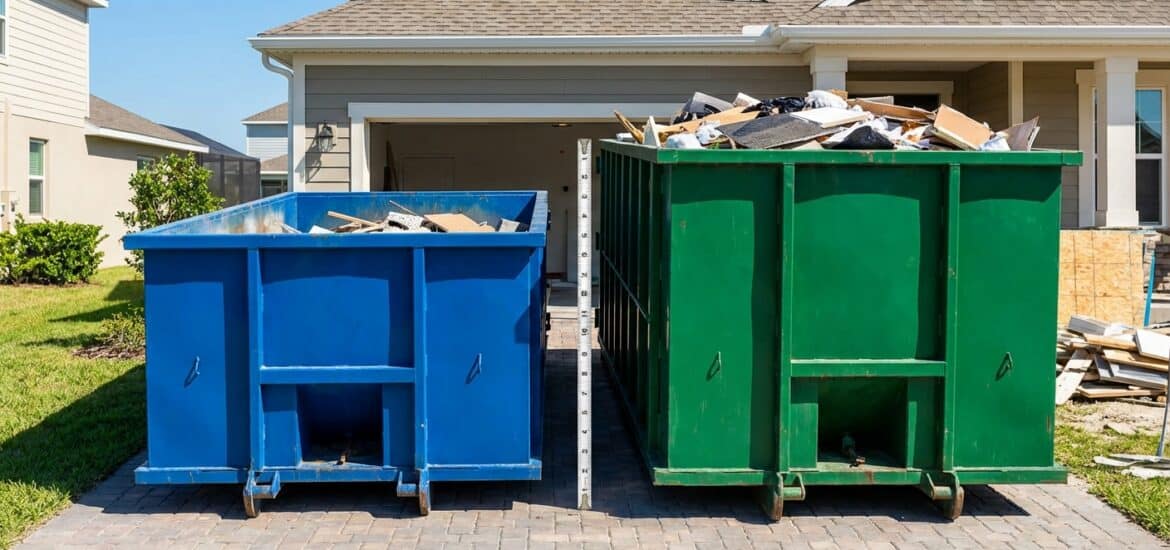
The primary difference lies in their volume. A 30-yard bin holds 50% more material than a 20-yard bin, making it suitable for larger projects. For a comprehensive overview of bin sizes and their applications, consult our bin sizing guide for more.
The primary difference between a 20 vs 30 yard bin lies in their holding capacity, measured in cubic yards. This volume directly translates to how much debris you can dispose of in a single rental.
A 20-yard bin typically holds about 6-8 pickup truck loads of waste. This makes it suitable for medium-sized projects where debris volume is substantial but not overwhelming.
A 30-yard bin, on the other hand, can accommodate approximately 9-12 pickup truck loads of material. This increased capacity is ideal for larger projects generating significant amounts of debris.
Ideal Project Types
Matching the bin size to your project type ensures cost-effectiveness and efficiency. The suitability of a 20 vs 30 yard bin varies greatly depending on the scope of work. For more detailed information on selecting the correct size, consult our dumpster rental guide for helpful tips.
20-Yard Bin Projects: These bins are often chosen for tasks like medium-sized home renovations, roofing tear-offs for a single-story home, extensive garage cleanouts, or significant landscaping projects. They handle common household junk, construction debris, and yard waste effectively.
30-Yard Bin Projects: Larger-scale projects benefit most from a 30-yard bin. This includes major home additions, commercial cleanouts, demolition projects, large-scale construction, or multi-room remodels. Its increased volume can handle bulkier items and a higher quantity of materials.
Physical Dimensions
Beyond volume, the physical dimensions of each bin impact placement and accessibility at your project site. While exact measurements can vary slightly by provider, general sizes help with planning whether a 20 vs 30 yard bin will fit. For more detailed information, consult our guide on how to choose the right dumpster size, or learn about the benefits of professional junk removal.
A 20-yard bin typically measures around 22 feet long, 8 feet wide, and 4 feet high. Its more compact nature makes it easier to place in residential driveways or smaller construction sites without obstructing access.
A 30-yard bin generally measures about 22 feet long, 8 feet wide, and 6 feet high. The extra height accounts for its increased capacity. While the length and width are similar to a 20-yard bin, the additional height can make loading heavier materials more challenging and requires sufficient vertical clearance.
When to Choose a 20-Yard Bin
Deciding between a 20-yard and a 30-yard bin depends heavily on the scope and nature of your project. A 20-yard bin is an excellent choice for medium-sized cleanouts and renovation projects, offering a good balance of capacity without occupying excessive space.
This size is particularly suited for homeowners and contractors tackling tasks that generate a significant amount of waste but don’t require the vast capacity of larger containers. Understanding when to opt for a 20-yard bin can help you avoid overspending on an unnecessarily large rental or underestimating your waste disposal needs. For more details on selecting the appropriate size, consult our guide to dumpster sizing.
Here are typical projects where a 20-yard bin proves to be the ideal solution:
Home Decluttering and Cleanouts: For clearing out an attic, basement, garage, or even an entire small home, a 20-yard bin provides ample space for furniture, boxes, and general household junk.
Medium-Scale Renovations: Projects like kitchen or bathroom remodels often produce debris such as old cabinetry, fixtures, drywall, and flooring. A 20-yard bin can comfortably accommodate these materials.
Roofing Projects: If you’re replacing the roof on a smaller home or shed, a 20-yard container is typically sufficient for shingles, underlayment, and other roofing waste.
Deck or Patio Removal: Removing an old wooden deck or concrete patio can generate a surprising volume of waste. This bin size is well-suited for such demolition debris.
Landscaping Overhauls: For significant yard cleanups that include tree branches, shrubs, soil, and old landscaping timbers, a 20-yard bin can manage the organic and inorganic waste effectively.
Choosing a 20-yard bin for these types of projects helps ensure efficient waste management, making the job smoother and more cost-effective. It’s a versatile option for many residential and light commercial undertakings when considering a 20 vs 30 yard bin, and our guide to dumpster sizes can help you decide.
20 vs 30 yard bin, several factors beyond just cubic capacity come into play. These considerations ensure you select the most efficient and cost-effective option for your project. For a comprehensive overview of selecting the right dumpster, consult our guide to dumpster sizes.
Careful evaluation of these elements can prevent common mistakes such as overfilling or needing an additional bin, which can add unexpected costs and delays.
Waste Volume: Estimate the total amount of debris. A 20-yard bin holds approximately 20 cubic yards of material, which is roughly equivalent to 6-8 pickup truck loads. For larger projects, consider a 30-yard bin.
Type of Waste: Some materials, like concrete or heavy debris, take up more space and weight. Ensure the bin you choose can handle the specific materials generated by your project. For information on specific waste types, check out our guide on how to recycle paper at home.
Project Duration: If your project is extensive and will generate waste over an extended period, you might need a larger bin or arrange for more frequent pickups.
Site Accessibility: Larger bins require more space for placement and maneuvering. Ensure your site can accommodate the size of the dumpster you select.
Project Scope and Debris Volume
The overall size and nature of your project are primary determinants. For instance, a small bathroom remodel or garage cleanout might only generate enough waste for a 20-yard bin. Conversely, larger renovations, full home cleanouts, or significant construction work will likely require the extra capacity of a 30-yard bin to accommodate the increased volume of materials, especially if you are dealing with yard waste, which you can learn more about in our Edmonton yard waste removal guide for more.
Type of Debris
The weight and density of the materials you’re disposing of significantly impact your choice. Heavy materials like concrete, asphalt, dirt, or bricks can quickly reach weight limits, even in a larger bin, before filling it completely. Lighter, bulkier items such as wood, drywall, and household junk take up more space but weigh less, making a 30-yard bin more suitable for maximizing volume without exceeding weight restrictions. For more information on what affects your quote, check out our construction junk removal guide.
Site Accessibility and Space
Consider where the bin will be placed. A 20-yard bin is generally more compact and might fit better in tighter driveways or smaller construction sites. A 30-yard bin requires more clearance for delivery and placement, potentially posing challenges in residential areas with limited space. Always measure your available area to ensure the chosen bin size can be safely and conveniently positioned. Choosing a local provider can also impact accessibility and service speed, as detailed in our blog post on why choosing local matters for your junk removal needs.
Local Regulations and Weight Limits
Different municipalities and rental companies have varying regulations regarding bin placement and weight limits. It is crucial to understand these rules to avoid fines or additional charges. Overloading a bin, particularly with heavy materials, can result in extra fees. Always confirm the weight allowance for both a 20 vs 30 yard bin before making your selection. For more details on choosing the right size, consult our guide to dumpster sizing, and review the Edmonton waste sorting guide for local specifics.
Budget Considerations
While a 30-yard bin typically costs more upfront than a 20-yard bin, it can be more economical in the long run if your project genuinely requires the extra space. Renting two smaller bins because one was insufficient often costs more than renting a single larger bin from the start. Assess your debris volume accurately to find the balance between cost and capacity, much like planning for seasonal cleanups such as fall cleaning for more.
Cost Comparison: 20 vs. 30 Yard Bin Rental
Understanding the financial implications is a crucial factor when deciding between a 20 vs 30 yard bin for your project. While larger bins generally have a higher base rental fee, their cost-effectiveness can vary depending on the amount of waste generated. Opting for a bin that is too small might lead to additional costs if you need a second rental or incur overage fees. For more details on selecting the appropriate size, consult our guide to choosing the right dumpster size for your project.
Conversely, renting a bin that is significantly larger than required means you might pay for unused capacity. Project scope, debris type, and local disposal fees all contribute to the overall cost. It is always recommended to obtain a detailed quote to avoid unexpected expenses, especially when considering Edmonton contractor waste disposal options.
The table below provides a general overview of typical pricing considerations when comparing a 20 vs 30 yard bin rental:
Pricing Factor
20-Yard Bin (Typical Range)
30-Yard Bin (Typical Range)
Base Rental Fee
Lower
Higher
Included Tonnage
2-3 tons
3-5 tons
Overage Fees per Ton
Standard rate
Standard rate
Rental Period
Usually 7-10 days included
Usually 7-10 days included
Extension Fees (per day)
Varies by provider
Varies by provider
Acceptable Waste Types
General waste, construction debris
General waste, construction debris
Keep in mind that prices can fluctuate based on location, seasonality, and the specific rental company. Always discuss your project details with the rental provider to ensure the quote accurately reflects your needs and avoids any surprises.
Making the Right Decision for Your Project
Choosing the correct dumpster size is crucial for any project, and understanding the factors involved will help you make an informed decision. For more detailed guidance on selecting the appropriate bin, consult how to choose the right dumpster size for your specific needs.
When weighing the choice between a 20 vs 30 yard bin, understanding the nuances of your specific project is crucial. Our team has helped countless homeowners and contractors select the ideal bin size for various cleanouts and construction jobs. We’ve found that carefully estimating the volume of debris upfront is key to avoiding both overspending and needing a second bin.
Consider a real-world example: A homeowner planned a major basement renovation, including tearing out old drywall, flooring, and a non-structural wall. Initially, they thought a 20-yard bin would suffice. However, after a quick calculation of the cubic footage of the demolished materials, it became clear that the sheer volume of drywall, wood, and insulation would quickly exceed the 20-yard capacity.
By opting for the 30-yard bin, they ensured all debris was contained in one rental, saving them the hassle and additional cost of arranging a second pickup or an overflow charge. This proactive approach to choosing the right 20 vs 30 yard bin size prevented potential delays and budget overruns. For more detailed guidance on selecting the appropriate dumpster, consult our comprehensive guide to choosing dumpster size.
Always factor in potential hidden waste, such as old items discovered during demolition or unexpected additions to the project scope. When in doubt, it’s often better to slightly overestimate your needs to ensure a smooth and efficient waste removal process.
Conclusion: Final Thoughts on 20 vs. 30 Yard Bin Rental
Choosing between a 20 vs 30 yard bin is a critical decision that impacts the efficiency and cost-effectiveness of your waste disposal project. This choice hinges on several factors, including the project’s scope, the type and volume of debris, and your budget.
For most medium-sized projects, such as garage cleanouts, smaller renovations, or significant landscaping work, a 20-yard bin often provides ample capacity without incurring unnecessary costs. It strikes a good balance between size and manageability.
Conversely, larger undertakings like major home additions, extensive demolition, or construction site clear-outs typically benefit more from the increased capacity of a 30-yard bin. This larger size minimizes the need for multiple pickups, streamlining the disposal process for substantial waste volumes.
Understanding the nuances of dumpster sizing can significantly improve your project’s outcome; for more detailed guidance, consult our contractor’s guide to job site cleanup for more.
Ultimately, a careful assessment of your specific project needs will guide you to the most appropriate bin size. Selecting the right 20 vs 30 yard bin ensures your project stays on track, within budget, and free from waste-related delays. For more detailed information on making this choice, consult how to choose the right dumpster size for your project.
The connection between junk removal and mental health is profound, as a clutter-free environment directly contributes to improved psychological well-being. Removing unwanted items from your living or working space can alleviate stress, enhance focus, and create a sense of calm that positively impacts your mental state.
Professional junk removal services play a crucial role in transforming overwhelming tasks into manageable solutions, offering a tangible path to mental clarity. This process goes beyond simply tidying up; it’s about reclaiming your space and, in turn, your peace of mind.
By investing in professional assistance for junk removal, mental health benefits become more accessible, allowing you to experience a significant uplift in your daily life without the added burden of physical labor and logistical planning. For more insights, you can explore the full range of eco-friendly junk removal benefits, and for larger projects, understanding how to choose the right dumpster size is also key.
Understanding the Impact of Clutter on Mental Well-being
Clutter does more than just occupy physical space; it significantly impacts our mental states. A disorganized environment can lead to increased stress, anxiety, and a feeling of being overwhelmed. This negative influence highlights the importance of addressing physical mess to improve overall junk removal mental health. When undertaking a large project, understanding the right dumpster size is key; learn more in our guide to choosing dumpster size for more.
The psychological effects of disorganization are well-documented. Studies suggest that living in a cluttered space can contribute to higher levels of cortisol, the stress hormone, and reduce one’s ability to focus. This constant mental drain makes daily tasks feel more arduous and can diminish feelings of peace and contentment in one’s home.
Addressing clutter through strategies like professional junk removal offers a direct path to relief. By clearing out unwanted items, individuals can create a more harmonious living environment, which in turn fosters a clearer mind. The act of decluttering, especially with assistance, can be empowering, signaling a fresh start and a renewed sense of control over one’s surroundings and mental well-being.
The connection between a tidy home and a calm mind is undeniable. When we reduce the visual noise around us, our brains have less to process, leading to improved cognitive function and reduced mental fatigue. This makes professional junk removal a powerful tool for enhancing mental health.
For more insights into how a clean space can uplift your mood, explore the many junk removal and mental health benefits. Understanding the right dumpster size for your project can also contribute to a smoother decluttering process, so check out our guide on how to choose the right dumpster size.
Core Principles of a Clutter-Free Mind
Achieving mental clarity often begins with transforming your physical environment. This process involves foundational principles that lead to stress reduction, improved focus, and emotional release. Understanding how these elements connect to professional junk removal and proper disposal, such as learning how to dispose of yard waste, can significantly enhance your well-being.
Reducing Stress Through Decluttering
Clutter can be a silent contributor to stress and anxiety, creating a sense of overwhelm and disarray in your daily life. A cluttered space often mirrors a cluttered mind, making it difficult to relax or concentrate. For instance, knowing how to dispose of yard waste properly can prevent it from becoming a source of stress.
Visual overload from too many items can overstimulate the brain.
The constant search for misplaced items leads to frustration and wasted time.
Accumulated junk can evoke feelings of guilt or embarrassment, impacting self-esteem.
Taking steps to address junk removal mental health connections helps alleviate these stressors, and our small dumpster rental guide can assist with the physical removal process.
Enhancing Focus and Productivity
A clear space provides a clear mind, directly impacting your ability to focus and be productive. When your environment is free from distractions, your mental energy can be directed more efficiently. For larger projects, understanding how to choose the right dumpster size is crucial for efficient cleanup, and often, professional junk removal services can save you significant time and effort.
Eliminating visual noise helps in maintaining concentration on tasks.
Organized spaces reduce the time spent looking for things, boosting efficiency.
A tidy environment can inspire a sense of calm, making it easier to engage in creative or analytical work.
The benefits of junk removal and mental health extend to improved cognitive function.
Emotional Release and Renewal
The act of decluttering and removing unwanted items can be a powerful emotional experience. It allows for the release of old attachments and opens the door for new possibilities and a refreshed perspective. For instance, understanding how to recycle paper at home can be a small step towards this larger goal of emotional renewal.
Letting go of items with negative memories can be therapeutic.
Creating space physically can lead to feeling more emotional and mentally free.
A clean slate in your living area can symbolize a fresh start in other aspects of life.
This process of emotional renewal is a key component of the positive impact of junk removal mental health practices.
Benefits of Professional Junk Removal for Mental Health
Choosing the right dumpster size is crucial for efficient project management and cost-effectiveness, especially for larger cleanups.
Hiring professional services for decluttering offers significant advantages that directly contribute to improved mental well-being. After assisting countless homeowners with decluttering their spaces, we’ve consistently seen how a cleaner environment positively impacts mood and reduces stress. Our experience has shown that professional junk removal is a powerful tool for enhancing mental clarity, addressing the crucial link between junk removal mental health.
Professional junk removal services alleviate the physical burden of clearing out unwanted items and provide psychological relief. This service transforms overwhelming tasks into manageable steps, making the process of decluttering less daunting. The positive effects on junk removal mental health are evident in various aspects of daily life, and we offer comprehensive junk removal services to help you achieve this.
Reduced Anxiety and Stress. A cluttered environment can contribute to feelings of anxiety and stress. Professionals efficiently remove unwanted items, immediately creating a more organized and calming space.
Increased Productivity and Focus. A clear space often leads to a clear mind. With fewer distractions, individuals can focus better on tasks, leading to increased productivity and a greater sense of accomplishment.
Enhanced Sense of Control. Taking action to clear clutter gives individuals a renewed sense of control over their living environment, which can positively impact overall mental health.
Improved Sleep Quality. A serene and organized bedroom can promote better sleep. Removing excess junk from sleeping areas helps create a restful sanctuary.
Boosted Mood and Well-being. The transformation of a cluttered space into an orderly one can significantly elevate mood and foster a general sense of happiness and well-being. To explore more about these positive changes, read about the positive effects of junk removal.
Services Offered: A Comprehensive Junk Removal Guide
Professional junk removal services offer a wide range of solutions designed to help you reclaim your space and improve your mental well-being. By understanding the types of services available, you can select the right support for your specific needs, contributing positively to your overall mental health.
Each service focuses on clearing different categories of unwanted items, directly reducing clutter and its associated stress. This systematic approach to decluttering helps establish a clear connection between junk removal mental health benefits and a tidy living environment, such as when considering a 20 yard bin rental.
Residential Junk Removal Solutions
Residential junk removal encompasses clearing out unwanted items from homes, apartments, and condominiums. This service is crucial for individuals looking to create a more serene and organized living space.
The act of decluttering your home through residential junk removal can significantly reduce feelings of anxiety and overwhelm. Our team handles everything from single-item pickups to full house cleanouts, ensuring a hassle-free experience. For larger projects, consider our guide to dumpster sizes to select the perfect fit, or learn about specific disposal needs in our Edmonton yard waste pickup guide.
Furniture Removal: Old sofas, mattresses, and tables can take up valuable space and contribute to a cluttered feeling. Professional removal ensures these bulky items are disposed of responsibly.
Appliance Disposal: Non-functional refrigerators, washing machines, and ovens are heavy and difficult to move. Experts safely remove and often recycle these large appliances.
General Household Clutter: This includes miscellaneous items like old electronics, toys, books, and boxes that accumulate over time. Clearing these items creates a more functional and peaceful environment.
Commercial and Estate Cleanouts
Beyond residential needs, specialized services cater to larger-scale projects such as commercial properties and estate cleanouts. These situations often involve significant volumes of items and require careful planning and execution.
For businesses, a clutter-free workspace can enhance productivity and reduce stress among employees, demonstrating how junk removal and mental health benefits are intertwined. Estate cleanouts, often following a difficult life event, can be emotionally taxing, and professional assistance provides much-needed relief. For projects of any size, understanding the right container is key, and our guide to choosing the right dumpster size can help.
Office Equipment Removal: Desks, chairs, filing cabinets, and old computers from commercial spaces are efficiently removed, allowing for business restructuring or relocation.
Retail Store Cleanouts: Fixtures, shelving, and unsold inventory from retail establishments are cleared, making way for new merchandise or renovations.
Estate Cleanouts: This comprehensive service handles the respectful and efficient removal of belongings from an entire property, often including items of sentimental value, reducing the burden on families.
Specialty Item and Debris Removal
Certain items require specific handling due to their size, weight, or composition. Specialty junk removal services address these unique challenges, ensuring proper disposal and environmental responsibility.
Dealing with construction debris or yard waste can be physically demanding and time-consuming, adding to mental stress. Delegating these tasks to professionals offers a significant relief, reinforcing the positive impact of junk removal mental health support, and you can learn more about junk removal services to understand the benefits.
When you’re ready to clear out unwanted items, consider these factors to find a service that aligns with your needs and promotes overall well-being; for example, understanding how to choose the right dumpster size can streamline your project.
Check Online Reviews and Testimonials: Reputable junk removal companies often have positive feedback from previous clients. Look for consistent praise regarding punctuality, professionalism, and efficient service. Websites like Google Reviews or Yelp can provide valuable insights into customer experiences.
Compare Quotes from Multiple Providers: Don’t settle for the first quote you receive. Contact several junk removal services to compare pricing, services included, and availability. This helps you understand market rates and find a company that offers good value without compromising quality, which is beneficial for your peace of mind.
Verify Licensing and Insurance: Ensure the company you choose is fully licensed and insured. This protects you from liability in case of accidents or damage during the junk removal process. It’s a non-negotiable step for a worry-free experience.
Inquire About Disposal Practices: A responsible junk removal service prioritizes eco-friendly disposal. Ask about their recycling and donation policies. Choosing a company that minimizes landfill waste aligns with sustainable practices and can also contribute to your positive junk removal mental health by knowing your items are handled responsibly. For more details on how this process can benefit you, explore our article on Junk Removal & Mental Health Benefits.
Assess Customer Service and Communication: Pay attention to how responsive and clear the company is in its communication. A company that provides prompt, friendly, and transparent answers to your questions is more likely to offer a positive service experience from start to finish. If you’re considering a dumpster for a project, understanding the right size is crucial, and our guide on how to choose the right dumpster size can help.
Preparing Your Home for Junk Removal Day
Preparing your home for junk removal day can significantly reduce stress and enhance the positive impact on your mental well-being. A smooth and organized process reinforces the value of addressing your living environment, supporting overall junk removal mental health. By taking a few proactive steps, you can ensure everything goes according to plan, leaving you with a cleaner, calmer space.
The anticipation of a decluttered home is a powerful motivator. Knowing what to expect and how to prepare can transform what might seem like a daunting task into an empowering experience. This preparation ensures that when the professionals arrive, you are ready, and the transition to a more organized living space is seamless. For larger projects, understanding the right bin is crucial; our guide to dumpster sizes can help. For specific item disposal, consult our Edmonton waste sorting guide for more.
Identify and Designate Items: Before your scheduled appointment, clearly identify all items you want to be removed. Consider creating separate piles or designated areas for junk, recycling, and items you might want to donate. This step helps streamline the process for both you and the junk removal team.
Ensure Accessibility: Make sure the items to be removed are easily accessible. If possible, move smaller items to a garage, driveway, or a central location. For larger pieces, ensure clear pathways from their current location to the exit. This preparation helps the crew work efficiently and safely.
Separate Hazardous Materials: Professional junk removal services typically have restrictions on certain hazardous materials, such as paints, chemicals, or asbestos. Check with your chosen service provider beforehand to understand what they can and cannot take. Arrange for separate disposal of any restricted items to avoid delays.
Protect Your Property: While junk removal teams are careful, it’s wise to take precautions. Cover sensitive flooring or move delicate items that might be in the path of large furniture removal. This minor step can prevent accidental damage and provide you with peace of mind during the removal process.
Communicate with the Team: On the day of removal, briefly walk through your home with the junk removal specialists. Point out all items to be taken and clarify any specific instructions. Clear communication ensures everyone is on the same page, contributing to a stress-free experience that positively impacts your overall mental state. You can learn more about the broader junk removal mental health benefits when you streamline this process.
Long-Term Mental Health Advantages of a Decluttered Space
Maintaining a decluttered living environment offers profound and lasting psychological benefits that extend far beyond the initial cleanup. The ongoing practice of managing your space, often initiated by a professional service, contributes significantly to sustained peace of mind and reduced chronic stress. This continuous engagement with an organized home reinforces the positive impact of junk removal and mental health strategies.
A clutter-free home provides a foundation for improved well-being, fostering a sense of control and calm. When your surroundings are orderly, your mind can operate more clearly, reducing the mental fatigue associated with visual and environmental chaos. This clarity is a key long-term advantage of addressing junk removal mental health, and understanding bin sizing can help you choose the right container for your needs.
Sustained Peace of Mind: A consistently tidy space eliminates visual stressors, allowing your mind to relax and focus on more productive thoughts. This continuous absence of clutter cultivates a deep sense of calm and mental tranquility.
Reduced Chronic Stress: Living in an organized home removes a significant source of daily low-level stress. You no longer have to contend with lost items, overflowing surfaces, or the general feeling of being overwhelmed by possessions, which directly supports improved mental health through effective junk removal.
Enhanced Focus and Productivity: Without distractions from surrounding clutter, individuals often find it easier to concentrate on tasks, whether work, hobbies, or simply relaxing. This improved focus can lead to greater productivity and a stronger sense of accomplishment.
Better Sleep Quality: A serene bedroom environment, free from unnecessary items, can significantly contribute to better sleep. The absence of visual noise promotes relaxation, making it easier to fall asleep and enjoy more restful nights.
Improved Social Interactions: A clean and organized home is more inviting for guests, reducing social anxiety and making it easier to host friends and family. This can strengthen social connections, which are vital for mental well-being.
These long-term advantages underscore why consistent effort in managing your living space, perhaps through periodic junk removal, is a worthwhile investment in your overall psychological health. The benefits of a decluttered space create a ripple effect, positively influencing various aspects of daily life and solidifying the connection between a tidy home and a healthy mind.
Achieve Peace of Mind Through Junk Removal
The journey towards a more organized home is inherently linked to achieving greater peace of mind. Throughout this guide, we’ve explored the significant connection between a clutter-free environment and improved mental well-being, highlighting how junk removal mental health benefits are substantial.
A home free from excess serves as a sanctuary, reducing daily stressors and fostering a sense of calm. When you eliminate unwanted items, you’re not just clearing physical space; you’re also making room for clarity, focus, and emotional relief. For larger projects, understanding how to choose the right dumpster size can be crucial for efficient waste management.
Taking action to address clutter, whether it’s a small cleanup or a comprehensive overhaul, can lead to profound positive changes in your mental state. Professional junk removal mental health advantages extend beyond the immediate clean-up, creating a lasting impact on your daily life.
Embrace the opportunity to transform your living space and, in turn, enhance your emotional well-being. By choosing to remove unwanted junk, you are investing in a healthier, happier you.
While a DIY dump run might seem cheaper upfront, hidden costs and time investments can quickly add up, often making bin rental a more economical choice for many projects. For instance, understanding the appropriate dumpster size for your project can prevent overspending or needing multiple rentals.
When you choose a bin rental, you typically pay a single fee that covers the bin’s delivery, rental period, and waste disposal. This flat rate provides budget predictability, helping you avoid unexpected expenses. In contrast, DIY dump runs involve multiple out-of-pocket costs and can be less transparent. For a detailed comparison, consider this guide on DIY dump runs vs. junk removal for more.
Bin Rental Costs
DIY Dump Run Costs
Rental fee (size and duration)
Fuel costs for multiple trips
Disposal fees (often included)
Landfill tipping fees per load
Weight limits (overage fees may apply)
Vehicle wear and tear
Permit fees (if required for street placement)
Potential vehicle rental costs (truck/trailer)
No personal time spent driving or waiting
Time spent driving, loading, and unloading
Labor for loading (if hiring assistance)
Personal labor for all stages
For larger projects, the cumulative costs of fuel, tipping fees, and the significant time investment in DIY dump runs can easily surpass the fixed price of a bin rental. Factors like the type and volume of waste also play a role in determining the most cost-effective method.
This involves multiple trips to the landfill, sorting materials, and potentially waiting in line, all of which detract from your project’s momentum. For a comprehensive understanding of the effort involved, consider this guide on DIY dump runs vs. junk removal.
Sorting and Organizing: Before anything leaves your property, you’ll need to sort through all unwanted items. This often includes separating recyclables, hazardous waste, and general debris, which can be a time-consuming task. For guidance on separating materials, check out the Edmonton waste sorting guide for more.
Loading Your Vehicle: Once sorted, everything must be carefully loaded into your personal vehicle or a rented truck. This stage often requires multiple trips if you have a substantial amount of waste.
Driving to the Dump/Transfer Station: The journey to the nearest municipal dump or transfer station can vary greatly depending on your location. This travel time adds to the overall commitment.
Waiting and Unloading: Upon arrival, you might face queues, especially during peak hours. Once it’s your turn, you’ll need to manually unload all the materials, which can be physically demanding and time-intensive.
Returning Home and Repeating: After unloading, you drive back home, often to repeat the entire process if more waste remains. This cycle can extend over several days or even weeks for extensive cleanouts.
Each of these steps contributes to the overall time investment for DIY dump runs, making bin rental an increasingly attractive option for efficiency. For those considering bin rental, understanding the different sizes available is crucial, and our bin sizing guide can help you choose the right one.
Convenience & Effort: Bin Rental vs. DIY Dump Runs
When considering bin rental vs dump runs, convenience and effort are major factors that often tip the scales. A DIY dump run requires significant personal investment in terms of time, physical labour, and vehicle use. You have to load everything yourself, transport it, and then unload it at the dump, potentially navigating long lines and varying disposal fees.
Bin rental, on the other hand, offers a streamlined and less strenuous approach. The process is designed to minimize your effort, allowing you to focus on your project rather than waste logistics. This makes it a popular choice for larger cleanouts or renovation projects where efficiency is key, and understanding how to choose the right dumpster size is essential for maximizing this convenience.
Benefits of Bin Rental for Convenience and Effort
Choosing a bin rental service significantly reduces the physical burden and logistical challenges of waste disposal. Here are some of the key benefits:
When deciding on the right bin for your needs, understanding the various sizes available is crucial; our guide to how to choose the right dumpster size can help you make an informed decision.
Doorstep Delivery and Pickup. The bin is delivered directly to your location and picked up once you’re done, eliminating the need for you to transport waste yourself.
Variety of Sizes. You can choose from various bin sizes to match the scale of your project, ensuring you have adequate space without overpaying for unused capacity. Learn more about how to choose the right dumpster size for your project.
Flexible Loading Time. Bins are typically rented for several days or weeks, giving you ample time to load waste at your own pace without feeling rushed.
Professional Hauling. Experienced professionals handle the transportation and disposal of your waste, ensuring it’s done correctly and efficiently.
Reduced Physical Strain. Without the need to load and unload a vehicle multiple times, you save yourself considerable physical effort and potential strain.
Environmentally Responsible Disposal. Reputable bin rental companies often sort waste for recycling and proper disposal, contributing to more sustainable practices.
Ultimately, a bin rental can save you considerable time and physical effort compared to multiple DIY trips to the dump. This allows you to allocate your energy to other aspects of your project or simply enjoy more free time.
Project Suitability: Bin Rental vs. DIY Dump Runs
Deciding between bin rental vs dump runs often comes down to the specific details of your project. The scope, type of waste, and available resources will significantly influence which method is more efficient and cost-effective for your needs. For a comprehensive overview of dumpster options, consult our small dumpster rental guide to make an informed choice.
Understanding these distinctions can help you avoid unnecessary expenses and effort, ensuring a smoother cleanup process for any renovation, decluttering, or landscaping task.
Small-Scale Decluttering and Light Hauling
For minor cleanups, such as a garage reorganization or removing a few old furniture pieces, DIY dump runs can be a practical choice. These smaller projects often generate a manageable volume of waste that can fit into a personal vehicle, making multiple trips to the local landfill feasible.
The primary advantage here is the flexibility and immediate disposal, as you can haul items away as soon as they are ready. However, even for small projects, consider the time spent driving, loading, and unloading at the dump. For larger projects, it’s often more efficient to consider how to choose the right dumpster size for your project, or to learn about junk removal services.
Medium-Sized Renovations and Yard Work
When tackling a bathroom renovation, a significant yard clean-up, or clearing out a basement, the volume of waste typically increases substantially. In these scenarios, the comparison of bin rental vs dump runs leans heavily towards bin rental.
Renting a bin provides a convenient on-site solution for accumulating debris without the constant need for transportation. This saves time and reduces wear and tear on your personal vehicle, especially when dealing with heavy or bulky materials like construction waste, old appliances, or extensive garden refuse. For smaller projects, consider how to recycle paper at home to minimize waste.
Large Construction and Demolition Projects
For major undertakings, such as home additions, full-scale renovations, or demolition work, the sheer quantity and often the weight of the waste make bin rental the unequivocally superior option. These projects generate large amounts of varied debris, from concrete and drywall to metal and wood. Understanding how to choose the right dumpster size for your project is crucial for efficiency.
A single DIY dump run would be insufficient, requiring numerous trips that are both time-consuming and physically demanding. Bin rental services provide various bin sizes designed to handle substantial loads, ensuring efficient and compliant disposal of all materials.