

Answer
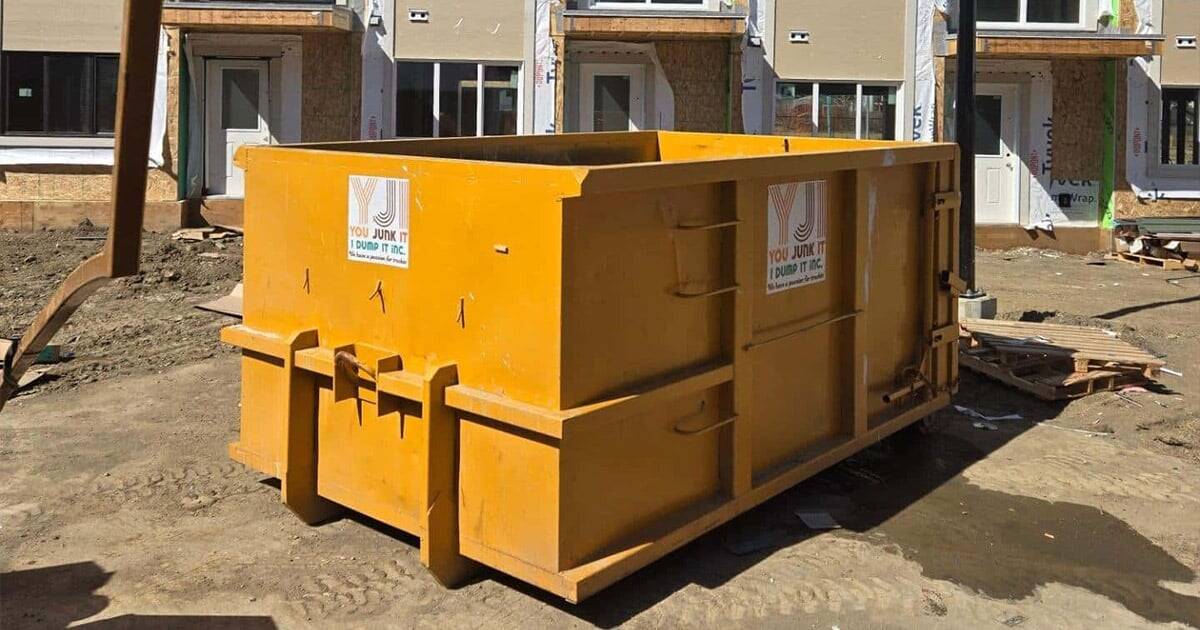
A construction junk removal guide typically addresses how to efficiently dispose of debris from renovation, demolition, or building projects. You Junk It… I Dump It offers services for sorting, hauling, and properly discarding materials like wood, concrete, drywall, and metal. The process involves selecting the right container size and ensuring items comply with local waste regulations.
Overview
This construction junk removal guide explores how to manage debris from various building projects. It provides a detailed look at selecting the correct service, identifying different types of construction waste, and planning for efficient cleanup. This article also includes a labeled real-world hypothetical scenario about Marcus, who faced a common renovation challenge.
- Choosing Service: Learn about selecting a junk removal service for construction projects.
- Debris Types: Find information on construction debris types and proper disposal methods.
- Real-World Example: Marcus’s renovation project shows estimating costs for debris hauling.
- DIY vs. Professional: Compare DIY options against professional hauling.
- Site Preparation: Get tips for site preparation before removal services arrive.
- Why Choose Us: Discover why You Junk It… I Dump It stands out.
Choosing Construction Junk Removal Service
Selecting the correct construction junk removal service impacts project efficiency and site safety. When removing debris from a renovation, demolition, or building project, consider factors such as the type of materials, the volume of waste, and specific disposal requirements. You Junk It… I Dump It offers tailored solutions to help manage various construction waste streams efficiently.
When selecting a service, verify their experience with different debris types and local regulations. Here in Edmonton, we see many contractors and homeowners requiring solutions for mixed loads, which makes sorting capabilities a key consideration. This ensures compliance and avoids potential fines or delays.
| Factor | Why It Matters |
|---|---|
| Debris Type | Some companies specialize in certain materials, such as concrete, wood, or drywall. Confirming their capability for your specific waste prevents multiple pickups. Learn more about different debris types and disposal methods. |
| Volume of Waste | Choosing the correct container size prevents overfilling or under-utilization, affecting costs and schedules. Companies like You Junk It… I Dump It provide various bin sizing options. |
| Disposal Practices | Inquire about their commitment to recycling and ethical disposal. Companies prioritizing sustainability help minimize landfill waste and reduce environmental impact. For options, see Construction Junk vs general junk removal. |
| Service Area and Availability | Confirm the company operates in your specific location and can accommodate your project timeline. Availability is especially important for time-sensitive projects. |
| Insurance and Licensing | Verify the company holds proper insurance and licenses. This protects you from liability in case of accidents or damage during the removal process. |
Construction Debris Types and Disposal
Properly categorizing construction debris helps ensure environmentally sound disposal and may reduce overall project costs. Many materials can be recycled or reused, diverting waste from landfills. Sorting materials at the job site saves time during cleanup and makes specialized recycling easier.
We regularly see materials like wood, concrete, and drywall on demolition projects. Knowing what type of junk is present from the start helps us select the correct bin size and disposal method for each job, whether for a large commercial site or a small home renovation. Effective construction junk removal relies on correctly identifying and separating materials.
| Debris Type | Disposal Considerations |
|---|---|
| Wood | Clean wood is often recyclable for mulch or biofuels. Painted or treated wood may require specific landfill disposal due to chemicals. |
| Concrete and Asphalt | These heavy materials are frequently crushed and recycled into new aggregate for road bases or construction fill. |
| Drywall | Gypsum can be recycled for agricultural uses, but strict separation from other waste is necessary. Check local regulations for drywall recycling. |
| Metals | Scrap metal, including rebar, pipes, and flashing, is highly recyclable. Separating it significantly reduces landfill volume. Debris Hauling Made is a good option for metal recycling. |
| Plastics | Construction plastics vary; some can be recycled, while others may be destined for landfills. Clear separation by plastic type is best. |
| Rubble and Masonry | Bricks, tiles, and other masonry materials can be recycled as fill or aggregate for new construction. |
| Hazardous Waste | Asbestos, lead paint, and certain chemicals require specialized handling and licensed disposal facilities. Incorrect disposal carries significant risks. Edmonton Junk Removal services are equipped to handle hazardous items. |
Estimating Construction Junk Removal Costs
Disposing of waste from a building project requires careful cost assessment to stay within budget. Project expenses for removing construction debris typically depend on volume, material types, and labor requirements. Knowing these variables helps predict overall expenditure.
Marcus is facing the complexity of sorting and properly discarding construction debris.
Marcus is overseeing a significant renovation project and is overwhelmed by the sheer volume of waste generated. He needs to decide whether to rent a dumpster or hire a specialized junk removal service. He’s concerned about sorting materials like concrete, wood, and drywall correctly. He wonders, how can I ensure all construction debris is disposed of efficiently and compliantly?
Recommendation: Professional Construction Junk Removal Service
You Junk It… I Dump It would recommend a professional construction junk removal service for projects like Marcus’s, as they handle the sorting, hauling, and proper disposal of various debris types. This approach ensures compliance with local regulations and frees up project management time.
The volume of debris directly affects costs, as larger projects generate more waste requiring bigger bins or multiple hauls. Material weight also plays a role, with dense items like concrete and soil often incurring higher disposal fees than lighter materials such as wood or drywall. For specific project sizing, our bin sizing page provides guidance on suitable containers.
Additional charges may apply for specialized items or mixed loads. For example, hazardous materials require specific handling and disposal methods, which adds to the overall expense. When planning your budget, consult resources like the junk removal cost guide for detailed breakdowns.
DIY vs. Professional Debris Hauling
Deciding between handling construction debris yourself or hiring a professional service depends on project size, available resources, and safety considerations. DIY efforts can save money, but they require significant time and effort for sorting, loading, and transporting materials to appropriate disposal sites. Professional services offer convenience and efficiency, especially for large volumes of waste.
You Junk It… I Dump It frequently sees projects where homeowners begin with DIY intentions but quickly realize the scale of construction waste removal. For instance, hauling heavy materials like concrete or drywall without proper equipment can lead to injuries or property damage. Additionally, knowing local regulations for disposing of various construction debris types is essential to avoid fines.
| Pros | Cons |
|---|---|
| Potential cost savings for small projects. | Time-consuming sorting, loading, and hauling. |
| Flexible scheduling around your availability. | Requires personal vehicle capable of hauling debris. |
| Direct control over the disposal process. | Risk of injury from heavy lifting or improper handling. |
| May teach you more about waste management. | Permits may be needed for certain waste types or sizes. |
| Avoids scheduling conflicts with a service. | Local disposal sites may have restricted hours. |
| No third-party coordination needed. | Specialized equipment may be required for specific debris. |
| Good for minimal amounts of light waste. | Environmental regulations may be complex to follow. |
| Familiarity with personal tools and methods. | Junk Removal vs can involve unexpected expenses. |
When considering whether to go the DIY route for your construction junk removal, assess the volume and weight of your debris, as well as the types of materials involved. For smaller projects with manageable, non-hazardous waste, you might consider diy Junk Removal. However, larger renovations or demolition projects often generate diverse debris, making professional assistance a more practical choice. Many find that professional Bin Rental vs attempting multiple trips to the dump saves both time and physical strain.
Site Preparation for Junk Removal
Effective planning for construction debris removal begins before demolition starts. Organizing materials by type streamlines the process, potentially lowering costs and promoting recycling. Many projects here benefit from clearly defined staging areas for different waste categories.
When sorting debris, separate clean fill, such as dirt and concrete, from mixed waste like wood and drywall. This preparation allows for more efficient loading and proper disposal. Our experience at You Junk It… I Dump It shows that a well-prepared site minimizes delays during pickup. Easy Junk Removal
Selecting the correct bin size is another step in site readiness. An undersized bin requires additional pickups, while an oversized one can mean unnecessary expenses. Consider the overall volume of debris and the types of materials generated by your project. Bin Sizing can help determine the best fit.
| Preparation Task | Description |
|---|---|
| Separate Materials | Group wood, metal, concrete, and drywall into distinct piles to facilitate recycling and proper disposal. |
| Clear Access Paths | Ensure wide and unobstructed routes for collection vehicles to approach and load debris bins safely. |
| Designate Staging Areas | Mark specific zones for different debris types, keeping hazardous materials separate from general construction waste. |
| Remove Obstacles | Relocate personal items, tools, or vehicles that might hinder the junk removal process. |
| Secure Loose Debris | Bag or bundle smaller items to prevent scattering during transport and to keep the site tidy. |
| Consider Bin Placement | Plan where the bin will sit for easy access, minimizing the distance debris needs to be moved. Factors like available space and ground stability influence bin placement. Edmonton Bin Sizes can influence this decision. |
Why You Junk It… I Dump It Excels
You Junk It… I Dump It stands out for providing efficient and reliable construction junk removal services. We focus on transparent pricing and prompt service, ensuring projects stay on schedule and within budget for property owners and contractors. Our dedication to environmentally sound practices also means proper sorting and disposal of materials whenever possible.
We prioritize clear communication and upfront pricing for every construction junk removal guide we provide. Our experience shows that clients appreciate knowing the cost beforehand, eliminating surprises. We also offer convenient scheduling options to fit various project timelines, whether for small home renovations or larger building sites.
| Best for Job | Option | Reason |
|---|---|---|
| Small Renovation Debris | compact bin sizes | Ideal for minor remodels, bathroom updates, or garage clear-outs with manageable debris volumes. |
| Medium Construction Projects | Mid-sized roll-off bins | Suitable for kitchen renovations, roofing jobs, or light demolition, handling mixed construction materials. |
| Large Demolition Sites | Large capacity bins | Best for significant tear-downs or new construction builds, accommodating substantial quantities of heavy debris. |
| Mixed Debris Hauling | Full-service construction junk removal | When debris types vary widely, such as wood, metal, and concrete, and a single bin might not suffice for sorting. |
| Time-Sensitive Cleanups | Same-day or next-day service | For projects requiring immediate debris removal to maintain site safety or accelerate subsequent work phases. |
| Projects with Limited Space | debris hauling made with smaller trucks | When access is restricted, such as narrow residential streets, requiring more compact vehicles for pickup. |
You Junk It… I Dump It aims to be the top choice for all construction debris needs, offering solutions that make cleanup easier and more efficient.
FAQ
To further assist you in navigating your construction junk removal guide, we’ve compiled answers to some common questions you might have regarding the process.
| Question | Answer |
|---|---|
| How do I choose the right container size for construction debris? | Selecting the correct container size prevents overfilling or under-utilization, which impacts costs and schedules. Companies like You Junk It… I Dump It provide various bin sizing options to match the volume of your waste. Consider the total amount of debris and the types of materials your project will generate. |
| What happens if I have hazardous construction waste? | Hazardous waste like asbestos or lead paint requires specialized handling and licensed disposal facilities. Incorrect disposal carries significant risks and potential fines. Services equipped to handle hazardous items ensure proper and safe removal. |
| When should I consider professional construction junk removal over DIY? | For larger renovations or demolition projects that generate diverse debris, professional assistance is often more practical. DIY hauling can be time-consuming and may require specialized equipment or knowledge of local disposal regulations. |
| How can site preparation help with construction junk removal costs? | Organizing materials by type and creating clear access paths streamlines the removal process, potentially lowering overall costs. Separating materials like clean fill from mixed waste allows for more efficient loading and proper disposal. |