

Answer
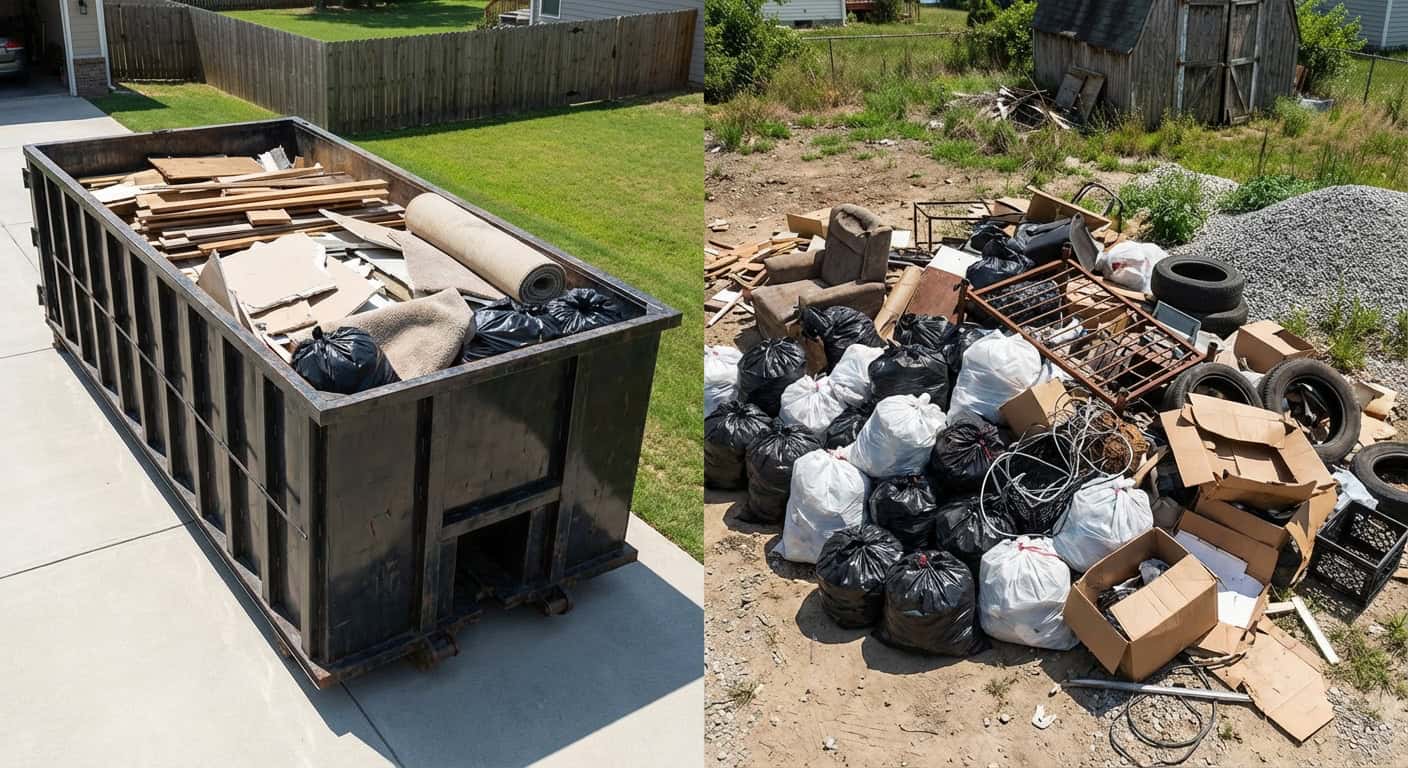
Bin rental generally offers greater convenience and often saves time compared to repeated trips for dump runs, especially for larger projects that generate substantial waste. While a single dump run might appear cheaper upfront, factors like vehicle wear, fuel costs, and time spent driving and unloading can quickly add up for multiple trips. You Junk It… I Dump It provides flexible bin rental options, including various sizes, to match project needs and help avoid the hidden costs and inconveniences of self-hauling.
Overview
This guide compares waste removal options, helping you decide between a bin rental and individual trips to the dump. We look at factors like time, effort, and permitted items. The article also includes a labeled real-world hypothetical about Chloe and her experience with different disposal methods.
- Cost Factors: Compare how various approaches affect your budget with cost comparisons.
- Rental Benefits: See situations where bin rental excels.
- Real-World Example: Chloe’s story illustrates the time commitment for DIY disposal.
- Container Choices: Find out about bin size selection.
- Disposal Rules: Review prohibited items for rentals.
- Our Solution: Discover more about the You Junk It approach.
Bin Rental vs Dump Runs Cost
The financial aspect of waste removal often dictates the chosen method. While a single trip to the local landfill appears inexpensive initially, the overall expenditure for dump runs quickly increases with multiple trips or larger debris volumes. In contrast, bin rental provides a fixed cost for a specific volume, making budgeting simpler for projects with substantial waste.
You Junk It… I Dump It finds that many customers overlook the accumulated expenses of DIY disposal. These hidden costs include fuel consumption, potential wear and tear on personal vehicles, and the value of time spent traveling and unloading. comparing Bin Rental options helps reveal these overlooked expenses.
| Bin Rental Cost Drivers | DIY Dump Runs Cost Drivers |
|---|---|
| Bin size and rental duration | Fuel costs for each trip |
| Type of waste material | Vehicle maintenance and depreciation |
| Overweight fees (if applicable) | Landfill tipping fees per load |
| Permits (if placing on public property) | Personal time spent driving and unloading |
| Delivery and pickup charges | Potential fees for oversized or prohibited items |
For projects generating significant waste, such as home renovations or large cleanouts, the consistent pricing of a bin rental vs dump runs often presents a more economical choice. This approach allows for efficient disposal without unexpected expenses, especially when compared to multiple trips to the landfill. You can review various bin sizes and their corresponding costs to suit different project scales. Dumpster Rental Pros also highlight the value proposition of rentals.
When Bin Rental Beats Dump Runs
Bin rental becomes the preferred method for waste removal during projects that generate significant debris or require an extended cleanup period. This option removes the need for multiple trips to the landfill, saving vehicle wear and fuel costs. If you have a large-scale renovation or decluttering project, choosing a bin service simplifies the process.
For extensive home renovations or large property cleanups, the efficiency of having a dedicated waste container on-site offers clear advantages. We find that many homeowners completing larger projects appreciate the ability to dispose of materials as they work, without interruptions for dump runs. Bin rental beats dump runs when convenience and consistent waste management are top priorities.
| Situation | Preferred Waste Solution |
|---|---|
| Major home renovations | Bin rental for continuous debris disposal Bin Rental Tips |
| Large property cleanouts | Bin rental due to high volume of varied materials You Junk It, I Dump It|Reliable Junk Removal |
| Commercial construction sites | Bin rental for efficient, scheduled waste removal |
| Extended project timelines | Bin rental offers flexibility for loading over several days |
Time Commitment of Dump Runs
The time and effort required for multiple trips to the dump often outweighs perceived initial savings for many homeowners and contractors. Each dump run involves loading, travel to the disposal site, waiting in line, unloading, and then returning, which accumulates quickly.
Chloe is planning a major kitchen remodel and is concerned about how to efficiently dispose of the significant amount of debris. She’s weighing whether to make multiple trips to the landfill herself or rent a bin.
Recommendation: Bin Rental
You Junk It… I Dump It recommends bin rental when convenience and time savings are paramount for larger projects. This option helps avoid the cumulative costs and time spent on repeated dump runs, offering a more streamlined waste management solution.
Choosing the Right Bin Size
Estimating the correct bin size prevents overpaying for unused space or needing a second rental. Projects vary greatly in waste volume and type, making an accurate assessment before ordering important. When we help homeowners, we consider the scope of their cleanup, such as a garage cleanout or a full home renovation, to suggest the most appropriate bin.
Factors that influence bin selection include the amount of debris, its density, and available space for bin placement. For smaller tasks, a compact bin might suffice, while larger projects like construction require bigger containers. You Junk It… I Dump It offers various bin sizes to accommodate different project needs.
The table below outlines common bin sizes and typical uses, helping you match a bin to your project. Consider consulting with our team if your project involves mixed debris or specific weight restrictions. Our clients often find Bin Sizing guides helpful for initial planning.
| Bin Size | Typical Uses |
|---|---|
| 12 Cubic Yard | Small renovations, garage cleanouts, landscaping debris. |
| 15 Cubic Yard | Mid-sized renovation projects, larger yard waste removal. |
| 20 Cubic Yard | Larger home cleanouts, roofing projects, demolition debris. |
| 25 Cubic Yard | Commercial cleanouts, significant construction debris. |
| 30 Cubic Yard | Major construction, large-scale demolition, estate clear-outs. |
Prohibited Items in Rental Bins
Regulations restrict what materials can be placed in rental bins due to environmental concerns, safety, and proper disposal methods. Different waste types require specialized handling, which prevents them from being mixed in general debris bins.
We work to ensure all waste is disposed of correctly, often recycling materials when possible. This process includes sorting waste according to local guidelines, as outlined in guides like Edmonton’s waste sorting system. Certain hazardous materials or liquids can contaminate an entire bin load, making it unsuitable for standard disposal or recycling.
Disposing of these items improperly can result in additional fees or fines from waste facilities. To avoid unexpected charges, review the list of unacceptable items before loading your bin. If you are uncertain about a specific item, contact your bin rental provider for clarification.
| Prohibited Item Category | Reason for Restriction |
|---|---|
| Hazardous Materials | Paints, solvents, chemicals, asbestos, and batteries pose environmental and health risks. |
| Flammable Items | Propane tanks, aerosols, and fuels can ignite, creating a fire hazard. |
| Liquids | Oils, antifreeze, and other liquids can contaminate other waste and leak. |
| Tires | Tires require special processing due to their composition and size. |
| Appliances with Freon | Refrigerators and air conditioners contain refrigerants that must be removed by certified technicians. |
| Medical Waste | Sharps and biohazardous materials require specialized disposal to prevent health risks. |
| Electronics | Televisions, computers, and other e-waste contain harmful chemicals and valuable recyclable components. Junk Bin Rentals may have specific rules for these items. |
Your Junk It… I Dump It Solution
Professional junk removal services offer a straightforward alternative to managing waste yourself, whether through a bin rental or repeated trips to the dump. Instead of handling the loading and transport, a dedicated service like You Junk It… I Dump It collects unwanted items directly from your property.
This approach saves personal time and effort, removing the need to source a vehicle, load heavy items, or visit a disposal facility. Our Edmonton team ensures responsible disposal, including recycling and donation where possible, which helps reduce landfill waste.
Choosing a professional service simplifies waste management for various projects, providing convenience that self-hauling cannot match. Here are common scenarios where professional junk removal is the top choice:
| Best for | Option |
|---|---|
| Home Renovations | When you have mixed debris, old fixtures, and construction materials. Junk Removal types |
| Estate Cleanouts | For clearing out an entire property with varying items, furniture, and appliances. |
| Yard Waste Removal | After extensive landscaping or tree removal, especially large branches and stumps. |
| Appliance or Furniture Disposal | When disposing of bulky, heavy items that require special handling. Junk Removal cost |
| General Decluttering | For homeowners needing to clear out years of accumulated items without lifting a finger. |
You Junk It… I Dump It provides full-service junk removal for residential and commercial clients, allowing for hands-off disposal of almost any non-hazardous items.
FAQ
Still weighing your options between a bin rental vs dump runs? This section addresses common questions to help you decide which waste disposal method best suits your needs and saves you time and money.
| Question | Answer |
|---|---|
| When does renting a bin make more sense than making multiple dump runs? | Bin rental is preferable for projects generating substantial waste, like major home renovations or large property cleanouts. It offers a fixed cost for a set volume, simplifying budgeting. This method avoids the cumulative expenses of fuel, vehicle wear, and time spent on repeated trips to the landfill. |
| How do dump runs become more expensive than they first appear? | The initial cost of a single dump run can be low, but expenses increase with multiple trips. Hidden costs include fuel consumption for each journey, potential wear and tear on personal vehicles, and the value of your time spent loading, traveling, and unloading. Landfill tipping fees for each load also add up. |
| What factors should I consider when choosing the right bin size? | Consider the scope of your cleanup, such as a garage cleanout or a full home renovation, to estimate the amount and density of debris. Smaller tasks might need a compact bin, while larger projects like construction require bigger containers. Consulting with the provider can help match a bin to your specific project needs. |
| Which types of items are generally prohibited from rental bins? | Hazardous materials like paints and chemicals, flammable items such as propane tanks, and liquids like oils are typically not allowed. Tires, appliances with Freon, medical waste, and electronics also require special disposal methods and cannot go in standard rental bins to prevent contamination and safety issues. |