

Answer
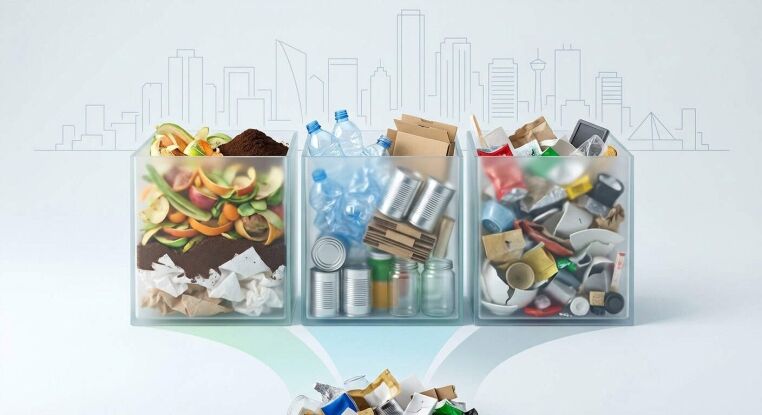
Edmonton’s Waste Sorting System divides household waste into three main streams: blue bags for recyclables, green bins for organic waste, and black bins for general garbage. Proper sorting reduces landfill volume and supports environmental goals, though contamination from improperly sorted items remains a challenge in the area. You Junk It… I Dump It observes that many residents require assistance in correctly categorizing items, especially for bulk or unusual materials not typically handled by curbside collection.
Overview
This guide outlines the proper ways to sort waste, aiming to clarify the distinctions between recycling, composting, and general garbage for residents. We explain how waste is processed after collection and highlight common sorting errors. The article also includes a labeled real-world hypothetical featuring Brenda, offering practical advice for managing household discards.
- System Details: Discover how the local system is structured for different waste types.
- Resident Rules: Find details on proper recycling and composting practices for homes.
- Real-World Example: Learn from Brenda’s hypothetical experience with waste processing.
- Sorting Errors: Identify frequent missteps in household waste separation sorting mistakes.
- Disposal Choices: Review options for handling various materials beyond regular bins waste disposal service.
- Assistance Options: Explore how You Junk It… I Dump It supports responsible disposal.
Edmonton’s Waste Sorting System Explained
The city’s waste sorting system reflects a commitment to reducing landfill waste and increasing resource recovery. It involves residents separating materials into designated streams: recyclables, organics, and general garbage. This structured approach helps ensure materials are processed efficiently and diverted from landfills whenever possible.
For example, in neighborhoods like Inglewood, keeping recycling materials loose in blue bags is a requirement, a practice particularly relevant for older homes where sorting space might be limited. You Junk It… I Dump It observes that many residents benefit from clear guidance on what goes where, especially for items beyond typical household waste.
| Waste Stream | Description |
|---|---|
| Blue Bag Recycling | Collects common recyclables such as paper, cardboard, plastics (types 1, 2, 4, 5, 7), glass bottles, and metal cans. Items should be clean and dry. For more information, explore Edmonton Waste Sorting. |
| Green Bin Organics | Designed for all food scraps, including meat, dairy, and produce, along with yard waste like grass clippings and small branches. Using compostable bags helps manage odors and keeps bins clean. |
| Black Bin Garbage | Holds non-recyclable and non-compostable items, including ceramics, soiled packaging, and certain plastics not accepted in blue bags. This stream is for materials that cannot be processed elsewhere. Learn about Edmonton Junk Disposal for items too large for black bins. |
Recycling and Composting Rules for Residents
Sorting household waste effectively requires knowing what belongs in each bin. Residents here follow specific guidelines for blue bag recycling and green bin composting to keep materials out of landfills. The City of Edmonton waste services schedule dictates collection days, so check your specific address for accurate information.
For items placed in blue bags, all food and beverage containers require rinsing to prevent contamination. Plastic containers, glass jars, and metal cans should go loosely into the blue bag. You Junk It… I Dump It frequently helps residents with bulk items that do not fit these categories, providing options for proper disposal beyond curbside collection. Edmonton Junk Removal
Green bins accept organic waste, including food scraps and yard trimmings. Using compostable bags helps manage odors and maintain cleanliness. These rules extend to apartment buildings, where phased rollouts for food scraps and recycling collection continue to adapt to diverse housing stock. Edmonton Dump Fees
| Recyclable Items (Blue Bag) | Compostable Items (Green Bin) |
|---|---|
| Paper, cardboard, magazines | All food scraps (meat, dairy, vegetables) |
| Plastic containers (bottles, jugs, tubs) | Yard waste (grass clippings, leaves, small branches) |
| Glass jars and bottles | Compostable bags |
| Metal cans (tin, aluminum) | Soiled paper products (pizza boxes, paper towels) |
| Cartons (milk, juice, soup) | Coffee grounds and filters, tea bags |
What Happens to Your Sorted Waste
The journey of sorted waste in Edmonton from collection to its final destination highlights the city’s environmental goals. Contamination from improperly sorted items remains a challenge.
Brenda wants to do her part for Edmonton’s environmental goals but often finds herself unsure about where specific items belong. She’s worried about contaminating the recycling or organic bins and contributing to landfill waste.
Recommendation: Waste Sorting Assistance
You Junk It… I Dump It recommends utilizing their waste sorting assistance service for unusual or bulk materials. This can help ensure all items are correctly categorized, reducing contamination and supporting the city’s environmental objectives.
After curbside collection, materials move to various processing facilities. Recyclables, collected in blue bags, are transported to a Materials Recovery Facility (MRF) where they undergo sorting by material type. This facility uses machinery and manual sorting to separate plastics, papers, metals, and glass. Any improperly sorted items, like food-contaminated containers or non-recyclable plastics, are removed and diverted to landfill. Ultimate guide to recycling household items provides additional details on specific material preparation.
Organic waste from green bins goes to composting facilities. Here, it transforms into nutrient-rich compost suitable for agricultural and landscaping uses. This process significantly reduces the amount of organic material ending up in landfills. We see that effective composting relies heavily on residents correctly separating food scraps and yard waste. Your recycling program offers helpful advice on managing household waste streams.
General garbage, collected in black bins, is sent to waste management centres for further processing or direct landfilling. Even with a sorting system, some items that cannot be recycled or composted still go to the landfill. Ongoing efforts focus on diverting as much material as possible from these sites to reduce environmental impact. In Edmonton, multi-family units in newer developments like Windermere are implementing communal waste sorting systems, reflecting a shift towards more efficient solutions for denser living environments.
Common Waste Sorting Mistakes
Improper waste sorting causes significant issues for recycling and composting facilities, often leading to entire loads being sent to landfills. A frequent error residents make is “wishcycling,” which involves placing items into recycling bins without certainty that they belong there. This practice contaminates otherwise good batches of recyclables, diminishing the effectiveness of Edmonton’s Waste Sorting System.
Other common missteps involve not cleaning food residue from containers or leaving lids attached to bottles and jars. While plastic bottle caps are often made of different materials, it is best to remove them before recycling. You Junk It… I Dump It observes these common mistakes and highlights the trade-off between convenience and proper sorting practices. Edmonton Junk Removal
Correctly sorting waste can sometimes feel like an added chore, but the benefits for the environment are clear. Incorrectly bagged recyclables, for instance, can jam machinery at processing plants. Here is a summary of common errors and their solutions:
| Mistake | Correction |
|---|---|
| “Wishcycling” items | Verify an item is recyclable before placing it in the blue bag. When in doubt, throw it out. |
| Unrinsed food containers | Rinse all food and beverage containers to remove residue. This prevents contamination. |
| Lids on bottles/jars | Remove plastic bottle caps from containers. These are often not the same material as the bottle itself. |
| Bagging recyclables | Place recyclables loosely in blue bags, not inside other bags. Easy Junk Removal |
| Non-compostable items in green bin | Only organic materials belong in the green bin. Check guidelines for accepted items. |
Choosing a Waste Disposal Service
Selecting the right service for waste disposal requires matching the project’s scale and material types with the available options. Consider whether you have general junk, construction debris, or specialized items for disposal.
For household cleanouts or minor renovations, curbside pickup handles typical refuse. However, larger projects often exceed municipal limits and need a dedicated service. Here in Edmonton, residents must consider volume and material restrictions before selecting a disposal method.
You Junk It… I Dump It offers tailored solutions for various waste removal needs, ensuring proper handling and responsible disposal of materials that do not fit into Edmonton’s Waste Sorting System. We frequently assist with larger items that require special transport or processing.
| Service Type | Best For | Cost Drivers | Key Considerations |
|---|---|---|---|
| Curbside Pickup | Everyday household waste, small compostable items | Property taxes | Volume limits, specific collection schedules |
| Bin Rental | Renovations, yard clean-ups, large item disposal | Bin size, rental duration, type of waste, bin sizing | Permit requirements for street placement, weight limits |
| Junk Removal Service | Mixed debris, furniture, appliances, estate cleanouts | Volume of items, labor involved, disposal fees, junk removal cost | Convenience, immediate removal, no personal heavy lifting |
| Eco Stations | Hazardous waste, electronics, large appliances, tires | Some items have disposal fees | Drop-off only, specific operating hours, item restrictions |
How You Junk It Can Help
Proper waste management requires accurate sorting, especially with Edmonton’s waste sorting system. When facing large volumes of material from a cleanout or renovation, residents need efficient methods to dispose of waste correctly. You Junk It… I Dump It offers tailored solutions to simplify this process, helping you manage various waste streams without the hassle of multiple trips to disposal sites.
We observe that many property owners struggle with large item disposal and proper sorting of construction debris. Our services align with the city’s guidelines, ensuring that items are handled according to their category. This prevents contamination and supports local recycling and composting efforts. You Junk It, I Dump It|Reliable Junk Removal offers solutions for many different waste disposal challenges.
When you need assistance, consider these options from You Junk It… I Dump It:
| Service | Best for | Budget Considerations | Reason |
|---|---|---|---|
| Junk Removal | Clearing out single large items or small piles of miscellaneous waste. | Cost-effective for smaller jobs; pricing depends on volume. | We pick up directly from your location, sorting items for proper disposal or recycling. |
| Bin Rental | Home renovations, construction projects, or large-scale cleanouts. | Good value for significant waste volumes; costs vary by bin size and rental duration. | Provides a convenient on-site solution for sorting and holding debris until pickup. Bin Sizing options are available to match project needs. |
| Waste Sorting Advice | When you need clarification on specific items or materials. | Included with service; helps avoid contamination fees. | Our team provides guidance on proper sorting for items before removal, supporting the city’s recycling and composting goals. |
You Junk It… I Dump It recommends bin rentals for large projects where waste accumulation is consistent, as this helps maintain a tidy site while adhering to Edmonton’s waste sorting system requirements.
FAQ
To help clarify common inquiries about Edmonton’s Waste Sorting System, we’ve compiled answers to some frequently asked questions below.
| Question | Answer |
|---|---|
| What are the main waste streams in Edmonton’s system? | Edmonton’s waste sorting system uses three main streams for household waste. These include blue bags for recyclables, green bins for organic waste, and black bins for general garbage. Proper sorting helps reduce landfill volume and supports environmental goals. |
| How should residents prepare recyclables for the blue bag? | Residents should place common recyclables like paper, cardboard, certain plastics, glass, and metal cans loosely into the blue bag. It is important to rinse food and beverage containers to prevent contamination. Items should be clean and dry before disposal. |
| What items are accepted in the green bin for organic waste? | The green bin is designed for all food scraps, including meat and dairy, as well as yard waste such as grass clippings and small branches. Using compostable bags can help manage odors and keep the bins clean. |
| What is a common sorting mistake that leads to contamination in Edmonton? | A frequent error is "wishcycling," where residents place items in recycling bins without confirming they are accepted. This contaminates entire batches of recyclables. Not rinsing food residue from containers and leaving lids on bottles and jars are also common issues. |