

Answer
The City of Edmonton provides a detailed four-bin waste system for residential properties, separating garbage, organics, recycling, and large items to promote environmental responsibility. You Junk It… I Dump It supports these efforts by offering services for items that do not fit into the standard bins, ensuring proper disposal or recycling for larger loads. This Edmonton waste sorting guide helps residents direct various materials to their correct destinations, reducing landfill contributions and increasing resource recovery.
Overview
This guide helps residents sort waste effectively, detailing the city’s approach to different material types. It covers what belongs in each bin, items that cannot go into standard collection, and specific handling instructions for various waste categories.
The article also includes a labeled real-world hypothetical featuring Brenda, offering practical examples for household waste decisions. You will find tips for holiday waste and how professional disposal services can assist with larger projects.
- Bin System: Learn about the city’s four-bin waste system for organized disposal bin system.
- Unrecyclable Items: Find out which common household items do not belong in regular recycling cannot recycle.
- Real-World Example: See how Brenda tackles specific waste sorting challenges at home proper sorting.
- Holiday Tips: Get practical advice for managing waste during festive seasons holiday sorting tips.
- DIY Limits: Determine when personal waste sorting efforts may not suffice DIY waste sorting.
- Disposal Options: Explore professional services for efficient and compliant waste removal professional disposal.
Edmonton’s 4-Bin System Explained
Edmonton’s waste collection system provides residents with a structured approach to waste management. This system helps keep materials out of landfills through clear sorting guidelines. Residents typically use a combination of bins for garbage, organics, and recycling, plus special arrangements for larger items.
The system is designed to handle various household wastes efficiently. Many homes, particularly in areas like Old Strathcona, need to place their waste carts carefully due to narrow driveways. This requires adherence to the Edmonton waste sorting guide for proper curbside collection. We see this firsthand when providing Edmonton junk removal to local residents.
| Bin Type | Primary Contents |
|---|---|
| Black Bin (Garbage) | Non-recyclable, non-compostable items such as Styrofoam, plastic bags, broken ceramics, and diapers. |
| Green Bin (Organics) | Food scraps, yard waste, soiled paper products, and pet waste. |
| Blue Bags (Recycling) | Clean paper, cardboard, plastic containers (numbered 1-7), metal cans, and glass bottles. what goes where for specific items. |
| Large Item Pickup | Furniture, appliances, mattresses, and other bulky items that do not fit in regular bins. Book these collections directly through the city or arrange for bin sizing with a private service. |
Common Items You Cannot Recycle
Many items homeowners believe are recyclable actually cannot be processed by standard facilities due to material composition or contamination. Placing these materials in recycling bins causes issues at sorting plants, increasing costs and potentially diverting otherwise good batches to landfills. We see this often in our operations, where improperly sorted bins slow down the entire disposal process.
What are 5 things that cannot be recycled through typical curbside programs? Common problematic items include plastic bags, Styrofoam, electronics, batteries, and certain types of glass. These items require special handling or alternative disposal methods to prevent damage to recycling machinery or environmental harm. For larger or unusual items, Edmonton junk removal offers a solution.
| Item | Reason for Non-Recyclability | Recommended Disposal Method |
|---|---|---|
| Plastic Bags & Film | Tangle machinery, causing breakdowns and delays. | Take to designated grocery store drop-offs or use for garbage. |
| Styrofoam (Polystyrene Foam) | Lightweight, breaks into small pieces, contaminates other recyclables. | Place in black garbage bin; some Eco Stations accept larger pieces. |
| Electronics (E-Waste) | Contain hazardous materials and valuable components needing specialized recovery. | Drop off at Eco Stations or designated e-waste collection sites. |
| Batteries | Pose fire hazards and contain toxic chemicals. | Recycle at specific battery drop-off locations, often found at retail stores. |
| Ceramics & Dishes | Have different melting points and compositions than glass, contaminating glass recycling. | Dispose of in the black garbage bin or donate if reusable. |
| Diapers & Pet Waste | Highly unsanitary and contaminate recycling streams. | Seal in bags and place in the black garbage bin. |
| Medical Waste | Biohazards pose serious health risks to workers. | Follow specific protocols for sharps and medications; consult a medical professional for guidance. |
| Garden Hoses | Tangle in sorting equipment, similar to plastic bags. | Dispose of in the black garbage bin. |
You Junk It… I Dump It supports responsible waste management by accepting various non-recyclable items for proper disposal or specialized recycling. If you are unsure about an item, consult the local Edmonton waste sorting guide or consider a professional junk removal service.
Proper Sorting for Specific Waste Types
Ensuring proper disposal of items not fitting into standard bins often presents a challenge for many households. Knowing where to send specific waste types beyond the usual bins helps maintain a clean community.
Brenda is committed to following Edmonton’s waste sorting guidelines but is overwhelmed by a recent garage clean-out. She has several bulky items and materials that don’t fit into her regular garbage, organics, or recycling bins. How can Brenda best handle large or unusual waste items not covered by the standard four-bin system?
Recommendation: Utilizing a specialized junk removal service
You Junk It… I Dump It recommends using a specialized junk removal service for items that cannot be placed in standard bins. This ensures that larger loads are handled efficiently and disposed of or recycled according to local guidelines, supporting your efforts in proper waste management.
Holiday Waste Sorting Tips for Edmonton
The holiday season often brings an increase in household waste, including specific items like wrapping paper, festive packaging, and food scraps. Correct sorting helps divert materials from landfills, supporting local environmental initiatives. We often see confusion around items like glitter-covered wrapping paper or certain food containers during peak holiday times here.
Sorting these seasonal items correctly aligns with the goals of an Edmonton waste sorting guide by keeping recyclable materials in their proper streams. When planning for holiday cleanups, consider the specific requirements for each waste type to ensure efficient disposal. This also minimizes potential issues with regular waste collection.
- Separate clean, non-metallic wrapping paper and paper gift bags for blue bag recycling; glitter, foil, and plastic-coated papers belong in the black bin.
- Place food waste, including turkey carcasses, fruit and vegetable scraps, and soiled paper napkins, into your green bin for composting.
- Break down cardboard boxes from gifts and deliveries, then flatten them for blue bag recycling.
- Recycle plastic packaging marked with a recycling symbol in your blue bag, ensuring items are clean and dry.
- Dispose of string lights that no longer work at Eco Stations or designated drop-off points, as they are not accepted in blue bag recycling.
- Consider donating unwanted gifts or household items to local charities, which helps extend their lifespan and reduces waste.
- Use reusable gift bags and containers whenever possible to minimize waste generation from the start.
When DIY Waste Sorting Isn’t Enough
While an Edmonton waste sorting guide helps with everyday items, some situations require more than standard curbside bins. Large cleanouts, renovation debris, or specialized waste materials often exceed residential collection limits. Attempting to manage these without proper resources can lead to fines or improper disposal.
For example, You Junk It… I Dump It frequently observes that construction projects often generate waste too heavy or bulky for municipal services. Homeowners might struggle with large appliances, old furniture, or significant amounts of yard waste after a major landscaping project. When these situations arise, professional assistance ensures proper handling and disposal, saving time and preventing potential issues.
| Situation | Professional Service |
|---|---|
| Major home cleanouts | Efficient removal of large volumes of mixed junk. |
| Renovation or construction debris | Safe disposal of materials like drywall, wood, and concrete. Edmonton junk removal can handle these loads. |
| Large appliance disposal | Proper recycling or disposal of items such as refrigerators or washing machines. |
| Yard waste after extensive landscaping | Collection of branches, soil, and other organic matter beyond green bin capacity. |
| Hazardous or specialized waste | Ensures compliance with local regulations for difficult items. Junk removal types cover these needs. |
Professional Waste Disposal Options
When household bins and municipal services cannot handle specific waste, professional disposal offers a solution. This includes oversized items, construction debris, or materials not accepted in regular collections. Homeowners often need this service during renovations, large cleanouts, or estate clear-outs when regular bins are insufficient.
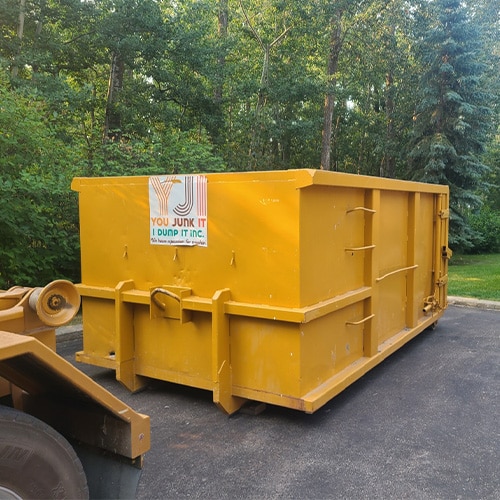
You Junk It… I Dump It provides various options for disposing of items beyond the scope of a typical Edmonton waste sorting guide. We manage everything from appliance removal to construction site debris, ensuring proper handling and responsible disposal. Our Edmonton junk removal services save time and effort, especially for bulky or numerous items that require specialized transport.
| Best for | Option | Budget | Reason |
|---|---|---|---|
| Large Household Cleanouts | Full-Service Junk Removal | Medium to High CAD | Convenient; crews handle all lifting and loading. |
| Renovations & Construction | Bin Rental (various sizes) | Medium CAD | Ideal for ongoing projects; allows for self-loading. |
| Single Bulky Items | Specific Item Pick-Up | Low to Medium CAD | Cost-effective for furniture, appliances, or mattresses. |
| Yard Waste Cleanup | Seasonal Debris Removal | Low to Medium CAD | Handles branches, leaves, and other organic materials after seasonal yard work. |
You Junk It… I Dump It recommends professional waste disposal when residents face large volumes of mixed materials or items too heavy for regular collection. Our services help homeowners avoid fines and ensure materials are processed correctly, reducing their environmental impact. We see many homeowners choose professional help for items like old appliances or extensive garden waste, where the physical effort and specific disposal requirements make DIY difficult.
FAQ
This Edmonton waste sorting guide addresses common questions about proper disposal methods for various items, ensuring you can navigate the city’s recycling and waste programs effectively.
| Question | Answer |
|---|---|
| What should I do with plastic bags and film that cannot go in my blue bag? | Plastic bags and film tangle recycling machinery, causing breakdowns and delays. These items should not be placed in blue bags. Take them to designated grocery store drop-off locations or use them as garbage. |
| How can Brenda manage a garage clean-out with bulky items not fitting standard bins? | For a garage clean-out with bulky items that do not fit into regular garbage, organics, or recycling bins, Brenda can best handle these by utilizing a specialized junk removal service. This ensures larger loads are handled efficiently and disposed of or recycled according to local guidelines. |
| Which types of waste are problematic for standard Edmonton curbside recycling programs? | Problematic items for standard curbside recycling include plastic bags, Styrofoam, electronics, batteries, and ceramics. These items require special handling or alternative disposal methods to prevent damage to recycling machinery or environmental harm. |
| When is professional waste disposal the best option for residents in Edmonton? | Professional waste disposal is the best option when dealing with large volumes of mixed materials, renovation debris, or items too heavy for regular collection. This includes situations like major home cleanouts, construction projects, or disposing of large appliances and extensive yard waste. |