

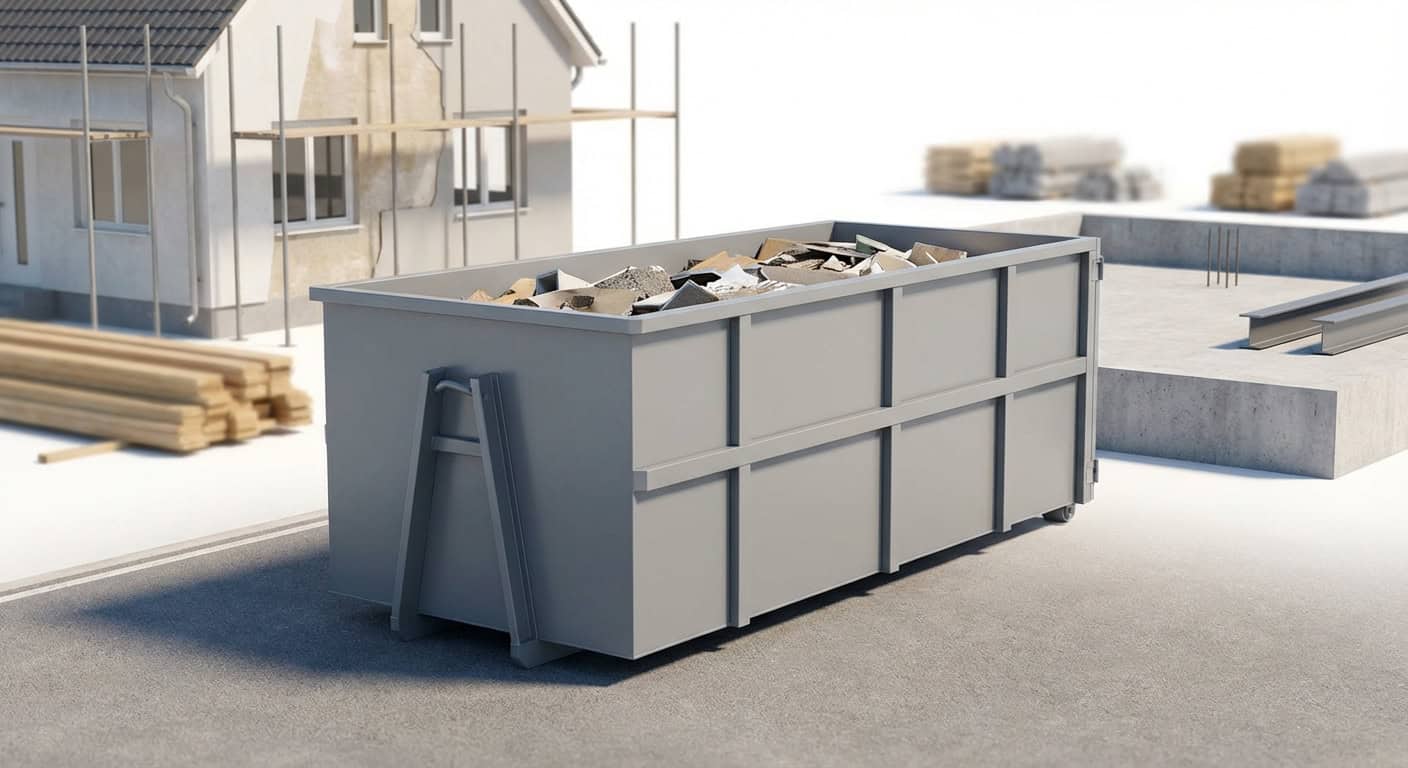
A large gray waste container filled with construction debris at an active building site, with stacks of wood and concrete structures in the background.

Unlock Easier Projects: Dumpster Rental Guide

This dumpster rental guide will help you simplify your project by providing essential information for efficient waste management. Whether you’re undertaking a home renovation, a major cleanout, or a landscaping overhaul, understanding your options for small dumpster rentals is key.

Choosing the right dumpster size and service can significantly reduce stress and improve the efficiency of your work. Our guide to choosing dumpster size is designed to meet diverse project needs, from minor decluttering to substantial debris removal.

We aim to clarify the process, ensuring you can easily manage waste and keep your project on track. Discover how a well-chosen small dumpster can transform your project experience and help you achieve a cleaner, more organized outcome.

This dumpster rental guide offers valuable insights into selecting the ideal small dumpster for your project, ensuring efficient waste disposal and a smoother workflow.

For more details on making your project easier, explore our dumpster size selection guide or contact our team for personalized assistance.

What is a Small Dumpster Rental?

A small dumpster rental provides a convenient and efficient solution for managing waste from various projects, helping to simplify your project. These compact containers are ideal for homeowners and small businesses tackling renovations, cleanouts, landscaping, or minor construction jobs. Unlike larger industrial bins, small dumpsters are designed for accessibility and ease of use in residential or confined spaces.

The primary purpose of opting for a small dumpster is to streamline waste disposal, making it less of a chore and more of an integrated part of your project plan. By having a dedicated receptacle on-site, you can collect debris as you go, avoiding multiple trips to a disposal facility and keeping your workspace tidy and safe. This method offers a significant advantage over traditional junk removal services for projects with ongoing waste generation.

When you rent a small dumpster, you essentially lease a container for a specified period, typically ranging from a few days to a week. The rental service delivers the dumpster to your location and picks it up once you’ve filled it or when the rental period concludes. This comprehensive dumpster rental service includes the cost of delivery, pickup, and disposal, offering a hassle-free waste management solution. Choosing the correct size is crucial, and our guide on how to choose the right dumpster size can help.

Small dumpsters are a practical choice for numerous scenarios, including:

  • Home decluttering and garage cleanouts
  • Minor bathroom or kitchen remodels
  • Yard waste removal from gardening or small landscaping projects
  • Post-event cleanup for gatherings
  • Roofing projects with limited debris

This approach not only saves time but also often proves more cost-effective than continuous hauling for projects generating a moderate amount of waste. Understanding what a small dumpster rental entails is the first step to confidently manage your project’s waste needs.

A small dumpster rental simplifies your project by providing a convenient and efficient way to manage waste from various tasks like home cleanouts or minor renovations.

Explore our comprehensive junk removal services to find the perfect waste solution for your next endeavor.

Core Principles of Efficient Dumpster Rental

To simplify your project, understanding the core principles of efficient dumpster rental is key. These principles guide you in making informed decisions, from selecting the right size to managing waste effectively. Adhering to these best practices ensures a smooth, cost-effective, and hassle-free experience. For instance, learning how to choose the right dumpster size is crucial for any project.

An efficient dumpster rental process hinges on several fundamental steps, ensuring your project remains on track and within budget. Our comprehensive dumpster rental services are designed to support these principles, and understanding how to choose the right dumpster size is a crucial first step.

  • Accurate Sizing: Choosing the correct dumpster size prevents both overspending on an oversized bin and the inconvenience of needing multiple smaller ones. Assess your waste volume carefully. Learn more about bin sizing to make the best choice.
  • Strategic Placement: Plan where the dumpster will be placed to ensure easy access for loading and pickup, without obstructing public access or damaging property.
  • Permit Awareness: Always check local regulations regarding permits for dumpster placement, especially if it will be on public property. This avoids potential fines and delays.
  • Waste Segregation: Separating recyclable materials from general waste can sometimes reduce disposal costs and supports environmental sustainability. Refer to our waste disposal tips for more guidance.
  • Timely Scheduling: Book your dumpster in advance, particularly during peak seasons, to ensure availability and timely delivery and pickup. This helps simplify your project timeline.
  • Understanding Prohibited Items: Be aware of materials that cannot be placed in a standard dumpster, such as hazardous waste. Proper disposal of these items is crucial.
  • Efficient Loading: Load the dumpster evenly and efficiently, breaking down larger items where possible, to maximize space and avoid overfilling. Our junk removal process can assist with complex items.

Understanding these core principles for efficient dumpster rental can significantly simplify your project, making waste management straightforward and stress-free.

Dumpster Rental Costs: What to Expect

Understanding the costs associated with small dumpster rentals is crucial for effective project planning. Knowing what to expect financially can help you budget accurately and ultimately simplify your project.

Several factors influence the overall price of a dumpster rental. These can include the size of the dumpster, the duration of the rental, and the type of materials you plan to dispose of. Our detailed pricing page offers more specific information.

Most rental services, like our dumpster rental services, offer transparent pricing structures. This ensures there are no hidden fees, allowing you to clearly see the value you receive. For a better understanding of potential expenses, consider reviewing our guide on junk removal costs for more.

To help you budget and simplify your project, here are the primary components that typically make up dumpster rental costs:

Choosing the right dumpster size is essential for cost-effectiveness and efficiency; learn more about how to choose the right dumpster size for your project.

  • Dumpster Size: Larger dumpsters generally cost more than smaller ones due to their increased capacity and transportation requirements.
  • Rental Duration: Standard rental periods usually last for a set number of days. Extending this period often incurs additional daily or weekly fees.
  • Type of Debris: Certain materials, such as heavy construction debris (concrete, dirt) or hazardous waste, may have specific disposal fees or be subject to weight limits. For example, disposing of yard waste may incur different charges than general household trash.
  • Weight Limits: Dumpster rentals often come with a predetermined weight allowance. Exceeding this limit will result in overweight charges.
  • Location: Rental prices can vary based on your geographic location due to differences in local disposal fees and transportation costs.

When comparing services, always inquire about all potential charges upfront. This proactive approach helps avoid surprises and ensures the dumpster rental experience continues to simplify your project without unexpected financial burdens.

Understanding dumpster rental costs is essential for any homeowner or contractor looking to manage waste efficiently and simplify their project. Being informed about pricing factors ensures a smooth and budget-friendly experience.

Choosing the Right Small Dumpster Size

Selecting the appropriate dumpster size is crucial for efficient waste management. For smaller projects, understanding the various bin sizes available can help you make an informed decision, so consider exploring bin sizing options to match your needs.

Selecting the appropriate small dumpster size is a crucial step to simplify your project, ensuring efficient waste removal without overspending or running out of space. This guide will walk you through common sizes and key considerations, helping you make an informed decision for your specific needs. If you’re weighing options, understanding the benefits of professional junk removal services can also be helpful.

Understanding Common Dumpster Dimensions

Small dumpsters are typically measured in cubic yards, representing the volume of material they can hold. Knowing these dimensions helps visualize the capacity and allows you to better plan for your project’s waste output. We offer various sizes to simplify your project, catering to everything from minor cleanups to moderate renovations.

  • 2-Yard Dumpster: Often suitable for small-scale projects like garage cleanouts, minor landscaping debris, or a few furniture pieces.
  • 5-Yard Dumpster: Ideal for slightly larger tasks, such as bathroom remodels, shed cleanouts, or significant yard waste removal.
  • 10-Yard Dumpster: A popular choice for residential cleanouts, small deck demolitions, or single-room renovation projects.
  • 14-Yard Dumpster: Offers ample space for larger home cleanouts, kitchen remodels, or construction debris from a small addition.

Matching Dumpster Size to Your Project

The type and scale of your project directly influence the ideal dumpster size. To effectively simplify your project, consider the volume and nature of the materials you plan to discard. For instance, dense construction debris will fill a dumpster faster by weight than lighter household junk. For more detailed guidance, consult how to choose the right dumpster size for your project, or learn about how to recycle paper at home.

  1. Home Cleanouts: For decluttering a single room or attic, a 2- or 5-yard dumpster often suffices. Whole-house cleanouts or estate clear-outs may require a 10-yard or 14-yard container.
  2. Renovations: A bathroom remodel might fit a 5-yard dumpster, while a kitchen renovation or small addition typically needs a 10-yard or 14-yard size.
  3. Landscaping Projects: Garden clear-outs with soil, branches, and small shrubs usually work well with a 5- or 10-yard dumpster. Larger tree removal or extensive yard work may require more capacity.
  4. Demolition: Small demolition projects, like removing a shed or small deck, often align with a 10-yard dumpster. Heavier materials like concrete or asphalt should be discussed with our team due to weight restrictions.

Key Factors Influencing Your Decision

Beyond the sheer volume of waste, several other factors can impact your choice of dumpster size, all contributing to how well you simplify your project. Thinking through these points ensures you select the most practical and cost-effective option, such as understanding the differences in 20 vs 30 yard bin rental.

  • Type of Waste: Heavy materials such as concrete, dirt, or asphalt take up less visual space but quickly reach weight limits. Lighter, bulky items like furniture or brush fill space quickly without adding much weight.
  • Project Duration: If your project spans several days or weeks, having a slightly larger dumpster might prevent the need for multiple pickups or exchanges, streamlining your workflow.
  • Space Constraints: Consider the available space at your location for placing the dumpster. Smaller driveways or tight spots may necessitate a more compact dumpster size.
  • Future Needs: If you anticipate generating more waste than initially planned, choosing a slightly larger size upfront can prevent unexpected costs or delays from needing a second dumpster.

Selecting the correct dumpster size is essential to efficiently manage waste and simplify your project, ensuring a smooth and cost-effective cleanup.

For personalized assistance with your waste removal needs, explore our comprehensive dumpster rental services.

Understanding Dumpster Sizes

To truly simplify your project, understanding dumpster sizes is crucial for efficient waste management. Dumpsters are typically measured in cubic yards, which indicates the volume of material they can hold. Visualizing these sizes helps you choose the most appropriate container for your specific needs, preventing both overspending on a too-large unit and the inconvenience of a too-small one.

Small dumpsters are ideal for many residential and light commercial projects. Common sizes range from 5 to 20 cubic yards, each suited for different amounts and types of debris. Knowing the dimensions helps you plan for placement on your property and estimate how much waste you can dispose of in a single rental. For a comprehensive overview of dumpster dimensions and their applications, consult our guide on bin sizing.

  • 5-Yard Dumpster: These compact units are perfect for small cleanouts or minor landscaping tasks. They generally hold the equivalent of about 2-3 pickup truck loads.
  • 10-Yard Dumpster: A popular choice for garage clear-outs, small renovation debris, or yard waste. This size can typically accommodate 3-5 pickup truck loads. For more information on various dumpster rental services, you can explore available options.
  • 15-Yard Dumpster: Often used for medium-sized remodeling projects or multi-room cleanouts. It holds roughly 6-8 pickup truck loads of material.
  • 20-Yard Dumpster: The largest of the “small” category, suitable for larger home renovations, roofing projects, or extensive decluttering. This size can manage about 8-10 pickup truck loads, helping to simplify your project. Proper waste disposal tips can help maximize capacity.

Our team can assist you in selecting the right dumpster size based on your project details, ensuring you get the most value and convenience. Accurate sizing prevents delays and additional costs associated with needing a second dumpster. To help you decide, review our guide on how to choose the right dumpster size for your project.

What Fits Your Needs?

Matching the right dumpster size to your specific project is crucial to truly simplify your project. Different undertakings generate varying amounts and types of waste, requiring careful consideration to avoid overfilling or renting a dumpster that is too large. For more detailed guidance on selecting the appropriate bin, consult our guide to dumpster sizes.

For common household tasks, a small dumpster rental can be ideal. For instance, when decluttering a garage or attic, a 5-yard dumpster might suffice. For more extensive tasks like a full home cleanout or preparing for a move, you might need a larger option.

  • Home Renovations: When undertaking a kitchen or bathroom renovation, a 10-yard dumpster is often a good starting point for debris like old cabinets, drywall, and tiles. For larger renovation projects, consider a 15-yard dumpster to accommodate more substantial waste, ensuring you simplify your project without interruption. You can find more details on renovation waste disposal on our blog.
  • Yard Work and Landscaping: For garden clean-ups, bush removal, or small tree trimming, a 5-yard or 10-yard dumpster can efficiently handle green waste. These sizes are perfect for spring cleaning your yard or tackling minor landscaping overhauls. Learn more about yard waste disposal for more.
  • Junk Removal: If you’re simply clearing out old furniture, appliances, or accumulated household junk, a 10-yard dumpster is a popular choice for junk removal for more. This size provides ample space for a variety of items, making it easy to simplify your project.
  • Small Construction Jobs: For projects like deck demolition or fence replacement, a 15-yard dumpster offers sufficient capacity for wood, concrete pieces, and other construction debris. Our dumpster rental services are designed to meet diverse project demands.

Choosing the correct size from the outset helps you simplify your project logistics and avoid potential extra costs from needing additional pickups or larger bins later on. Always assess the volume and type of waste before making your selection.

A well-chosen small dumpster rental can significantly simplify your project, ensuring efficient waste management for renovations, cleanouts, or landscaping.

Consider exploring our dumpster rental options to find the perfect fit for your needs.

Factors Affecting Size Choice

When you seek to simplify your project with a dumpster rental, selecting the correct size involves more than just estimating the volume of waste. Several critical factors influence this decision, ensuring efficiency and cost-effectiveness for your particular needs. For more detailed advice, check out our guide on how to choose the right dumpster size for your project.

Project duration is a key consideration. For short, intense cleanouts, a larger dumpster might be practical to contain all waste at once. Conversely, a longer project might benefit from scheduled pickups of a smaller dumpster, as detailed in our guide to the junk removal process.

Site accessibility plays a crucial role in determining the ideal dumpster size. Limited space, narrow driveways, or tight turns can restrict the size of the dumpster that can be delivered and placed safely. Always assess your property’s access points before making a final decision.

The type of waste you plan to dispose of also significantly impacts your choice. Heavy materials like concrete, dirt, or asphalt quickly add up in weight, often necessitating smaller dumpsters or specific types of waste disposal services, such as our hauling services, even if the volume seems manageable.

Finally, understanding local regulations can help simplify your project. Some municipalities have restrictions on dumpster placement or require permits for larger units on public property. Our bin sizing team can help you navigate these requirements, especially when dealing with construction debris.

Choosing the right dumpster size involves evaluating project scope, site constraints, and waste type to effectively simplify your project.

For personalized guidance on selecting the perfect dumpster, explore our comprehensive services.

Key Services for a Seamless Rental

To truly simplify your project, understanding the key services offered by a dumpster rental provider is essential. These services go beyond just dropping off a container; they encompass a full spectrum of support designed to make your waste management effortless from start to finish.

A comprehensive dumpster rental service ensures that every aspect of your project’s waste disposal is handled with professionalism and efficiency. This seamless approach allows you to focus on the task at hand without the added stress of waste removal logistics. For instance, knowing how to choose the right dumpster size for your project can prevent costly mistakes and ensure efficiency.

  • Prompt Delivery and Pickup. Timely delivery and pickup are crucial for keeping your project on schedule. Reliable services ensure your dumpster arrives when you need it and is removed promptly upon completion, helping you to simplify your project timeline.
  • Reliable Customer Support. Access to knowledgeable and responsive customer support can make a significant difference. Whether you have questions about rental periods or waste types, our team is ready to assist.
  • Variety of Dumpster Sizes. Offering a range of dumpster sizes means you can find the perfect fit for your specific project, preventing overspending on too large a container or needing multiple small ones. This variety helps simplify your project by matching capacity to your needs.
  • Transparent Pricing. Clear and upfront pricing ensures you understand all costs involved without hidden fees. This transparency helps you budget effectively and simplify your project’s financial planning.
  • Waste Disposal Expertise. Professional services possess expertise in proper waste sorting and disposal regulations. They can guide you on what materials are accepted, including junk removal items, ensuring environmentally responsible practices.

Benefits of Professional Small Dumpster Rental

When undertaking a home renovation or a significant cleanout, renting a small dumpster can be incredibly beneficial. It provides a convenient and efficient way to manage waste, keeping your property tidy and safe. For those in the area, exploring local junk disposal options can help you find the best service for your needs, ensuring timely pickup and responsible disposal.

Steps to Renting Your Small Dumpster

Understanding the process for renting a small dumpster is crucial to successfully pSimplify your project. A clear, step-by-step approach ensures efficiency and helps you manage your waste removal effectively from start to finish. For instance, knowing how to choose the right dumpster size is a key first step.

From initial contact to final pickup, each stage is designed to make your experience as smooth as possible. By familiarizing yourself with these steps, you can confidently proceed with your project, knowing your waste management is in capable hands.

  1. Contact Us for a Quote. The first step is to reach out for an accurate quote. You can visit our contact page or call us directly to discuss your project needs and receive transparent pricing.

  2. Choose Your Dumpster Size. Based on your project’s scope, our team will help you select the ideal small dumpster size. This ensures you have enough capacity without overpaying for unused space, helping you pSimplify your project planning. For guidance on selecting the correct size, check out our guide to choosing dumpster sizes.

  3. Schedule Delivery. Once the size is determined, we’ll arrange a convenient delivery time for your dumpster. Our professional dumpster rental service ensures timely placement at your specified location.

  4. Fill the Dumpster. With the dumpster on-site, you can begin filling it with your waste materials. Remember to distribute the load evenly and adhere to any weight limits or prohibited items discussed during your booking. Proper waste sorting can help reduce disposal fees; consult our Edmonton waste sorting guide for best practices.

  5. Schedule Pickup. When your project is complete or the dumpster is full, simply contact us to schedule the pickup. Our team will promptly remove the dumpster, completing your waste management cycle.

Renting a small dumpster can significantly simplify your project by providing a streamlined waste disposal solution. Following these straightforward steps ensures a hassle-free experience.

For more information or to begin your rental, explore our comprehensive junk removal services.

Dumpster Styles and Types for Every Need

Understanding the various dumpster styles and types is essential to successfully simplify your project. Different designs are optimized for specific waste materials and project sizes, ensuring efficiency and cost-effectiveness. Choosing the right one can prevent logistical headaches and additional expenses.

Our comprehensive dumpster rental guide will help you navigate these options, allowing you to select the perfect solution for your cleanout or renovation. Matching the dumpster to your specific requirements is key to a smooth waste management process. For detailed guidance on selecting the appropriate size, consult our guide to choosing the right dumpster size.

Here’s a breakdown of common small dumpster types and their ideal applications:

Dumpster TypeIdeal Uses
Roll-Off DumpstersPerfect for construction debris, home renovations, and large cleanouts. Their open top and rectangular shape make loading easy for bulky items.
Front-Load DumpstersTypically used for commercial businesses needing regular waste collection. They are not usually rented for one-time residential projects.
Trailer DumpstersMore versatile for residential use, these can be parked in tighter spaces than traditional roll-offs and are often preferred for driveways.
Junk Removal BagsA flexible option for smaller projects or when space is extremely limited. These heavy-duty bags can hold a surprising amount of waste, making them a great alternative if you need to simplify your project with minimal disruption.

Considering the weight and volume of your anticipated waste is crucial when selecting a dumpster. For instance, heavy materials like concrete or dirt require specialized dumpsters or smaller capacities to avoid exceeding weight limits. Our team can help you determine the best option based on your waste disposal needs, whether you’re preparing for seasonal cleaning like fall or spring cleanups for more.

Selecting the appropriate dumpster style and type is a critical step to simplify your project, ensuring efficient waste management for any task.

Frequently Asked Questions About Small Dumpster Rentals

Choosing the right dumpster size is essential for efficient waste management and can significantly impact your project’s budget and timeline. Understanding the different dimensions and capacities available will help you make an informed decision for your specific needs; explore our contractor waste disposal guide for more details.

Navigating the options for waste disposal can be complex, but a small dumpster rental can simplify your project significantly. This section addresses common questions about small dumpster rentals, providing clarity and reassurance to help you make informed decisions.

Understanding the rental process and what to expect ensures a smooth experience. Our goal is to tackle potential concerns and provide clear answers, making it easier for you to plan your project. If you have more questions, feel free to contact our team.

What is a Roll-Off Dumpster?

A roll-off dumpster is a large, open-top waste container characterized by its rectangular shape and wheels, which allow it to be rolled off a specialized truck and placed directly on your property or job site. These dumpsters are ideal for handling significant amounts of debris from various projects.

They are commonly used for construction waste, home renovations, cleanouts, and landscaping jobs. The design of a roll-off dumpster makes loading easy, as waste can be thrown in from the top or, in some cases, walked in through a hinged door at one end. For those in the Edmonton area, you can explore options for junk bin rentals to manage your waste effectively.

  • Convenience: Delivered directly to your location.
  • Capacity: Available in various sizes to suit different project scales.
  • Versatility: Suitable for a wide range of waste materials.
  • Efficiency: Simplifies waste management for large projects.

How Does Dumpster Pricing Work?

Dumpster rental pricing typically involves several factors, which can vary depending on the provider and your location. Understanding these components will help you anticipate the total cost and simplify your project budget.

Most companies use a flat-rate pricing model for small dumpster rentals, which includes the delivery, pickup, and disposal fees up to a certain weight limit. Exceeding this weight limit usually incurs additional charges, often calculated per ton. For contractors, learning about efficient job site cleanup can also help manage costs.

Other factors that can influence the price include:

  • Rental Period: Standard rental periods are often 7 to 10 days, with extra fees for extensions.
  • Type of Debris: Some materials, like concrete or hazardous waste, may have different pricing or restrictions.
  • Location: Distance from the disposal facility can impact transportation costs.
  • Permits: If the dumpster needs to be placed on public property, a permit fee may apply.

What Items Are Prohibited in a Dumpster?

Knowing what can and cannot go into a dumpster is crucial for avoiding fines and ensuring proper disposal. For instance, hazardous materials, electronics, and certain types of chemicals are typically prohibited. If you’re unsure about specific items, it’s always best to consult with your provider or review their guidelines. For guidance on choosing the right size bin for your needs, consider how to choose the right dumpster size for your project.

While a dumpster rental guide can help simplify your project by managing waste, it’s crucial to be aware of prohibited items. Certain materials cannot be disposed of in a standard dumpster due to environmental regulations, safety concerns, or specific handling requirements.

These restrictions are in place to protect the environment and ensure the safety of waste management personnel. Always check with your rental provider for a complete list of prohibited items, as regulations can vary. For instance, understanding Edmonton waste sorting can help you determine what’s acceptable.

Commonly prohibited items include:

  • Hazardous waste (paints, solvents, chemicals)
  • Asbestos
  • Batteries
  • Tires
  • Appliances with refrigerants (refrigerators, AC units)
  • Oils and fuels
  • Medical waste
  • Propane tanks

This dumpster rental guide offers essential insights into small dumpster rentals, helping you simplify your project waste management with ease and efficiency. Make informed choices for a smoother cleanup.

For more detailed information or to book your dumpster, explore our dumpster rental services or contact us directly.

What can I put in the dumpster?

Understanding what materials are accepted in a rental dumpster is crucial to avoid complications and to simplify your project effectively. Most dumpster rental services have specific guidelines to ensure safety and compliance with waste disposal regulations. Knowing these guidelines upfront helps prevent additional fees or issues during pickup.

Generally, small dumpsters are ideal for a variety of common waste types generated from home renovations, cleanouts, and landscaping projects. This flexibility makes them a popular choice for many residential and commercial needs.

Commonly accepted items in small dumpsters include:

  • Household junk such as furniture, toys, and general clutter.
  • Construction debris like drywall, wood, flooring, and non-hazardous building materials.
  • Yard waste including branches, leaves, and grass clippings.
  • Appliances without refrigerants, such as washing machines or ovens.

However, there are several items that are universally prohibited due to environmental hazards or disposal challenges. These restrictions are in place to protect both workers and the environment from harmful substances. For more detailed information on responsible disposal, you can explore our waste disposal tips for more.

Prohibited items typically include:

  • Hazardous waste, including paints, oils, chemicals, and asbestos.
  • Tires and batteries, which require specialized recycling.
  • Flammable materials and explosives.
  • Refrigerants and items containing them, like refrigerators or air conditioners.
  • Medical waste.

Always confirm with your dumpster rental provider about their specific list of accepted and prohibited materials before loading. This will ensure a smooth process and help you to simplify your project without any unexpected hurdles. If you have items that cannot go into a dumpster, our junk removal services can often handle those specialized disposals.

This section clarifies which items are acceptable for disposal in a small dumpster rental, helping you manage waste efficiently and simplify your project without issues.

How long can I keep it?

Understanding the rental period for your dumpster is crucial to successfully pSimplify your project. Most dumpster rental services offer standard rental durations, typically ranging from a few days to a week. This timeframe is often sufficient for many home improvement tasks or cleanouts. For help deciding on the right size, check out our guide on how to choose the right dumpster size for your project.

However, project timelines can be unpredictable. You might find that your renovation takes longer than expected, or you uncover more debris than anticipated during a decluttering effort. Flexibility in your rental agreement can be a significant advantage.

Many providers offer options for extending your rental period beyond the initial agreement. It’s always best to discuss these possibilities when you first inquire about dumpster rental services. Some companies may charge a daily or weekly fee for extensions, while others might offer discounted rates for longer-term rentals. Knowing these details upfront can help you budget accordingly and avoid unexpected costs.

To avoid any last-minute rushes or additional charges, clearly communicate your project timeline and potential needs with the rental company. If you foresee a longer project, like a major home renovation, consider requesting an extended rental period from the start. For example, our team can help you decide the best options for your specific project, including guidance on how to choose the right dumpster size for your project.

Planning the duration of your dumpster rental allows you to manage your waste removal efficiently and helps to pSimplify your project without stress. Don’t hesitate to ask questions about rental periods and extension policies when you contact us for more information.

For large-scale projects, understanding the nuances of how long you can keep a dumpster is just as important as knowing the junk removal process itself. It ensures that you have ample time to fill the dumpster without feeling rushed, contributing to a smoother overall experience. For instance, even seasonal items like Christmas decorations have specific disposal guidelines, which you can learn more about at Christmas decor disposal for more.

Determining the appropriate rental duration for a small dumpster is essential to efficiently manage your project and avoid unnecessary stress or costs. Clarifying rental periods and extension options with your provider will help pSimplify your project by ensuring you have enough time for waste disposal.

For more details on dumpster rental durations and services tailored to your needs, consider reaching out to our professionals.

What about permits?

When planning to rent a small dumpster to simplify your project, understanding local permit requirements is crucial. Many municipalities have regulations concerning where dumpsters can be placed, especially if they are located on public property such as streets or sidewalks.

Failure to obtain the necessary permits can result in fines or delays, hindering your project timeline. Our team can often provide guidance on the specific regulations in your area, helping you navigate the process smoothly.

Typically, permits are needed in these situations:

  • If the dumpster will be placed on a public street, alley, or sidewalk.
  • If the dumpster obstructs public access or traffic flow.
  • For extended rental periods beyond a certain timeframe, as defined by local ordinances.

We recommend contacting your local city or municipal office directly to inquire about specific permit requirements before your dumpster delivery. This proactive step helps to simplify your project and avoid any unforeseen complications.

For more detailed information or assistance, you can contact us. We also offer helpful waste disposal tips to ensure your project runs efficiently, including information on the eco-benefits of junk removal for more.

Navigating permit requirements for your small dumpster rental is an essential step to ensure a smooth and compliant project. Understanding local regulations helps avoid delays and penalties.

For further assistance with your waste management needs, explore our comprehensive services.

Conclusion: Your Next Step to Psimplify Your Project

Choosing the correct dumpster size is crucial for efficient waste management. Learn more about how to choose the right dumpster size for your project to avoid unnecessary costs or multiple trips.

Throughout this comprehensive dumpster rental guide, we’ve explored how selecting the right small dumpster can truly simplify your project. From understanding the various sizes and types to navigating the rental process, our aim has been to equip you with the knowledge needed for a smooth and efficient waste management experience. Choosing the appropriate dumpster helps keep your site clean and organized, allowing you to focus on the task at hand.

By considering factors such as project scope, waste volume, and potential permit requirements, you can make an informed decision that saves time and avoids unnecessary complications. This strategic approach ensures your cleanup efforts are as streamlined as possible, helping to simplify your project from start to finish. We are dedicated to providing clear, concise information to assist you. For more details on selecting the correct size, check out our guide on how to choose the right dumpster size.

Ready to take the next step and simplify your project? Our team is here to assist you with your small dumpster rental needs. For personalized advice and to arrange your rental, please contact us today. We are committed to making your waste removal process hassle-free, and understanding the difference between junk removal and DIY dump runs can help you make the best choice for your needs.

This guide highlights how a small dumpster rental can simplify your project by providing efficient waste management solutions.

For more information on available services, explore our homepage.