

Answer
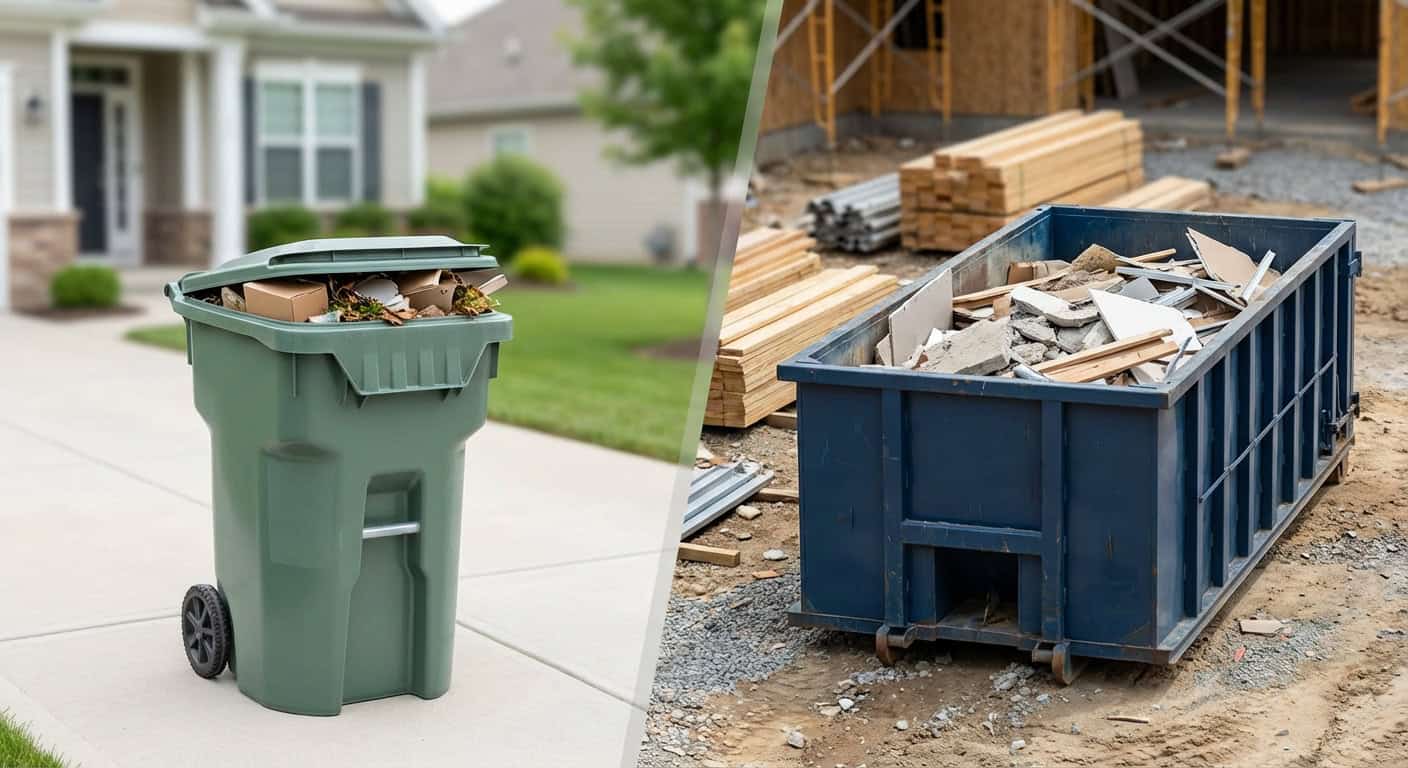
A bin rental provides a stationary container for waste disposal over an extended period, ideal for projects where debris accumulates gradually, whereas a dumpster rental typically refers to larger roll-off containers suitable for significant volumes of waste from major construction or cleanout jobs. Dumpster rentals often cost 30–50% less than full-service junk removal for large projects, although junk removal can be cheaper for smaller tasks. You Junk It… I Dump It offers both options to match varying project scales.
Overview
This article explores different waste disposal solutions available for various project sizes and types. We detail the distinctions between bins and dumpsters to help you select the appropriate service for your needs.
A labeled real-world hypothetical featuring Brenda illustrates how proper selection can impact project efficiency. The following sections break down key aspects of waste management for homeowners and businesses.
- Waste Solutions: Bin Rentals and Dumpsters offer distinct advantages for waste disposal.
- Key Differences: Recognize the differences between bins and dumpsters for your project.
- Real-World Example: See how Brenda chose a bin rental for a home cleanup.
- Major Projects: Secure dumpster rentals for large-scale waste.
- Cost Comparison: Examine the cost comparison between these options.
- Why Choose Us: Learn more about our services and commitment.
Bin Rentals and Dumpsters: Waste Solutions
Bin rentals offer a flexible approach for waste disposal, providing a stationary container at your site for a set period. These are useful for projects that generate debris gradually, such as home cleanouts or small renovations. We tailor bin services to fit individual project timelines, ensuring you have enough time to fill the container at your own pace.
Conversely, dumpster rentals typically refer to larger roll-off containers designed for significant waste volumes from major construction, demolition, or large-scale cleanout jobs. The choice between a bin rental vs dumpster depends heavily on the project’s scope and the amount of debris generated. For instance, a major home renovation in Edmonton might benefit from a larger roll-off dumpster to handle the rapid accumulation of heavy materials.
| Waste Type | Bin Rental Suitability | Dumpster Rental Suitability |
|---|---|---|
| Household Junk | Perfect for furniture, appliances, general clutter. | Suitable for large-scale estate cleanouts or multiple households. |
| Construction Debris | Good for smaller renovation waste like drywall, wood scraps. Bin Rental Tips | Ideal for heavy materials such as concrete, asphalt, roofing. how to choose |
| Yard Waste | Accommodates branches, leaves, brush from garden cleanups. | Handles large tree removals, extensive landscaping projects. |
| Mixed Waste | Accepts a variety of non-hazardous items. | Designed for diverse waste streams from commercial or industrial sites. |
| Specialty Items | Specific bins available for certain materials like dirt or asphalt. | Large containers for specific industrial waste types, often with special permits. |
Key Differences: Bins Versus Dumpsters
A bin rental and a dumpster rental serve distinct project needs, primarily differing in size, typical use, and pricing structure. Deciding between a smaller bin and a larger dumpster depends heavily on the volume and type of waste generated by a project. You Junk It… I Dump It offers both options, helping customers match the right waste solution to their specific requirements.
Bin rentals often cater to smaller residential cleanouts or minor renovations, providing a compact container for items like household junk or yard debris. Dumpsters, conversely, are suited for large-scale construction sites or significant demolition projects, accommodating heavy materials such as concrete, asphalt, and substantial amounts of construction waste. We frequently observe that homeowners tackling small clear-outs or single-room remodels benefit from the flexibility of a smaller bin, while contractors often require the capacity of a full-sized dumpster.
The key differences between a bin rental vs dumpster also extend to logistics. Bins typically have a smaller footprint, making them easier to place in residential driveways or tighter spaces. Dumpsters require more substantial access and placement room due to their larger dimensions and the equipment needed for delivery and pickup. comparing bin rental prices involves reviewing these size and service distinctions.
| Feature | Bin Rental | Dumpster Rental |
|---|---|---|
| Typical Size Range | 4 to 12 cubic yards | 15 to 40 cubic yards |
| Common Projects | Residential cleanouts, small renovations, yard waste removal | Construction, demolition, large-scale cleanouts |
| Material Type | Household junk, light construction debris, organic waste | Heavy debris like concrete, asphalt, large quantities of mixed waste |
| Placement Needs | Fits in most residential driveways, less space required | Requires more space, suitable for larger properties or commercial sites |
| Pricing Model | Often flat-rate for smaller bins, may vary by weight or rental period | Typically based on container size and weight allowance; additional fees for overages |
| Delivery/Pickup | Often flexible, smaller trucks can access tighter areas | Requires roll-off trucks, needs clear access and ample space |
| Local Permits | Less frequently required for smaller residential bins | More common for street placement or extended periods |
| Example Size | 12 cubic yard for garage cleanouts | 20-yard or 30-yard for home additions or demolition |
Choosing a Bin Rental for Smaller Projects
Homeowners often face the decision of how to manage waste from smaller projects like garage cleanouts or minor remodels. A bin rental provides a convenient solution when debris accumulates gradually, offering a contained space for disposal without the immediate pressure of a large-scale removal.
We find that many smaller home improvement projects generate less waste over a longer period. For these situations, a bin rental gives flexibility, allowing for debris collection at your own pace. This approach helps keep project sites tidy and reduces multiple trips to disposal facilities.
Brenda is facing a large-scale renovation and needs to clear out a substantial amount of construction debris. She’s weighing the options between a bin rental for gradual accumulation or a dumpster rental for a large volume, unsure which will be more efficient and cost-effective for her project.
Recommendation: Dumpster Rental
You Junk It… I Dump It recommends a dumpster rental for Brenda’s situation, as it is typically suited for the significant volumes of waste generated by major construction or cleanout jobs. This option is often more cost-effective than bin rentals for such large-scale projects.
Dumpster Rentals for Major Projects
Large-scale projects like major home renovations, demolition cleanups, or extensive landscaping require a disposal method that can handle significant volumes and weights of debris. Dumpster rentals offer the capacity needed for these substantial undertakings, ensuring efficient waste removal from the job site. Selecting the right size for a construction or demolition project helps maintain a safe and organized work environment.
When planning for large debris removal, consider the type and volume of materials generated. Projects such as whole-house cleanouts or commercial property renovations often produce mixed waste, including heavy items like concrete, asphalt, and wood. You Junk It… I Dump It provides a range of dumpster sizes to accommodate various project scales, simplifying the process of large-volume waste management. Reliable Junk Removal ensures proper disposal.
For significant projects, we recommend choosing a dumpster that provides ample space, preventing the need for multiple pickups and helping to stay within budget. If you are uncertain about the specific dumpster size, reviewing options like the how to choose guide can provide clarity. This approach saves both time and potential overflow charges.
- Assess Project Scope: Determine the amount and type of debris your project will generate. This helps in selecting an appropriate dumpster size, whether for construction waste or large cleanouts.
- Choose the Right Size: Opt for larger roll-off dumpsters for major projects. These units can hold substantial loads, from demolition debris to yard waste, reducing the frequency of hauls. You can explore available sizes for various projects by checking Bin Sizing options.
- Verify Material Restrictions: Confirm what materials are allowed in the dumpster. Certain items, such as hazardous waste or tires, may have restrictions or require special disposal procedures.
- Plan Placement and Access: Ensure there is adequate space for delivery and pickup of the dumpster. Consider accessibility for the delivery truck and ease of loading at your project site.
- Schedule Delivery and Pickup: Coordinate delivery and pickup dates with your project timeline to avoid delays. Prompt service is key for keeping large projects on track and preventing clutter.
Cost Comparison: Bin Rental vs. Dumpster Rental
Project scale and duration directly affect waste removal expenses, with bin rentals and dumpster rentals offering different pricing structures. Understanding these factors helps in selecting the most cost-effective option for your specific needs. Typical pricing structures involve a base fee for the container size and rental period, alongside additional charges for weight overages and specific disposal items.
For smaller projects, a bin rental may offer better value, especially when debris accumulates over several days. Larger undertakings, like construction or extensive cleanouts, benefit from the flat-rate pricing often associated with dumpster rentals, which can be 30–50% less than full-service junk removal for significant volumes. We often see homeowners here balance their budget against the convenience of having a larger container on site for a longer period.
Local disposal fees also factor into the total cost, impacting both bin rental and dumpster rental prices. These fees can vary based on the type of waste and the facility receiving it, making it beneficial to plan your disposal strategy carefully. Comparing bin rental prices often reveals that some providers offer more flexible terms or include disposal fees in their base rate. For instance, a 12 cubic yard bin may suit smaller renovations, whereas bigger projects may require a larger roll-off dumpster.
| Cost Factor | Bin Rental | Dumpster Rental |
|---|---|---|
| Base Fee Structure | Often includes specific weight limits; ideal for lighter, smaller loads. | Typically flat-rate based on container size and rental period; covers heavier, larger volumes. |
| Weight Overages | Charges apply if debris exceeds included weight; good for controlled waste. | Additional fees for exceeding a higher weight threshold; suitable for heavy materials. |
| Rental Period | Flexible short-term options available; better for quick cleanouts. | Standard weekly or bi-weekly periods; works for ongoing projects. |
| Disposal Fees | May be included in the base rate or charged separately based on waste type. | Often incorporated into the flat rate, but special items incur extra costs. |
| Permit Needs | Less likely for residential placements on private property. | More common for street placement or extended periods, incurring extra costs. |
| Value for Project Size | Cost-effective for smaller residential jobs or light debris, as outlined in small dumpster rental guides. | Better value for large construction or commercial cleanouts, as discussed when choosing the right size. |
Why Choose You Junk It… I Dump It?
Selecting the correct waste disposal service depends on project size, debris type, and budget. You Junk It… I Dump It offers both bin rental and dumpster options to fit these varied needs, ensuring a streamlined process for homeowners and contractors alike.
We pride ourselves on clear pricing and reliable service, which helps clients avoid hidden fees or unexpected delays. We understand that timely removal of waste helps keep project sites clean and on schedule, whether it’s a small home cleanout or a large construction job.
When considering a bin rental vs dumpster, our local knowledge allows us to recommend the precise container for your specific project. This approach helps prevent overpaying for unused space or needing a second rental because the first was too small. About You Junk It provides more details on our client-focused approach.
| Best for Job | Recommended Option | Reason |
|---|---|---|
| Small Renovations or Cleanouts | Bin Rental (e.g., 12 Cubic Yard Bin) | Compact size fits residential driveways; ideal for gradual debris accumulation from DIY projects. |
| Large Construction or Demolition | Dumpster Rental (e.g., larger roll-off containers) | Accommodates significant volumes of heavy debris, suitable for commercial or extensive home remodels. |
| Yard Waste Cleanup | Bin Rental | Manages leaves, branches, and other organic materials efficiently, particularly during seasonal cleanups. |
| Estate Clearouts | Dumpster Rental | Handles diverse items and bulk waste from residential property cleanouts, offering ample capacity. |
| Mixed Debris Projects | Either, depending on volume | Both options handle mixed waste, but larger projects benefit from dumpster capacity, while smaller ones suit bins. |
FAQ
To help you make an informed decision about bin rental vs dumpster, we’ve compiled answers to some common questions regarding these waste disposal solutions.
| Question | Answer |
|---|---|
| When is a bin rental a better choice than a dumpster rental? | A bin rental is ideal for projects where waste accumulates gradually over an extended period. This includes smaller residential cleanouts, minor renovations, or yard waste removal. Bin rentals offer flexibility, allowing you to fill the container at your own pace without the pressure of immediate removal. |
| How do bin and dumpster rentals differ in terms of typical projects? | Bin rentals generally suit smaller tasks like garage cleanouts or single-room remodels, handling household junk or light debris. Dumpster rentals are designed for larger-scale operations such as major home renovations, demolition, or extensive landscaping projects that generate significant volumes of heavy materials like concrete or asphalt. |
| What factors influence the cost comparison between bin and dumpster rentals? | The cost depends on project scale and duration. Smaller projects may find bin rentals more economical, especially with flexible rental periods. Larger projects benefit from the often flat-rate pricing of dumpster rentals, which can be 30–50% less than full-service junk removal for substantial waste volumes. |
| How does the physical size and placement differ between bin and dumpster rentals? | Bins typically have a smaller footprint, making them easier to place in residential driveways or tighter spaces with less access room required. Dumpsters are larger roll-off containers that need more space for delivery, placement, and pickup by specialized trucks. |