

Answer
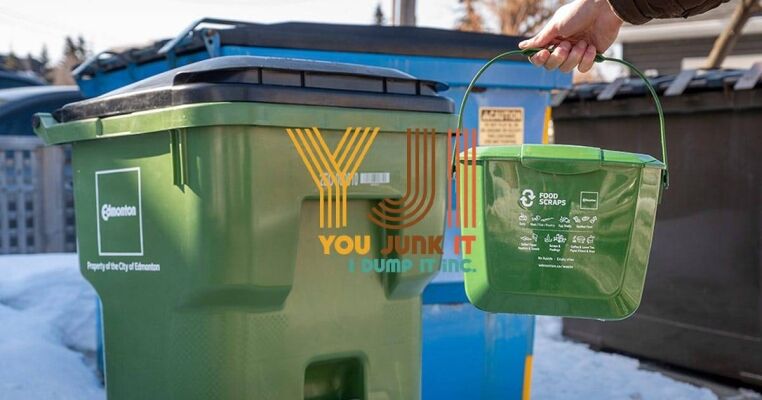
Sorting waste properly helps divert materials from landfills, preserving space and reducing environmental impact. For residents, determining whether to Recycle Compost OR Throw Away items requires checking local guidelines for each category. For instance, specific items like food scraps go into green bins for composting, while clean plastics and paper are typically recycled.
Overview
Proper waste sorting extends the life of landfills and helps recover valuable resources. Distinguishing between items that can be recycled, composted, or simply thrown away requires checking local guidelines for each material type. Knowing where various items belong can help reduce waste going to the landfill.
This article also presents a labeled real-world hypothetical scenario about Chloe and her decision-making process for garden waste. We offer solutions and options from You Junk It… I Dump It to simplify waste management.
- Key Differences: Learn about the distinctions between recycling vs composting.
- Dump Services: Find out when to choose Edmonton dump services.
- Real-World Example: See how composting can provide benefits for your garden.
- Best Practices: Discover recycling best practices for your household.
- Waste Management: Explore various waste management options.
- Service Guide: Get a service guide for your waste disposal needs.
Recycling vs Composting Key Differences
Recycling focuses on reprocessing manufactured goods into new products, conserving raw materials and energy. Composting, conversely, converts organic matter into nutrient-rich soil amendment through natural decomposition. These processes target different waste streams, making proper sorting essential to reduce landfill waste.
Each method handles distinct types of materials. For example, plastic bottles and aluminum cans are typical recycling items, while food scraps and yard waste are suitable for composting. Incorrectly mixing these can contaminate batches, leading to more material ending up in landfills. Our experience shows that identifying the correct destination for each item simplifies waste management efforts for homeowners.
| Category | Recycling | Composting |
|---|---|---|
| Primary Purpose | Reprocess materials into new products, conserve resources. | Decompose organic matter into soil amendment, return nutrients to earth. |
| Materials Accepted | Paper, cardboard, plastics (bottles, containers), glass, metal cans, electronics. | Food scraps (fruits, vegetables, coffee grounds), yard waste (leaves, grass clippings), untreated wood. Edmonton Waste Sorting guidelines detail specific items. |
| Process | Collection, sorting, cleaning, breaking down, melting/shredding, remanufacturing. | Collection, microbial decomposition (heat, moisture, aeration), curing into humus. |
| End Product | New consumer goods, industrial products. | Nutrient-rich soil, fertilizer. |
| Environmental Benefit | Reduces virgin material extraction, saves energy, decreases pollution from manufacturing. | Enriches soil, reduces need for chemical fertilizers, diverts organic waste from landfills, cuts greenhouse gas emissions. |
| Local Impact | Supports local material recovery facilities and green industries. | Improves local soil quality, supports urban gardening, reduces waste processing costs. You Junk It… I Dump It supports these efforts by offering various waste disposal options, including those for compostable materials. |
When to Choose Edmonton Dump Services
Deciding how to dispose of waste can be complex, especially with varying regulations for different materials. When you need to dispose of items that do not fit into standard recycling or composting programs, opting for dump services becomes a practical choice. This often applies to larger items or mixed debris from renovations.
You Junk It… I Dump It frequently observes that improper sorting leads to contamination, which can result in entire loads being diverted to landfills. When homeowners face significant decluttering projects or construction waste, our bin rental options offer a straightforward solution. For example, selecting the correct bin sizing prevents issues with overloading or inappropriate waste types.
| Item Type | Best Disposal Option | Reasoning |
|---|---|---|
| Electronics (e-waste) | Specialized Recycling | Contains hazardous materials and valuable components that require specific processing. |
| Yard Waste (branches, leaves) | Compost or Dump Services | Composting is ideal for organic decomposition; dump services handle larger volumes or non-compostable yard debris. |
| Construction Debris | Dump Services | Often includes mixed materials like wood, drywall, and metal that are not easily separated for standard recycling. |
| Household Furniture | Dump Services or Donation | Large items are not accepted in curbside collection; donation is an option if items are in good condition. |
| Hazardous Waste (paints, chemicals) | Designated Collection Sites | Requires safe handling and disposal to prevent environmental contamination. |
| Mixed General Waste | Dump Services | When items cannot be separated for recycling or composting, dump services provide a solution to recycle compost or throw away them appropriately. Edmonton junk disposal handles a wide variety of non-sorted materials. |
Composting Benefits for Your Garden
Composting offers a way to enrich garden soil while reducing household waste, presenting a direct benefit for local gardeners and the environment. This practice turns organic materials into a nutrient-rich soil amendment.
Chloe is overwhelmed by the varying rules for waste disposal in her city. She wants to do the right thing for the environment but struggles to remember what goes in which bin. How can I ensure I’m sorting my household waste correctly to minimize landfill impact?
Recommendation: Follow Local Guidelines for Recycling and Composting
You Junk It… I Dump It recommends familiarizing yourself with local waste management guidelines. This ensures that recyclable materials and compostable items are diverted from landfills, reducing environmental impact.
Using compost in your garden can significantly improve soil structure and water retention, which lessens the need for chemical fertilizers. It also introduces beneficial microorganisms to the soil, supporting healthier plant growth and reducing pest problems. For more details on sorting methods, see our Edmonton Waste Sorting guide.
Many organic items, including food scraps and yard trimmings, can be composted instead of sent to a landfill. This process transforms waste into a valuable resource that directly supports garden vitality. If you have questions about specific items or are looking for tips on what materials to recycle compost or throw away, our Edmonton Recycling guide offers additional details.
Recycling Best Practices at Home
Effective recycling at home starts with sorting materials correctly to prevent contamination. When items are mixed or improperly prepared, they can end up in landfills, defeating the purpose of recycling efforts. We see many instances where residents accidentally contaminate recycling bins, leading to entire loads being rejected.
Following local guidelines helps ensure your recyclable items are processed efficiently. This practice not only aids environmental goals but also helps reduce waste management costs. Properly sorted materials help facilities operate smoothly, impacting the overall efficiency of waste diversion programs.
- Rinse Containers: Food residue can contaminate other recyclables. Always rinse plastic bottles, jars, and cans before placing them in the recycling bin. This simple step makes a big difference in keeping materials clean and viable for recycling.
- Check Local Guidelines: Rules for what can be recycled vary by municipality. Consult your local waste authority or resources like the Ultimate guide to recycling household items to confirm accepted items. This prevents “wishcycling” where unrecyclable items are placed in bins hoping they will be processed.
- Flatten Cardboard: Cardboard boxes take up less space when flattened, making more room in your bin and during collection. Removing packing materials like plastic wrap or styrofoam from boxes is also important for proper processing.
- Separate Materials: Avoid placing different types of materials together if they are not meant to be co-mingled. For example, plastic bags often tangle machinery at sorting facilities; most curbside programs do not accept them. Instead, look for store drop-off locations for plastic bags or visit an Edmonton recycling guide for options.
- Avoid Common Mistakes: Items like ceramics, electronics, and clothing generally do not belong in standard recycling bins. These require specialized disposal methods or donation. Disposing of these items correctly helps maintain the integrity of collected recyclables.
Edmonton Waste Management Options Explained
Sorting and disposing of waste correctly involves several options, each suited for different materials and situations. For households and businesses in the Edmonton area, choosing between curbside collection, eco-stations, or professional junk removal depends on the item type, volume, and convenience desired. When large amounts of waste or specialty items are present, direct trips to local facilities or hiring a service become more practical.
Consider the trade-offs between self-disposal and hiring assistance. For smaller, regular waste, the city’s sorting program works well, but larger items or specific materials may require extra steps. You Junk It… I Dump It observes that many residents prefer professional services when dealing with bulky items or debris from home projects to avoid multiple trips and specialized handling requirements. Edmonton junk disposal services can help determine the best route for diverse waste types, ensuring proper handling and compliance with local regulations.
The table below compares common waste management choices available here, helping to illustrate when each option offers the most benefit.
| Option | Best For | Considerations |
|---|---|---|
| Curbside Collection | Routine household waste (recycling, compost, garbage) | Requires adherence to local sorting rules and schedules, like those detailed in the Edmonton Waste Sorting guide. |
| Eco-Stations | Hazardous materials, large appliances, electronics, yard waste, and some construction debris | Fees may apply for certain items; transport required; specific material acceptance rules. |
| Bin Rentals | Large volumes of non-hazardous debris from renovations, cleanouts, or construction | Requires space for the bin; bin sizing is important to match project scope. |
| Professional Junk Removal | Bulky items, mixed debris, quick clear-outs, or when labor is a concern | Convenience and ethical disposal; often includes sorting and transporting materials. |
Your Junk It… I Dump It Service Guide
For items that cannot be recycled or composted through municipal programs, professional junk removal provides a straightforward solution. This service simplifies disposal for large, bulky, or mixed waste items that often complicate household sorting efforts.
You Junk It… I Dump It offers efficient removal of various materials, ensuring proper handling and disposal of items that would otherwise clutter your property. We regularly see clients needing help with construction debris, yard waste, and old furniture, all of which fall outside standard waste collection rules. Our junk removal types cover a broad range of disposal needs.
| Best for | Option |
|---|---|
| Large cleanouts | Full-service junk removal |
| Construction debris | Bin rental with various bin sizing |
| Yard waste | Dedicated pickup for organic materials |
| Heavy items | Professional lifting and hauling |
| Mixed waste | Sorting and disposal expertise |
You Junk It… I Dump It recommends professional pickup when you face significant volumes of non-recyclable or non-compostable waste, particularly when safety or time constraints are a factor. If you are unsure whether to recycle compost or throw away something, professional junk haulers can assist with sorting and appropriate disposal.
FAQ
Navigating waste disposal in Edmonton can be tricky, so we’ve compiled answers to common questions to help you decide whether to recycle, compost, or throw away your items responsibly.
| Question | Answer |
|---|---|
| How do I determine if an item should be recycled or composted? | Check local Edmonton waste management guidelines for specific material types. Recycling processes manufactured goods into new products, while composting breaks down organic matter into soil. Incorrectly mixing items can contaminate batches, leading to more waste in landfills. |
| When should I consider using Edmonton dump services instead of recycling or composting? | Use dump services for items that don’t fit standard recycling or composting programs, such as larger items or mixed debris from renovations. Improper sorting can lead to entire loads being sent to landfills. Bin rentals from services like You Junk It… I Dump It offer a solution for significant decluttering or construction waste. |
| What are the main differences between recycling and composting? | Recycling reprocesses materials like paper, plastic, and metal into new products, conserving resources. Composting breaks down organic matter such as food scraps and yard waste into nutrient-rich soil amendment. Each process targets distinct waste streams, and proper sorting is essential. |
| How can I ensure my household waste sorting minimizes landfill impact? | Familiarize yourself with local waste management guidelines for recycling and composting. Rinse containers, check what your municipality accepts, flatten cardboard, and avoid common mistakes like putting plastic bags or ceramics in recycling bins. |