Answer
Navigating the world of junk removal can bring up many common questions, from what items can be hauled away to the cost involved. At You Junk It… I Dump It, we aim to make the process as straightforward as possible, ensuring you have all the information you need for a hassle-free experience. We’re here to address your concerns and provide clear, concise answers to help you reclaim your space.
Your Go-To Guide: Common Questions About Junk Removal Answered
Many people have common questions about junk removal, and this guide aims to provide clear, comprehensive answers to help you understand the process better. Whether you’re decluttering your home or managing a construction site, professional junk removal services offer a convenient solution for disposing of unwanted items.
Understanding what to expect from a junk removal service, from the initial contact to the final disposal, can make the entire experience smoother. Our team at You Junk It is dedicated to transparent processes and reliable service.
This resource addresses key aspects of junk removal, including what items can be hauled away, the typical service process, cost factors, and environmental considerations. For immediate assistance or to explore our offerings, please contact us or review our available services.
What Exactly is Junk Removal and What Can Be Hauled Away?
Junk removal involves the professional hauling away and disposal of unwanted items from residential or commercial properties. Understanding what can be removed is crucial for planning your decluttering project. Our team is equipped to handle a wide range of materials, ensuring responsible disposal.
For more specific details on waste sorting, our waste sorting guide can provide additional insights. We aim to make the process as simple as possible for our clients.
Common Items for Removal
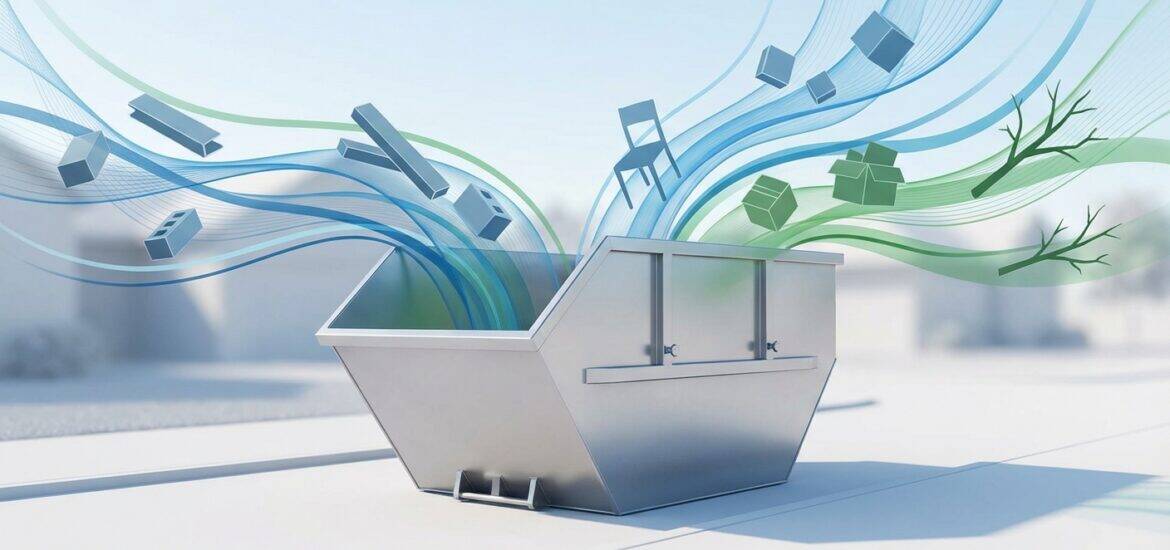
Professional junk removal services typically handle a broad category of items that accumulate in homes and businesses. This includes items that are too large or too numerous for regular trash collection.
- Furniture. Old sofas, chairs, tables, mattresses, and bed frames.
- Appliances. Refrigerators, washing machines, dryers, ovens, and dishwashers.
- Electronics. Televisions, computers, printers, and other e-waste.
- Yard Waste. Branches, leaves, grass clippings, and garden debris. Our yard waste disposal guide offers more information.
- Construction Debris. Wood, drywall, tiles, and other materials from renovation projects.
- General Household Clutter. Boxes of old clothes, toys, books, and miscellaneous items.
Items Not Typically Accepted
While professional junk removal services can handle many items, there are specific materials that are usually not accepted due to safety or regulatory reasons. These often require specialized disposal methods.
- Hazardous Waste. This includes chemicals, paints, solvents, asbestos, and medical waste.
- Flammable Materials. Gasoline, propane tanks, and other highly combustible substances.
- Explosives. Ammunition, fireworks, or any other explosive devices.
- Biohazardous Materials. Anything contaminated with biological hazards.
- Tires. Some services may not accept tires, or they may have specific disposal fees.
Understanding Residential vs. Construction Debris
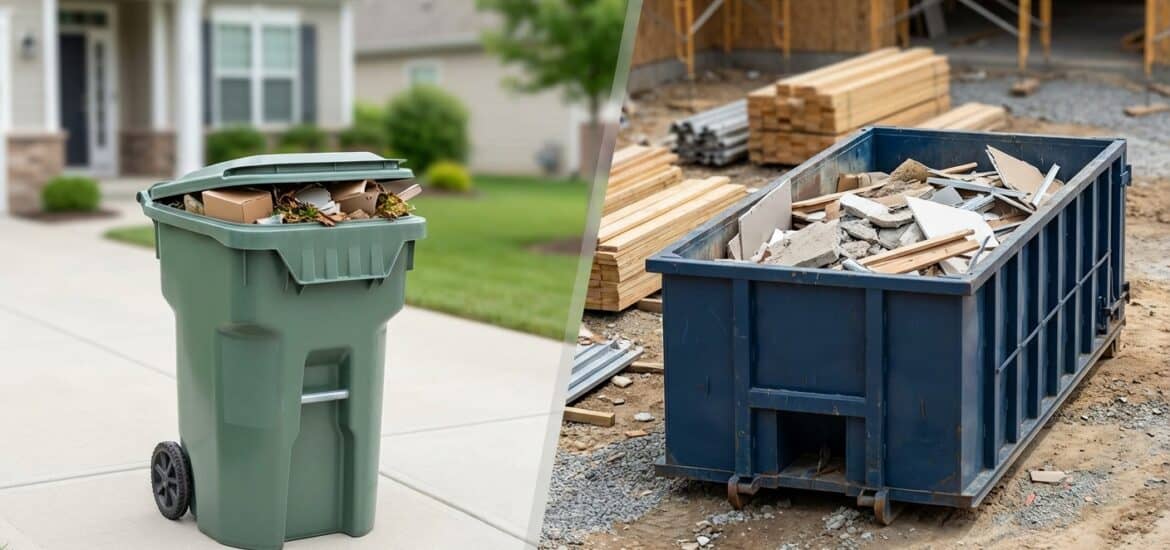
The type of junk often dictates the specific removal approach. Residential junk removal services focus on household items, while construction debris removal is geared towards heavier, bulkier materials from building projects.
Knowing the difference helps our team prepare the right equipment and disposal methods. For instance, removing an old couch differs significantly from hauling away concrete slabs from a demolition site.
How Does the Junk Removal Process Work?
The junk removal process is designed to be efficient and user-friendly, ensuring a smooth experience from start to finish. Our team strives to simplify the steps involved, making decluttering easy for you.
Whether you’re clearing out a garage or preparing for a move, understanding these steps can help you plan effectively. You can learn more about how we handle various projects by reviewing our bin rental versus DIY dump runs comparison.
- Contact Us for a Quote. Begin by reaching out via phone or our online form to describe the items you need removed. We offer transparent quotes based on the volume and type of junk.
- Receive Your Estimate. Based on the information provided, we will give you an estimated cost. For larger or more complex jobs, an on-site assessment might be necessary to provide an accurate quote.
- Schedule Your Pickup. Once you approve the quote, we’ll work with you to find a convenient date and time for the junk removal. We aim to accommodate your schedule as much as possible.
- Junk Removal Day. Our professional team will arrive at your location at the scheduled time. They will efficiently and safely load all the agreed-upon items into our specialized trucks.
- Responsible Disposal. After loading, your junk is transported for sorting and proper disposal. We prioritize recycling and donating usable items, minimizing landfill waste. This approach aligns with our commitment to helping you declutter for a new space.
What Are the Costs Involved in Junk Removal?
Understanding the pricing structure for junk removal is essential for budgeting your project. Costs are typically determined by several factors, ensuring fair and transparent pricing for every job.
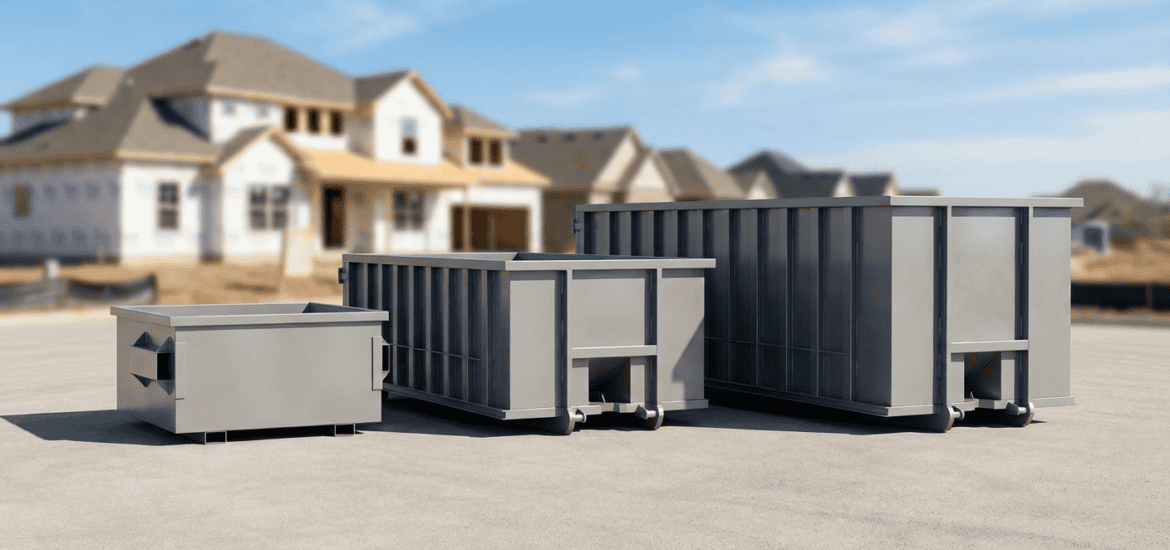
For those considering different container options, our small dumpster rental guide offers insights into alternative solutions. We believe in providing clear information upfront so there are no surprises.
| Factor | Description |
|---|---|
| Volume of Junk | The primary determinant of cost is the amount of space your junk occupies in our truck. Larger volumes generally result in higher costs. Consider our 20-yard bin rental options for bigger projects. |
| Type of Items | Certain items, such as large appliances or construction debris, may incur additional charges due to specialized handling or disposal requirements. |
| Location | Travel distance to and from your property can influence the overall cost, especially for areas outside standard service zones. |
| Labor Required | If items are difficult to access, very heavy, or require significant dismantling, additional labor costs may apply. |
| Dump Fees | Costs associated with disposing of items at landfills or recycling facilities are factored into the overall price. Our guide to dump fees provides more context. |
Environmental Impact: How is Junk Disposed Of?
Responsible disposal is a cornerstone of professional junk removal services. We are committed to minimizing environmental impact by prioritizing sustainable practices for all collected items.
Our approach ensures that your unwanted goods are handled with care, from sorting to recycling. For example, understanding how to recycle paper at home reflects a similar commitment to eco-friendly practices.
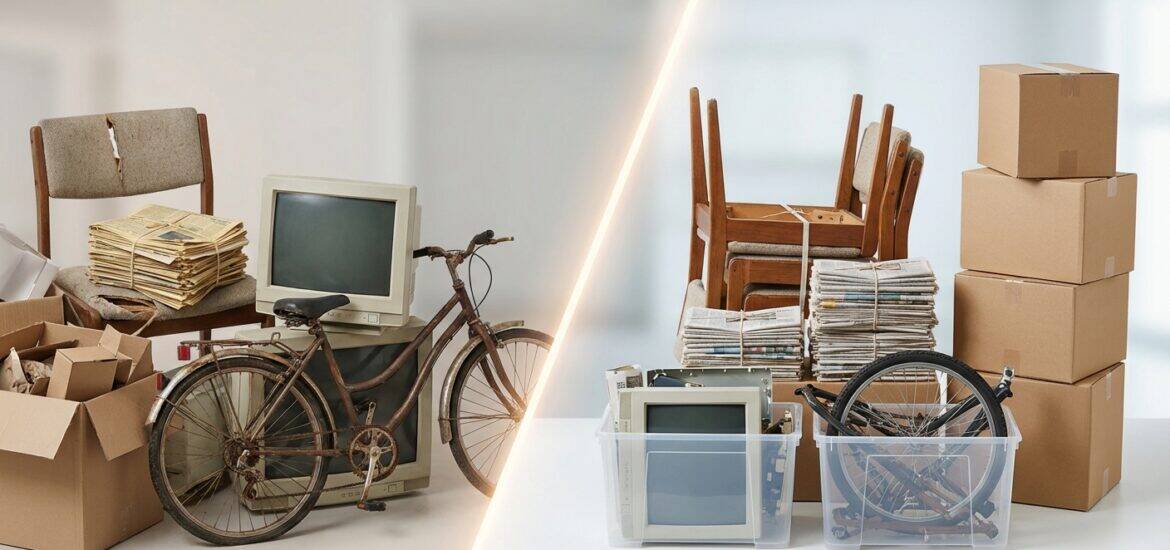
- Recycling. Many items, including metals, plastics, cardboard, and electronics, are sorted and sent to appropriate recycling facilities. This reduces the demand for new raw materials.
- Donation. Usable furniture, clothing, and household goods in good condition are often donated to local charities. This gives items a second life and supports community initiatives.
- Composting. Organic materials, particularly yard waste, are sent to composting facilities. This helps create nutrient-rich soil and diverts biodegradable waste from landfills. Our tips on managing junk at the dump highlight these efforts.
- Proper Landfill Disposal. Items that cannot be recycled or donated are disposed of in approved landfills, adhering to all environmental regulations. This is a last resort to ensure minimal ecological harm.
- Specialized Waste Management. Specific items, like old Christmas decorations, may require particular disposal methods. Our article on Christmas light disposal explains some of these specialized approaches.
Why Choose Professional Junk Removal Services?
Opting for professional junk removal services offers numerous benefits that extend beyond simply clearing out unwanted items. These advantages make the process more efficient, safer, and often more environmentally conscious than DIY alternatives.
Beyond the practical benefits, a clean space can positively impact your well-being. Our articles on junk removal and mental health benefits and home wellness delve into these psychological advantages.
- Convenience and Time-Saving. Professionals handle all the heavy lifting, loading, and transportation, saving you significant time and effort. You don’t need to rent a truck or make multiple trips to the dump.
- Safety Assurance. Our trained teams are equipped to safely remove heavy, bulky, or awkward items, reducing the risk of injury or property damage.
- Environmental Responsibility. Reputable junk removal services prioritize eco-friendly disposal methods, including recycling and donating items whenever possible, minimizing landfill waste.
- Efficiency and Expertise. With specialized tools and experience, professionals can clear out junk quickly and efficiently, often completing jobs faster than if you were to do it yourself.
- Proper Disposal. We ensure all items are disposed of according to local regulations, preventing fines and ensuring responsible waste management. Choosing local services, as highlighted in why choosing local matters, further supports these practices.
Still Have Questions? We’ve Got Your Common Questions About Junk Removal Answered!
We hope this comprehensive guide has addressed many of your common questions about junk removal, providing clarity on the process, costs, and environmental considerations. Our goal is to make your decluttering journey as smooth and informed as possible.
If you have more specific inquiries or require personalized advice for your unique situation, our dedicated team is always ready to assist. Whether you need a junk bin rental or full-service removal, we are here to help.