

Answer
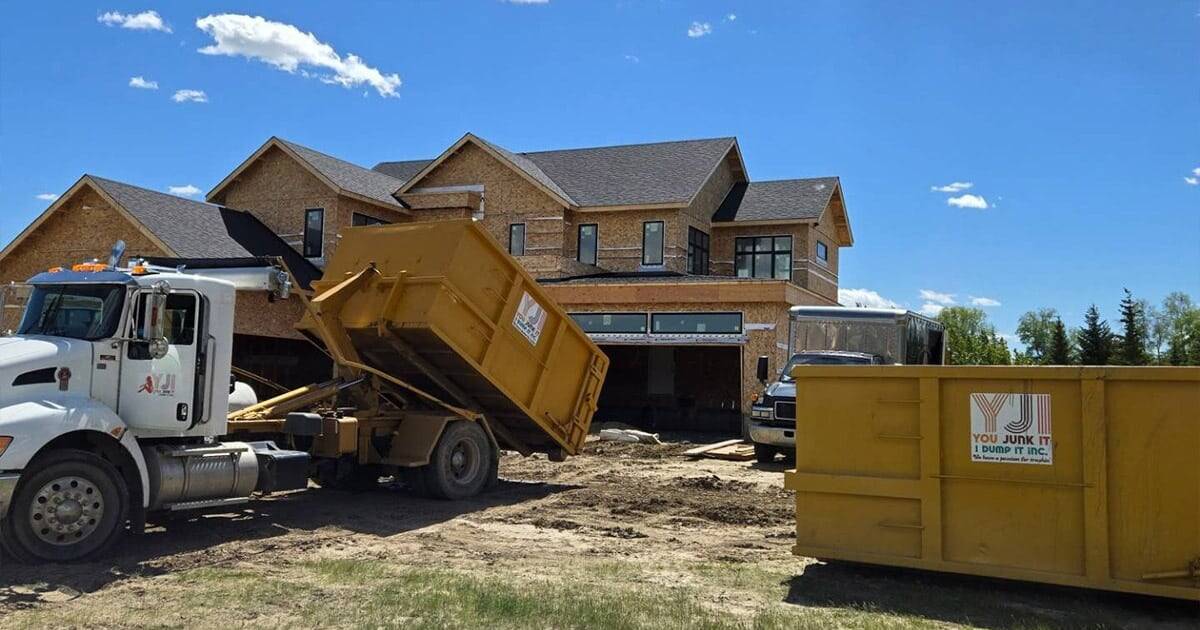
Achieving efficient job site cleanup requires a systematic approach to waste management, including on-site segregation, scheduled debris removal, and responsible disposal methods. You Junk It… I Dump It emphasizes proper bin sizing and timely hauling to keep projects on track and within budget. Our service helps contractors maintain a safe work environment and avoid project delays caused by accumulated debris.
Overview
This guide outlines strategies for maintaining a clean and safe construction environment, focusing on methods for waste removal. It details how proactive planning helps projects stay organized and within budget, minimizing potential hazards and delays. Contractors and project managers can apply these principles to improve overall site operations.
The article also includes a labeled real-world hypothetical, featuring Marcus, which illustrates practical cleanup decisions under typical project conditions. This scenario offers a look at how specific choices impact site efficiency and safety.
- Streamline Workflow: Learn about methods that improve job site operations.
- Steps for Safety: Review the necessary actions for a tidy site.
- Cost Factors: Discover the elements affecting cleaning costs.
- Choosing a Partner: Find tips for selecting a junk removal service.
- Real-World Example: See how efficient practices change a site.
- Professional Terms: Review common industry phrases.
Streamline Workflow With Job Site Cleanup
An organized job site typically sees a 10-15% increase in productivity compared to cluttered ones. Efficient job site cleanup directly contributes to project timelines and overall contractor profitability. Implementing a structured approach to waste management from the outset minimizes delays and enhances safety on the construction grounds.
You Junk It… I Dump It finds that projects with a clear waste removal strategy experience fewer interruptions. When contractors plan for debris removal, they prevent accumulation that can impede progress and create hazards. This forethought makes an efficient job site cleanup a standard practice for successful projects.
| Strategy | Benefit |
|---|---|
| On-Site Waste Segregation | Separating materials like wood, metal, and drywall at the source reduces sorting time later. This allows for easier recycling and proper disposal, often reducing overall disposal costs. |
| Scheduled Debris Removal | Regular pickups prevent waste from piling up, maintaining clear pathways and work areas. You can coordinate bin delivery and pickup schedules to align with project phases, as outlined on our Bin Sizing page. |
| Designated Collection Points | Establishing specific areas for different waste types simplifies the cleanup process and ensures workers place materials correctly. This system helps to keep the site organized and reduces the time spent looking for proper disposal points. |
| Professional Junk Removal Partnership | Partnering with a service like Construction Junk Removal companies ensures consistent and reliable waste hauling. This allows contractors to focus on their core building tasks, knowing that debris management is handled professionally. |
Steps for a Safe, Tidy Construction Site
Maintaining an orderly construction zone directly impacts project safety and timeline adherence. Proper waste management reduces hazards, prevents accidents, and ensures compliance with local regulations. Debris Hauling Made simple for your projects allows contractors to focus on their primary tasks without interruptions from excess materials.
Implementing a structured approach to cleanup minimizes disruptions and supports a more productive work environment. We prioritize efficient waste removal strategies to help keep construction sites clear and compliant. This includes planning for debris segregation from the outset and coordinating pickups to match project phases.
- Coordinate waste removal early in project planning to match the construction schedule.
- Establish designated areas for different types of waste, such as wood, metal, drywall, and general refuse.
- Ensure proper bin sizing for each waste stream to prevent overfilling and maintain segregation.
- Schedule regular pickups for filled bins to avoid accumulation of debris, especially in high-traffic zones.
- Conduct daily site sweeps to remove small debris and potential tripping hazards.
- Recycle and donate materials whenever possible to reduce landfill waste and support sustainable practices.
- Train all personnel on site-specific cleanup procedures and the location of waste disposal points.
| Benefit | Impact on Project |
|---|---|
| Enhanced Safety | Reduces trips, falls, and other accidents caused by scattered debris. |
| Improved Efficiency | Keeps work areas clear, allowing for smoother operations and movement of personnel and equipment. |
| Regulatory Compliance | Helps avoid fines and penalties associated with improper waste disposal or site conditions. |
| Better Site Morale | A clean environment promotes professionalism and a positive work atmosphere. |
| Cost Savings | Proper waste segregation can lower disposal fees and prevent project delays. |
| Environmental Responsibility | Increases recycling rates and minimizes the impact on landfills, which reflects well on the contractor. |
Cost Factors for Job Site Cleaning
Project managers weigh several factors when budgeting for construction debris removal. The volume and type of waste generated directly influence disposal costs, as specialized materials like concrete or hazardous substances require specific handling. Regular, efficient job site cleanup can prevent larger accumulation issues later, which often incur higher fees.
Scheduling also plays a role in overall expense; consistent, planned pickups are typically more cost-effective than emergency requests. You Junk It… I Dump It finds that projects with a clear waste management plan from the outset can better manage their expenses. Considerations like site accessibility, distance to disposal facilities, and labour required for loading also impact the final price.
| Factor | Impact on Cost |
|---|---|
| Debris Type | Certain materials, such as asphalt, concrete, or soil, have higher disposal fees due to their weight or processing requirements. Segregating these materials can sometimes reduce costs. |
| Volume of Waste | The total quantity of debris directly correlates with the size and number of bins needed, which affects overall cost. Proper bin sizing helps avoid unnecessary expenses. |
| Site Accessibility | Limited access points, urban environments, or sites requiring specialized equipment for removal may increase labour and time costs. |
| Hauling Frequency | Frequent, scheduled pickups can prevent overflow and potential fines, but very frequent hauls might increase trip charges. |
| Sorting & Segregation | Pre-sorting waste on-site into recyclable or specific material streams can sometimes lower disposal fees, though it adds labour. |
| Disposal Location | Distance to landfills, recycling centers, or specialized disposal sites can affect fuel and travel time charges for waste haulers. |
Choosing Your Junk Removal Partner
Selecting the right junk removal provider ensures construction sites remain clear and projects stay on schedule. A good partner offers more than just hauling; they provide efficiency and reliability, helping contractors manage waste effectively. When evaluating options, consider a company’s ability to handle various debris types and their commitment to timely service. Junk Removal types can differ, making the selection process important for specific project requirements.
Contractors need to verify a company’s operational capabilities, especially regarding equipment availability and personnel. The company’s record for consistent service and proper disposal practices directly impacts a project’s timeline and compliance. You Junk It… I Dump It focuses on dependable service for projects across the region, understanding that delays can significantly impact budgets. We recommend reviewing factors like insurance, permits, and testimonials from other construction professionals. Edmonton Bin Sizes and other options are discussed with every client.
| Quality to Look For | Why It Matters |
|---|---|
| Reliability and Punctuality | Ensures debris is cleared promptly, preventing project delays and maintaining site safety. |
| Proper Equipment | Adequate bins and machinery handle various waste volumes and types efficiently. |
| Waste Segregation Expertise | A partner that sorts materials for recycling or specific disposal reduces landfill impact and costs. |
| Transparent Pricing | Clear pricing structures without hidden fees help maintain budget control for reliable junk removal. |
| Licensed and Insured | Protects against liabilities and ensures adherence to local regulations. |
Job Site Transformation: Before & After
Keeping projects on track and within budget often requires contractors to make strategic decisions about waste management.
Marcus is struggling to balance the demands of efficient job site cleanup with his project timelines. He’s considering whether to invest more time in detailed on-site waste segregation or rely on more frequent debris removal services to keep his sites clear. Both approaches seem to have benefits and drawbacks for his budget and schedule.
Recommendation: Scheduled Debris Removal and Proper Bin Sizing
You Junk It… I Dump It would recommend focusing on scheduled debris removal coupled with proper bin sizing. This approach helps maintain a safe work environment and prevents project delays caused by accumulated debris. For example, selecting the correct dumpster size from the start can significantly impact the overall cleanliness and efficiency of a project.
Professional Site Cleanup Terms
Accurate communication about waste management streamlines operations and helps ensure regulatory compliance. Understanding the specific terminology for job site cleanup allows contractors to better coordinate with junk removal services and manage expectations for waste processing. Using correct terms prevents miscommunications that can lead to delays or incorrect disposal.
Defining common terms helps differentiate services and waste types. For instance, “construction debris” refers to materials generated during building or renovation, while “post-construction cleanup” specifies the final detailed cleaning before occupancy. We find that clarity in these terms makes a direct impact on project timelines and overall cost for our junk removal cost.
You Junk It… I Dump It recommends specific services for different needs, ensuring an efficient job site cleanup process.
| Term | Meaning for Cleanup |
|---|---|
| Construction Debris | Waste materials from building or renovation, like wood, drywall, concrete, and metal. |
| Roll-Off Bins | Large, open-top containers delivered to a job site for collecting debris, available in various bin sizing options. |
| Junk Removal | Service for hauling away unwanted items, often used for smaller debris volumes or mixed waste. |
| Waste Segregation | Sorting different types of waste on-site (e.g., recyclables, general trash, hazardous materials). |
| Post-Construction Cleanup | The final cleaning phase of a site, involving detailed dusting, vacuuming, and surface cleaning. |
FAQ
For further insights into optimizing your construction project, this section addresses common questions about efficient job site cleanup and its impact on your operations.
| Question | Answer |
|---|---|
| How does on-site waste segregation benefit a construction project? | Segregating materials like wood, metal, and drywall at the source simplifies recycling and proper disposal. This practice often leads to reduced overall disposal costs for the project. It also allows for easier handling and processing of different waste streams. |
| What is the impact of scheduled debris removal on project efficiency? | Regular debris removal prevents waste from piling up, maintaining clear pathways and work areas. Coordinating pickup schedules with project phases ensures that accumulated waste does not impede progress or create hazards. This leads to fewer interruptions and supports a more productive work environment. |
| How can site accessibility affect the cost of job site cleaning? | Limited access points, urban settings, or situations requiring specialized equipment can increase labour and time costs for debris removal. These factors contribute to the overall expense of keeping the site clear. |
| What qualities should contractors look for in a junk removal partner? | Contractors should seek reliability, punctuality, and adequate equipment for handling various waste volumes. A partner’s expertise in waste segregation, transparent pricing, and proper licensing and insurance are also important. This ensures efficient service and adherence to regulations. |