Categories General

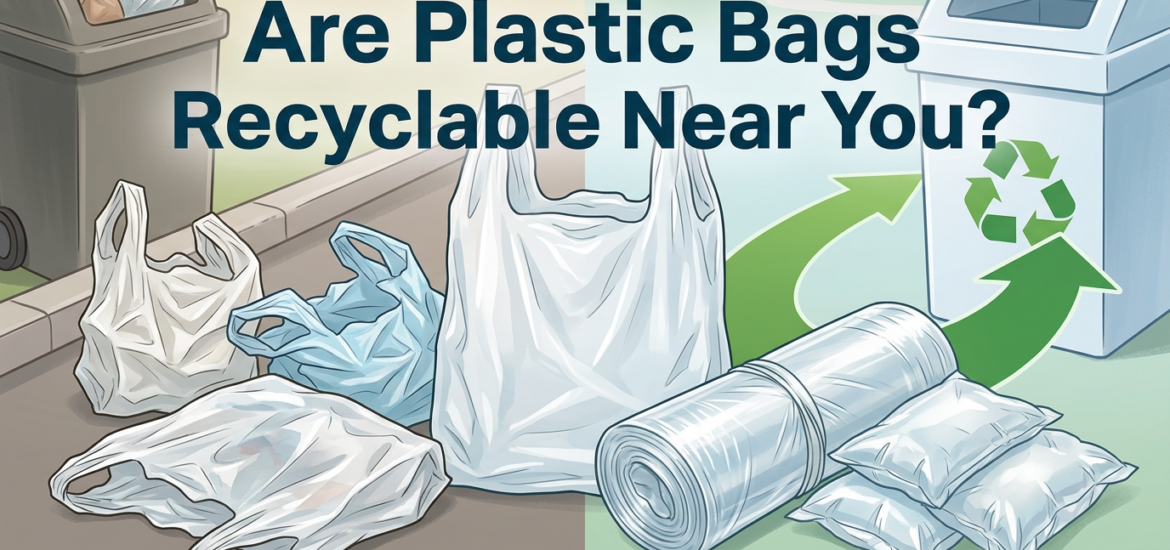
Are Plastic Bags Recyclable

Answer

In plastic bags, plastic bags and film are not accepted in curbside recycling programs; instead, they require special handling at drop-off locations. You Junk It… I Dump It emphasizes its commitment to eco-friendly disposal practices, prioritizing recycling and donating items whenever possible, which extends to advising on the proper channels for soft plastics that do not fit standard bins.

Overview

This article explores the complexities surrounding plastic bag recycling, detailing local disposal challenges and the conditions affecting service. It examines the available options for managing soft plastics and the habits people adopt for their disposal.

We will also look at specific services available for plastic film and the choices consumers face regarding their disposal. A real-world hypothetical scenario demonstrates these considerations in practice.

Local Plastic Bag Disposal Issues

Many communities, including Cambridge, MA, have specific rules for plastic bag disposal that differ from general recycling. For instance, while plastic bags themselves may be recyclable, they often contaminate the machinery at sorting facilities if placed in regular blue bins. This necessitates alternative disposal methods, such as designated store drop-off points, to properly manage these materials.

Local Disposal Challenges Impact on Residents
Plastic bags jam sorting equipment at recycling facilities. Residents must find alternative locations for recycling these items to avoid contamination and equipment damage.
Curbside collection brochures explicitly ban plastic bag film from blue carts. Homeowners are directed to supermarket drop-off points for soft plastics, adding an extra step to their disposal routine.
Thin film plastics can become litter, impacting local environments and storm drains. Neighborhood clean-up programs and a focus on reusable bags aim to mitigate litter, but proper disposal remains a resident responsibility.

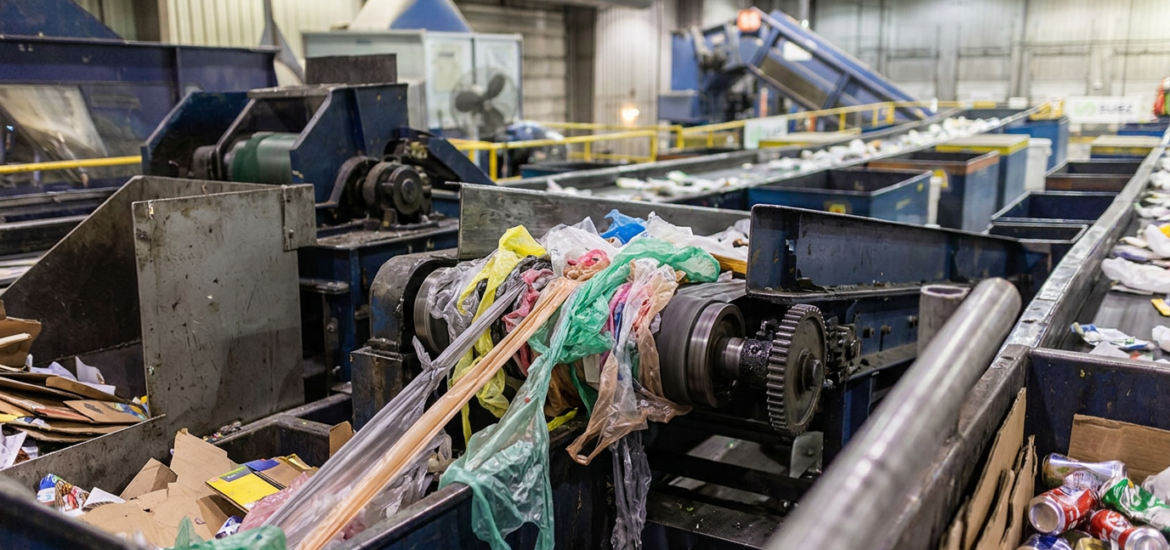
The challenge of properly disposing of plastic bags is significant. Even when residents make an effort to recycle, issues like plastic bags jamming machinery mean they often do not end up being recycled. This situation highlights the need for clear guidance on where and how these items can be handled correctly.

Changing Plastic Bag Disposal Service Conditions

Local regulations and infrastructure shifts significantly impact how plastic bags and films are managed. In Cambridge, Massachusetts, for example, a 2025 Bring-Your-Own-Bag ordinance aims to reduce disposable plastic film waste, with city-run farmers’ markets now requiring reusable totes. This contributes to an estimated 15 percent decrease in disposable plastic film waste compared to the previous year, according to the Cambridge Record. Such policy changes directly influence the types of materials accepted and the methods required for proper disposal.

Further complicating matters, environmental conditions and specific neighborhood layouts can affect disposal services. For instance, the heavy rains and leaf-peeping season in Cambridge can lead residents to double-bag yard waste, but the city’s guidelines explicitly ban all plastic bag film from blue curbside carts. This directs soft plastics towards supermarket drop-off locations only, as detailed in Cambridge’s curbside collection brochure. Additionally, older homes in areas like West Cambridge may have limited sidewalk space, prompting residents to consolidate soft plastics into paper bags and place them beside recycling bins, following specific city brochure instructions.

The operational logistics of waste collection services are also evolving. Curbside crews in Cambridge are integrating new technologies, such as four electric vehicle collection trucks introduced in April 2026, to handle specific types of waste, including heavy plastic bags. However, these trucks only accept tightly tied bags (rodent-proof, 3 mil or thicker); otherwise, crews leave warning tags reminding homeowners to use designated drop-off points. This highlights how service conditions are adapting to both material types and collection efficiency requirements.

Condition Impact on Disposal
City ordinances (e.g., Bring-Your-Own-Bag) Reduces overall disposable plastic film waste and shifts collection habits towards reusable alternatives.
Seasonal weather patterns (rain, storms) Increases litter and potential for contamination in storm drains, impacting proper disposal methods and requiring specific bag preparation for yard waste.
Neighborhood characteristics (street width, housing type) Affects curbside collection feasibility and storage space, often directing residents to utilize retail drop-off points or designated collection events.
Collection vehicle technology and policy Dictates specific requirements for bag type and tying, with potential for warning tags and redirection to alternative disposal sites if rules are not followed.

These evolving conditions require residents and businesses to stay informed about local disposal guidelines to ensure materials are processed correctly.

Plastic Bag Disposal Options Locally

Plastic bags and film packaging typically cannot be processed through standard curbside recycling bins. Instead, these materials often require special handling at designated drop-off locations to ensure they are properly managed and recycled. Finding these specialized facilities is key to diverting them from landfills.

For residents seeking responsible disposal methods for soft plastics like grocery bags, bread wrappers, or bubble wrap, exploring local options is the next step. While not suitable for your typical blue bin, many communities offer programs and retail partnerships that accept these items. You Junk It… I Dump It emphasizes its commitment to eco-friendly disposal practices, prioritizing recycling and donating items whenever possible, and can guide you on where these materials can be taken.

Option Description
Retail Store Drop-off Programs Many grocery stores and large retailers, such as those in the plastic film recycling network, offer collection bins for clean and dry plastic bags, wraps, and film packaging. These locations often accept materials labeled #2 and #4 plastic. Check for the How2Recycle label for guidance.
Specialized Recycling Centers Dedicated recycling centers or specific collection events may accept a wider range of plastic films. RecycleSmart MA, for example, provides drop-off points for specific plastic items. Residents should confirm accepted materials before visiting.
Curbside Collection (Limited) In some areas, specific types of plastic bags, like heavy-duty, rodent-proof recycling bags (minimum 3 mil thickness, tightly tied), might be accepted for curbside pickup, but this is not universal. Always check local guidelines, as loose plastic bags can jam sorting equipment. Improper disposal can lead to fines or warning tags.

Properly sorting and disposing of plastic bags makes a difference in waste management. By utilizing store drop-off points or specialized collection programs, you help ensure these materials are recycled rather than contributing to landfill waste.

Film Plastics and Local Drop-off Habits

Many common household plastics, like grocery bags and film packaging, are not accepted in standard curbside recycling bins. Proper disposal often requires seeking out specialized collection points or services. This leads to confusion about where these items can and cannot be processed.

Brenda has been saving various plastic bags, from grocery store sacks to bread wrappers and shipping bubble wrap, unsure of their recyclability. She wants to do the right thing for the environment but is overwhelmed by conflicting information. Can these soft plastics truly be recycled, or do they just end up in the landfill? Brenda wonders if she should seek out special drop-off locations for her plastic bags and film packaging.

Recommendation: Specialized Drop-off Locations

You Junk It… I Dump It would recommend utilizing specialized drop-off locations for plastic bags and film packaging when proper recycling is a priority. These facilities are equipped to handle soft plastics that cannot be processed through standard curbside programs.

Across many regions, including those serviced by companies like You Junk It… I Dump It, film plastics such as grocery bags, bread wrappers, and bubble wrap do not belong in curbside bins. These items can tangle sorting machinery at recycling facilities, causing significant disruptions. Local drop-off programs, often found at retail stores, are designed to collect these specific materials.

Habits for disposing of these materials vary, influenced by local infrastructure and resident awareness. For instance, in areas with frequent rain, residents may store plastic bags indoors to prevent them from becoming litter that enters storm drains. Others coordinate informal collection efforts, gathering soft plastics to take to designated drop-off points when they visit retail centers.

Some areas have specific requirements for preparing plastic film for recycling. This can include ensuring the items are clean, dry, and often bundled together. For example, some programs suggest collecting clean and dry plastic bags and wrap inside a larger plastic bag, tying it securely when it reaches a certain size before dropping it off. This preparation helps prevent tangling issues at the processing facilities.

When exploring options for film plastic disposal, it is helpful to check for local store drop-off programs. Many grocery stores and retail chains provide collection bins specifically for these items. Finding these locations can ensure that your plastic bags and films are handled correctly, diverting them from landfills.

Services for Plastic Film Disposal

Properly managing plastic film and bags requires specialized services, as these items often cannot be processed through standard curbside recycling. Businesses and residents in the plastic bags area can find specific disposal options designed to handle soft plastics. You Junk It… I Dump It offers solutions for disposing of various types of plastic materials that may not be accepted in regular waste streams, prioritizing responsible disposal methods.

The effective recycling of plastic film depends on dedicated collection and processing streams. Many retail locations and specialized centers accept clean and dry plastic bags, wraps, and other flexible plastics. These services help divert materials from landfills and ensure they can be processed into new products.

Service Name Description
Retail Store Drop-off Programs Many grocery stores and retail chains provide collection bins for clean and dry plastic bags, wraps, and films. These programs often accept items marked with #2 and #4 plastics, but it is advisable to check local store guidelines. The plastic film recycling map tool can help locate nearby drop-off points.
Specialized Recycling Centers Some municipal or private recycling centers offer dedicated services for plastic film disposal. These facilities may handle a wider range of flexible plastics, including bubble wrap and shipping packaging, which often cannot go into standard curbside bins. Residents may need to ensure items are clean and dry before drop-off.
Waste Management Services Companies like You Junk It… I Dump It can provide disposal solutions for bulk plastic film waste. While not always a direct recycling service for individual bags, they manage the removal of materials that require special handling, ensuring responsible disposal practices are followed. They prioritize recycling and donating items whenever possible. their waste management services can help manage larger volumes of discarded plastic.

Plastic Bag Disposal Choices

Determining the correct disposal path for plastic bags and films is essential for effective waste management. While many plastic items are not accepted in standard curbside recycling bins, specific drop-off locations and preparation methods allow for their recycling.

The reality for plastic bags and films is that they do not belong in your regular household recycling bin. Their flexible nature can jam sorting machinery at recycling facilities, leading to contamination and increased processing costs. This means that items like grocery bags, bread wrappers, and bubble wrap require a different approach than rigid plastics.

Product Best For Budget Reason
Store Drop-off Programs Clean, dry plastic bags, wraps, and films (#2 and #4 plastics) Free; requires customer transport Retailers like Target, Walmart, and Safeway often provide collection bins for soft plastics, diverting them from landfills and ensuring proper processing. This method is widely available for common household flexible plastics.
Specialized Recycling Centers Larger volumes or specific types of plastic film May vary; check facility specifics Centers such as RecycleSmart MA offer options for residents who have collected significant amounts of plastic film, providing a dedicated channel for materials that may exceed typical retail bin capacities.
Curbside Collection (with caveats) Tightly tied, heavy-duty bags (3 mil or thicker) if accepted locally Included with waste collection fees; potential fines for non-compliance Some areas may accept plastic bags if they meet specific criteria, such as being secured in heavy-duty bags and tied tightly. However, this is often restricted, and failure to comply can result in warnings or fines, making drop-off a safer bet.
Mail-in Programs Residents in areas with frozen drop-off bins or limited local options Cost of postage; check program details In instances where local drop-off points may be inaccessible due to weather, some programs allow mail-in recycling. This offers an alternative for ensuring soft plastics are handled correctly when other options are temporarily unavailable.

Properly managing plastic film waste supports broader environmental goals by preventing these materials from ending up in landfills or as litter. You Junk It… I Dump It can help provide guidance on responsible disposal methods, ensuring materials are handled in accordance with local regulations and recycling capabilities.

Next Steps For Plastic Bag Disposal

To properly dispose of plastic bags and film, especially those not accepted in curbside bins, it’s best to utilize designated drop-off points. Understanding where these facilities are and how to prepare your items can make a significant difference in effective recycling efforts.

You Junk It… I Dump It emphasizes eco-friendly disposal practices. We prioritize recycling and donating items whenever possible. This commitment extends to helping you find the right disposal channels for materials like plastic bags and films that require special handling.

  1. Prepare Your Materials. Ensure all plastic bags and film are clean and dry before collection. Remove any food residue or labels that could contaminate the recycling stream.
  2. Bundle Loose Items. For items like plastic bags, bread wrappers, and bubble wrap, bundle them together into a larger plastic bag and tie it securely. This prevents them from scattering and jamming sorting equipment at recycling facilities.
  3. Locate a Drop-off Point. Many grocery stores and retail chains offer collection bins for soft plastics. Check local directories or websites like Plastic Film Recycling to find accessible locations near you.
  4. Schedule a Pickup. If you have a large volume of materials or require assistance with bulkier items, contact You Junk It… I Dump It for a convenient disposal service. We can manage various types of waste, ensuring responsible handling.

FAQ

To further clarify common inquiries about plastic bag disposal, the following frequently asked questions address whether and how are plastic bags recyclable.

Question Answer
Can I put plastic bags in my regular recycling bin? Plastic bags and film are generally not accepted in standard curbside recycling bins. They can jam sorting equipment at recycling facilities, causing disruptions. It is best to find designated drop-off locations for these items.
Where can I take my plastic bags and film for recycling? Many grocery stores and retail chains offer collection bins specifically for clean and dry plastic bags, wraps, and film packaging. You can also look for specialized recycling centers or local collection events.
What should I do if my local area has specific rules for plastic bag disposal? Always check your local guidelines, as rules can vary significantly. Some areas may have ordinances like "Bring-Your-Own-Bag" laws or specific instructions for preparing plastic bags for collection.
How can I ensure my plastic bags are properly disposed of if they can’t go in my curbside bin? Ensure your plastic bags are clean and dry before taking them to a drop-off location. Some programs suggest bundling them together in a larger bag, tied securely, to help prevent tangling at processing facilities.
Categories General

Tips For Efficiently Disposing Of Large Or Hazardous Waste

Answer

Properly disposing of large or hazardous waste in hazardous waste disposal involves understanding local regulations and utilizing designated services. For instance, the City of Vancouver provides detailed guidance on managing bulky items and hazardous materials, including drop-off locations and collection services, to ensure safe and compliant handling of items like paints, solvents, and batteries. You Junk It… I Dump It offers a range of bin sizes, from 12 to 30 cubic yards, to accommodate various project needs, helping to contain waste efficiently and minimize extra trips.

Overview

This section maps out the essential information for efficiently disposing of large or hazardous waste. It details the specific challenges posed by local environments and property types, alongside practical options for residents and a real-world example of waste removal in action.

The guide further examines the services offered by You Junk It… I Dump It and outlines responsible waste disposal practices, culminating in actionable steps for managing waste removal projects.

  • Local Challenges: Exploring disposal obstacles in hazardous waste disposal with local hazards.
  • Property Types: How building characteristics affect waste removal with property variations.
  • Resident Options: Practical solutions for waste disposal with efficient disposal.
  • Real-World Example: A look at a homeowner’s experience with bulky item pickup.
  • Company Services: What You Junk It… I Dump It offers with our services.
  • Responsible Guide: Best practices for waste disposal with safe disposal.
  • Next Steps: Final actions for waste removal projects with project planning.

Local Hazards: Disposal Challenges in San Francisco

Navigating waste disposal in San Francisco presents unique challenges due to the city’s dense urban environment and historic housing stock. Many residences, particularly older Victorian homes, feature narrow streets and limited access, making the collection of bulky items or hazardous materials a logistical puzzle. Recology, the city’s waste management provider, offers services like free bulky item pickup and hazardous waste drop-off at its facility on Tunnel Avenue, but residents must adhere to specific guidelines to ensure items are properly prepared and accessible for collection.

The city’s regulatory framework also plays a significant role in disposal efficiency. San Francisco’s commitment to diverting waste from landfills means strict rules are in place regarding what can and cannot be placed in regular trash or recycling bins. For example, common household items like batteries, fluorescent bulbs, and paint are classified as hazardous and require special handling, often through designated drop-off programs or scheduled pickups. This necessitates careful planning for residents to avoid improper disposal, which can lead to fines and environmental harm.

Disposal Challenge Constraint Example
Narrow Streets & Limited Access Victorian neighborhoods like Russian Hill have one-way streets and tight alleyways that restrict large truck access, requiring morning pickups when routes are less congested.
Hazardous Material Identification Residents must check labels for “Danger,” “Warning,” “Flammable,” or “Corrosive” before disposal. Items like solvent-soaked rags or old motor oil need secure, leak-proof containers.
Housing Density & Property Type Dense areas with multi-unit buildings or historic homes may have alley access issues or specific drop-off points for items like batteries or fluorescent bulbs.
Seasonal Weather Impacts Rainy seasons can make steep streets slick, requiring extra care to seal liquid hazardous waste containers and prevent runoff into storm drains, which can lead to pick-up rejection.

San Francisco’s varied architecture and street layouts necessitate tailored approaches to waste removal. For instance, in areas with narrow alley access, dropping off smaller items at designated retail locations might be more practical than scheduling a large truck visit. Similarly, older homes with garage floor drains that may lead to storm drains require hazardous liquids to be transported in sealed buckets, preventing contamination. Residents are encouraged to check the San Francisco Environment for detailed guidelines on specific materials and disposal methods.

Property Types Affecting Waste Removal

Different property types in hazardous waste disposal present unique challenges for waste removal services due to their construction, layout, and location. For instance, older Victorian homes common in areas like Alamo Square often feature narrow staircases and plaster walls, complicating the movement of bulky items and requiring specific protocols for hazardous materials like lead paint debris. Scheduling with Recology for household hazardous waste pick-ups requires attention to these structural limitations.

Street access and density also play a significant role. The narrow, one-way streets found in neighborhoods such as Russian Hill can restrict the maneuverability of large trucks. Planning bulky or hazardous waste pick-ups for earlier hours, when traffic is less congested, can help ensure a smoother process. Similarly, dense areas like the Mission District, with its smaller front yards, mean residents often store paint cans and solvents under stoops, necessitating clear communication and pre-arranged collection for items needing special handling.

Property Type Waste Removal Challenges
Victorian Homes (e.g., Alamo Square) Narrow staircases and plaster walls may contain lead paint, requiring double-bagging and specific labeling for hazardous waste pick-up. Moving bulky items from upper floors needs coordination.
Row Homes/Apartments with Narrow Streets (e.g., Russian Hill, Mission District) Restricted access for large trucks necessitates morning pick-ups when streets are clearer. Items stored under stoops require clear labeling and pre-arranged collection.
Loft Buildings (e.g., South of Market) Flat roofs and skylights are common. Disposal of solvent-soaked rags or roofing tar solvents requires rigid, leak-proof containers and direct handover to drivers to prevent spills into storm drains.
Multi-unit Buildings with Alley Access (e.g., Hayes Valley) Limited alley width (around 8 feet) can make large-truck visits difficult. Smaller hazardous items like fluorescent bulbs or batteries are better dropped off at designated retail locations.
Mid-Century Ranch Homes with Basements (e.g., Twin Peaks) Garage floor drains can connect to storm drains, posing a risk for hazardous liquid spills. Transporting containers in a sealed bucket to the curb is advised to prevent runoff.
Post-War Homes (e.g., Sunset District) Battery-powered tools and garden equipment require special handling. Battery terminals should be taped, and batteries dropped off at designated recycling bins to ensure proper disposal.

Navigating these property-specific considerations helps ensure that waste is managed safely and efficiently. For example, residents in the Mission District can group paint cans and solvents in a single, well-ventilated bin and then email hhw@recology.com for confirmation before their scheduled curbside pick-up. This proactive approach aids waste handlers in managing collections, especially when dealing with potentially hazardous materials like solvents.

## Efficient Disposal Options for Residents Disposing of large or hazardous waste requires a clear plan to ensure safety and regulatory compliance. Residents in hazardous waste disposal can explore several options, including specialized collection services and drop-off facilities, to manage waste effectively. Understanding these choices helps prevent improper disposal that could harm the environment or lead to fines.

When dealing with items that cannot go into regular trash or recycling bins, such as old paint, batteries, or large appliances, residents have specific avenues to follow. Proper handling prevents contamination and ensures these materials are processed responsibly. For example, Recology offers free bulky item collection services for buildings with five or fewer units, providing two such collections annually. Multi-unit buildings with six or more units receive one collection per unit per year.

Disposal Method Description Considerations
Recology Bulky Item Pickup Scheduled collection for large items like furniture, appliances, and construction debris. Residential buildings (5 units or fewer) receive two free collections per year; multi-family buildings (6+ units) get one per unit. Items must be placed at the curb by 7 a.m. on collection day. Scheduling online or by phone is necessary. Ensure items are manageable for pickup crews.
Household Hazardous Waste (HHW) Facility Drop-off The facility at 501 Tunnel Avenue accepts items such as paint, solvents, automotive fluids, and cleaning products. It operates Thursday through Saturday, 8 a.m. to 4 p.m. Proof of San Francisco residency is required. There are limits on quantities accepted, often around 10 gallons per visit for liquids.
Retail Drop-off Locations Many local hardware stores and other retailers participate in programs for specific items like batteries, fluorescent bulbs, and paint (PaintCare program). Check with individual stores for accepted items and hours. This is ideal for smaller quantities of hazardous materials.
Special Collection Events Periodic events organized by local authorities for specific types of hazardous waste, sometimes including electronics or medication. Dates and locations vary; check local government websites or community announcements for schedules. These events are often seasonal.

For hazardous materials like old paint, solvents, or batteries, utilizing designated drop-off programs is essential. Many hardware stores in the San Francisco area participate in paint recycling programs, accepting leftover latex and oil-based paints. For other household hazardous items, the Recology SF Household Hazardous Waste Facility at 501 Tunnel Avenue serves as a key drop-off point, offering weekend hours for residents. Following specific instructions for packing and transport, such as keeping liquids upright and contained, ensures safe handling during transport to these facilities.

When planning for disposal, especially for large volumes or items requiring special handling, contacting the waste management service provider directly is advisable. You Junk It… I Dump It’s team offers consultations to help select the appropriate bin size, preventing extra trips or costs. For hazardous materials like paints, solvents, oils, or batteries, reaching out directly to confirm acceptance and any special handling requirements is a necessary step to ensure compliance and prevent refusal at pickup. This proactive approach simplifies the process and guarantees responsible waste management.

A Resident’s Experience with Bulky Item Pickup

Disposing of large or hazardous waste can be a complex and regulated process. Many individuals struggle to understand local guidelines for bulky items and potentially harmful materials, leading to improper disposal methods and potential fines.

Brenda is renovating her home and has accumulated a significant amount of waste, including old appliances and paint cans. She’s concerned about disposing of these items safely and efficiently without incurring excessive costs. Brenda wonders, should she choose a bin size based on estimated volume or consult directly with a service provider to ensure efficient disposal of her renovation waste?

Recommendation: Consult a Disposal Service for Bin Sizing

You Junk It… I Dump It recommends consulting with their team to determine the most appropriate bin size. This ensures you select a container that can accommodate your project’s waste efficiently, preventing potential extra trips or costs associated with misjudging volume.

You Junk It… I Dump It’s Services

You Junk It… I Dump It provides comprehensive waste removal solutions, including options for managing large volumes of debris and hazardous materials. We offer a range of bin sizes, from 12 to 30 cubic yards, to suit various project requirements, helping to ensure efficient containment and timely removal. Our commitment to environmental responsibility means we prioritize recycling and donation whenever feasible, diverting waste from landfills and promoting greener handling practices for problematic items.

Selecting the correct bin size from the outset prevents unnecessary extra trips or unexpected costs. You Junk It… I Dump It offers a detailed bin-sizing guide and expert consultation to help you choose the most appropriate dumpster for your project’s waste volume. We aim to make the process straightforward, from initial selection to final disposal, ensuring your project stays on track.

Bin Size Capacity Ideal For
12 Cubic Yard Bin Approximately 4-6 truckloads Smaller cleanouts, garage decluttering, yard waste
15 Cubic Yard Bin Approximately 5-7 truckloads Home renovations, small construction projects, estate cleanouts
20 Cubic Yard Bin Approximately 8-10 truckloads Medium-sized renovations, attic cleanouts, larger landscaping projects
25 Cubic Yard Bin Approximately 10-12 truckloads Major home renovations, commercial cleanouts, construction debris
30 Cubic Yard Bin Approximately 12-15 truckloads Large-scale construction, demolition projects, significant property cleanups

For items classified as hazardous, such as paints, solvents, oils, or batteries, it is essential to contact us directly to confirm acceptance and any special handling requirements. Reaching out ahead of time ensures compliance with disposal regulations and prevents potential refusal at pickup. We can be contacted at 780-278-4010 or via email at todd@youjunkit.ca to discuss your specific needs.

Responsible Waste Disposal Guide

Proper disposal of large or hazardous waste requires careful planning and adherence to specific guidelines to protect both the environment and public health. Residents in hazardous waste disposal can find resources for managing items like old appliances, paint cans, and solvents through designated collection services and drop-off facilities. Understanding the proper procedures helps avoid fines and ensures that waste is handled in an eco-friendly manner.

You Junk It… I Dump It commits to environmental responsibility by recycling and donating items whenever feasible rather than landfilling them. This approach helps divert large or hazardous-type materials, such as appliances with refrigerants or electronic waste, from the dump, ensuring safer and greener handling of challenging items. Selecting the correct bin size at the outset is also key; overshooting or undersizing your dumpster can lead to extra trips or unexpected costs.

We offer a detailed bin-sizing guide and a team consultation to help you choose between 12 yd³, 15 yd³, 20 yd³, 25 yd³, and 30 yd³ bins, ensuring your project’s waste fits into one go. Contact us to book a drop-off time that aligns with your project’s timeline. Having your dumpster on-site exactly when needed avoids downtime and ensures that even bulky or regulated waste is removed promptly.

Best For Product Budget Reason
Handling large volumes of renovation debris 12 to 30 Cubic Yard Bins Quote; varies with bin size and project scope You Junk It… I Dump It offers various bin sizes to match project needs, preventing overfilling and extra trips.
Managing paints, solvents, and old appliances Hazardous Material Disposal Service Quote; based on item type and quantity Specialized handling ensures compliance with disposal regulations and prevents refusal at pickup.
Maximizing space and weight efficiency in bins Loading Strategy Consultation Included with bin rental Guidance on placing flat, heavy items first, then layering lighter pieces, reduces trips and prevents overloading.
Eco-friendly waste diversion Recycling and Donation Services Included with disposal Commitment to recycling and donating items diverts waste from landfills and promotes responsible handling.

Next Steps for Waste Removal

Properly disposing of large or hazardous waste in hazardous waste disposal requires a systematic approach to ensure compliance and environmental safety. You Junk It… I Dump It guides homeowners and businesses through this process, offering bin rental solutions and expert advice. Selecting the right bin size and scheduling your pick-up in advance are key steps to an efficient waste removal project.

Following these straightforward steps will help you arrange for timely and correct disposal of your waste materials. Our team is ready to assist you in selecting the appropriate service and ensuring a smooth process from bin delivery to final pick-up.

  1. Contact You Junk It… I Dump It to discuss your waste removal needs.
  2. Choose the correct bin size for your project, with options ranging from 12 to 30 cubic yards.
  3. Schedule your bin delivery and pick-up date based on your project timeline.
  4. Prepare your waste for pick-up, ensuring hazardous materials are handled according to guidelines.
  5. Confirm any special requirements for hazardous items directly with the company.

To ensure proper handling and disposal, especially for items like paints, solvents, or old appliances, direct communication with our team is essential. Reach out at 780-278-4010 or todd@youjunkit.ca to confirm acceptance and discuss any special handling requirements for hazardous materials.

FAQ

If you’re wondering, "are there any tips for efficiently disposing of large or hazardous waste?" in an urban environment like San Francisco, the following frequently asked questions and answers will provide practical guidance for common scenarios.

Question Answer
How can I prepare hazardous waste for pickup in San Francisco’s dense neighborhoods? In dense areas like the Mission District, group paint cans and solvents in a single, well-ventilated bin. Label each container clearly and email hhw@recology.com at least three business days before your scheduled curbside pick-up to confirm collection. This ensures waste handlers can verify contents and manage collections efficiently.
What are the best options for disposing of smaller hazardous items in areas with narrow alleys? For multi-unit buildings in areas like Hayes Valley with narrow rear alley access, dropping off smaller containers of fluorescent bulbs or household batteries at neighborhood “Retail Drop-off” points is more practical. This avoids scheduling large-truck visits that may struggle with alleyway navigation.
How should liquid hazardous waste be secured during San Francisco’s rainy season? During San Francisco’s rainy season, ensure drums of old motor oil or antifreeze are tightly sealed. Place them on a rubber mat in the garage or on the front stoop to prevent any runoff from reaching the gutter, as street crews may reject pick-up if containers are not properly secured.
What steps should I take if I need to dispose of solvent-soaked rags or roofing tar solvents from a loft building? When disposing of items like solvent-soaked rags or roofing tar solvents from loft buildings in areas like South of Market, secure each container upright in a rigid, leak-proof box. Hand the box directly to the driver at ground level to prevent spills into storm drains.
Categories General

Are Plastic Bags Recyclable And How To Recycle Them

Answer

Plastic bags and film are not accepted in Edmonton’s curbside recycling programs because they can jam sorting machinery, hindering the recycling process. Instead of placing them in your blue bag, plastic bags should be taken to designated drop-off locations; many grocery stores in Edmonton provide bins specifically for plastic bag recycling.

Overview

This exploration clarifies how plastic bags are handled within the Edmonton area, addressing the common question of whether bags are recyclable. It details why standard curbside bins are not the correct place for these items and guides residents toward effective disposal methods. The following sections break down the nuances of plastic bag recycling, local considerations, and practical approaches for managing these materials.

The journey through proper plastic bag disposal begins with understanding the challenges they present to recycling machinery. We then examine the specific conditions affecting plastic bag recycling in our region, followed by a look at the available options for their disposal. For a more personal perspective, a real-world example illustrates a resident’s routine, and we detail how You Junk It… I Dump It supports waste sorting efforts. Finally, recommendations for proper disposal and next steps for Edmonton residents are provided.

  • Recycling Machinery: Discover how plastic bags jam recycling machinery.
  • Local Conditions: Examine regional factors influencing plastic bag recycling.
  • Disposal Options: Review the various ways to dispose of plastic bags disposal methods.
  • Resident’s Routine: A real-world example shows a typical approach to managing plastic bags.
  • Company Services: Learn about the waste sorting support You Junk It… I Dump It provides.
  • Proper Disposal: Get recommendations for the correct way to dispose of plastic bags.
  • Next Steps: Find out what Edmonton residents can do next regarding plastic bags.

Edmonton Plastic Bags Jam Recycling Machinery

Plastic bags and film cannot be placed in Edmonton’s curbside recycling bins because they jam the sorting equipment at recycling facilities. This issue significantly impacts the efficiency of waste management operations and the ability to process other recyclable materials properly.

When plastic bags enter the recycling stream, they wrap around machinery, causing shutdowns and increasing processing costs. This contamination means that even if other items are placed in the bin, they might be diverted to landfill if the bag-sorting process is disrupted. The city encourages residents to seek alternative disposal methods for these problematic items.

Problem Impact
Plastic bags and film in curbside recycling Jam sorting machinery at recycling facilities
Machinery jams Cause facility shutdowns and increase processing costs
Contamination of recyclables May lead to entire loads being sent to landfill

For residents looking for proper disposal options, many local grocery stores in Edmonton offer designated drop-off bins specifically for plastic bag and film recycling. These locations are equipped to handle these materials separately, ensuring they can be processed effectively without disrupting other recycling streams. Taking advantage of these drop-off points is a key step in responsible waste management for our community.

## Local Conditions Affecting Plastic Bag Recycling Plastic bags and films present significant challenges to standard curbside recycling operations, and Edmonton is no exception. These materials do not belong in blue bags because they jam the sorting machinery at recycling facilities, disrupting the entire process. This contamination lowers the quality of other recyclables and increases operational costs. Therefore, a clear distinction must be made between what can go into blue bins and what requires separate handling. The practical reality for Edmonton residents is that most plastic bags and films, such as those from grocery stores, bread bags, or dry cleaning, are not accepted in the city’s blue bin program. The Alberta government, through various initiatives and advisories, guides residents to divert these flexible plastics away from curbside collection. Diverting these items correctly is essential to protect recycling equipment and ensure other materials can be processed effectively.

Many Edmontonians find themselves accumulating plastic bags, unsure of the proper disposal method. While they may feel like they should be recyclable, their flexible nature causes them to snag on equipment, leading to shutdowns and costly repairs. Many grocery stores and retail locations throughout the plastic bag recycling area offer specialized drop-off bins specifically for these items. These designated bins are the correct destination for plastic bags and films, keeping them out of the general recycling stream.

Local Challenge Impact on Recycling
Plastic bags and film jam sorting machinery Causes frequent shutdowns at recycling facilities, increasing operational costs and delaying processing of other materials.
Contamination of recyclables Flexible plastics can mix with other recyclables, reducing their market value and potentially making entire batches unusable.
Lack of widespread curbside acceptance Residents must actively seek out designated drop-off locations, which requires extra effort compared to simply placing items in a blue bin.
Consumer confusion Misunderstanding the correct disposal methods leads to improper sorting, either by placing bags in curbside bins or discarding them inappropriately.

When residents take their clean and dry plastic bags to store drop-off locations, they support a more efficient recycling system. This simple action prevents larger operational issues and contributes to the recovery of valuable plastic materials that might otherwise end up in landfills. Finding a drop-off bin is often as straightforward as visiting a local grocery store, making it a manageable step in proper waste management. Sorting your waste effectively helps maintain the integrity of Edmonton’s recycling efforts.

Options for Plastic Bag Disposal

Plastic bags and films are not accepted in Edmonton’s curbside recycling programs. These materials jam sorting machinery and disrupt the recycling process. Therefore, they must be handled through alternative disposal methods.

The primary and most effective method for recycling plastic bags and film in Edmonton involves utilizing designated store drop-off locations. Many grocery stores and retailers across the city provide specialized bins for collecting these items.

Proper disposal of plastic bags ensures they do not contaminate other recyclable materials. Bringing them to store drop-off points supports a more efficient recycling stream and prevents damage to essential sorting equipment.

Option Description
Store Drop-off Bins Many grocery stores and retailers in Edmonton offer collection bins specifically for plastic bags and film. These bins are designed to accept clean and dry plastic films, including grocery bags, bread bags, and plastic mailers. Residents should ensure items are empty and free of food residue before drop-off. This guidance outlines common items accepted at these locations.
Curbside Recycling (Not Accepted) Plastic bags and films should never be placed in Edmonton’s blue curbside recycling bins. They are too flexible and can tangle in the machinery at recycling facilities, causing significant operational issues and contamination. Portland, these items require specialized collection.
Waste Disposal If no store drop-off locations are available or convenient, plastic bags should be disposed of in regular household waste. While not ideal from a recycling perspective, this prevents them from contaminating other recycling streams. Some municipalities offer specific programs for plastic film, but this is not standard for curbside collection. Proper waste sorting includes knowing what does not belong in recycling.

A Resident’s Routine for Managing Plastic Bags

Many common household plastics, like bags and film, cannot be processed by standard curbside recycling programs. This creates a dilemma for consumers who want to dispose of these items correctly, as they risk contaminating the recycling stream if placed in the wrong bin.

Chloe wants to do the right thing with her plastic bags, but she’s unsure if they can even be recycled. She’s heard they can jam machines and is wondering if she should just throw them away or if there’s a better way to handle them. Should Chloe keep her plastic bags separate for special drop-off locations, or is there another option for their disposal?

Recommendation: Designated Plastic Bag Drop-Off Locations

You Junk It… I Dump It recommends utilizing designated drop-off locations for plastic bags and film. These specialized bins are available at many grocery stores and are designed to handle these specific materials, preventing them from jamming sorting machinery.

What You Junk It… I Dump It Offers for Waste Sorting

You Junk It… I Dump It assists residents and businesses in Edmonton with managing waste that cannot go into standard curbside recycling programs. Plastic bags and film are not accepted in Edmonton’s curbside (blue bag) recycling program because they can jam sorting machinery, disrupting the entire process. This means that many common plastic items need alternative disposal methods to ensure they are handled correctly.

Instead of placing these problematic items in your blue bag, they should be taken to designated drop-off locations. Many grocery stores in Edmonton provide specific bins for plastic bag recycling. This service helps divert these materials from landfills and ensures they can be processed properly through specialized recycling streams. Our services can help manage this waste effectively, keeping it out of municipal recycling streams.

Service Details
Plastic Bag & Film Recycling Drop-off Many local grocery stores offer bins for clean, dry plastic bags and films. This prevents them from jamming sorting equipment in municipal recycling facilities.
Junk Removal Services You Junk It… I Dump It can remove larger quantities of assorted waste, including items that are not suitable for curbside pickup. This includes construction debris, old furniture, and general household junk. Proper bin sizing ensures you have enough space for your waste removal needs.
Waste Sorting Guidance We provide information on proper waste sorting for items not accepted in standard bins, helping residents and businesses in plastic bag recycling comply with local guidelines.

Recommendation for Proper Plastic Bag Disposal

Plastic bags and film are not accepted in Edmonton’s curbside recycling programs because they can jam sorting machinery, hindering the recycling process. Instead of placing them in your blue bag, plastic bags should be taken to designated drop-off locations; many grocery stores in Edmonton provide bins specifically for plastic bag recycling.

For residents seeking to properly dispose of plastic bags, the most effective method involves taking clean and dry plastic film to store drop-off bins. This approach ensures that these items can be properly processed, preventing them from contaminating other recyclables or causing issues at sorting facilities. Store drop-off locations are readily available and serve as the primary channel for recycling this material.

Best for Product Budget Reason
Recycling Plastic Bags and Film Plastic Bag Drop-off Bins Quote; varies with store availability These bins are specifically designed for plastic film, preventing jams in municipal sorting equipment and ensuring material is processed correctly.
Preventing Machine Jams Clean and Dry Plastic Bags N/A Ensuring bags are free of food residue and moisture improves the quality of the recycled material and reduces contamination risks at processing centers.
Convenient Disposal during Errands Grocery Store Drop-off Bins Quote; no direct cost to consumer Many retailers, such as grocery stores, offer these bins near their entrances, making it easy for shoppers to drop off plastic bags while running other errands.
Supporting Circular Economy Principles Plastic Film Recycling Programs N/A Properly recycling plastic film contributes to the creation of new products, reducing the need for virgin materials and lessening landfill waste.

You Junk It… I Dump It recommends utilizing designated store drop-off locations for plastic bags and films. These specialized bins are designed to handle these materials, preventing them from entering the general recycling stream and causing operational issues.

Next Steps for Edmonton Residents on Bags

Plastic bags and film are not accepted in Edmonton’s curbside recycling program. These items can jam sorting machinery, significantly disrupting the recycling process. Instead of placing them in your blue bag, plastic bags should be taken to designated drop-off locations.

Many grocery stores in Edmonton provide bins specifically for plastic bag recycling. Participating in these programs ensures that plastic film can be processed correctly, preventing contamination of other recyclable materials. Keeping plastic bags out of your curbside bin is a simple yet impactful action for effective waste management in the plastic bag recycling area.

Action Details
Collect Clean Plastic Bags Ensure all plastic bags and films are clean, dry, and free of food residue before collection. Remove any receipts or stickers.
Locate a Drop-off Bin Many local grocery stores, including major chains in the plastic bag recycling region, offer dedicated bins for plastic bag and film recycling near their entrances.
Transport Bags Bring your collected bags to a store drop-off location during your regular shopping trips. This makes recycling a convenient part of your routine.

FAQ

Many people wonder, "Are plastic bags recyclable?" and the answer isn’t always straightforward, especially when it comes to local recycling programs. Below, we address common questions about plastic bag recycling in Edmonton to help clarify the process.

Question Answer
Can plastic bags be put in Edmonton’s curbside recycling bins? No, plastic bags and film are not accepted in Edmonton’s curbside recycling programs. They can jam sorting machinery at recycling facilities, disrupting the process and potentially causing entire loads of recyclables to be sent to landfill.
Where should plastic bags be taken for recycling in Edmonton? Plastic bags and film should be taken to designated drop-off locations. Many grocery stores and retailers across Edmonton provide special bins specifically for collecting these items.
What happens if plastic bags are placed in the blue bin recycling? When plastic bags enter the recycling stream via blue bins, they wrap around sorting machinery. This causes shutdowns, increases processing costs, and can lead to contamination, meaning other recyclable materials may end up in the landfill.
How can residents properly dispose of plastic bags if store drop-off isn’t an option? If designated store drop-off locations are not convenient or available, plastic bags should be disposed of in regular household waste. This prevents them from contaminating other recycling streams, although it is not the ideal recycling outcome.
Categories General

Appliance Disposal: Options And Costs

Appliance Disposal: Options And Costs

Understanding Appliance Disposal: Why It Matters

Proper appliance disposal is crucial not only for environmental protection but also for adhering to local regulations. Discarding old appliances improperly can release harmful chemicals into the environment, contaminating soil and water resources.

Many appliances contain refrigerants, oils, and heavy metals that require specialized handling, which is why choosing the right method for Edmonton junk removal services is essential. This ensures that items are recycled or disposed of in an environmentally sound manner, supporting appliance recycling efforts and preventing pollution.

Common Methods for Appliance Disposal

When it comes to appliance disposal, understanding your options is key to responsible and efficient removal. There are various ways to manage old appliance disposal, each with its own benefits regarding cost, convenience, and environmental impact.

Whether you choose a junk removal service or a more hands-on approach, evaluating these methods helps ensure your old appliances are handled properly. Considering factors like a bin rental vs. dumpster rental can also influence your decision.

Method Cost Convenience Environmental Impact
Professional Junk Removal Moderate to High Very High (they do all the work) Generally Good (responsible disposal/recycling)
DIY Hauling to Recycling Center Low (transportation costs) Moderate (requires effort and vehicle) Good (direct to recycling)
Municipal Bulk Waste Pickup Low (often included in taxes) Moderate (scheduled pickups, specific items) Good (municipal recycling programs)
Appliance Retailer Take-Back Varies (often free with new purchase) High (convenient when buying new) Good (integrated recycling programs)
Donation to Charity Low (transportation costs) Moderate (item must be in working condition) Excellent (reuse, less waste)
DIY Junk Removal with Bin Rental Moderate High (convenient drop-off for you) Good (sorted for appropriate disposal)

Free Appliance Disposal Options Near You

Finding free appliance disposal near you can seem challenging, but several avenues exist for responsibly getting rid of unwanted appliances without incurring costs. These options typically include municipal programs, local charities, and specific recycling initiatives designed to handle bulk items. Utilizing these free services not only saves you money but also ensures that appliances are disposed of in an environmentally sound manner.

This approach helps reduce landfill waste and promotes the recovery of valuable materials. Before discarding any appliance, it’s always a good idea to check local regulations and available programs. You can learn more about understanding waste disposal regulations to ensure you’re following all necessary guidelines.

Here are steps to help you find free appliance disposal services:

  1. Contact Your Municipality: Many municipalities offer free large item pickup days or drop-off locations for residents. Visit your city’s waste management website or call their public works department to inquire about appliance disposal policies and schedules.

  2. Research Local Charities: Organizations like Habitat for Humanity ReStore often accept working appliances in good condition. Donating usable items not only provides them with a second life but also supports community initiatives. Always call ahead to confirm their acceptance policy.

  3. Check with Appliance Retailers: When purchasing a new appliance, some retailers offer free removal of your old unit as part of their delivery service. This can be a convenient way to dispose of an old appliance, especially larger items like refrigerators or washing machines.

  4. Explore Recycling Programs: Certain organizations or manufacturers run programs specifically for appliance recycling, sometimes even offering incentives. These programs are particularly beneficial for items containing refrigerants or other hazardous materials. For more information on what can be recycled, check out our ultimate guide to recycling household items.

  5. Utilize Online Marketplaces or Community Groups: For functional appliances, consider listing them for free on platforms like Kijiji, Facebook Marketplace, or local community groups. Many people are willing to pick up working appliances for free, giving them a new home.

Appliance Recycling: What Can and Cannot Be Recycled

Understanding what qualifies for appliance recycling is crucial for responsible disposal, minimizing environmental impact, and adhering to local waste disposal regulations. While many components of old appliances are recyclable, others require special handling due to hazardous materials. This distinction is vital for anyone planning a home cleanout or renovation project. For larger projects, consider exploring the various bin sizes available to accommodate your needs.

Differentiating between recyclable and non-recyclable parts helps ensure that valuable materials are recovered and harmful substances are properly contained. For instance, the metals found in most appliances can be reused, reducing the need for new raw materials.

Common Recyclable Appliances

  • Refrigerators/Freezers: Often recyclable due to metals and some plastics, but refrigerants must be safely removed by certified technicians.
  • Washing Machines/Dryers: Highly recyclable, primarily for their metal components (steel, aluminum).
  • Dishwashers: Contain a significant amount of metal, making them largely recyclable after internal components are handled.
  • Ovens/Stoves: Mostly metal, so these are generally accepted for metal recycling.
  • Microwaves: Recyclable, but require careful dismantling to separate metal, plastic, and electronic components.
  • Air Conditioners: Similar to refrigerators, these contain refrigerants that must be removed by professionals before the metal and plastic can be recycled.
  • Water Heaters: Predominantly metal, making them highly recyclable.

Appliances Requiring Special Handling

Small appliances like toasters, blenders, and coffee makers often contain mixed materials. Check with local electronic recycling facilities, as some parts like wiring and certain plastics may not be easily recyclable in standard programs. For items that cannot be recycled through conventional means, such as some electronics or items containing hazardous chemicals, specialized e-waste recycling programs are often available. Proper disposal not only helps the environment but also supports community efforts to manage waste efficiently.

Local Appliance Disposal Resources and Services

Understanding your local options is key to responsible and efficient appliance disposal. Many areas offer a variety of resources, from municipal drop-off centers to professional junk removal services. Choosing the right service depends on the appliance type, its condition, and your willingness to transport it.

Local providers are often the most convenient and environmentally conscious choice for junk disposal options. These services typically specialize in handling large, bulky items and can manage any necessary recycling or specialized disposal requirements. For instance, Reliable Junk Removal Edmonton offers comprehensive solutions for homeowners.

Professional Appliance Disposal Services

Professional appliance disposal services offer a convenient solution for homeowners looking to get rid of old units without the hassle of heavy lifting or transportation. These services typically handle everything from pickup to proper disposal or recycling. They understand the intricacies of Appliance Disposal Services Cost and can provide transparent pricing.

  • Full-Service Pickup: Our team comes directly to your home, removes the appliance, and loads it onto our trucks.
  • Responsible Disposal: We ensure that appliances are disposed of in an environmentally friendly manner, prioritizing recycling components.
  • Convenience: Scheduling is flexible, allowing you to choose a time that works best for you.
  • Proper Equipment: Professionals use the right tools and equipment to safely remove appliances.
Categories General

Your Recycling Program Guide: Essential Tips

Answer

A recycling program outlines the systematic collection, processing, and repurposing of discarded materials to reduce waste and conserve resources. You Junk It… I Dump It supports these efforts by providing services that complement municipal collections, helping residents manage items not typically accepted curbside. This involves sorting materials into categories like plastics, paper, glass, and metals, which are then prepared for reuse or manufacturing new products.

Overview

This guide outlines how to participate effectively in a local recycling program, covering rules, common errors, and best practices. It also explores how professional services can assist with items not suitable for standard collection. This article includes a labeled real-world hypothetical featuring Brenda, offering practical recommendations for managing household waste.

  • Program Rules: We detail the specifics of typical waste sorting systems, providing clarity on how to properly separate materials for recycling.
  • Common Errors: Learn about frequent mistakes that can hinder recycling efforts and discover strategies to avoid them.
  • Real-World Example: Brenda’s scenario illustrates how to enhance personal recycling habits for greater environmental benefit.
  • Service Selection: Find out what to consider when choosing external services to complement your household recycling efforts.
  • Community Impact: We examine the collective benefits of consistent participation in local waste reduction initiatives Community Recycling Impact.
  • Junk Removal: Discover when professional junk removal services provide a suitable solution for large or specialized waste items.

Recycling Program Rules Explained

Sorting materials correctly for a recycling program begins with identifying common recyclables accepted in residential streams. Many municipalities focus on collecting plastics, paper, glass, and metals due to their high reprocessing value and market demand. Knowing these categories helps reduce contamination and makes the overall process more efficient.

To participate effectively, residents should consult their local guidelines, which detail preparation requirements like rinsing containers or flattening cardboard. You Junk It… I Dump It supports these community efforts by offering services for items that often fall outside standard curbside pickup, providing options for proper disposal or recycling when municipal services do not accept them. Bin Sizing can help determine the right container for larger volumes.

Adhering to these rules helps divert waste from landfills and supports sustainable practices. We often find that confusion over specific item acceptance leads to improper disposal, so a clear guide is always helpful for local residents. For those unsure about what goes where, our services can assist with items beyond typical household waste. what goes where in your local system.

Common Recyclables Non-Recyclable Items (Typically)
Clean plastic bottles and containers (with symbols #1-#7) Plastic bags, film, and wraps
Cardboard and paper products (newspapers, magazines, office paper) Styrofoam products
Glass bottles and jars (all colors) Ceramics, dishware, and drinking glasses
Aluminum and steel cans Food-soiled containers, greasy pizza boxes
Milk cartons and juice boxes Diapers and pet waste

Common Recycling Errors To Fix

Avoiding common mistakes improves a recycling program’s effectiveness and reduces contamination. Many items people assume are recyclable often disrupt the sorting process or cannot be reprocessed. Understanding specific guidelines for plastics, paper, and other materials helps ensure proper waste diversion.

Plastic bags and food-soiled containers are frequent culprits that contaminate otherwise clean recycling batches. For example, a greasy pizza box or certain types of glass, like ceramics, cannot be recycled through standard municipal programs. We often find that improper sorting creates extra work at sorting facilities and can lead to entire loads being sent to landfills.

Common Error Solution
Placing plastic bags in recycling bins Collect plastic bags separately and return them to designated store drop-off locations or reuse them.
Recycling food-soiled items Rinse containers thoroughly to remove food residue before placing them in the recycling bin.
Including non-recyclable glass Only recycle glass bottles and jars; ceramics, drinking glasses, and window panes belong in general waste.
Recycling styrofoam Most municipal programs do not accept styrofoam; check local guidelines or specialized recycling centers.
Leaving caps on bottles Remove plastic caps from bottles, as they are often made from a different type of plastic and require separate processing.

Better Home Recycling Practices

Brenda is a busy homeowner looking to manage household waste more effectively but remains unsure which items can be recycled through municipal programs versus those requiring specialized disposal.

Brenda wants to be environmentally conscious but is overwhelmed by the varying rules for recycling different materials. She has a pile of items, including old electronics and bulky plastics, that she knows aren’t accepted in her regular curbside bin. How can Brenda ensure all her household waste is processed responsibly?

Recommendation: Utilize Specialized Junk Removal Services for Non-Curbside Items

You Junk It… I Dump It recommends using specialized services for items not accepted by municipal recycling programs. This ensures that all discarded materials, even bulky or electronic waste, are sorted and processed responsibly, complementing existing recycling efforts.

Selecting Recycling Services Wisely

Choosing the correct recycling service provider helps manage waste effectively and contributes to environmental efforts. Evaluating several factors ensures the chosen service aligns with specific needs, whether for a home cleanout or ongoing business disposal. Consider how a service complements municipal programs for items not accepted curbside.

You Junk It… I Dump It observes that customers often face challenges with items too large or specialized for regular collection. We recommend assessing providers based on their ability to handle diverse materials, particularly for larger projects like Bin Sizing or Edmonton Junk Removal requirements.

  1. Material Acceptance: Confirm which materials the service accepts. Some focus on common recyclables like paper and plastic, while others handle electronics, construction debris, or hazardous waste.
  2. Cost and Pricing Structure: Compare pricing models, which can vary by volume, weight, or container size. Obtain detailed quotes to avoid unexpected fees.
  3. Service Area and Schedule: Verify that the provider serves your specific location and offers collection schedules that meet your project timeline or ongoing needs.
  4. Reputation and Reliability: Research customer reviews and testimonials to gauge the service’s dependability and commitment to proper disposal. Our Clients section can offer insights.
  5. Environmental Practices: Inquire about their sorting processes and where materials are ultimately processed. A reputable provider prioritizes environmentally sound methods.
  6. Container Options: Assess the available bin or container sizes to match the volume of materials you plan to recycle. For larger volumes, a bin rental might be more efficient.

Community Recycling Impact

Community involvement in a recycling program directly reduces landfill waste, leading to a cleaner environment. Each tonne of recycled material helps conserve natural resources and lessens the demand for new raw materials. When residents and businesses participate, they contribute to substantial energy savings and lower greenhouse gas emissions compared to manufacturing products from scratch.

When we remove junk from properties, we often see how much material can still be diverted from landfills. Our services aim to support these local efforts by handling items not always accepted in regular municipal collection. We see this commitment extend through various initiatives, from residential collections to commercial Waste Management Strategies.

The collective effort of a community’s recycling program has several benefits:

Benefit Category Description
Environmental Preservation Recycling reduces pollution, conserves natural resources like timber and minerals, and protects biodiversity by decreasing habitat destruction from resource extraction.
Energy Savings Producing goods from recycled materials often requires less energy than making them from virgin resources. For instance, recycling aluminum saves approximately 95% of the energy needed to produce new aluminum.
Landfill Reduction Diverting waste through a proper recycling program extends the life of existing landfills and reduces the need for new ones. This also cuts down on methane emissions, a potent greenhouse gas, produced by decomposing organic matter in landfills.
Economic Growth The recycling industry creates jobs in collection, processing, and manufacturing. It also fosters a market for recycled goods, stimulating local economies.
Community Engagement A successful recycling program encourages community members to work together for a common environmental goal, strengthening local bonds. Residents often look for easy ways to manage waste, making services like Edmonton Junk Removal valuable.

When To Use Junk Removal Services

Disposing of unwanted items often extends beyond what a typical recycling program accepts. For large, bulky, or specialty waste materials, professional junk removal services offer a practical solution. We frequently assist homeowners and businesses when municipal collection limits do not cover all their disposal needs.

You Junk It… I Dump It provides a convenient option for items such as old furniture, appliances, construction debris, or yard waste. For example, if you are decluttering an estate or renovating, standard curbside pick-up may not be enough. Our service can handle varied volumes, from a single item to multiple truckloads, offering more flexibility than regular trash services.

Item Type Best Removal Option Reason
Old Furniture & Appliances Junk Removal Service Too large for curbside, requires special handling for proper disposal or recycling.
Construction & Renovation Debris Junk Removal Service or Bin Rental High volume of varied materials like wood, drywall, and metal; often exceeds municipal limits. Consider Bin Sizing for larger projects.
Yard Waste (Large Quantities) Junk Removal Service Excessive branches, soil, or landscaping materials beyond compost bin capacity.
Electronics (E-waste) Junk Removal Service Contains hazardous materials; requires specialized recycling facilities to prevent environmental harm.
General Household Clutter (Small) Standard Recycling Program Fits municipal guidelines for plastics, paper, glass, and metal.

When facing a significant cleanout, You Junk It… I Dump It recommends considering junk removal when items are too heavy, too numerous, or not accepted by local recycling facilities. For more details on what we collect, consult our Junk Removal types page.

FAQ

To help you navigate the nuances of our recycling program and ensure your efforts are as effective as possible, we’ve compiled answers to some common questions.

Question Answer
What are common items that cannot be recycled through municipal programs? Items such as plastic bags, film, and wraps are typically not accepted in standard municipal recycling programs. Greasy pizza boxes and styrofoam products also often fall outside these guidelines. Ceramics, dishware, and drinking glasses are generally considered non-recyclable in most residential streams.
How can Brenda manage old electronics and bulky plastics responsibly? Brenda can utilize specialized junk removal services for items not accepted by municipal recycling programs. These services ensure that bulky or electronic waste is sorted and processed responsibly. This approach complements existing recycling efforts by handling materials beyond regular curbside pickup.
What factors should be considered when selecting an external recycling service? When selecting a service, confirm the materials they accept, compare their cost and pricing structure, and verify their service area and schedule. It is also important to research the provider’s reputation and reliability. Inquire about their environmental practices and the container options they offer.
Why is it important to rinse food-soiled containers before recycling? Rinsing containers thoroughly removes food residue, which prevents contamination of otherwise clean recycling batches. Improperly sorted, food-soiled items can disrupt the sorting process at facilities and may lead to entire loads being sent to landfills. This simple step improves the effectiveness of a recycling program.