

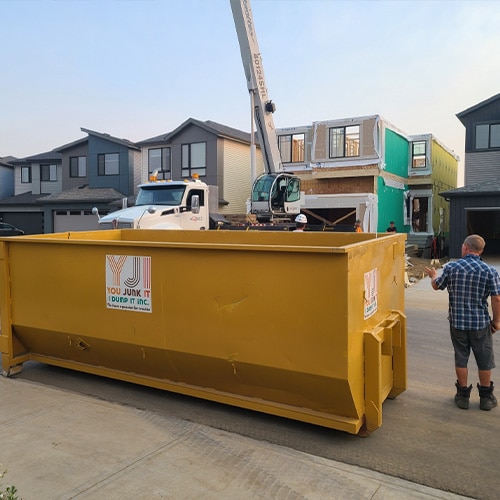
Large yellow dumpster with You Junk It logo in front of a construction site, ready for debris removal.

Understanding Contractor Waste Needs

Embarking on a contractor deep dive into waste management is crucial for any successful project, ensuring efficiency and compliance from start to finish. Effective waste disposal isn’t just about hauling away debris; it involves strategic planning to minimize environmental impact and optimize project timelines. Understanding how to choose the right dumpster size for your project is a key part of this planning.

Every construction or renovation project generates a unique mix of materials, from concrete and wood to drywall and packaging. Recognizing the specific types and volumes of waste produced allows contractors to implement targeted disposal strategies. For instance, knowing the difference between bin sizing options can significantly impact cost and efficiency.

A comprehensive understanding of these needs early in the project lifecycle can prevent delays, reduce costs, and contribute to a cleaner, safer worksite. This proactive approach is a hallmark of responsible contracting.

Why Proper Contractor Waste Disposal Matters

Proper contractor waste disposal is a critical aspect of any construction or renovation project. It extends beyond simply removing debris, impacting project efficiency, environmental responsibility, and compliance with local regulations.

A thorough contractor deep dive into waste management practices can identify areas for improvement and ensure projects run smoothly from start to finish. For instance, understanding how to choose the right dumpster size for your project is a key part of this process. Additionally, knowing how to dispose of yard waste is essential for many projects. Learn more about how to dispose of yard waste for more.

Effective waste management offers numerous benefits, contributing to a cleaner and safer work environment. It also plays a vital role in upholding a company’s reputation and avoiding potential legal issues.

Neglecting proper disposal methods can lead to significant penalties and unnecessary project delays. Therefore, understanding its importance is key for all contractors.

The significance of a well-executed waste disposal strategy becomes clear when considering its impact on project timelines and budgets. An organized approach minimizes disruptions and optimizes resource allocation.

It also fosters a positive image within the community, demonstrating a commitment to responsible business practices. This careful consideration is a central part of any comprehensive contractor deep dive.

Core Principles of Contractor Waste Management

Effective contractor waste management is built upon a foundation of core principles that prioritize efficiency, safety, and environmental responsibility. A thorough contractor deep dive into these principles ensures that projects run smoothly while minimizing their ecological footprint and adhering to regulations.

Implementing these principles from the project’s inception can prevent costly delays and environmental issues. Understanding the nature of waste generated and planning for its disposal are crucial steps, and knowing how to choose the right dumpster size can significantly impact efficiency.

  • Waste Segregation at Source: This involves separating different types of waste (e.g., wood, metal, concrete, hazardous materials) as they are generated on-site. Proper segregation simplifies recycling and disposal processes.
  • Reduce, Reuse, Recycle (3Rs): Prioritizing waste reduction, identifying opportunities for material reuse, and maximizing recycling efforts significantly decrease the volume of waste sent to landfills.
  • Compliance with Regulations: Adhering to local, provincial, and federal waste disposal laws and regulations is paramount. This includes proper handling of hazardous materials and obtaining necessary permits.
  • Efficient Logistics and Transport: Planning for the timely and cost-effective removal of waste from the site, including choosing appropriate bins and transportation methods.
  • Detailed Documentation: Maintaining accurate records of waste generated, transported, and disposed of is essential for tracking progress, ensuring compliance, and providing transparency.

A comprehensive contractor deep dive into these operational strategies allows for a more streamlined approach to waste management. It helps identify potential challenges and opportunities for improvement before they impact project timelines or budgets. For instance, understanding your options for 20 yard bin rental can be crucial for larger projects.

By integrating these principles into daily operations, contractors can enhance their sustainability profile and demonstrate a commitment to responsible construction practices. This proactive stance benefits not only the environment but also the contractor’s reputation and bottom line.

For construction projects, understanding the nuances of construction junk removal can significantly streamline operations and reduce costs.

For construction projects, understanding the right bin size is crucial for efficient waste management; consult how to choose the right dumpster size for your needs.

Implementing core principles of contractor waste management is vital for efficient, safe, and environmentally responsible project execution, ensuring compliance and maximizing resource recovery.

Estimating Contractor Waste Disposal Costs

Understanding the financial implications of contractor waste disposal is crucial for effective project management. A thorough contractor deep dive into potential waste streams and disposal methods can significantly impact your budget and overall project efficiency.

Accurate cost estimation involves considering various factors, from the type and volume of debris to local regulations and transportation logistics. Unexpected costs can quickly accumulate if waste management isn’t meticulously planned from the outset of a project.

To help illustrate different approaches to contractor waste disposal, we’ve outlined a comparison of common methods:

Disposal MethodDescriptionTypical CostsTime Efficiency
Roll-Off Bin RentalOn-site bins of various sizes for debris collection.Moderate (based on size, rental period, and weight).High (flexible loading, scheduled pick-up).
Junk Removal ServiceProfessional team collects and hauls away waste.Higher (includes labor and hauling).Very High (often same-day or next-day service).
Self-HaulingContractor transports waste to a disposal facility.Lower (fuel, dump fees, labor).Moderate (requires own vehicles and labor).

When choosing a disposal method, it’s important to consider the scale of your project and the types of waste generated. For instance, understanding how to choose the right dumpster size can prevent overspending or inadequate capacity. For more details, consult our small dumpster rental guide for more.

Each method presents a different cost structure and level of convenience. A detailed contractor deep dive into your project’s specific needs will help determine the most economical and efficient solution.

When calculating costs, remember to factor in potential charges for hazardous materials, special waste, or exceeding weight limits. Engaging with a professional waste management service can often provide a more accurate and transparent cost breakdown, preventing unforeseen expenses.

Efficiently managing contractor waste disposal costs requires careful planning and a clear understanding of available services. By conducting a thorough assessment, you can optimize your budget and ensure compliant, responsible waste removal.

Choosing the Right Waste Disposal Service

Selecting the ideal waste disposal service is crucial for any successful contracting project. A thorough contractor deep dive into available options ensures efficiency, cost-effectiveness, and compliance with local regulations. This process involves evaluating various factors to match the service provider’s capabilities with your project’s specific demands, and understanding the benefits of professional junk removal can be a real time saver.

Assessing Your Project’s Specific Needs

Before committing to a waste disposal service, it’s essential to conduct a detailed contractor deep dive into your project’s waste generation profile. Different projects produce different types and volumes of waste, from construction debris to general refuse. Understanding the right dumpster size for your project is a key part of this assessment, and for smaller amounts of specific materials, you might consider how to recycle paper at home.

  • Waste Volume: Estimate the total amount of waste your project will generate. This helps determine the size and number of bins or containers required.
  • Waste Type: Identify the specific materials that will be disposed of, such as concrete, wood, metal, or mixed debris. Some services specialize in certain waste streams.
  • Project Duration: Consider how long your project will last, as this impacts the frequency of waste collection and the overall service contract.
  • Site Constraints: Evaluate access limitations at your project site that might affect bin placement or collection vehicle maneuverability.

Evaluating Service Provider Capabilities

Once you understand your project’s needs, the next step in a contractor deep dive is to scrutinize potential waste disposal providers. Their capabilities directly impact your project’s waste management success. Understanding how to choose the right dumpster size is crucial for efficient project cleanup, and our guide to 20 vs 30 yard bin rental can help.

  • Range of Services: Does the provider offer the specific types of containers (e.g., roll-off bins, dumpsters) and collection frequencies you need?
  • Environmental Practices: Inquire about their commitment to recycling and responsible disposal methods. This is increasingly important for sustainable construction.
  • Reliability and Reputation: Look for companies with a proven track record of timely service and good customer feedback. Delays in waste removal can disrupt project timelines.
  • Licensing and Insurance: Ensure the service provider is properly licensed and insured to operate in your area, protecting you from potential liabilities.

Cost and Contractual Considerations

A comprehensive contractor deep dive must also include a careful examination of pricing structures and contractual terms. Understanding these elements will prevent unexpected costs and ensure a smooth working relationship. For instance, knowing the right dumpster size for your project can significantly impact overall costs, as detailed in our guide to dumpster sizing. For specific waste types, consult our Edmonton yard waste removal guide.

  • Pricing Models: Compare flat rates, weight-based fees, and rental periods from different providers. Ask about potential extra charges for specific waste types or overfilling.
  • Contract Flexibility: Review the terms for rental duration, extensions, and early termination. Projects can sometimes run longer or shorter than anticipated.
  • Invoicing and Payment: Clarify billing cycles and accepted payment methods. Transparent invoicing helps in managing project budgets effectively.
  • Customer Support: Assess the ease of communication and responsiveness of their customer service team, which is vital for addressing any issues that may arise.

Key Contractor Waste Disposal Services Offered

Professional waste disposal services are crucial for maintaining clean and efficient construction sites. A comprehensive contractor deep dive into available services reveals how these specialized providers cater to the unique demands of various projects, from minor renovations to major demolitions. Selecting the correct dumpster size is a key part of this process, and our guide on how to choose the right dumpster size can help.

Understanding the range of offerings ensures contractors select the most appropriate solutions for their specific needs, optimizing both cost and environmental impact. These services go beyond simple trash removal, offering tailored approaches to handle diverse waste streams.

  • Construction Debris Removal. This service focuses on clearing common construction waste such as wood, drywall, metal, and concrete. Timely removal helps keep work sites safe and organized, contributing to project efficiency.
  • Demolition Waste Hauling. Demolition projects generate substantial amounts of heavy, bulky, and often mixed debris. Specialized hauling services manage this scale of waste, ensuring proper transport and disposal in compliance with local regulations.
  • Site Cleanup and Junk Removal. After a project is complete, or even during various phases, a thorough site cleanup removes remaining clutter and miscellaneous junk. This service ensures the site is pristine and ready for the next stage or handover.
  • Roll-Off Bin Rentals. Many contractors benefit from renting various sizes of roll-off bins, which are delivered to the site and picked up once filled. This flexible option allows for on-site accumulation of waste, simplifying debris management for different project durations and volumes. Learn more about Edmonton dump fees for your project needs.
  • Hazardous Material Management. While less common, some construction projects encounter hazardous materials like asbestos or lead paint. Specialized services exist to safely contain, transport, and dispose of these dangerous substances according to strict guidelines.

By leveraging these specialized services, contractors can streamline their operations and adhere to environmental standards, making a professional contractor deep dive into disposal options an essential step for any project. Understanding how to select the appropriate bin size is crucial for efficient waste management, so reviewing our guide to Edmonton garbage bin options can be very helpful.

Benefits of Professional Contractor Waste Disposal

Engaging professional waste disposal services offers numerous advantages for contractors. A thorough contractor deep dive into waste management strategies reveals that these benefits extend beyond mere compliance, impacting project efficiency, safety, and cost-effectiveness.

Having managed waste disposal for numerous construction projects, our team has seen firsthand how professional services prevent costly delays and ensure projects run smoothly. Outsourcing waste management allows contractors to focus on their core competencies, leading to better project outcomes.

  • Enhanced Efficiency: Professional services streamline waste removal, preventing on-site accumulation that can hinder progress and create bottlenecks. This efficiency contributes significantly to project timelines.
  • Cost Savings: While there’s an upfront cost, professional disposal can reduce expenses associated with labour, equipment rental, and potential fines for improper disposal. They often have better recycling rates, further reducing landfill fees.
  • Safety Improvements: Construction sites are inherently risky. Professional waste removal minimizes hazards posed by debris, sharp objects, and hazardous materials, creating a safer environment for workers.
  • Regulatory Compliance: Navigating complex waste disposal regulations can be challenging. Experts ensure all waste is handled and disposed of according to local and provincial laws, preventing legal issues and penalties.
  • Environmental Responsibility: Many professional waste services prioritize recycling and proper hazardous waste management, helping contractors meet sustainability goals and reduce their environmental footprint. This responsible approach is crucial for a comprehensive contractor deep dive into project ethics, especially when considering job site cleanup best practices.

Professional waste disposal services are integral for efficient, safe, and compliant project management, offering substantial benefits to contractors.

Navigating Regulations for Waste Disposal

Understanding and adhering to waste disposal regulations is crucial for any contractor. Non-compliance can lead to significant fines, project delays, and damage to a company’s reputation. A thorough contractor deep dive into local, provincial, and federal guidelines is essential before commencing any project.

Regulations often dictate how specific types of waste must be handled, transported, and disposed of. This includes everything from general construction debris to hazardous materials. Keeping up-to-date with these rules ensures that all operations are legal and environmentally sound.

Key regulatory considerations for contractor waste disposal include:

For contractors working on job sites, understanding the best practices for cleanup is vital. This includes knowing how to properly sort and dispose of various materials, which can be a complex process. Consulting a contractor’s guide to efficient job site cleanup can provide valuable insights into managing waste effectively, such as exploring eco-friendly junk removal options.

  • Waste Classification: Correctly identifying and segregating different types of waste, such as inert, hazardous, or recyclable materials, is the first step in compliance.
  • Permitting and Licensing: Certain waste disposal activities, especially for larger projects or specific waste types, may require permits or licenses from local authorities.
  • Transportation Requirements: Regulations often specify how waste must be transported, including vehicle requirements, documentation, and designated routes.
  • Disposal Site Approval: Waste must be taken to authorized and licensed disposal facilities, such as landfills, recycling centers, or specialized treatment plants.
  • Record Keeping: Maintaining detailed records of waste generation, transportation, and disposal is often a legal requirement and aids in demonstrating compliance during inspections.
  • Environmental Protection: Adhering to environmental protection acts that prevent pollution of soil, water, and air during waste management processes.

Ignoring these regulations can have serious consequences. For instance, improper disposal of hazardous waste can result in severe environmental contamination and legal penalties. Conducting a comprehensive contractor deep dive into these aspects can prevent costly mistakes, and our job site cleanup guide offers valuable insights into local waste solutions, including options for junk removal in Edmonton for more.

Staying informed about regulatory changes is an ongoing responsibility. Local municipalities and provincial environmental agencies frequently update their guidelines. Contractors should regularly consult official government websites and relevant industry associations to ensure continuous compliance.

Eco-Friendly Contractor Waste Disposal Practices

Adopting eco-friendly practices in contractor waste disposal is crucial for environmental stewardship and often results in cost savings. A thorough contractor deep dive into sustainable methods can significantly reduce your project’s ecological footprint.

By implementing thoughtful waste management strategies, contractors can contribute to a healthier planet while also enhancing their company’s reputation.

Here are several steps to ensure your construction and renovation projects align with environmentally conscious principles:

Understanding the right dumpster size for your project is a key step in efficient waste management, and our guide to choosing the right dumpster size can help you make an informed decision.

  • Sort and Separate Waste at the Source: Implement on-site sorting systems to separate recyclables like cardboard, plastics, metals, and clean wood from general debris. This proactive approach makes recycling more efficient and reduces the volume of waste sent to landfills. For guidance on sorting, consult the Edmonton waste sorting guide for more.

  • Utilize Responsible Disposal Methods: Partner with waste disposal services that prioritize recycling, composting, and proper handling of hazardous materials. Ensure they adhere to all local regulations and have a proven track record of environmentally sound practices. This is a critical aspect of any contractor deep dive into waste management, and exploring junk removal services can simplify the process.

Timing is crucial when it comes to managing construction waste effectively. A proper contractor deep dive into project timelines can help determine the optimal moments for professional waste removal, ensuring efficiency and cost savings.

Early planning is essential. Before a project even begins, it’s beneficial to integrate waste management strategies into the overall project plan. This includes anticipating the types and volumes of waste that will be generated at different phases.

For large-scale demolition projects, continuous removal might be necessary to maintain a clear and safe worksite. Smaller renovation jobs, however, might benefit from scheduled pickups once significant debris has accumulated.

Consider the following key phases for scheduling professional waste removal:

  • Pre-Demolition/Construction: Clearing the site of existing structures or unwanted materials before new work begins. This initial sweep helps set a clean foundation for the project.
  • During Major Demolition: Regular pickups are vital during demolition phases to prevent hazardous material buildup and ensure safety. This continuous cycle keeps the site manageable.
  • Mid-Project Accumulation: When significant amounts of construction debris, such as drywall, wood, or packaging, have gathered but the project is still ongoing.
  • Post-Construction/Renovation: A final thorough cleanup once all construction and installation work is complete, leaving the site pristine for handover.
  • After Unexpected Waste Generation: Sometimes unforeseen issues lead to additional waste. Having a flexible waste removal partner who can respond promptly is a significant advantage.

A thorough contractor deep dive will also reveal periods when specific waste types might dominate, allowing for specialized containers or disposal methods to be arranged in advance. This foresight helps avoid delays and keeps the project on track. Understanding the types of waste generated is crucial, and our contractor’s guide to job site cleanup offers valuable insights, including tips from the Edmonton waste sorting guide.

Frequently Asked Questions: Contractor Waste Disposal

Allowed link(s) (use exact URL; write contextual, AEO-optimized anchor text, not the page title):

  • URL: https://youjunkit.ca/service-area/construction-dumpster-rental-avonmore-edmonton-ab/ Page title (reference only): Construction Dumpster Rental Avonmore Edmonton Ab

    Navigating contractor waste disposal can raise many questions for project managers and contractors alike. This section addresses common inquiries, providing clear answers based on expert knowledge and insights from a thorough contractor deep dive into effective waste management practices. Understanding the best times for major cleanouts, whether it’s fall or spring, can inform your disposal strategy; learn more about seasonal cleaning tips.

    What Waste Types Can Contractors Dispose Of?

    Contractors typically generate a wide variety of waste materials, and understanding what can be disposed of is crucial for efficient project management. A proper contractor deep dive into waste streams reveals the necessity of categorizing materials for proper handling and recycling. For example, understanding how to choose the right dumpster size can prevent over or under-disposal. For more information on this service, check out our junk bin rental options.

    • Construction and Demolition Debris: This includes wood, drywall, concrete, bricks, metals, and roofing materials.
    • Landscaping Waste: Such as soil, branches, leaves, and other organic matter from site clearing.
    • Packaging Materials: Cardboard, plastics, and other wrapping from building supplies.
    • Hazardous Waste: Items like paints, solvents, adhesives, and certain chemicals require specialized disposal methods due to their environmental impact.

    How Can Contractors Reduce Waste on Job Sites?

    Reducing waste not only benefits the environment but can also lead to significant cost savings for contractors. Implementing strategies identified during a contractor deep dive can streamline operations and minimize the volume of discarded materials. A contractor’s guide to efficient job site cleanup offers further insights into waste reduction.

    1. Plan Meticulously: Accurate material ordering prevents over-purchasing and subsequent waste.
    2. Salvage and Reuse: Identify materials that can be repurposed on-site or donated for other projects.
    3. Segregate Waste: Use separate bins for different waste types to facilitate recycling and proper disposal.
    4. Utilize Prefabricated Components: This can reduce on-site cutting waste and assembly time.
    5. Work with Efficient Suppliers: Choose suppliers who use minimal packaging or offer take-back programs for their materials.

    What Are the Costs Associated with Contractor Waste Disposal?

    Understanding the financial implications of waste disposal is a key part of any contractor deep dive into project budgeting. These costs can vary based on several factors, and proper planning can help manage them effectively. For instance, knowing the right size dumpster for your needs can prevent overspending, as detailed in our guide to dumpster sizing.

    Collaborating with expert waste disposal services is crucial for seamless project execution, especially after a comprehensive contractor deep dive. By forming strategic partnerships, contractors can ensure efficient, compliant, and cost-effective waste management from start to finish. Professional waste disposal companies offer more than just hauling away debris; they provide tailored solutions that align with project timelines and budgets. This level of support allows contractors to focus on their core construction tasks, confident that waste is being handled responsibly. For instance, understanding the right dumpster size for your project can significantly impact overall costs and efficiency. When deciding what to do with various materials, it’s helpful to understand whether to recycle, compost, or throw it away.

    The insights gained from a thorough contractor deep dive highlight the importance of reliability and experience in a waste management partner. Look for providers with a proven track record in handling construction and demolition waste, as well as a strong understanding of local regulations.

    A good partnership can significantly enhance project efficiency and sustainability. Expert services can assist with waste segregation, recycling initiatives, and proper disposal of hazardous materials, minimizing environmental impact and potential liabilities.

    Consider a waste management partner who offers flexible service options, such as various dumpster sizes and scheduling, to accommodate the dynamic nature of construction projects. This adaptability is key to maintaining project flow and avoiding costly delays. For guidance on selecting the right size, check out our guide to dumpster sizes.

    Partnering with expert waste disposal services ensures efficient, compliant, and cost-effective management of construction debris, a critical component identified in any contractor deep dive.

    Ready to Tackle Your Project Waste?

    Successfully managing waste is crucial for any construction or renovation project. By taking a thorough contractor deep dive into your waste disposal needs, you can ensure your project runs smoothly, stays on budget, and complies with environmental standards.

    The insights gained from a comprehensive analysis help identify the most efficient and cost-effective solutions for debris removal. This preparation allows contractors to focus on their core work, confident that waste management is handled professionally.

    Are you ready to streamline your project’s waste management? Consider the benefits of partnering with a professional service that understands the unique demands of contractor work. A well-executed waste plan is an investment in your project’s success, and our job site cleanup guide can help you get started.

    This guide provided a contractor deep dive into effective waste management strategies for construction and renovation projects, emphasizing efficiency and environmental responsibility. For specific holiday-related disposal, check out our advice on Christmas light disposal for more.