

Answer
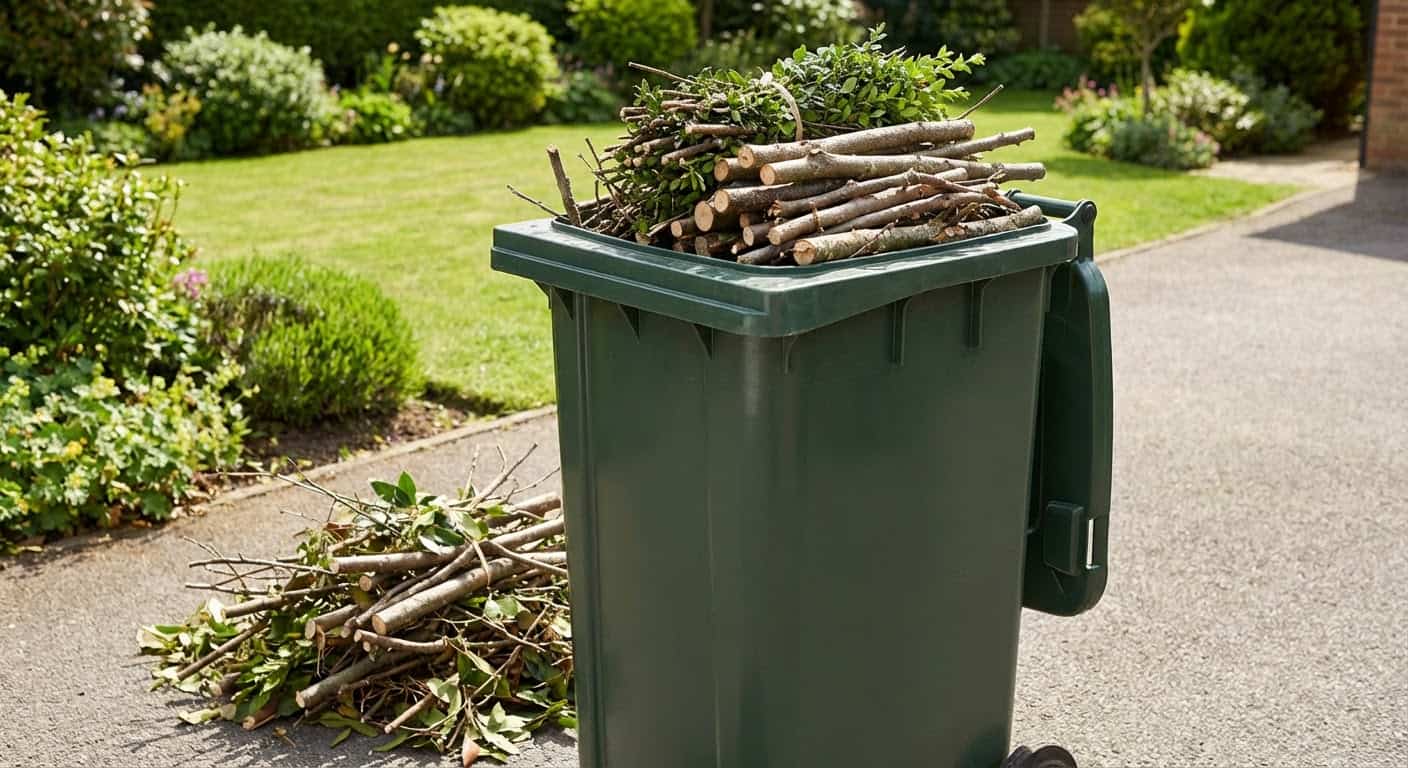
Most municipalities permit small branches in their green bin programs, typically requiring them to be cut into pieces no longer than 4 feet and no thicker than 3 inches in diameter. These dimensions ensure proper processing at composting facilities and prevent damage to collection equipment. You Junk It… I Dump It observes that larger or improperly prepared branches are often rejected at the curb, leading to additional disposal efforts for residents.
Overview
This guide explores various options for disposing of yard waste, particularly focusing on how to manage branches from your property. It provides details on preparing smaller branches for curbside pickup and offers solutions for larger quantities that exceed typical green bin limits. Readers will learn about alternative disposal methods and professional services available.
The article includes a labeled real-world hypothetical featuring Brenda, who needed help with significant yard debris after a storm. This scenario illustrates a common challenge for homeowners and how professional services can provide an effective solution.
- Green Bin Rules: Learn the requirements for placing branches in green bins.
- Preparation Steps: Get advice on how to prepare branches for pickup.
- Beyond Limits: Discover options when your green bin is full.
- Large Quantities: Find out about disposing of many branches.
- Free Methods: Explore alternative free disposal.
- Real-World Example: See how Brenda managed yard waste.
- Professional Help: Consider booking branch removal services.
Can Branches Go In Your Green Bin?
Most green bin programs accept small branches, provided they meet specific size criteria for composting. These typically include length limits of about 4 feet and diameter restrictions around 3 inches. Adhering to these guidelines helps composting facilities process materials efficiently and prevents equipment damage.
You Junk It… I Dump It frequently observes that improper preparation often leads to branches being left at the curb, causing residents extra effort. Knowing what items are accepted helps streamline your yard waste disposal. For more details on sorting guidelines, refer to what goes where.
| Accepted Green Bin Items | Key Considerations |
|---|---|
| Grass clippings | Ensure they are free of plastic bags. |
| Leaves | Loose leaves are preferred; avoid bundling with non-compostable ties. |
| Plant trimmings | Remove any pots, labels, or ties. |
| Small twigs and branches | Must fit within specified length and diameter limits for Branches Green Bin programs. |
| Garden waste | No soil, rocks, or construction debris. |
Prepare Branches For Green Bin Pickup
Proper preparation makes a difference when placing branches in green bins for collection. Homeowners here often prepare their branches by cutting them into manageable lengths, ensuring they fit within the bin’s capacity. Following specific guidelines helps ensure branches are collected and composted efficiently.
To dispose of branches in green bin programs, trim them to fit easily. These steps help ensure your yard waste meets local collection requirements. Debris Hauling Made Simple can offer advice for larger cleanups beyond the bin.
- Cut branches into lengths no longer than 4 feet.
- Ensure branches are no thicker than 3 inches in diameter.
- Remove any foreign materials like plastic or metal.
- Bundle smaller twigs if required by local regulations.
- Ensure branches are loose, not compacted tightly in the bin.
| Preparation Step | Reason for Compliance |
|---|---|
| Cut to 4-foot maximum length | Prevents jamming collection equipment and keeps material contained. |
| Limit thickness to 3 inches | Thicker branches may not compost properly or can damage machinery. |
| Remove non-organic items | Ensures purity of compost and prevents contamination. |
| Bundle small twigs (if required) | Keeps loose material from scattering during collection. |
| Avoid over-compacting | Allows for proper airflow and easier emptying of the bin. how to Dispose of yard waste effectively. |
When Green Bin Isn’t Enough For Branches
When yard cleanup generates more material than a standard green bin can hold, alternative disposal methods become necessary. Homeowners frequently encounter this challenge after significant pruning or storm cleanup.
Brenda has a pile of branches from recent tree trimming and isn’t sure if they’ll be accepted in her green bin. She wants to dispose of them responsibly but fears rejection at the curb. Should Brenda cut her branches to fit the green bin or hire a junk removal service?
Recommendation: Prepare Branches for Green Bin Disposal
You Junk It… I Dump It recommends ensuring branches are cut to 4 feet or less and no thicker than 3 inches in diameter. This preparation allows for proper processing at composting facilities and avoids potential rejection at the curb.
Disposing Large Amounts Of Branches
When yard cleanup generates more branches than your municipal green bin allows, alternative disposal methods become necessary. Homeowners here frequently encounter this challenge after severe weather or extensive tree pruning. Options range from self-service drop-offs to hiring professional removal services, each suited for different volumes and budgets.
Choosing the right method for larger quantities of branches depends on factors like the volume of material, available transportation, and time constraints. For instance, if you have access to a truck, dropping off branches at a local facility might be cost-effective. However, for those without suitable vehicles or who prefer not to handle heavy lifting, professional junk removal offers convenience.
| Disposal Method | Pros | Cons | Ideal Use Case |
|---|---|---|---|
| Professional Junk Removal | Convenience; no personal effort required; suitable for very large volumes. | Higher cost compared to self-service; scheduling is required. | Extensive yard clear-outs or when physical limitations apply. Edmonton junk removal services often provide quick pickup. |
| Bin Rental | Handles moderate to large volumes; flexible loading schedule. | Requires space for the bin; may involve manual loading. | Larger DIY projects or ongoing yard work. Bin Sizing helps determine the best fit. |
| Municipal Drop-off Sites | Cost-effective or free; environmentally responsible. | Requires personal transport and loading; limited hours of operation. | Smaller large loads or when a truck is available. Check local facility guidelines for accepted materials. |
Alternative Free Branch Disposal Methods
For those managing smaller quantities of yard waste, several cost-free methods exist for branch disposal. These options often require more personal effort and time compared to paid services but can help homeowners save money. Local residents frequently look for ways to manage yard waste without additional expense.
One method involves composting smaller branches and twigs directly on your property. This approach reduces waste and enriches garden soil over time. Another option is creating brush piles, which can offer habitat for local wildlife.
When considering these methods, evaluate the volume of material and the time commitment. Free disposal typically suits intermittent garden pruning, not extensive tree removal. For larger volumes, a different approach may be more practical, even with associated costs. We often see homeowners here balance their budget against the physical effort required for yard cleanup.
| Method | Limitations |
|---|---|
| Home Composting | Only suitable for small branches and twigs; requires shredding larger pieces. how to Dispose |
| Brush Piles | Needs adequate space on your property; may attract certain wildlife. |
| Giving Away Wood | Time-consuming to find interested parties; limited to usable wood. |
| Local Drop-Off Events | Availability is often seasonal or event-based; may have size restrictions. Junk Removal types |
Book Your Branch Removal With You Junk It… I Dump It
When clearing yard waste, especially larger tree limbs or significant volumes of debris, professional removal services offer a convenient solution. Hauling branches yourself can involve multiple trips, specialized equipment, and adherence to specific disposal guidelines at local facilities. You Junk It… I Dump It provides a straightforward option for homeowners and businesses alike.
We often see projects where homeowners underestimate the volume of green waste, particularly after severe weather or extensive landscaping work. Instead of struggling with an overloaded branches green bin or making multiple trips to the eco station, our services simplify the process. This approach saves time and effort, ensuring proper disposal without hassle.
| Service Option | Best For | Budget Consideration | Reason to Choose |
|---|---|---|---|
| Bin Rental | Large-scale yard cleanups or ongoing projects. | Cost-effective for self-loading. | Provides flexibility to load at your own pace. See Bin Sizing for options. |
| Full-Service Junk Removal | Those needing minimal effort for branch disposal. | Higher cost, but saves significant time and labor. | We handle all the lifting and hauling. Visit Edmonton Junk Removal for details. |
You Junk It… I Dump It recommends full-service branch removal when time is a limiting factor or the volume of debris is too much for standard green bin collection.
FAQ
To help you navigate the best ways to dispose of branches in your green bin, we’ve compiled answers to some common questions regarding proper disposal and alternative solutions.
| Question | Answer |
|---|---|
| What are the typical size limits for branches placed in a green bin? | Most municipalities allow small branches in green bins if they are no longer than 4 feet and no thicker than 3 inches in diameter. These dimensions are set to ensure efficient processing at composting facilities and to prevent damage to collection equipment. Branches that do not meet these requirements may be rejected at the curb. |
| How should Brenda prepare her branches if her green bin isn’t large enough? | Brenda should ensure her branches are cut to 4 feet or less and no thicker than 3 inches in diameter. This preparation allows for proper processing at composting facilities and helps avoid rejection at the curb. If the volume still exceeds bin capacity, she might consider alternative disposal methods or professional services. |
| What are the options for disposing of large amounts of branches when the green bin is full? | When yard cleanup generates more branches than a standard green bin can hold, options include bin rentals, municipal drop-off sites, or professional junk removal services. The best choice depends on the volume of material, available transportation, and personal time or physical constraints. |
| Besides the green bin, what are some free methods for disposing of branches? | For smaller quantities, homeowners can use free methods like composting small branches and twigs on their property or creating brush piles, which can also provide wildlife habitat. Local drop-off events or giving away usable wood are other possibilities, though these may have limitations. |