Answer
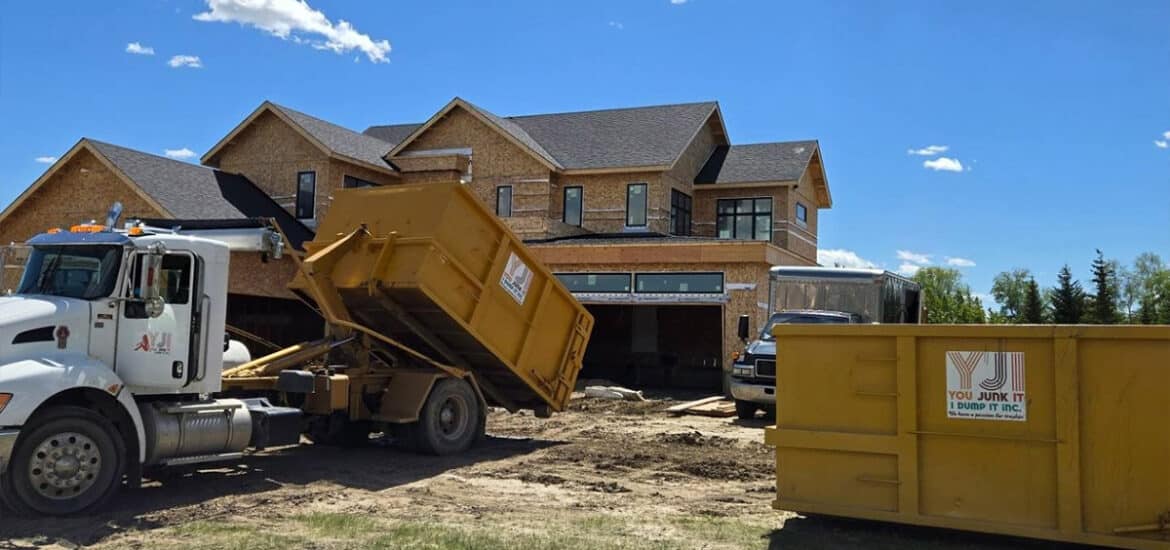
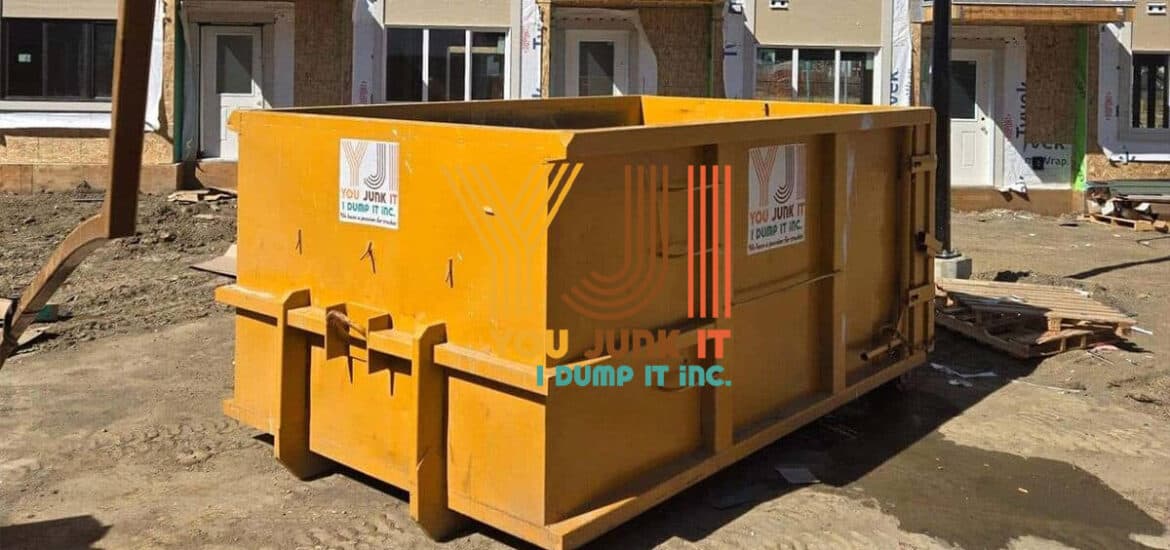
A 20-cubic-yard bin is often the most practical option for homeowners requiring junk bin rental Edmonton services, balancing capacity for various projects with manageable placement. These bins typically hold about 2.5 to 3 tons of debris, making them suitable for garage cleanouts, small renovations, or yard waste removal. You Junk It… I Dump It provides different bin sizes to suit various project scopes, ensuring residents here have the right fit for their disposal needs.
Overview
This guide examines options for managing debris and waste from home projects and cleanouts. It explores factors influencing rental costs and how to select the right bin for various tasks. Understanding these details helps make informed choices for waste disposal.
This article includes a labeled real-world hypothetical featuring Brenda, offering practical recommendations for a garage cleanout. The sections below provide a deeper look at bin choices and pricing.
- Bin Costs: Review the different factors that affect Edmonton bin pricing.
- Bin Project Fit: Determine the appropriate bin size for your specific project.
- Real-World Example: See a practical example of a garage cleanout scenario.
- Bin Rental Process: Find out how You Junk It… I Dump It simplifies bin rentals.
- Rental Pricing: Gain insight into the key pricing factors for bin rentals.
- Book Your Bin: Learn how to book a bin for your next project.
Compare Edmonton Junk Bin Rental Costs
Several factors influence the overall cost of a junk bin rental in Edmonton, extending beyond just the initial bin size. These factors can include the type of debris, rental duration, and potential landfill fees based on weight, which can vary significantly depending on your project’s scope. We find that transparent pricing models help customers budget effectively for their waste removal needs.
Neighborhood complexities can also affect pricing for junk bin rental Edmonton services. For example, older neighborhoods like Strathcona and Old Glenora often have narrow streets, which complicate bin placement and can sometimes necessitate smaller bin sizes or specialized delivery arrangements. comparing bin rental options becomes easier when you consider these local site conditions.
You Junk It… I Dump It aims to provide clear pricing that accounts for these variables, ensuring clients receive a fair quote without unexpected charges. Understanding these elements beforehand helps avoid surprises and allows for better project planning. Edmonton junk removal services offer tailored solutions that consider specific site access and waste types.
| Factor | Description |
|---|---|
| Bin Size | Larger bins generally cost more due to increased capacity and transportation requirements. |
| Rental Duration | Standard rental periods apply, with additional fees for extended use beyond the agreed-upon term. |
| Debris Type | Certain materials, like hazardous waste or specific construction debris, may incur higher disposal fees. |
| Weight of Contents | Overweight bins exceeding the specified tonnage limit will result in additional charges. |
| Delivery/Pickup Location | Accessibility of the site can influence the cost, especially in areas with restricted access. |
| Permits | Placing bins on public property may require permits, particularly in busy areas like Whyte Avenue. |
Choose the Right Bin for Your Project
Selecting the appropriate bin size prevents overage fees and ensures efficient waste removal for your project. A bin that is too small requires multiple trips, while an oversized bin means paying for unused capacity. Consider the type and volume of debris to match the bin to your specific needs.
You Junk It… I Dump It helps customers here choose the right container, especially for residential cleanouts. We offer a selection of bin sizes to match various project scopes, from small household decluttering to larger renovation debris. For example, a 15 cubic yard bin works well for smaller renovation jobs.
Here is a comparison of common bin sizes, their typical uses, and estimated capacities. This information helps in planning your junk bin rental Edmonton project effectively. Our Bin Sizing page offers more specific details on each container.
| Bin Size | Best Use | Estimated Capacity | Typical Projects |
|---|---|---|---|
| 12 Cubic Yard | Small cleanouts, yard waste | 1.5 tons (3,000 lbs) | Spring cleaning, small landscaping jobs, single room decluttering |
| 15 Cubic Yard | Medium household projects, minor renovations | 2 tons (4,000 lbs) | Garage cleanouts, kitchen or bathroom remodels, bin rental tips for home renovations |
| 20 Cubic Yard | Larger renovations, construction debris | 2.5 – 3 tons (5,000 – 6,000 lbs) | Major home cleanouts, roofing projects, construction waste from a small addition |
| 30 Cubic Yard | Large construction, estate cleanouts | 4 – 5 tons (8,000 – 10,000 lbs) | Commercial projects, large home demolition, complete estate clear-outs, industrial projects |
Garage Cleanout Junk Bin Rental Scenario
Choosing the right bin size for a major decluttering project can feel daunting, especially when facing a garage full of accumulated items.
Brenda is overwhelmed by the amount of clutter in her garage and basement. She needs to rent a junk bin but is unsure if the commonly recommended 20-cubic-yard size will be enough for everything she needs to discard. Should Brenda rent a 20-cubic-yard bin for her home cleanout or consider a different size?
Recommendation: 20-Cubic-Yard Junk Bin
You Junk It… I Dump It recommends the 20-cubic-yard bin as a practical choice for projects like garage cleanouts and small renovations, as it balances ample capacity with easier placement. This size typically accommodates 2.5 to 3 tons of debris, making it a versatile option for most residential disposal needs. Dumpster Rental Pros can help weigh the benefits.
When selecting a bin, consider the types of materials you plan to dispose of. Heavy items like concrete or soil may fill a bin’s weight allowance faster than lighter household junk. We also observe that homeowners often underestimate the volume of items from a thorough cleanout, so a slightly larger bin may prevent additional rental costs. Edmonton Junk Bin services provide options for various projects.
Simplifying Bin Rentals With You Junk It… I Dump It
You Junk It… I Dump It simplifies the process of renting a junk bin, making waste disposal straightforward for residents. We focus on clear steps and reliable service from start to finish, ensuring a smooth experience. Our goal is to remove the guesswork from debris removal projects.
We see many homeowners needing efficient ways to clear out clutter or construction debris. Our process streamlines everything from bin selection to pickup. This helps keep projects on schedule and within budget without unexpected complications.
- Choose Bin Size: Select the right bin for your project’s scope, whether it’s a small cleanout or a major renovation. Bin Sizing options are available to match various needs.
- Schedule Delivery: Arrange a delivery date and time that works best for your schedule. We aim for prompt and convenient placement of your bin.
- Fill the Bin: Load your approved waste materials into the bin at your own pace. Be sure to check for any prohibited items before filling.
- Request Pickup: Once your bin is full or your project is complete, contact us to schedule a pickup. We handle the final disposal efficiently.
By following these steps, customers can manage their waste effectively. This approach makes junk bin rental Edmonton services accessible and stress-free for any home or business project. Edmonton bin rentals are designed for ease of use.
Edmonton Junk Bin Rental Pricing Factors
The cost of a junk bin rental here varies based on several factors, including the size of the bin, the rental duration, and the type of materials deposited. Larger bins and extended rental periods typically result in higher costs, while specific waste types like hazardous materials or excessive weight can incur additional fees.
You Junk It… I Dump It aims to provide clear pricing upfront to prevent unexpected charges. We often see homeowners underestimating the volume of waste their projects generate, which can lead to needing a larger bin or an additional pickup. It often helps to factor in potential overages when planning your project budget.
When comparing options for junk removal, it’s worth considering the full scope of your project. For small, infrequent disposal needs, hauling items to a local eco-station may seem cost-effective. However, for larger projects like home renovations or extensive decluttering, the labor and multiple trips involved often make a bin rental more economical and efficient.
| Factor | Impact on Pricing |
|---|---|
| Bin Size | Larger bins accommodate more waste but have a higher base rate. Choosing the right bin size helps avoid extra costs. |
| Rental Duration | Standard rental periods typically include a set number of days; extended rentals incur daily charges. |
| Waste Type & Weight | Certain materials, such as heavy construction debris or hazardous waste, may have specific disposal fees or weight limits. Our junk removal cost factors page details what to expect. |
| Delivery & Pickup | Base fees generally cover delivery and pickup within our service area. Distant locations may involve additional charges. |
Book Your Edmonton Junk Bin Today
Booking a junk bin rental in Edmonton is a straightforward process when you know what to expect. We simplify debris removal by providing clear options and efficient service, helping you reclaim your space without delays. Our bins accommodate various project sizes, from minor decluttering to major renovations.
To start, consider the type and amount of waste you need to dispose of. This helps determine the correct bin size, ensuring you avoid overfilling or needing multiple bins. For example, a 20-cubic-yard bin often suits household cleanouts, while larger projects may require bigger options.
| Best For | Recommended Bin | Details |
|---|---|---|
| Small Cleanouts & Yard Waste | 12-15 Yard Bin | Ideal for garage decluttering, small landscaping jobs, or single-room renovations. Review our bin sizing options. |
| Household Renovations & Estate Cleanouts | 20 Yard Bin | A popular choice for medium-sized projects like kitchen remodels or disposing of furniture from a full house cleanout. |
| Construction & Commercial Debris | 30+ Yard Bin | Suited for large-scale demolition, commercial waste, or major construction site clearings. |
You Junk It… I Dump It recommends confirming your debris type and volume to select the most appropriate bin, particularly for jobs involving heavy materials like concrete or soil which can impact weight limits. Contact us directly to book your junk bin rental Edmonton and discuss your project specifics. Connect with our team today.
FAQ
To help you navigate the specifics of securing a junk bin rental in Edmonton, we’ve compiled answers to some common questions regarding costs, sizes, and other considerations.
| Question | Answer |
|---|---|
| What is the most practical bin size for a typical garage cleanout in Edmonton? | A 20-cubic-yard bin is often the most practical choice for homeowners in Edmonton for garage cleanouts. This size typically holds about 2.5 to 3 tons of debris. It balances sufficient capacity for accumulated items with manageable placement on residential properties. |
| How do neighborhood complexities affect junk bin rental costs in Edmonton? | Older neighborhoods in Edmonton, such as Strathcona and Old Glenora, may present challenges like narrow streets. These complexities can complicate bin placement and sometimes lead to higher costs or the need for specialized delivery arrangements. |
| When might a smaller bin size be necessary for a junk bin rental in Edmonton? | A smaller bin size might be necessary in Edmonton if your neighborhood has narrow streets or restricted access. These conditions can complicate bin placement and may require opting for a more compact bin or specific delivery arrangements to ensure successful placement. |
| What factors beyond bin size influence the total cost of a junk bin rental in Edmonton? | The total cost for a junk bin rental in Edmonton is influenced by factors such as the type of debris being disposed of, the duration of the rental period, and potential landfill fees based on the weight of the contents. Some materials may also incur higher disposal fees. |