Dump truck collecting debris at a residential construction site for junk removal.
Categories General

Job Site Cleanup: Contractor’s Guide

Mastering Job Site Cleanup

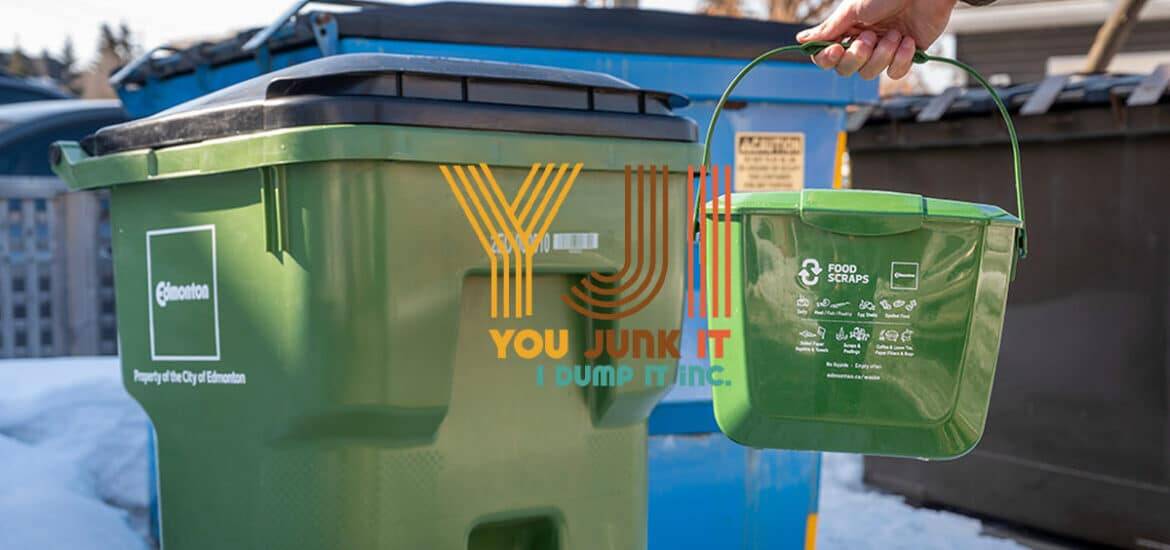
Can branches go in a green bin? This is a common question for contractors aiming for efficient job site cleanup, especially when managing organic waste alongside general construction debris. Understanding the proper disposal methods for various materials is crucial for maintaining project timelines and adhering to local waste management regulations. For more on this, check out our guide to branches in a green bin for more.

Effective job site cleanup goes beyond simply removing trash; it involves strategic debris hauling that contributes significantly to project success, safety, and overall site integrity. A well-organized approach ensures that work areas remain clear, preventing accidents and streamlining subsequent construction phases.

This guide delves into the intricacies of construction debris hauling, offering contractors practical insights and solutions for managing waste efficiently. From understanding debris types to selecting the right hauling services, we cover the essential aspects of maintaining a professional and safe work environment.

What is Construction Debris Hauling?

Construction debris hauling refers to the professional service of collecting and transporting waste materials generated from construction, renovation, demolition, and other building projects. Its significance lies in its ability to keep work sites safe, compliant with environmental regulations, and conducive to efficient workflow, preventing accumulation that could lead to hazards or project delays.

Debris TypeTypical Disposal Methods
Concrete & MasonryRecycling (crushing for aggregate), landfill
Wood & LumberRecycling, biomass fuel, landfill
DrywallRecycling (for agricultural use or new drywall), landfill
Metals (Steel, Aluminum, Copper)Scrap metal recycling
Asphalt ShinglesRecycling (for road construction), landfill
General Construction Waste (packaging, insulation, etc.)Landfill, recycling centers

Proper debris hauling ensures that materials are disposed of or recycled according to local ordinances, minimizing environmental impact. This service is a cornerstone of responsible construction practices, supporting both site safety and sustainability efforts. For specialized waste needs, understanding options is key, and services are available to assist with various construction site cleanup challenges.

When Do You Need Construction Debris Hauling?

Construction debris hauling becomes an indispensable service in numerous project phases, from initial site preparation to final touches. Recognizing these critical junctures allows contractors to proactively manage waste and maintain an organized, safe, and efficient work environment. This includes understanding what can and cannot be disposed of, such as knowing if branches can go in the green bin.

Post-Renovation Cleanup

After renovation projects, sites are often littered with discarded building materials, dust, and old fixtures. Professional hauling services are essential to clear these remnants efficiently, restoring the space to a clean state for the next phase of work or for client handover. This includes removing everything from old cabinetry to scrap lumber and packaging materials, ensuring no detail is overlooked. To manage this effectively, consider these helpful tips on how to manage junk and disposal options for more.

Demolition Projects

Demolition work, by its nature, generates substantial volumes of debris, including concrete, brick, wood, and metal. Timely and regular hauling is crucial to prevent hazardous accumulations, ensure structural stability of remaining elements, and maintain site accessibility for heavy machinery and personnel. For larger projects, understanding the benefits of a 20 yard bin rental can be very helpful.

Ongoing Site Maintenance

Even during ongoing construction, regular debris removal is vital. Small accumulations of waste can quickly become tripping hazards or hinder the movement of materials and workers. Scheduled hauling services keep the site manageable, contributing to a safer and more productive work environment throughout the project lifecycle, and there are even surprising benefits to junk removal for your home wellness.

Choosing the Right Debris Hauling Service

Selecting the appropriate debris hauling service involves considering factors such as bin size, rental duration, and the types of materials to be removed. Understanding your options, such as comparing 20 vs 30 yard bin rental, can help ensure efficiency and cost-effectiveness for your specific project needs.

Selecting the appropriate debris hauling service is a critical decision for contractors aiming for efficiency, cost-effectiveness, and compliance. A reliable partner ensures that waste is managed professionally, freeing up your team to focus on core construction tasks. Here are the key factors to consider when making your choice:

  1. Licensing and Insurance: Verify that the hauling company is properly licensed and insured. This protects your project from liability in case of accidents or damage during the hauling process.
  2. Service Scope and Availability: Ensure the service can handle the types and volume of debris your project generates. Check their availability for your project schedule, including emergency or same-day services if needed.
  3. Pricing Structure: Understand how the service charges. Options often include per-load pricing, by volume, or by weight. Get detailed quotes and compare them, looking for transparency in all fees.
  4. Reputation and Reviews: Research the company’s track record. Online reviews, testimonials, and references from other contractors can provide valuable insights into their reliability and professionalism.
  5. Eco-Friendly Practices: Inquire about their waste disposal and recycling practices. A commitment to sustainability aligns with modern construction standards and can help meet environmental goals for your project.

By carefully evaluating these factors, contractors can forge a partnership with a debris hauling service that enhances project efficiency and upholds safety standards.

What Can Be Hauled? Common Construction Debris

Construction sites generate a wide variety of materials that need to be removed. Understanding what can be hauled is crucial for effective waste management. Common items include lumber, drywall, concrete, bricks, asphalt, roofing materials, and general debris. For specific guidance on what items are commonly removed, you can refer to our Edmonton contractor junk bin rentals for more.

Understanding the types of debris that can be hauled is crucial for effective waste management on any construction site. This includes everything from concrete and asphalt to wood, drywall, and general construction waste. For more detailed information on specific items and how to manage them, consider exploring demolition cleanup solutions for more.

Construction sites generate a variety of materials that need to be removed. Common items include concrete, asphalt, wood, drywall, metal scraps, and general debris. Understanding what can be hauled is crucial for effective waste management, and you can learn more about specific items people often discard in our Edmonton garbage removal guide for more.

Understanding the range of materials that can be handled by debris hauling services is essential for effective waste management planning on any construction site. Hauling companies are equipped to manage a wide variety of materials, ensuring that different types of waste are disposed of or recycled appropriately. For instance, understanding Edmonton dump fees can help in deciding how to manage different types of waste.

  • Concrete and Masonry: Broken concrete, bricks, asphalt, drywall, plaster, and tile.
  • Wood and Lumber: Scrap wood, lumber offcuts, plywood, particle board, and treated wood.
  • Metals: Steel beams, rebar, copper pipes, aluminum scraps, and old appliances.
  • Renovation Waste: Old cabinets, countertops, flooring, insulation, roofing materials, and windows.
  • General Debris: Packaging materials, dirt, soil, rocks, and miscellaneous construction waste.

It’s important to note that while most common construction debris can be hauled, certain hazardous materials like asbestos, lead paint, or chemicals may require specialized handling and disposal services that differ from standard debris hauling.

The Debris Hauling Process: What to Expect

The debris hauling process is designed to be straightforward and efficient, ensuring minimal disruption to your construction schedule. Clear communication and understanding the steps involved will help contractors maximize the benefits of this service.

Our team’s experience with site cleanup across various projects has shown that clear communication during the hauling process is crucial for efficient project flow. This means establishing a clear point of contact, confirming pickup times, and ensuring the designated loading area is accessible. For construction projects, understanding the different bin sizes available is also key, and our guide to bin sizing can help you choose the right one.

  • Scheduling and Booking: The process typically begins with contacting the hauling service to schedule a pickup. You’ll discuss the estimated volume and type of debris, and agree on a date and time.
  • Site Preparation: Before the crew arrives, ensure the debris is gathered in an accessible location, ideally near a driveway or street where the hauling truck can easily park. Remove any obstacles that might impede access.
  • Loading and Removal: The hauling team will arrive and load the debris into their truck. They are experienced in handling various materials safely and efficiently.
  • Disposal or Recycling: Once loaded, the debris is transported to an appropriate disposal site, recycling center, or transfer station, depending on the material composition and local regulations. Learn more about Edmonton waste sorting options.
  • Site Clearance: After the debris is removed, the crew will ensure the area is clean, leaving your job site ready for the next stage of work.

Understanding these steps helps contractors integrate debris hauling seamlessly into their project management plan.

Cost of Construction Debris Hauling

The cost of construction debris hauling can vary significantly based on several influencing factors. Contractors need to consider these elements when budgeting for their project’s waste management needs to avoid unexpected expenses and ensure value for their investment.

Key factors influencing the overall cost include the volume and weight of the debris, the types of materials being hauled (some materials, like hazardous waste, incur higher disposal fees), the distance to the disposal site, and the accessibility of the job site itself. Additionally, the frequency of hauling—whether it’s a one-time service or ongoing—will affect the total cost. Some companies may also charge extra for difficult-to-access areas or for specific types of materials that require special handling. For instance, deciding between a bin rental and DIY dump runs can impact your budget, and our guide on bin rental vs. DIY dump runs can help you make an informed choice.

Understanding these variables allows for more accurate cost estimation and selection of a debris hauling service that fits your project’s budget and requirements.

Eco-Friendly Debris Disposal Options

Embracing eco-friendly debris disposal is becoming increasingly important for contractors aiming for sustainable construction practices. Responsible waste management not only benefits the environment but can also enhance a company’s reputation and, in some cases, reduce overall project costs through recycling and material reuse.

  • Recycling Programs: Many hauling services partner with recycling facilities to process materials like concrete, metal, wood, and asphalt. These materials can often be repurposed, diverting them from landfills.
  • Material Reuse: Whenever possible, salvageable materials from demolition or renovation can be reused on-site or donated for other projects, minimizing waste generation.
  • Proper Sorting: Implementing a system for sorting debris on-site can significantly improve recycling rates. Separating wood, metal, concrete, and general waste makes them easier to process at recycling centers, as detailed in our Edmonton waste sorting guide for more.
  • Waste Reduction Strategies: Planning material purchases carefully to minimize offcuts and waste, and choosing materials with recycled content, are proactive ways to reduce the overall volume of debris.

By prioritizing these sustainable options, contractors contribute to a greener industry and demonstrate a commitment to environmental stewardship.

Conclusion: Professional Site Cleanup

Professional job site cleanup and debris hauling are more than just essential services; they are integral components of successful construction project management. By investing in reliable hauling solutions, contractors ensure not only a safe and compliant work environment but also contribute to project efficiency and a positive company image.

The benefits of professional debris management extend from mitigating safety risks and avoiding costly fines to streamlining workflows and enhancing client satisfaction. A clean site is a productive site, and outsourcing debris hauling allows your team to concentrate on building, rather than managing waste.

Prioritizing effective cleanup and debris hauling is a mark of a professional contractor, demonstrating a commitment to quality, safety, and responsible site management. For contractors looking to streamline their waste disposal, understanding the differences between bin rental and DIY dump runs can save significant time and resources, as detailed in our guide on bin rental vs. DIY dump runs for more.

Frequently Asked Questions

Here are answers to some common questions contractors have regarding job site cleanup and debris hauling.

QuestionAnswer
Can branches go in a green bin?Generally, branches and other yard waste can go into a green bin if your municipality offers composting services for organic materials. However, large volumes from commercial construction sites may require separate disposal arrangements, as green bins are often intended for residential yard waste. Always check your local waste management guidelines for proper disposal, or consider specific yard waste removal services if available.
How often should job sites be cleaned?The frequency of job site cleanup depends on the project’s scope and pace. For ongoing construction, daily or weekly cleanups are recommended to maintain safety and efficiency. Demolition or renovation projects might require immediate hauling after specific stages.
What types of debris are considered hazardous?Hazardous construction debris can include materials like asbestos, lead-based paint, chemicals, solvents, and certain treated woods. These require specialized handling and disposal procedures, and cannot typically be included in standard debris hauling services.
Why is job site cleanup important for contractors?Job site cleanup is crucial for safety, preventing accidents and injuries. It also ensures regulatory compliance, improves work efficiency by keeping areas clear, enhances the professional appearance of the site, and can contribute to environmental sustainability through proper waste disposal and recycling.
How do I estimate the volume of debris for hauling?To estimate debris volume, measure the dimensions (length, width, height) of your piles or containers. For mixed debris, it’s often best to overestimate slightly to ensure all waste can be removed in one go. Consulting with the hauling service can also provide guidance on volume estimation.
Helmeted football player tackling opponent during game, logo overlay, sports action scene.
Categories General

Edmonton Bin Sizes: Your Guide

Edmonton Bin Sizes Explained

Understanding Edmonton bin sizes is crucial for any waste management task, from minor cleanups to major renovations. Selecting the correct bin ensures efficient disposal, cost-effectiveness, and compliance with local regulations. Our team at You Junk It is here to guide you through the options available for your specific needs.

The variety of bin sizes available in Edmonton caters to a wide spectrum of waste disposal requirements. Whether you’re undertaking a small DIY project or managing construction debris, having the right bin prevents overfilling, costly repeat pickups, and potential fines. This guide aims to demystify the choices so you can make an informed decision for your next project.

Properly assessing your waste volume is the first step toward effective waste management. Renting a bin that is too small can lead to inconvenient overflow and additional charges, while a bin that is excessively large may be an unnecessary expense. For those seeking to streamline their waste disposal, exploring 20 vs 30 yard bin rental is a practical solution.

Understanding Different Bin Sizes

When planning your waste removal, it’s essential to understand the different types of bins available and their typical capacities. Each bin size is designed to accommodate varying amounts of debris, making it easier to match your needs with the most efficient container. Our service offerings are tailored to provide solutions for every scale of project, and you can learn more about our 15 yard bin rental options to help you decide.

Bin Size (Approx. Cubic Yards)Typical CapacityCommon Uses
4-6 Cubic YardsSuitable for small cleanups, yard waste, or minor renovations.Garage cleanouts, landscaping debris, small construction projects.
10-12 Cubic YardsIdeal for medium-sized projects like kitchen or bathroom remodels.Medium home renovations, decluttering projects, heavy yard waste.
15-20 Cubic YardsBest for larger renovations or significant demolition projects.Major home renovations, construction debris, estate cleanouts.
30-40 Cubic YardsDesigned for large-scale construction, demolition, or commercial cleanups.Commercial projects, large-scale renovations, demolition waste.

Choosing the right bin is paramount to a smooth and successful waste disposal process. For detailed advice and to explore various waste solutions, consider resources like our spring cleaning guide, residential waste disposal tips, and learn about 15 cubic yard bin, can help you make a more informed decision for your specific needs.

Selecting the correct bin size involves a careful assessment of your project’s scope and the volume of waste you anticipate generating. By considering a few key factors, you can ensure you rent the most appropriate and cost-effective bin for your needs.

  1. Estimate Waste Volume: Accurately gauge the amount of debris you’ll produce. For renovations, measure the space being cleared or estimate based on the scope of work. For cleanouts, visualize the volume of items to be removed.

  2. Consider Project Duration: If your project is lengthy, you may need a larger bin or plan for potential bin swaps to avoid overfilling and extended rental periods.

  3. Household Size: For residential cleanups, the number of people in your household can influence the amount of waste generated. Larger households might require larger bins.

  4. Type of Waste: Different materials have different densities. Heavy materials like concrete or dirt will fill a bin faster by weight than lighter construction debris. Ensure the bin is rated for the materials you intend to dispose of.

Our waste bin rental services are designed to be flexible, supporting various project scales. If you are planning a home renovation, reviewing our waste removal guide can be highly beneficial. For specific project types, understanding the differences between bin sizes, such as a 20 vs 30 yard bin rental, can help you make the best choice.

Review Local Regulations and Restrictions

Always check with your local municipality or waste management provider regarding specific regulations and restrictions. Some areas have limitations on the types of waste that can be disposed of in a bin, or specific rules about bin placement. For instance, understanding Edmonton waste sorting requirements can prevent fines and ensure proper disposal.

Edmonton has specific regulations regarding waste disposal, including what can and cannot be placed in rental bins. Understanding these restrictions is vital to avoid fines and ensure responsible waste management. Some materials, like hazardous waste or certain electronics, may require special disposal methods and cannot go into standard rental bins. Always check with your provider about prohibited items, as detailed in the Edmonton waste sorting guide.

Factors Influencing Bin Size Selection

Several key factors play a role in determining the most suitable bin size for your waste disposal needs. Beyond just the estimated volume of debris, practical considerations like site accessibility and adherence to local waste regulations are crucial for a seamless rental experience.

  • Site Accessibility: The space available for delivery, placement, and pickup of the bin is a significant factor. Ensure there is adequate room for the truck to maneuver and position the bin safely, especially in tight urban environments.
  • Available Space for Bin Placement: Consider where the bin will be located for the duration of your project. Some bins may require more footprint than others, and you’ll need to ensure it doesn’t impede necessary access or become a hazard.
  • Type of Project: Whether it’s a small decluttering job, a major home renovation, or a construction site, the nature of the project dictates the type and quantity of waste. Larger construction projects typically require larger bins than residential cleanups, and you can explore new construction dumpster rentals for these scenarios.
  • Local Waste Regulations: Familiarize yourself with Edmonton’s waste management bylaws and any specific rules from your bin rental provider. Certain materials may be prohibited or require separate disposal methods, impacting your overall bin needs.
  • Rental Duration: The length of time you need the bin can also influence your choice. If a project is expected to take longer, you might opt for a slightly larger bin to avoid multiple pickups or consider a swap-out service.

For specific projects like construction, reviewing our construction debris removal guide can provide further insights. Effective planning, as detailed in our residential waste disposal tips, is key.

Common Bin Sizes and Applications

Understanding the practical applications of different bin sizes can greatly assist in making the right choice for your waste removal project. From small household cleanups to large-scale construction, there’s a bin size designed to meet specific needs efficiently.

Smaller bins, often in the 4-6 cubic yard range, are perfect for tasks like spring cleaning, garage decluttering, or removing yard waste. They are manageable in size, making them suitable for tighter spaces and less voluminous projects. For more substantial tasks, such as renovating a single room or clearing out an entire home, 10-12 cubic yard bins offer increased capacity without being overly cumbersome. For larger renovations or demolition projects, consider a 20 cubic yard bin for ample space.

Larger projects, including major home renovations, extensive landscaping, or demolition work, benefit from 15-20 cubic yard bins. These larger containers can handle significant amounts of debris, reducing the need for multiple pickups. For extensive construction sites or commercial cleanups, 30-40 cubic yard bins are the standard, designed to manage the largest volumes of waste effectively. Exploring options like waste bin rentals ensures you have the right tool for any job.

To further assist you, consult resources such as a guide to different waste bin sizes and practical residential waste disposal tips.

Measuring and Understanding Bin Dimensions

Waste bin sizes are typically measured in cubic yards, a standard unit that helps consumers and professionals alike estimate the volume of debris a bin can hold. Understanding these dimensions is crucial for accurately planning your waste removal and ensuring you select a bin that is neither too small nor excessively large for your needs. For instance, a 20 yard bin rental is often suitable for medium-sized renovations.

A cubic yard is a unit of volume equal to a cube that is one yard (or three feet) on each side. Rental bins often range from 4 cubic yards to 40 cubic yards. For instance, a 10 cubic yard bin can hold approximately 10 cubic yards of material. This standardized measurement allows for easy comparison between different bin offerings and helps in calculating how much waste your specific project will generate.

It’s also important to consider the physical dimensions of the bin—its length, width, and height—especially if you have space constraints for placement. While cubic yards indicate capacity, the actual footprint of the bin matters for delivery and site logistics. Reviewing guides like our guide to different waste bin sizes can clarify these measurements and help you make an informed decision for your waste disposal needs, including exploring local disposal options.

Specialty Bins: Recycling and Compost

Beyond standard waste bins, specialized containers for recycling and composting play a vital role in sustainable waste management. These bins facilitate the proper separation of materials, diverting waste from landfills and promoting environmental responsibility. For instance, understanding Edmonton waste sorting guidelines ensures you use these bins correctly.

Our experience serving the Edmonton area has shown that providing clear guidelines and appropriate bins for recycling and compost significantly increases diversion rates for our clients. By offering separate bins for recyclables (like paper, plastic, and metal) and organic waste (food scraps and yard trimmings), we help individuals and businesses manage their waste more effectively and sustainably.

Utilizing specialty bins for recycling and compost is not only environmentally conscious but can also be cost-effective by reducing the volume of general waste. For those looking to optimize their waste streams, exploring recycling bin rentals and understanding sustainable practices through resources like our sustainable waste management tips is highly recommended.

Contact Us for Your Bin Needs

Effectively managing waste starts with choosing the right bin. Whether you’re embarking on a home renovation, a major cleanup, or a construction project, understanding Edmonton bin sizes is key to efficiency and cost savings. Our team is dedicated to providing the right solutions for your specific requirements. For example, if you’re wondering about 20 vs 30 yard bin rental options, we can help you decide.

We encourage you to reach out to us for personalized assistance in selecting the perfect bin size. With our expertise and wide range of options, we ensure your waste disposal process is smooth, hassle-free, and environmentally responsible. Let us help you tackle your clutter and clear your space.

For further assistance and to explore our comprehensive services, please do not hesitate to contact us for more. We also invite you to review our full range of services and learn about avoiding common waste disposal mistakes in our blog post for more.

Frequently Asked Questions

Navigating the world of bin rentals can bring up questions. Here, we address some of the most common inquiries to help you make informed decisions about your waste disposal needs in Edmonton.

Hockey players battling on ice during a game with You Junk It… I Dump It branding overlay.
Categories General

Edmonton Yard Waste Removal Guide

Your Edmonton Yard Waste Guide

Can branches go in the green bin? This is a common question for Edmonton residents looking to manage their yard waste efficiently. Understanding the specifics of yard waste disposal is crucial for maintaining a tidy property and adhering to local regulations. For instance, you can find out if branches can go in the green bin by checking our detailed guide.

Professional Edmonton yard waste removal services offer a convenient solution for homeowners overwhelmed by seasonal debris. These services can handle everything from small clippings to large branches, ensuring your property remains clean and presentable.

This guide aims to provide comprehensive information on Edmonton yard waste removal, covering what constitutes yard waste, the benefits of professional services, and the best methods for disposal.

Understanding Edmonton Yard Waste

Yard waste typically includes organic materials generated from landscaping and garden maintenance. In Edmonton, this encompasses a range of items that require specific disposal methods to ensure environmental responsibility. For more details on what can and cannot go into your green bin, consult our guide on branches in the green bin for more.

QuestionAnswer
What are the most common bin sizes available in Edmonton?The most common bin sizes available in Edmonton range from 4 cubic yards for smaller cleanups to 40 cubic yards for large construction projects. Intermediate sizes like 10, 12, 15, and 20 cubic yards cater to various renovation and cleanup needs, such as those discussed in our 20 yard bin rental guide.
Larger branches often require professional removal services or drop-off at specific facilities, and understanding if branches go in the green bin is key.
Garden Debris (flowers, weeds, etc.)Generally suitable for green bins or composting, provided they are not diseased.

Properly identifying and sorting your yard waste is the first step towards effective management. For residents in Edmonton, understanding the nuances of what can and cannot go into regular green bins is essential. For instance, while leaves and grass clippings are generally accepted, larger items like branches often pose a challenge for standard municipal collection. This is where specialized Edmonton yard waste pickup becomes invaluable.

Key Services for Edmonton Yard Waste Removal

Professional yard waste removal services in Edmonton offer specialized solutions for common organic debris. These services are designed to handle the varying needs of homeowners throughout the year. For more information on how to manage your waste, check out our guide to manage junk near Edmonton.

Branch Removal Services

Branches, especially those from tree trimming or storm damage, can be bulky and difficult to manage. Professional services are equipped to handle the removal of branches of all sizes, often requiring specialized equipment for efficient and safe transport. This ensures that large debris doesn’t accumulate on your property, posing safety hazards or aesthetic issues. For large amounts of debris, consider a 20 yard bin rental for more.

Leaf Collection and Disposal

During the fall, leaf accumulation can become overwhelming. Edmonton yard waste removal companies provide dedicated leaf collection services, often using powerful vacuums or blowers to gather leaves from lawns and pathways. These services ensure that large quantities of leaves are removed promptly, preventing lawn damage and maintaining curb appeal. For a cleaner home environment overall, consider the surprising benefits of junk removal for your mental health and home wellness for more.

Grass Clipping Management

While grass clippings are a smaller-scale waste item, significant amounts from frequent mowing can still be problematic. Professional services can assist with the removal of excess grass clippings, especially during peak growing seasons, ensuring they are composted or disposed of responsibly, preventing lawn health issues and odors. For larger cleanups, consider if bin rental vs. DIY dump runs is the better option for your needs.

Benefits of Professional Yard Waste Removal

Hiring professionals for your yard waste needs in Edmonton offers numerous advantages that go beyond simple convenience. For more details on this service, check out our Edmonton yard waste pickup guide.

  • Time Savings: Professionals handle the labor-intensive task of gathering, bagging, and hauling, freeing up your valuable time for other activities.
  • Efficiency and Speed: Equipped with the right tools and experience, professional teams can clear yard waste much faster and more effectively than individuals.
  • Environmental Responsibility: Reputable services ensure that yard waste is disposed of or composted according to local regulations, contributing positively to the environment.
  • Property Aesthetics: Regular removal keeps your property looking clean and well-maintained, enhancing curb appeal and preventing potential pest issues.
  • Safety: Avoids the risk of injury associated with handling heavy branches or operating potentially dangerous yard equipment.

Considering these benefits, opting for professional Edmonton yard waste removal is a smart choice for maintaining a beautiful and functional outdoor space.

How to Properly Dispose of Yard Waste

Proper disposal of yard waste in Edmonton is essential for both environmental health and adherence to city bylaws. There are several methods available, ranging from municipal programs to professional services, and if you’re considering a larger project, understanding demolition bin rental prices can be helpful.

Municipal Green Bin Program

The city of Edmonton offers a Green Bin program for organic waste, which includes many types of yard trimmings. This program is a convenient way to manage your yard waste and ensure it’s composted properly. For more details on what can and cannot be placed in the green bin, consult the city’s guidelines on yard waste.

Edmonton’s green bin program accepts yard waste like grass clippings, leaves, and small branches. It’s crucial to follow the guidelines provided by the city regarding acceptable materials and preparation, such as bundling branches. Understanding the capacity limits and collection schedules is also key to utilizing this service effectively. For instance, knowing whether branches can go in the green bin is important, and you can find more details on this topic at disposal tips for branches. When considering waste removal, remember that choosing local matters, and you can learn more about this by visiting our page on local junk disposal for more.

DIY Disposal and Composting

For smaller volumes, homeowners can opt for DIY disposal. This might involve transporting yard waste to designated eco-stations or starting a home composting system. Composting is an excellent way to recycle organic materials into nutrient-rich soil, reducing landfill waste. However, it requires knowledge of proper composting techniques to avoid common pitfalls like anaerobic decomposition or pest attraction. For larger volumes, consider professional services, as discussed in our article on 15 yard bin rental options.

Professional Removal Services

When DIY methods are impractical or the volume of waste is too large, professional Edmonton yard waste removal services offer a comprehensive solution. These companies are equipped to handle all types of yard debris, including large branches and extensive leaf fall, ensuring timely and efficient removal, and you can learn more about proper waste disposal with our Edmonton waste sorting guide for more.

Eco-Station Availability

Edmonton’s eco-stations serve as drop-off points for various waste types, including yard waste. While convenient for some, they require self-transport and may have volume limits or specific operating hours, making them less ideal for significant cleanups, especially when considering options for seasonal junk removal in Edmonton.

Choosing the Right Edmonton Service

Selecting the most suitable Edmonton yard waste removal service involves considering several important factors to ensure you receive the best value and service for your needs.

  1. Assess Your Needs: Determine the type and volume of yard waste you need removed. Are you dealing with regular lawn clippings, seasonal leaf fall, or significant tree debris?
  2. Research Service Offerings: Look for companies that specialize in the types of waste you have. Some may offer comprehensive packages, while others focus on specific items like branches.
  3. Compare Pricing: Obtain quotes from multiple providers. Understand what is included in the price – is it per load, per hour, or a flat fee? Check for hidden charges.
  4. Check Availability and Scheduling: Ensure the service can accommodate your timeline, especially during peak seasons like spring and fall cleanups.
  5. Read Reviews and Ask for Recommendations: Gauge the company’s reputation by checking online reviews or asking neighbors for their experiences with Edmonton yard waste removal services.

By carefully evaluating these points, you can make an informed decision when choosing a service provider. For instance, understanding how to dispose of branches can help you select the right service, and learning about fall cleanup options in Edmonton can further refine your choice.

The Cost of Edmonton Yard Waste Removal

The cost of Edmonton yard waste removal can vary significantly based on several factors. Generally, pricing is determined by the volume of waste, the type of materials being removed, and the frequency of service required. Small amounts of grass clippings or leaves might be less expensive to remove than large, heavy branches from tree trimming.

Many professional services offer tiered pricing structures. Some may charge a flat rate for a standard load, while others bill by the hour or by cubic yard. It’s always advisable to get a detailed quote upfront and clarify what is included, such as labor, transportation, and disposal fees. For recurring services, such as seasonal yard cleanups, providers might offer discounted rates. Understanding these cost variables can help homeowners budget effectively for their yard maintenance needs and make informed decisions about when to hire professionals for tasks like Edmonton yard waste removal.

Understanding these cost variables can help homeowners budget effectively for their yard maintenance needs and make informed decisions about when to hire professionals for tasks like Edmonton yard waste removal. For more specific information on what can be disposed of, consult our guide on Edmonton waste sorting for more.

Environmental Impact and Composting

Managing yard waste responsibly has a significant positive environmental impact. When yard waste decomposes in landfills, it produces methane, a potent greenhouse gas. Composting, on the other hand, transforms this organic material into a valuable resource for enriching soil, reducing the need for chemical fertilizers and diverting waste from landfills.

Proper yard waste management and composting not only reduce greenhouse gas emissions but also help conserve water and improve soil health, creating a more sustainable local ecosystem.

By choosing to compost or utilize professional services that prioritize environmentally sound disposal methods, Edmonton residents can contribute to a healthier planet. This proactive approach to waste management is a vital component of urban sustainability. For specific guidance on what can be composted, check out our Edmonton waste sorting guide for more.

Expert Tips for Managing Yard Waste

Having worked with Edmonton homeowners for over a decade, our team has learned that consistent fall cleanups significantly reduce spring yard waste removal needs. Proactive management throughout the year is key to preventing overwhelming debris buildup. Regularly trimming trees and bushes, especially before heavy snowfall or strong winds, can minimize the amount of large branches that end up as waste. Furthermore, mulching grass clippings back into the lawn during the growing season can reduce the volume of organic material needing separate disposal.

For effective seasonal cleanups, breaking down tasks can make them more manageable. For example, dedicating specific weekends to leaf raking or branch collection ensures steady progress. When dealing with large volumes, consider renting a bin or hiring a service well in advance of peak demand periods to secure better rates and availability. Educating family members on proper sorting and disposal methods also fosters collective responsibility for maintaining the property’s tidiness. For more information on what can go into your green bin, check out our guide to branches in green bins.

Frequently Asked Questions

QuestionAnswer
Can branches go in the Edmonton green bin?Generally, small branches can be placed in the green bin if they are bundled and tied, but regulations vary. Larger branches usually require professional removal or drop-off at specific facilities. For more details on bin sizes, check out this Edmonton bin size guide for more.
How often should I remove yard waste?Frequency depends on the season and your property. Spring and fall typically require more frequent cleanups. Professional services can be scheduled as needed.
What is considered yard waste in Edmonton?Yard waste includes grass clippings, leaves, branches, twigs, and garden debris like flowers and weeds.
Are there composting facilities in Edmonton?Yes, Edmonton has various composting programs and facilities, and residents can also compost at home.
How do I get a quote for Edmonton yard waste removal?Contacting professional removal services directly via phone or their website is the best way to get a personalized quote.

Schedule Your Edmonton Removal

Ready to reclaim your yard from seasonal debris? Scheduling your Edmonton yard waste removal is the next step towards a cleaner, more enjoyable outdoor space. Don’t let fallen leaves, branches, or grass clippings overwhelm your property any longer. For more details on specific disposal options, check out our Edmonton waste sorting guide for more.

Contact our team today to discuss your specific needs and receive a free, no-obligation quote for our professional yard waste removal services. We are committed to providing efficient, reliable, and environmentally conscious solutions for all your yard debris challenges, including understanding how to dispose of branches properly.

Heavy construction dumpster at building site, waste disposal, debris removal service.
Categories General

Edmonton Junk Bin Rentals

Edmonton Contractor Junk Bins

Contractor junk bin rentals in Edmonton are essential for efficient project waste management, providing a designated space for debris and construction materials. These specialized bins streamline the cleanup process, ensuring that job sites remain organized and safe throughout the duration of a project. For contractors, reliable waste disposal solutions are not just a convenience but a necessity for maintaining project timelines and adhering to site regulations.

Understanding the role and benefits of junk bins for construction projects in Edmonton is crucial for any contractor looking to optimize their operations. Proper waste containment prevents clutter, reduces the risk of accidents, and simplifies the disposal process, ultimately contributing to a more productive work environment. Whether it’s for a small renovation or a large-scale construction, the right bin makes all the difference. Consider how bin rental versus DIY dump runs can impact your project’s efficiency and cost-effectiveness.

This guide will explore the advantages of utilizing contractor-focused junk bin rentals in Edmonton, covering everything from choosing the right size to understanding what materials are accepted. We aim to equip contractors with the knowledge needed to make informed decisions about their waste management needs, ensuring their projects run smoothly and efficiently. For example, understanding proper disposal for yard waste, like branches, can be helpful, and you can learn more about yard waste removal in Edmonton. Let’s dive into how these services can benefit your next construction endeavor.

What Are Contractor Junk Bins?

Contractor junk bins, often referred to as roll-off dumpsters or construction bins, are specifically designed containers for handling the substantial volume and variety of waste generated by construction, demolition, and renovation projects. These bins are typically larger than household bins and are built to withstand heavy loads, making them ideal for materials like lumber, concrete, drywall, roofing shingles, and general construction debris.

The primary purpose of these bins is to provide a centralized and contained solution for waste removal, preventing materials from accumulating on-site. This not only keeps the work area clear and safe but also ensures that disposal is handled professionally and responsibly. Many rental services offer various sizes to accommodate projects of all scales, from minor remodels to complete tear-downs, simplifying waste logistics for busy construction crews.

For contractors, the utility of these specialized bins extends beyond simple containment. They represent an organized approach to waste management that can significantly impact project efficiency, cost-effectiveness, and environmental compliance. Understanding their function is the first step towards leveraging them effectively for any construction undertaking in Edmonton. For a deeper dive into efficient job site cleanup, check out our contractors guide for more.

Edmonton Junk Bin Service Principles

Reliable junk bin services for contractors in Edmonton are built upon a foundation of timely delivery, flexible rental periods, and clear communication. These principles ensure that construction projects have the waste management support they need without causing delays or unexpected complications. Understanding these core tenets helps contractors select a service that aligns with their project demands and operational needs.

Key aspects of professional junk bin services include offering a range of bin sizes to match diverse project scopes, from small renovations to large commercial builds. Furthermore, responsive customer support and efficient pickup scheduling are vital. Contractors need assurance that their waste disposal needs will be met promptly and effectively, allowing them to maintain focus on the construction work itself.

Service area coverage within Edmonton and surrounding regions is another critical principle, ensuring accessibility for all types of job sites. When a service adheres to these standards, contractors can depend on a consistent and hassle-free waste removal solution. For businesses looking for dependable waste solutions, exploring options like junk bin rentals in Edmonton can provide significant advantages.

Bin Size and Capacity

The appropriate size of a junk bin is paramount for any construction project. Renting a bin that is too small can lead to overfilling, incurring extra costs and potential delays due to the need for additional pickups or a second bin. Conversely, an excessively large bin might be an unnecessary expense if it’s not utilized to its full capacity. Contractors must carefully assess the volume and type of waste their project will generate to select the most suitable option.

Common bin sizes range from small 10-yard containers, suitable for minor renovations or cleanouts, up to large 40-yard bins, designed for major demolition or large-scale construction projects. Factors such as the type of materials (heavy items like concrete require different considerations than lighter debris) and the projected duration of the project all play a role in determining the ideal bin size. For instance, understanding

Accurate estimation of waste volume is key to cost-effectiveness and efficiency. Many service providers offer guidance on bin selection based on project specifics, helping contractors make an informed choice. This foresight prevents logistical headaches and ensures that waste disposal proceeds smoothly throughout the project lifecycle.

Delivery and Pickup Logistics

Efficient delivery and pickup logistics are fundamental to the smooth operation of any construction project relying on junk bin rentals. Contractors need assurance that bins will be placed strategically on their site at the agreed-upon time, and removed promptly when full or at the end of the rental period. Clear communication and a reliable schedule are crucial to avoid disrupting workflow or project timelines.

When booking a bin, it’s important to discuss site access, potential placement restrictions, and the expected timeframe for both delivery and pickup. Some services offer on-demand pickups, while others operate on scheduled routes. Understanding these logistics helps contractors plan their work effectively, ensuring that waste removal happens seamlessly in the background. For contractors, a guide to efficient job site cleanup can be invaluable, especially when considering options like a 20 yard bin rental.

Many reputable junk bin rental companies in Edmonton prioritize prompt and professional service. This includes ensuring their drivers are experienced in navigating construction sites and placing bins in accessible yet unobtrusive locations. This attention to detail minimizes any potential disruption to ongoing work and contributes to maintaining a safe and organized environment.

Service Area and Availability

The service area and availability of junk bin rental companies are critical considerations for contractors working on projects across Edmonton and its surrounding regions. Ensuring that a provider serves your specific location is the first step in securing a reliable waste management solution. Many companies offer extensive coverage, but it’s always wise to confirm their operational radius to avoid potential issues.

Availability can also be a factor, especially during peak construction seasons. Booking in advance is often recommended to guarantee that the required bin size and type are available when you need them. Some providers may also offer emergency or expedited services for urgent situations, which can be invaluable for keeping projects on track.

Understanding the geographic limitations and booking lead times of potential rental partners allows contractors to plan more effectively. This proactive approach ensures that waste disposal needs are met consistently, supporting the overall efficiency and success of their construction endeavors. For those located within the city, specialized services can be readily accessed, such as those detailed in our contractors guide to cleanup, alongside insights into the surprising benefits of junk removal for home wellness.

Choosing Your Project Junk Bin

Selecting the correct junk bin for your construction project in Edmonton is a critical decision that impacts efficiency, cost, and site management. The type and volume of waste generated will dictate the size and potentially the type of bin required. A thorough assessment of your project’s debris output is the first step in making an informed choice.

Consider the nature of your work: are you performing a small renovation, a large-scale demolition, or a new build? Each scenario produces different types and quantities of waste. For instance, a roofing project will generate specific debris like shingles, while a concrete pour will produce heavy, dense materials. Matching the bin’s capacity and suitability to these materials is essential.

To help guide your decision, here are the key factors to consider when choosing a junk bin, including a comparison of 20 vs 30 yard bin rental options.

  1. Project Scope: Determine the overall size and duration of your construction or demolition project. Minor renovations might need smaller bins, while extensive projects require larger capacities.
  2. Waste Material Type: Identify the primary materials to be disposed of. Some bins are better suited for mixed debris, while others are optimized for heavy materials like concrete or asphalt.
  3. Estimated Volume: Quantify the approximate amount of waste you expect to generate. It’s often better to overestimate slightly to avoid costly extra pickups or renting a second bin.
  4. Site Accessibility: Consider the space available for bin placement and the ease of access for delivery and pickup trucks. Restricted sites may require smaller or specifically designed bins.
  5. Rental Duration: Factor in how long you will need the bin on-site. Most services offer flexible rental periods, but understanding your project timeline is crucial for planning.

Benefits of Pro Junk Bin Rentals

Choosing the right bin size is essential for efficient waste management. For instance, a 20 cubic yard bin might be suitable for medium-sized renovations, balancing capacity with site accessibility.

Opting for professional junk bin rentals offers contractors numerous advantages that contribute to project efficiency, cost savings, and enhanced site safety. These services are designed to alleviate the burden of waste management, allowing construction teams to focus on their core tasks. The convenience and expertise provided by professional services are invaluable assets on any job site.

By outsourcing waste removal to specialized companies, contractors benefit from the timely delivery and pickup of bins, ensuring that their work environment remains clean and organized without interruption. This professional handling of debris also supports compliance with local waste disposal regulations, avoiding potential fines or project delays.

Here are the key benefits of using professional junk bin rental services: contractor’s guide to job site cleanup.

  • Convenience: Hassle-free delivery and pickup of bins directly to your job site, saving valuable time and labor.
  • Cost-Effectiveness: Avoids the hidden costs associated with improper waste disposal, such as fines or extensive cleanup efforts. Renting the right size bin also prevents overspending.
  • Site Safety and Cleanliness: Keeps the worksite free of debris, reducing trip hazards and improving overall safety for all personnel. A clean site also presents a more professional image.
  • Environmental Responsibility: Reputable rental companies often adhere to strict recycling and disposal protocols, ensuring waste is handled in an environmentally sound manner.
  • Variety of Sizes: Access to a range of bin sizes allows contractors to select the perfect fit for their project’s specific waste management needs, from small renovations to large demolitions.

Edmonton Junk Bin Rental Pricing

Understanding the pricing structure for junk bin rentals in Edmonton is essential for contractors to budget effectively and ensure they are receiving value for their investment. Rental costs are typically influenced by several factors, including the bin size, the duration of the rental period, the type of materials being disposed of, and any landfill or tipping fees associated with the waste. For a detailed breakdown of costs and what influences them, consult our Edmonton bin rental prices explained guide.

Most providers offer straightforward pricing models, often including a base rental fee that covers a specific weight limit and rental period, along with additional charges for exceeding these limits or for specialized waste types. It’s crucial for contractors to clarify these details upfront to avoid surprises and to ensure they choose a service that meets their financial requirements. For a detailed breakdown of bin sizes and their typical uses, consult our Edmonton bin size guide for more.

To illustrate potential cost variations, consider this general pricing overview:

Bin SizeTypical Rental Period (Days)Estimated Cost Range (CAD)Best For
10-Yard7$250 – $350Small renovations, garage cleanouts
20-Yard7-14$350 – $500Medium renovations, small demolition jobs
30-Yard7-14$450 – $650Large renovations, major demolition
40-Yard7-14$550 – $800Large construction sites, extensive demolition

Note: Prices are approximate and can vary based on the provider, location within Edmonton, landfill fees, and the specific materials being disposed of. Always request a detailed quote.

What Can Go in a Junk Bin?

Knowing what materials are acceptable in a contractor junk bin is crucial for avoiding extra fees, penalties, and disposal complications. While these bins are designed for a wide range of construction waste, certain items are typically prohibited due to environmental regulations or disposal facility limitations. Clear communication with your rental provider about accepted and restricted materials is always recommended.

Generally, junk bins are suitable for common construction debris such as wood, drywall, metal, concrete, asphalt, bricks, dirt, and general household waste generated during renovations. However, hazardous materials like asbestos, chemicals, paints, solvents, batteries, electronics, and propane tanks usually require special handling and cannot be placed in standard junk bins.

Understanding these guidelines ensures responsible disposal and compliance. For instance, while branches can be a common yard waste, their inclusion in construction bins may depend on the service provider’s policies and local disposal site regulations. It’s always best to confirm specifics, especially when dealing with materials like yard waste or electronics, to ensure proper waste management. For more information on yard waste, check out our guide to yard waste disposal for more.

Contractor Junk Bin Services

Professional junk bin rental companies offer a suite of services tailored to the demanding needs of contractors, going beyond simple bin provision. These services are designed to enhance convenience, efficiency, and cost-effectiveness for construction projects of all sizes. Understanding the full scope of available services can help contractors optimize their waste management strategy.

Key services often include flexible delivery and pickup options, customized rental periods to match project timelines, and a variety of bin sizes to accommodate different waste volumes and types. Some providers also offer specialized bins for specific materials or provide assistance with waste sorting and disposal compliance, ensuring a comprehensive solution for any job site.

These specialized services can significantly streamline project logistics, making

On-Demand and Scheduled Pickups

On-demand pickups offer flexibility for contractors whose projects have unpredictable waste generation. When the bin is full, a simple call can schedule a prompt removal, preventing site congestion. Scheduled pickups, on the other hand, provide a predictable waste management plan, ideal for projects with consistent debris output. This ensures bins are replaced or emptied according to a set schedule, maintaining an organized work environment, much like with regular yard waste removal in Edmonton.

Specialized Bin Options

Contractors can select from a range of bin sizes, such as the 20-yard bin, to perfectly match the volume of waste generated by their specific project, ensuring efficiency and cost savings.

Some contractors may require specialized bins for particular waste streams. For example, bins designed for heavy materials like concrete and dirt might have reinforced bases, while others might be better suited for lighter debris like wood and drywall. Certain providers may also offer bins with specific dimensions or features to navigate challenging site access or to comply with unique project requirements, as detailed in our demolition cleanup guide for more.

Waste Consultation and Support

Beyond providing the physical bin, many rental companies offer valuable consultation services. This can include guidance on selecting the most appropriate bin size and type for a project, advice on waste diversion and recycling options, and support in understanding local disposal regulations. This expert advice helps contractors manage waste efficiently and responsibly. For instance, understanding Edmonton waste sorting can prevent costly errors.

Booking Your Junk Bin

Booking a junk bin rental for your Edmonton construction project is a straightforward process designed for contractor convenience. Most service providers have streamlined the reservation system to ensure you can secure the necessary waste disposal solution with minimal disruption to your schedule. Following these steps will help you get the right bin for your needs.

The booking process typically involves a few key stages, from initial consultation to final confirmation. It’s important to have project details ready, such as the estimated volume and type of waste, and the desired timeframe for delivery and pickup. This information will help the rental company recommend the most suitable bin and provide an accurate quote, and understanding why choosing local matters can further refine your decision.

Here is a step-by-step guide to booking your junk bin:

  1. Assess Your Needs: Determine the size and type of bin required based on your project’s scope and the materials you’ll be disposing of.
  2. Request a Quote: Contact potential rental companies to discuss your requirements and obtain a detailed quote. Compare prices and services offered.
  3. Provide Project Details: Share information about your project location, estimated waste volume, type of debris, and desired rental duration.
  4. Schedule Delivery: Confirm the delivery date and time, and ensure the drop-off location is accessible and clear of obstructions.
  5. Confirm Pickup: Arrange for pickup once the bin is full or at the end of your rental period. Communicate any special instructions clearly.

Clean Worksite Waste Management

For contractors, understanding the most efficient way to manage job site debris is crucial. Our contractors’ guide to cleanup offers valuable insights into streamlining this process.

Maintaining a clean worksite through effective waste management is not just about aesthetics; it’s a critical component of operational safety, efficiency, and regulatory compliance for construction projects in Edmonton. Proper use of junk bins plays a central role in achieving this goal, ensuring that debris is contained and removed systematically.

A tidy construction site significantly reduces the risk of accidents. Loose materials, tools, and debris can create tripping hazards and obstacles, potentially leading to injuries. By utilizing designated junk bins, contractors can keep pathways clear and work areas organized, fostering a safer environment for everyone on the job. This proactive approach to cleanliness directly contributes to fewer lost workdays due to preventable incidents.

Furthermore, consistent waste management through junk bin rentals aids in project efficiency. When materials are properly sorted and contained, it simplifies cleanup processes and allows teams to focus on construction tasks without being hindered by clutter. This organized approach can also expedite inspections and ensure that the site meets project milestones on time. Companies offering services like junk bin rentals are instrumental in facilitating this organized waste management, and understanding the differences between a 12 yard bin vs a 15 yard bin can help you choose the right size.

Rent Your Edmonton Junk Bin

For contractors in Edmonton seeking to streamline their project waste management, renting a junk bin is a practical and efficient solution. This service is designed to handle the diverse and often substantial waste generated by construction, renovation, and demolition projects, ensuring your site remains clean, safe, and compliant with regulations.

By choosing a professional junk bin rental service, you gain access to a range of bin sizes and flexible rental terms, allowing you to select the perfect fit for your project’s specific needs. Prompt delivery and pickup ensure that waste disposal is managed seamlessly, minimizing disruptions to your work schedule and allowing your team to focus on construction tasks. Understanding proper disposal methods is key; consult our Edmonton waste sorting guide for best practices.

Don’t let waste management become a bottleneck for your next project. Secure a reliable and cost-effective solution by contacting a trusted provider today. Experience the convenience and efficiency of professional junk bin rentals and keep your Edmonton construction sites organized and productive.

Frequently Asked Questions

Understanding common questions about junk bin rentals can help contractors make informed decisions and ensure a smooth waste management process. Here, we address some of the most frequent inquiries regarding services, pricing, and material acceptance. For instance, understanding the best season for removal can be helpful, as detailed in our article on fall cleanup vs spring cleaning for more.

QuestionAnswer
What types of construction debris can typically go into an Edmonton junk bin?Most general construction debris like wood, drywall, metal, concrete, asphalt, bricks, and dirt are commonly accepted. However, always confirm with your rental provider, as certain items like hazardous waste, chemicals, paints, batteries, and electronics are usually prohibited.
How do I determine the right size junk bin for my project?Consider the scope of your project, the types of materials you’ll be disposing of, and the estimated volume of waste. It’s often advisable to choose a bin slightly larger than you think you’ll need to avoid overage charges or the need for an additional rental. For example, our 20 cubic yard bin is a popular choice for many projects.
Are there any restrictions on what can be placed in a junk bin?Yes, hazardous materials are strictly prohibited. This includes items like asbestos, paints, solvents, chemicals, batteries, propane tanks, and electronic waste. Some providers may also have specific rules regarding yard waste or tires.
How long can I rent a junk bin for my project?Rental periods are typically flexible and can range from a few days to several weeks, depending on your project’s duration and needs. Discuss your timeline with the rental company to arrange a suitable rental term.
What factors influence the cost of junk bin rentals in Edmonton?Pricing is generally based on the bin size, the rental duration, the weight of the materials disposed of, and any associated landfill or tipping fees. Delivery and pickup charges may also apply.
Recycling dumpsters outside a residential garage for junk removal services.
Categories General

Edmonton Bin Rentals: Your Guide

Edmonton Bin Rentals Explained

Renting a bin in Edmonton is a crucial service for managing waste effectively during various projects, from home renovations and construction to large-scale clean-outs. These bins offer a convenient and efficient solution for containing and disposing of debris, making your project smoother and cleaner.

For residents and businesses in Edmonton, utilizing bin rental services simplifies the often-challenging task of waste management. They provide a dedicated container for all types of project-related refuse, ensuring that your site remains organized and safe throughout the process.

Understanding the benefits of these rentals is key to a successful project. For instance, exploring topics like renovating your home in Edmonton highlights the necessity of proper waste disposal solutions, and knowing what branches can go in the green bin can help with yard waste management.

Why Choose Bin Rentals in Edmonton

Opting for bin rentals in Edmonton provides numerous advantages, especially when dealing with the substantial waste generated by projects like home renovations, construction, or significant decluttering. These services streamline the disposal process, saving you time and effort. Consider how bin rental vs. DIY dump runs can impact your project timeline and budget.

Having worked with Edmonton homeowners for over a decade, our team understands that clear communication about bin sizes is crucial for project success. This expertise ensures you get the right bin for your specific needs, avoiding unnecessary costs or delays.

The convenience of a bin rental cannot be overstated; it consolidates all your waste into one easily managed container, ready for pickup. This is particularly beneficial for large undertakings, as discussed in guides like Talking Trash Episode 2: What Gets Left Behind, which touches on common disposal mistakes.

Project TypeBenefits of Bin Rentals
Home RenovationsEfficiently handles demolition debris, old fixtures, and construction waste.
Construction SitesManages large volumes of concrete, wood, metal, and other building materials.
Large Clean-outs/Junk RemovalAccommodates furniture, appliances, general household clutter, and yard waste.
Landscaping ProjectsIdeal for disposing of soil, branches, sod, and green waste.

Types of Bins Available for Rent

Choosing the correct bin size is essential for efficient waste management, and understanding the options available can help you make an informed decision. For a comprehensive overview of bin sizes, consult our Edmonton bin size guide for more.

Choosing the correct bin size is essential for efficient waste management, and we offer a range of options to suit any project. For instance, understanding the difference between a 12-yard bin and a 15-yard bin can help you make an informed decision based on the volume of debris you anticipate. Additionally, exploring the surprising benefits of junk removal can highlight how decluttering your space contributes to overall well-being.

Edmonton offers a variety of bin sizes to suit projects of all scales, from minor household clean-ups to extensive commercial construction. Choosing the correct bin size ensures efficient waste management and cost-effectiveness for your specific needs. For instance, understanding the difference between a 20 vs 30 yard bin rental can help you make the best choice.

Small Household Clean-out Bins

These smaller bins are perfect for garage clean-outs, basement decluttering, or minor renovation waste. They are typically between 4 to 10 cubic yards, easily manageable for most driveways. For more information on managing your junk, check out our guide to disposal options for more.

Medium Residential Renovation Bins

Ideal for moderate home renovation projects, these bins range from 10 to 20 cubic yards. They can accommodate larger volumes of debris from kitchen or bathroom remodels, including drywall, wood, and flooring. For larger projects, consider a 20-yard bin rental to ensure you have enough space.

Large Construction & Demolition Bins

For significant construction, demolition, or large-scale clean-up projects, larger bins ranging from 20 to 30 cubic yards are available. These are designed to handle substantial amounts of heavy materials like concrete, asphalt, and mixed construction debris. Clearing out such large volumes of waste can also contribute to a sense of accomplishment and well-being, as discussed in the surprising benefits of junk removal for your mental health and home wellness.

Specialty Waste Bins

Some providers offer specialized bins for specific waste types, such as heavy fill (concrete, soil) or green waste. It’s important to confirm availability and suitability for your project’s waste stream, especially when dealing with materials discussed in resources like Talking Trash Episode 2: What Gets Left Behind, or to understand if bin rental is a better option than DIY dump runs.

How to Rent a Bin in Edmonton

When planning your project, understanding the types of bins available and their typical uses is crucial for efficient waste management. For contractors, a guide to efficient job site cleanup can offer valuable insights into managing debris effectively.

Renting a bin in Edmonton is a straightforward process designed for your convenience. Follow these steps to ensure you get the right bin for your project without any hassle. For example, understanding Edmonton waste sorting can help you choose the correct bin type.

  1. Initial Inquiry: Contact a bin rental service provider, either by phone or through their website. Be ready to describe your project and the type of waste you anticipate.
  2. Bin Size Selection: Based on your project scope, choose the appropriate bin size. Providers can offer guidance to help you select the best fit. For renovations, consider looking at resources such as bin sizing for an idea of waste generation.
  3. Scheduling Delivery: Arrange a convenient date and time for the bin to be delivered to your location.
  4. Bin Placement: Ensure you have a clear, accessible spot for the bin, typically a driveway or a designated area on your property.
  5. Filling the Bin: Load the bin with your project’s waste, adhering to any weight limits or prohibited item restrictions.
  6. Pickup Scheduling: Once the bin is full or your project is complete, schedule a pickup time with the rental company.

What Can You Put in a Rental Bin?

Understanding what can and cannot go into a rental bin is crucial for efficient waste management. For specific guidance on sorting, check out the Edmonton waste sorting guide.

Understanding what can and cannot be placed in a rental bin is crucial for safe and legal disposal. Most general waste bins are designed for common household and construction debris, but certain items are strictly prohibited to ensure environmental safety and compliance with regulations.

  • Commonly Accepted Items: General household waste, furniture, appliances (non-hazardous), construction debris (wood, drywall, metal, plastic), yard waste (leaves, branches, grass clippings), concrete, asphalt, dirt, and roofing materials.
  • Prohibited Items: Hazardous waste (chemicals, paints, solvents, batteries, fuel), asbestos, propane tanks, tires (often require special disposal), electronics (e-waste), mattresses (may incur extra fees), and items containing Freon or other refrigerants.

Always consult with your bin rental provider regarding specific waste types, especially if you are unsure. For example, understanding what gets left behind in general disposal can be as important as knowing what goes in, as detailed in Talking Trash Episode 2: What Gets Left Behind. For specific guidance on yard waste, check out our Edmonton yard waste pickup tips.

Edmonton Bin Rental Pricing

The cost of renting a bin in Edmonton typically varies based on several factors, including the size of the bin, the duration of the rental period, and the type of materials being disposed of. Understanding these components can help you budget effectively for your project.

Bin Size (Cubic Yards)Estimated Rental Cost (1-7 Days)Potential Additional Fees
4-10$250 – $350Overage weight, prohibited items, extended rental
10-20$350 – $500Overage weight, prohibited items, extended rental
20-30$500 – $700Overage weight, prohibited items, extended rental

It’s important to note that these are estimated costs, and actual prices may differ. Always request a detailed quote that outlines all potential fees. For projects involving extensive waste, understanding resources like renovating your home in Edmonton can provide context for the scale of bin rental needed, or for specific needs such as Edmonton yard waste removal for more.

Choosing the Right Bin Rental Company

Selecting a reputable bin rental company in Edmonton is essential for a smooth and efficient waste disposal experience. Consider several key factors to ensure you partner with a provider that meets your project’s needs and offers excellent service. For instance, understanding the differences between bin sizes, such as the 20 vs 30 yard bin rental, can help you select the most appropriate option for your specific project requirements. You can find detailed information on our 20 cubic yard bin page.

  • Service Area: Confirm the company serves your specific location within Edmonton and surrounding areas.
  • Bin Availability & Sizes: Ensure they have the bin sizes you require for your project’s scale.
  • Pricing Transparency: Look for companies that offer clear, upfront pricing with no hidden fees.
  • Customer Reviews & Reputation: Research online reviews and testimonials to gauge customer satisfaction.
  • Environmental Practices: Some companies prioritize recycling and responsible disposal methods.
  • Rental Duration Flexibility: Check if they offer flexible rental periods that can accommodate your project timeline.
  • Licensing & Insurance: Verify that the company is properly licensed and insured for your peace of mind.

Thorough research can help you find a provider that aligns with your project’s demands and budget. For insights into project waste, resources such as demolition cleanup made easy can be very helpful.

By understanding the types of bins available, the rental process, pricing factors, and how to choose a reliable provider, you can ensure your waste management needs are met effectively. Proper waste disposal not only keeps your project site tidy but also contributes to responsible environmental practices in the city.

For those embarking on significant projects, resources like renovating your home in Edmonton underscore the importance of planning for waste removal, making bin rentals a vital consideration. If you’re wondering about specific items, our Edmonton waste sorting guide can help clarify what goes where.

Frequently Asked Questions

Here are answers to some common questions about renting bins in Edmonton to help you make informed decisions for your project.

QuestionAnswer
Can branches go in a green bin?Branches can typically be placed in designated green bins or yard waste bins if your service provider offers them. For general rental bins, check with the provider, as some may accept green waste while others have specific restrictions or charge extra for large volumes. Learn more about branches in green bins for more.
What is the most common bin size for home renovations?For most standard home renovations, such as kitchen or bathroom remodels, a 10 to 20 cubic yard bin is usually sufficient. However, the exact size needed depends on the scope of the renovation and the materials being removed.
How long can I keep a rental bin?Rental periods typically range from a few days to a week, but this can vary by provider. It’s best to discuss your project timeline with the rental company to arrange a suitable duration and confirm any potential charges for extended use.
Are there weight limits for rental bins?Yes, most rental bins have weight limits to ensure safe transportation and prevent damage to equipment. Exceeding the weight limit can result in additional fees. Always confirm the weight limit with your provider.
What happens if I put prohibited items in the bin?Placing prohibited items in a