Understanding Dumpster Sizes for Your Project
To effectively plan waste removal, it is crucial to understand how to choose the right dumpster size for your project. Selecting the correct size ensures you have adequate space for debris without overpaying for unused capacity or needing additional rentals. This initial step sets the foundation for efficient project management and cost savings.
Properly sizing your dumpster helps prevent common issues such as overflowing bins, which can lead to extra fees or delays. Whether you’re tackling a home renovation, a major cleanout, or a construction job, an accurate assessment of your waste volume is key to a smooth process. You can learn more about junk removal vs. dumpster rental to determine the best approach for your specific needs.
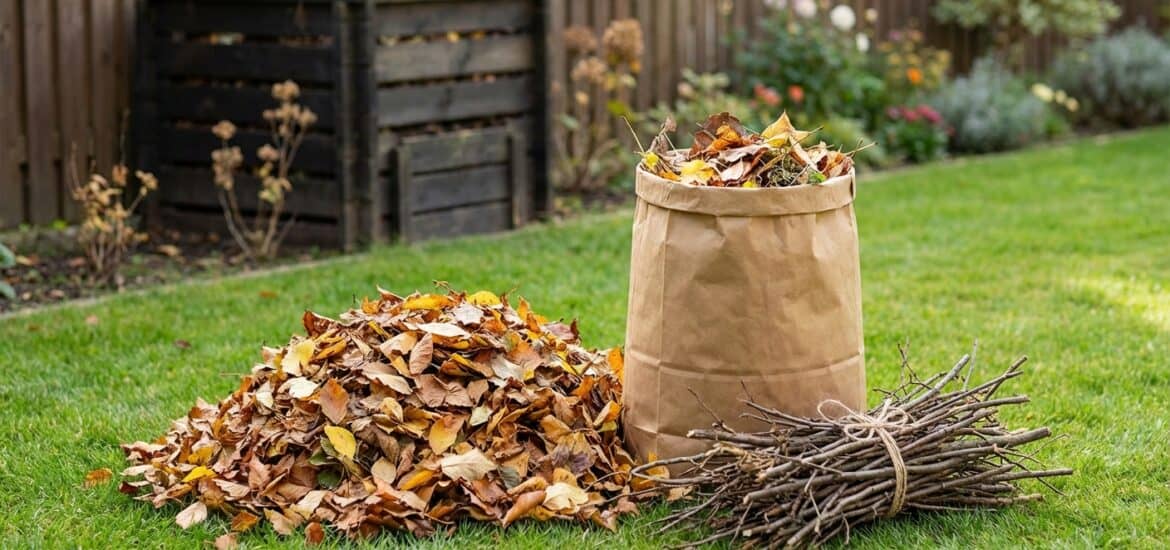
By carefully considering the scope and type of materials generated by your project, you can make an informed decision. This guide will help you navigate the various options and ensure you select a dumpster that perfectly matches your requirements, avoiding unnecessary expenses. For projects involving significant amounts of organic debris, understanding how to dispose of yard waste is also important.
Why Dumpster Size Matters for Your Project
Choosing the correct dumpster size is more than just a convenience; it significantly impacts your project’s efficiency, budget, and overall waste management. When you understand how to choose the right dumpster size for your project, you can avoid common pitfalls that lead to increased costs and delays.
An improperly sized dumpster can create several problems. If the dumpster is too small, you might need to rent a second one, doubling your rental fees and potentially causing project downtime. Conversely, renting a dumpster that is too large means you pay for unused space, which is an unnecessary expense.
Consider the impact on your project timeline. Waiting for an additional dumpster or trying to manage overflowing debris can slow down work. Efficient waste removal keeps your site clear and safe, allowing tasks to proceed smoothly. To help you prepare effectively for any waste removal, explore how to prepare for junk removal for more.
The type of debris also plays a role in determining the right size. Heavy materials like concrete or asphalt take up less volume but can quickly exceed weight limits if placed in a small dumpster, leading to overage charges. Lighter, bulkier items such as brush or furniture might fill a large dumpster quickly without reaching its weight capacity.
Understanding these factors will help you make an informed decision and ensure you get the most value for your investment. For more details on selecting the right container, consult our dumpster rental guide for more.
Common Dumpster Sizes and Their Uses
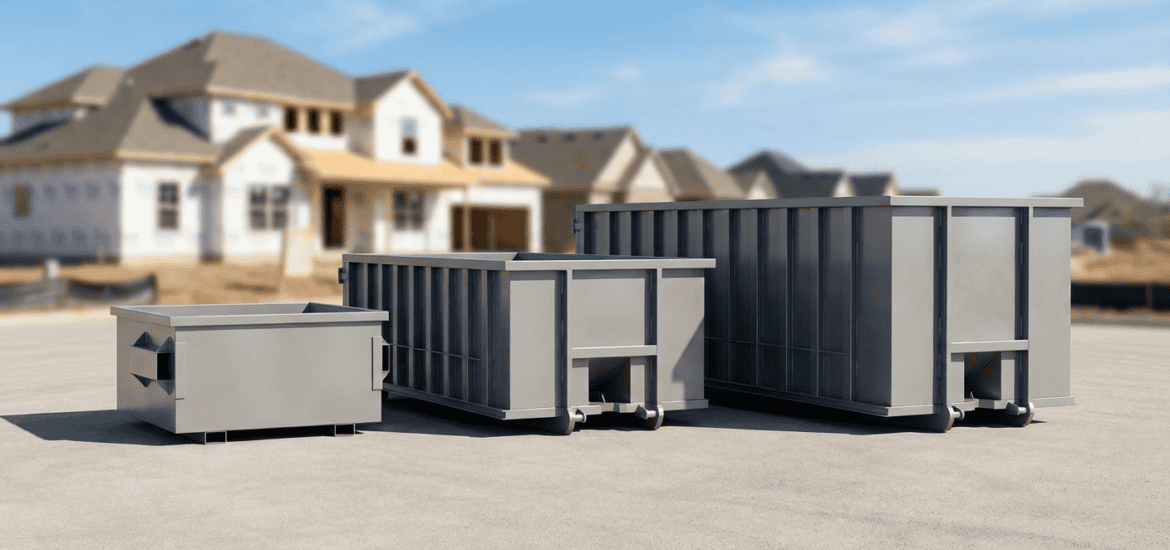
Understanding the standard dumpster sizes is crucial when you need to choose the right dumpster size for your project. Dumpster capacities are typically measured in cubic yards, and selecting the correct size ensures efficient waste removal without overspending or requiring multiple hauls. For example, a 20 cubic yard bin is a popular choice for many home renovation projects.
Each size is designed to accommodate different project scales, from small home cleanouts to large construction debris. This section details the most common dumpster sizes and the types of projects they are best suited for, helping you make an informed decision.
10-Yard Dumpsters: Small Projects & Home Cleanouts
A 10-yard dumpster is ideal for smaller projects where you need to choose the right dumpster size for your project without excessive bulk. This size is often comparable to about three pickup truck loads of debris.
- Single room renovations, such as a bathroom or small kitchen remodel.
- Garage or basement cleanouts, removing old furniture and boxes.
- Yard waste removal from minor landscaping projects.
- Concrete or dirt removal from small patios or walkways.
This size is perfect for tasks where space is limited or the volume of waste is manageable. For more on managing household waste, see our insights on junk removal vs. dumpster rental, which details the benefits of professional junk removal services.
20-Yard Dumpsters: Medium-Sized Renovations & Debris
When your project is larger than a single room but not quite a full-scale demolition, a 20-yard dumpster offers a versatile solution. This size holds approximately six pickup truck loads of material. For projects involving significant yard debris, consider our guide to yard waste removal in Edmonton for more.
- Larger home cleanouts, including multiple rooms or estates.
- Deck removal (up to 300 square feet) or shed demolition.
- Roofing projects for average-sized homes (shingles only).
- Flooring removal for a whole house.
Many homeowners find the 20-yard dumpster to be a practical choice for various medium-sized renovations. Knowing how much junk removal costs can also help budget for this size.
30-Yard Dumpsters: Major Remodels & Construction
For significant construction, demolition, or large-scale cleanouts, a 30-yard dumpster is often the most appropriate option. It can hold roughly nine pickup truck loads of waste. If you’re considering a smaller project, our 20 vs 30 yard bin rental guide can help you decide.
- Major home additions or extensive remodeling projects.
- Commercial cleanouts or office renovations.
- New home construction debris.
- Large landscaping projects involving tree removal and excavation.
Choosing this size helps ensure you have ample capacity for substantial debris, making it easier to choose the right dumpster size for your project’s demands.
40-Yard Dumpsters: Large Construction & Commercial Use
The largest standard size, a 40-yard dumpster, is reserved for the most demanding projects. This capacity equates to about 12 pickup truck loads of waste, making it suitable for major commercial or construction endeavors.
- Large-scale building demolition.
- Commercial construction projects.
- Extensive property cleanouts or disaster recovery.
- Industrial waste removal.
When you anticipate a very high volume of waste, selecting a 40-yard dumpster will help manage the debris efficiently and effectively. For smaller waste streams, consider learning how to recycle paper at home.
Factors to Consider When Selecting a Dumpster
Beyond simply estimating the volume of waste, several crucial factors influence how to choose the right dumpster size for your project. These considerations ensure you select a dumpster that is not only cost-effective but also practical for your specific needs.
Understanding these elements can prevent common mistakes, such as ordering a dumpster that is too small or too large, leading to additional costs or logistical headaches. For instance, knowing the type of debris you will generate is just as important as knowing the total amount; for larger projects, consider a 20-yard bin rental to ensure adequate capacity.
Type of Debris
Different materials require different disposal methods, and some items may not be permitted in standard dumpsters. For example, if you are dealing with significant amounts of yard waste, you will need to consider a dumpster specifically for that purpose, such as those detailed in our yard waste disposal guide for more.
The nature of the materials you plan to dispose of significantly impacts your dumpster choice. Heavy materials like concrete, asphalt, or dirt often require smaller dumpsters to stay within weight limits, even if the volume seems manageable. Lighter, bulkier items like furniture or brush might fill a larger dumpster without exceeding weight restrictions.
It is important to communicate the type of debris to your rental provider. Different materials can have varying disposal requirements and costs, so an accurate assessment is key to choosing the right dumpster for your project. If you are unsure about what can go into a dumpster, our guide on DIY dump runs versus junk removal can offer valuable insights.
Project Duration and Scope
The length and scale of your project also play a role in determining the appropriate dumpster size. A quick weekend cleanout might only need a smaller, temporary solution, while a multi-week renovation or construction project will likely demand a larger bin or potentially multiple smaller bins over time.
Consider whether the waste generation will be continuous or sporadic. For ongoing projects, a larger dumpster minimizes the frequency of emptying and delivery fees. For one-off tasks, it’s often better to match the dumpster size closely to the anticipated debris to avoid paying for unused capacity. For yard waste, consult our Edmonton Yard Waste Pickup Guide for specific disposal options.
Site Accessibility and Space
The physical space available at your project site is another practical consideration when you need to know how to choose the right dumpster size for your project. Dumpsters require clear, level ground for placement and sufficient room for the delivery truck to maneuver.
- Ensure there are no overhead obstructions like power lines or tree branches.
- Verify that the ground is stable enough to support the weight of a loaded dumpster.
- Check local regulations regarding dumpster placement on public streets or private property.
If space is limited, a smaller dumpster might be your only option, even if your waste volume suggests a larger size. Sometimes, a series of smaller bins can be more practical than one large one if accessibility is a major concern. Our team can help you understand the differences between junk removal vs. dumpster rental for your specific site challenges, and answer your quote questions for junk removal.
Calculating the Volume of Your Waste
Estimating the total volume of waste generated by your project is a crucial step when learning how to choose the right dumpster size for your project. Accurate measurement helps prevent overspending on a bin that is too large or needing a second dumpster because the first was too small. By following a few simple strategies, you can confidently assess your debris and select the ideal dumpster.
Understanding the volume of waste also helps in determining whether junk removal vs. DIY dump runs is the better option for your specific needs, especially when considering local services like those offered by youjunkit.ca for Edmonton junk disposal options.
Step-by-Step Debris Measurement
To accurately calculate the volume of waste your project will produce, consider the following steps:
Visualize and Group: Before starting your project, try to visualize the amount of waste. If possible, group similar items or materials together. For example, estimate the volume of old furniture separately from construction debris.
Use Common Equivalents: Think in terms of common measurements. A typical pickup truck bed holds approximately 2-3 cubic yards of material. If your debris fills about three truckloads, you’re looking at roughly 6-9 cubic yards.
Measure in Piles: As you generate waste, create neat piles. For rectangular or square piles, measure the length, width, and height in feet. Multiply these three dimensions to get the cubic feet. Divide the cubic feet by 27 to convert it to cubic yards (since 1 cubic yard = 27 cubic feet).
Account for Irregular Shapes: For irregularly shaped items or mixed debris, do your best to approximate. Imagine fitting the waste into a box. It’s always better to slightly overestimate than to underestimate.
Consider Material Density: While volume is key, remember that dense materials like concrete, asphalt, or soil will add significant weight. Even if they don’t take up much space, heavy items can quickly exceed weight limits, impacting your overall junk removal cost. Discuss heavy material disposal with your rental provider, or consult our small dumpster rental guide for more information.
Estimating Waste for Specific Projects
Different types of projects generate varying amounts and kinds of waste. Here’s how to approach common scenarios:
Home Cleanouts (Garage, Attic, Basement): For general decluttering, estimate based on the room’s size and how full it is. A small garage cleanout might require a 10-yard dumpster, while a full estate cleanout could need a 20-yard or even a 30-yard dumpster.
Bathroom or Kitchen Renovation: These projects often involve demolition debris like tiles, drywall, and old fixtures. A small bathroom renovation might fit into a 10-yard dumpster, but a larger kitchen remodel usually calls for a 15-yard or 20-yard dumpster due to the bulk of cabinets and appliances.
Roofing Projects: Shingles are dense and take up considerable space. For a single-layer shingle tear-off from a 2,000 sq ft roof, a 20-yard dumpster is typically recommended. Always confirm with your roofing contractor for precise estimates.
Yard Waste and Landscaping: Branches, soil, and brush can accumulate quickly. A 10-yard or 15-yard dumpster is often sufficient for minor landscaping. For major tree removal or extensive garden overhauls, a larger 20-yard bin might be necessary. Proper disposal is key; consult our Edmonton waste sorting guide for more details.
Utilizing Online Calculators and Expert Advice
For more precise estimations, consider using online tools or consulting with waste management professionals. Many companies offer a guide to dumpster sizes to help you choose the right bin for your needs.
Several online tools and professional services can assist you when trying to determine how to choose the right dumpster size for your project.
Online Dumpster Size Calculators: Many dumpster rental companies offer online calculators. You input your project type and some basic dimensions, and the tool provides an estimated dumpster size. While useful, these are estimates and should be used as a guide.
Consult with Rental Providers: The most reliable way to get an accurate estimate is to speak directly with a dumpster rental service. Provide them with details about your project, the types of materials you’re disposing of, and your estimated volume. Their experience allows them to recommend the most suitable size.
Review Project Guides: Many contractors and DIY resources offer project-specific waste generation guides. For example, a guide for job site cleanup might specify typical dumpster needs for various demolition scales.
Dumpster Placement and Site Considerations
Choosing the right dumpster size for your project also involves crucial considerations regarding its placement on your property or job site. Proper placement ensures safety, accessibility, and compliance with local regulations, preventing potential delays or fines.
Before your dumpster arrives, it is essential to assess the intended delivery area. Consider the amount of space required for the dumpster itself, as well as for the truck that will deliver and pick it up. A clear path free from obstructions is necessary for safe operation. This is especially important when considering seasonal cleanups, like those discussed in our blog about fall vs. spring cleaning, which often involve larger volumes of debris.
Accessibility and Safety
The site where your dumpster will be placed needs to be easily accessible for the delivery truck. This means evaluating factors like overhead clearance for power lines or tree branches, and sufficient width for the truck to maneuver. Inadequate space can lead to delivery issues or additional charges.
Safety is paramount during the entire rental period. Ensure the chosen spot is on a stable, level surface to prevent the dumpster from shifting or tipping. Keeping the area around the dumpster clear also minimizes tripping hazards for workers and visitors. For more tips on preparing your site, refer to our guide on preparing for junk removal services.
Local Regulations and Permits
Many municipalities have specific regulations concerning dumpster placement, especially if it will be located on public property, such as a street or sidewalk. You might need to secure a permit before your dumpster can be delivered.
It’s always best to check with your local city or county office for any permit requirements or restrictions regarding dumpster size, placement duration, and acceptable materials. Ignoring these regulations can result in fines. Understanding these rules is a vital step in knowing how to choose the right dumpster size for your project without complications, and for Edmonton residents, information on junk bin rentals is readily available.
Surface Protection
Heavy dumpsters can potentially damage driveways, lawns, or other surfaces. If you’re concerned about potential damage, consider placing plywood or boards down before the dumpster is set in place. This can help distribute the weight and protect your property.
Discuss these concerns with your dumpster rental provider, as they may offer solutions or advice based on their experience. They can help you determine the best approach to protect your property while still ensuring convenient access to the bin. For more information on dumpster sizes, check out our bin sizing guide.
What Can Go In Your Dumpster? (And What Can’t)
Understanding what items are permitted and prohibited in a dumpster is crucial for any project. Clarifying acceptable waste types helps avoid fines, ensures proper disposal, and is a vital step in helping you how to choose the right dumpster size for your project. For more details on waste management, consider learning about whether to recycle, compost, or throw it away.
Being aware of waste composition prevents disposal issues and contributes to a smoother project timeline.
Acceptable vs. Prohibited Dumpster Items
To effectively manage your waste and avoid unexpected charges, it’s essential to distinguish between items that can and cannot go into your rented dumpster. This distinction is often based on safety regulations, environmental concerns, and the operational capabilities of dumpster rental guide services. For instance, while most household junk is acceptable, specific items like old Christmas lights require special disposal methods, as detailed in our guide to Christmas light disposal for more.
Knowing these guidelines upfront helps streamline your waste removal process.
| Acceptable Items | Prohibited Items |
|---|---|
| Household junk (furniture, toys, clothes) | Hazardous waste (paints, oils, chemicals) |
| Construction debris (wood, drywall, roofing shingles) | Flammable materials (gasoline, propane tanks) |
| Yard waste (branches, leaves, grass clippings) | Asbestos |
| Appliances without refrigerants (washers, dryers) | Tires |
| Non-organic waste (plastics, metals, paper) | Batteries |
| Demolition debris (concrete, bricks, asphalt) | Refrigerants (freon in refrigerators, AC units) |
Why Waste Type Influences Dumpster Selection
The nature of your waste significantly impacts not only what you can throw away, but also how to choose the right dumpster size for your project. Heavy materials, such as concrete, dirt, or asphalt, require specific dumpsters and often have weight limits that differ from those for general household junk.
Overloading a dumpster with heavy items can lead to additional fees or refusal of pickup. Consider if junk removal vs. dumpster rental is more appropriate for your specific waste, or explore the eco-benefits of professional junk removal for a sustainable solution.
- Weight Restrictions: Heavy debris can quickly exceed weight limits, even in large dumpsters.
- Special Handling: Some materials, like electronics or certain construction waste, may require specific disposal methods.
- Volume vs. Weight: A dumpster might look empty but could be overweight if filled with dense materials.
Consequences of Improper Disposal
Failing to adhere to dumpster rental guidelines regarding acceptable items can lead to several negative outcomes. Fines are a common consequence, as waste disposal regulations are strictly enforced.
Additionally, improper disposal can harm the environment and disrupt the waste management process, emphasizing the importance of understanding what goes where.
- Environmental Impact: Hazardous materials can leach into soil and water, causing pollution.
- Legal Penalties: Fines and legal action can be imposed for non-compliance with local waste ordinances.
- Service Disruption: Haulers may refuse to pick up an improperly loaded dumpster, delaying your project.
Tips for Efficient Dumpster Loading
Once you understand how to choose the right dumpster size for your project, knowing how to load it efficiently is crucial. Proper loading maximizes space, prevents overfilling, and can even save you money by potentially avoiding the need for an additional dumpster. Strategic placement of debris helps distribute weight evenly and ensures the bin can be safely transported.
Maximizing the capacity of your chosen dumpster involves a few key techniques. These methods not only make the most of your rental but also contribute to safer and more organized waste removal. For instance, understanding the difference between junk removal vs. dumpster rental can help you decide which service best fits your project’s waste volume, and our small dumpster rental guide offers further insights.
Load Flat Items First: Begin by placing flat items like plywood, drywall, or doors at the bottom of the dumpster. This creates a solid, level base and prevents awkward gaps that smaller items might fall into.
Distribute Weight Evenly: Avoid creating large piles of heavy materials in one spot. Distribute weighty debris such as concrete, bricks, or dirt throughout the dumpster. Uneven weight distribution can lead to issues during transport and may even prevent the dumpster from being picked up.
Break Down Bulky Items: Whenever possible, break down large or bulky items into smaller pieces. This includes disassembling furniture, cutting wood, or flattening cardboard boxes. The more compact you can make items, the more space you’ll have for other waste.
Fill Gaps with Smaller Debris: After placing larger items, use smaller, loose debris to fill any empty spaces. This helps to consolidate the load and prevents items from shifting excessively during transit. Think of it like a jigsaw puzzle, fitting pieces snugly together.
Avoid Overfilling: Never fill the dumpster past the top edge or the indicated fill line. Overfilling can make the dumpster unsafe to transport and may result in additional charges or the refusal of pickup. Ensure that nothing protrudes from the top or sides.
Consider a Walk-In Dumpster: If your project involves heavy or cumbersome items, consider renting a dumpster with a walk-in door. This allows you to walk items directly into the bin, making loading easier and more efficient, especially for materials like concrete or large appliances. Preparing for junk removal vs. DIY dump runs can greatly simplify the process.
Common Mistakes to Avoid When Choosing a Dumpster Size
Understanding how to choose the right dumpster size for your project is crucial, but many people make common mistakes that can lead to additional costs or project delays. Avoiding these pitfalls will ensure a smoother waste removal process.
One of the most frequent errors is underestimating the volume of waste. Many homeowners and contractors think they can manage with a smaller dumpster, only to find it overflowing midway through the job. This often necessitates renting a second dumpster or paying overage fees, which can significantly increase your overall junk removal costs.
Conversely, overestimating your waste volume can also be a mistake, leading you to rent a dumpster that is much larger than needed. While it might seem safe to have extra space, larger dumpsters come with higher rental fees. Finding the right balance is key to cost-effective waste management. For more information on choosing the right size, check out our Edmonton garbage bin guide for more.
- Underestimating Waste Volume: This often results in needing a second dumpster or incurring overage charges.
- Overestimating Waste Volume: Renting a dumpster that is too large means paying for unused space.
- Ignoring Waste Type and Weight: Different materials have varying densities. Heavy debris like concrete or dirt can quickly exceed weight limits, regardless of how much space it takes up. Always consider the specific type of waste your project will generate.
- Overlooking Prohibited Items: Dumpsters have strict rules about what can and cannot be placed inside, such as hazardous materials, tires, or certain electronics. Disregarding these rules can lead to fines or refusal of service.
- Failing to Plan for Placement: Ensure you have adequate space for the dumpster delivery and pickup, and that it won’t obstruct pathways or violate local ordinances.
To prevent these issues, it is advisable to carefully assess your project’s scope. Consider taking photos or making a detailed list of items to be disposed of. Consulting with a professional service can also help you determine the most appropriate size and understand the differences between junk removal vs. dumpster rental for your specific needs.
Contact Us for Dumpster Rental Assistance
Navigating the complexities of waste disposal can be challenging, especially when you need to understand how to choose the right dumpster size for your project. Our team is here to simplify this process for you. We provide personalized assistance to ensure you get the most efficient and cost-effective solution for your specific needs.
Whether you’re tackling a home renovation, a large construction job, or a simple decluttering project, our experts can guide you. We’ll help assess your waste volume, discuss material types, and consider site accessibility to recommend the perfect dumpster rental services for more.
Don’t hesitate to reach out for professional advice. Our goal is to make your waste management experience seamless and stress-free. You can contact our team directly to discuss your project requirements or learn more about our available services for more.
Making the Right Dumpster Choice for Success
Making an informed decision about your dumpster size is crucial for the overall success of any project, big or small. When you understand how to choose the right dumpster size for your project, you avoid unnecessary costs, ensure efficient waste removal, and maintain a tidy work area.
Proper planning helps prevent delays and keeps your project on track. Whether it’s a home renovation or a large construction job, selecting the correct dumpster capacity streamlines the entire waste management process.
By considering factors such as debris type, volume, and project duration, you can confidently determine the most suitable dumpster. For comprehensive waste solutions and guidance, our services page offers various options tailored to your specific needs.
Remember, a well-chosen dumpster is an investment in efficiency and can significantly reduce project stress. If you need assistance with dumpster rental, our team is ready to help you find the perfect fit for your requirements.