Categories General

Your Recycling Program Guide: Essential Tips

Answer

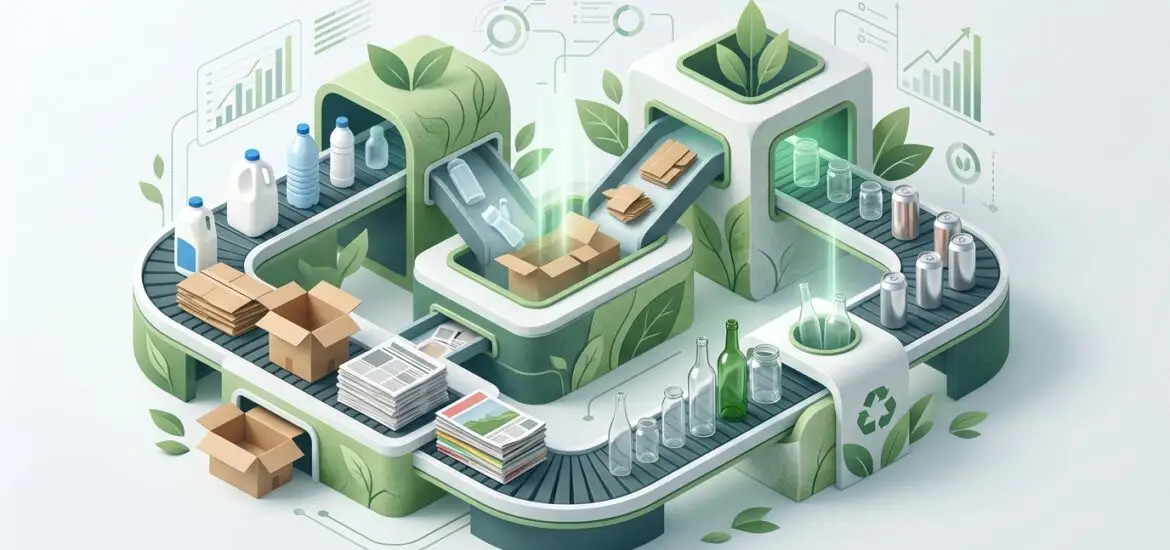
A recycling program outlines the systematic collection, processing, and repurposing of discarded materials to reduce waste and conserve resources. You Junk It… I Dump It supports these efforts by providing services that complement municipal collections, helping residents manage items not typically accepted curbside. This involves sorting materials into categories like plastics, paper, glass, and metals, which are then prepared for reuse or manufacturing new products.

Overview

This guide outlines how to participate effectively in a local recycling program, covering rules, common errors, and best practices. It also explores how professional services can assist with items not suitable for standard collection. This article includes a labeled real-world hypothetical featuring Brenda, offering practical recommendations for managing household waste.

  • Program Rules: We detail the specifics of typical waste sorting systems, providing clarity on how to properly separate materials for recycling.
  • Common Errors: Learn about frequent mistakes that can hinder recycling efforts and discover strategies to avoid them.
  • Real-World Example: Brenda’s scenario illustrates how to enhance personal recycling habits for greater environmental benefit.
  • Service Selection: Find out what to consider when choosing external services to complement your household recycling efforts.
  • Community Impact: We examine the collective benefits of consistent participation in local waste reduction initiatives Community Recycling Impact.
  • Junk Removal: Discover when professional junk removal services provide a suitable solution for large or specialized waste items.

Recycling Program Rules Explained

Sorting materials correctly for a recycling program begins with identifying common recyclables accepted in residential streams. Many municipalities focus on collecting plastics, paper, glass, and metals due to their high reprocessing value and market demand. Knowing these categories helps reduce contamination and makes the overall process more efficient.

To participate effectively, residents should consult their local guidelines, which detail preparation requirements like rinsing containers or flattening cardboard. You Junk It… I Dump It supports these community efforts by offering services for items that often fall outside standard curbside pickup, providing options for proper disposal or recycling when municipal services do not accept them. Bin Sizing can help determine the right container for larger volumes.

Adhering to these rules helps divert waste from landfills and supports sustainable practices. We often find that confusion over specific item acceptance leads to improper disposal, so a clear guide is always helpful for local residents. For those unsure about what goes where, our services can assist with items beyond typical household waste. what goes where in your local system.

Common Recyclables Non-Recyclable Items (Typically)
Clean plastic bottles and containers (with symbols #1-#7) Plastic bags, film, and wraps
Cardboard and paper products (newspapers, magazines, office paper) Styrofoam products
Glass bottles and jars (all colors) Ceramics, dishware, and drinking glasses
Aluminum and steel cans Food-soiled containers, greasy pizza boxes
Milk cartons and juice boxes Diapers and pet waste

Common Recycling Errors To Fix

Avoiding common mistakes improves a recycling program’s effectiveness and reduces contamination. Many items people assume are recyclable often disrupt the sorting process or cannot be reprocessed. Understanding specific guidelines for plastics, paper, and other materials helps ensure proper waste diversion.

Plastic bags and food-soiled containers are frequent culprits that contaminate otherwise clean recycling batches. For example, a greasy pizza box or certain types of glass, like ceramics, cannot be recycled through standard municipal programs. We often find that improper sorting creates extra work at sorting facilities and can lead to entire loads being sent to landfills.

Common Error Solution
Placing plastic bags in recycling bins Collect plastic bags separately and return them to designated store drop-off locations or reuse them.
Recycling food-soiled items Rinse containers thoroughly to remove food residue before placing them in the recycling bin.
Including non-recyclable glass Only recycle glass bottles and jars; ceramics, drinking glasses, and window panes belong in general waste.
Recycling styrofoam Most municipal programs do not accept styrofoam; check local guidelines or specialized recycling centers.
Leaving caps on bottles Remove plastic caps from bottles, as they are often made from a different type of plastic and require separate processing.

Better Home Recycling Practices

Brenda is a busy homeowner looking to manage household waste more effectively but remains unsure which items can be recycled through municipal programs versus those requiring specialized disposal.

Brenda wants to be environmentally conscious but is overwhelmed by the varying rules for recycling different materials. She has a pile of items, including old electronics and bulky plastics, that she knows aren’t accepted in her regular curbside bin. How can Brenda ensure all her household waste is processed responsibly?

Recommendation: Utilize Specialized Junk Removal Services for Non-Curbside Items

You Junk It… I Dump It recommends using specialized services for items not accepted by municipal recycling programs. This ensures that all discarded materials, even bulky or electronic waste, are sorted and processed responsibly, complementing existing recycling efforts.

Selecting Recycling Services Wisely

Choosing the correct recycling service provider helps manage waste effectively and contributes to environmental efforts. Evaluating several factors ensures the chosen service aligns with specific needs, whether for a home cleanout or ongoing business disposal. Consider how a service complements municipal programs for items not accepted curbside.

You Junk It… I Dump It observes that customers often face challenges with items too large or specialized for regular collection. We recommend assessing providers based on their ability to handle diverse materials, particularly for larger projects like Bin Sizing or Edmonton Junk Removal requirements.

  1. Material Acceptance: Confirm which materials the service accepts. Some focus on common recyclables like paper and plastic, while others handle electronics, construction debris, or hazardous waste.
  2. Cost and Pricing Structure: Compare pricing models, which can vary by volume, weight, or container size. Obtain detailed quotes to avoid unexpected fees.
  3. Service Area and Schedule: Verify that the provider serves your specific location and offers collection schedules that meet your project timeline or ongoing needs.
  4. Reputation and Reliability: Research customer reviews and testimonials to gauge the service’s dependability and commitment to proper disposal. Our Clients section can offer insights.
  5. Environmental Practices: Inquire about their sorting processes and where materials are ultimately processed. A reputable provider prioritizes environmentally sound methods.
  6. Container Options: Assess the available bin or container sizes to match the volume of materials you plan to recycle. For larger volumes, a bin rental might be more efficient.

Community Recycling Impact

Community involvement in a recycling program directly reduces landfill waste, leading to a cleaner environment. Each tonne of recycled material helps conserve natural resources and lessens the demand for new raw materials. When residents and businesses participate, they contribute to substantial energy savings and lower greenhouse gas emissions compared to manufacturing products from scratch.

When we remove junk from properties, we often see how much material can still be diverted from landfills. Our services aim to support these local efforts by handling items not always accepted in regular municipal collection. We see this commitment extend through various initiatives, from residential collections to commercial Waste Management Strategies.

The collective effort of a community’s recycling program has several benefits:

Benefit Category Description
Environmental Preservation Recycling reduces pollution, conserves natural resources like timber and minerals, and protects biodiversity by decreasing habitat destruction from resource extraction.
Energy Savings Producing goods from recycled materials often requires less energy than making them from virgin resources. For instance, recycling aluminum saves approximately 95% of the energy needed to produce new aluminum.
Landfill Reduction Diverting waste through a proper recycling program extends the life of existing landfills and reduces the need for new ones. This also cuts down on methane emissions, a potent greenhouse gas, produced by decomposing organic matter in landfills.
Economic Growth The recycling industry creates jobs in collection, processing, and manufacturing. It also fosters a market for recycled goods, stimulating local economies.
Community Engagement A successful recycling program encourages community members to work together for a common environmental goal, strengthening local bonds. Residents often look for easy ways to manage waste, making services like Edmonton Junk Removal valuable.

When To Use Junk Removal Services

Disposing of unwanted items often extends beyond what a typical recycling program accepts. For large, bulky, or specialty waste materials, professional junk removal services offer a practical solution. We frequently assist homeowners and businesses when municipal collection limits do not cover all their disposal needs.

You Junk It… I Dump It provides a convenient option for items such as old furniture, appliances, construction debris, or yard waste. For example, if you are decluttering an estate or renovating, standard curbside pick-up may not be enough. Our service can handle varied volumes, from a single item to multiple truckloads, offering more flexibility than regular trash services.

Item Type Best Removal Option Reason
Old Furniture & Appliances Junk Removal Service Too large for curbside, requires special handling for proper disposal or recycling.
Construction & Renovation Debris Junk Removal Service or Bin Rental High volume of varied materials like wood, drywall, and metal; often exceeds municipal limits. Consider Bin Sizing for larger projects.
Yard Waste (Large Quantities) Junk Removal Service Excessive branches, soil, or landscaping materials beyond compost bin capacity.
Electronics (E-waste) Junk Removal Service Contains hazardous materials; requires specialized recycling facilities to prevent environmental harm.
General Household Clutter (Small) Standard Recycling Program Fits municipal guidelines for plastics, paper, glass, and metal.

When facing a significant cleanout, You Junk It… I Dump It recommends considering junk removal when items are too heavy, too numerous, or not accepted by local recycling facilities. For more details on what we collect, consult our Junk Removal types page.

FAQ

To help you navigate the nuances of our recycling program and ensure your efforts are as effective as possible, we’ve compiled answers to some common questions.

Question Answer
What are common items that cannot be recycled through municipal programs? Items such as plastic bags, film, and wraps are typically not accepted in standard municipal recycling programs. Greasy pizza boxes and styrofoam products also often fall outside these guidelines. Ceramics, dishware, and drinking glasses are generally considered non-recyclable in most residential streams.
How can Brenda manage old electronics and bulky plastics responsibly? Brenda can utilize specialized junk removal services for items not accepted by municipal recycling programs. These services ensure that bulky or electronic waste is sorted and processed responsibly. This approach complements existing recycling efforts by handling materials beyond regular curbside pickup.
What factors should be considered when selecting an external recycling service? When selecting a service, confirm the materials they accept, compare their cost and pricing structure, and verify their service area and schedule. It is also important to research the provider’s reputation and reliability. Inquire about their environmental practices and the container options they offer.
Why is it important to rinse food-soiled containers before recycling? Rinsing containers thoroughly removes food residue, which prevents contamination of otherwise clean recycling batches. Improperly sorted, food-soiled items can disrupt the sorting process at facilities and may lead to entire loads being sent to landfills. This simple step improves the effectiveness of a recycling program.
Categories General

Junk Removal Types: Your Complete Service Guide

Answer

Junk removal involves various methods for disposing of unwanted materials, ranging from residential pickups to large-scale commercial site clear-outs. You Junk It… I Dump It provides different junk removal types, including bin rentals and full-service hauling, to match specific project needs. For instance, a small home decluttering project might use a bin rental, while a larger renovation may require our full-service option for debris removal.

Overview

Proper waste management requires choosing the right service for various clean-out projects. This guide breaks down the different approaches available for both residential and commercial needs. We look at options from self-service bin rentals to comprehensive full-service junk removal, helping you decide which method aligns with your specific project size and materials.

The guide also features a labeled real-world hypothetical about Arthur’s garage cleanout, illustrating how service selection impacts efficiency and overall project success.

What Are Junk Removal Types?

Sorting through unwanted items often requires different approaches, depending on the volume and specific materials involved. Each project presents unique challenges, making it important to match the appropriate service to the task at hand.

You Junk It… I Dump It provides several junk removal types to fit various needs, whether for a small home cleanout or a larger construction site. We have found that residential clients often benefit from flexible options for smaller tasks, while commercial projects require more structured removal services, such as specialized bin rentals for debris. Reliable Junk Removal can help determine the right service for your situation.

Junk Removal Type Description
Residential Cleanouts This service handles typical household clutter, furniture, appliances, and yard waste. It is suitable for decluttering homes, garages, or basements.
Commercial Debris Removal Businesses and construction sites use this for larger volumes of waste, including office furniture, construction materials, and specialized equipment. These services are designed for efficiency and compliance.
Bin Rentals You can rent various sizes of bins to fill at your own pace. This is ideal for projects with flexible timelines or when you want to separate items for disposal or recycling. Junk Bin Rentals offer flexibility for many projects.
Full-Service Hauling This option involves a crew coming to your location to load and haul away items directly. It is best for heavy, bulky items or when you prefer a hands-off approach to clearing out junk.

How We Handle Your Junk

You Junk It… I Dump It offers reliable junk removal options tailored to specific project sizes and material types. Our process focuses on efficient collection and responsible disposal, ensuring items are handled appropriately once removed from your property. We offer different approaches depending on what needs to go.

Whether it’s a small residential cleanup or a large commercial clear-out, we adjust our methods. For example, our team can assist with Edmonton junk removal for various waste streams. We see many instances where clients require immediate removal of items that do not fit into regular waste collection schedules.

Situation Our Solution Benefit to You
Home renovation debris Bin rental services Convenient on-site collection for ongoing projects.
Old appliance or furniture removal Full-service pickup No lifting or hauling required; we do the heavy work.
Yard waste after landscaping Dedicated yard waste bins Proper disposal of organic materials, reducing landfill impact.
Commercial cleanouts Scheduled waste management Ensures compliance and keeps business operations clear of clutter.
Small item accumulation Bagster service Flexible and cost-effective for smaller volumes of debris.

Our commitment to responsible waste management means we sort and process collected materials for recycling or donation whenever possible. This approach helps divert waste from landfills, supporting environmental efforts. Clients often appreciate the ease of scheduling and our transparent pricing for all junk removal cost factors.

Junk Removal vs. DIY Disposal

Disposing of unwanted items often presents a choice between professional assistance and handling the task yourself. Each approach has distinct advantages and drawbacks, particularly when considering factors like effort, time, and specific disposal requirements. Professional services generally offer convenience and efficiency, while DIY disposal can save money if you have the resources and time.

Arthur is a homeowner preparing for a major estate sale and subsequent downsize, and he needs to decide how to best clear out his property.

Arthur needs to clear out decades of accumulated items before his estate sale and downsizing move. He’s weighing whether to rent a bin and do the heavy lifting himself or hire a full-service team to handle everything. Should Arthur opt for a bin rental or full-service junk removal for his estate sale clear-out?

Recommendation: Full-Service Hauling

You Junk It… I Dump It recommends full-service hauling when minimizing personal effort and maximizing efficiency are key priorities. This service is ideal for large-scale clear-outs, ensuring all items are removed promptly and without requiring Arthur to do any of the labor.

Choosing Service for Your Project

Making the correct selection for junk disposal depends on several factors related to your specific cleanup. Whether you are decluttering a home or managing a construction site, evaluating these elements ensures efficient and cost-effective removal. You Junk It… I Dump It offers various services to meet diverse project needs.

We often guide clients to consider the volume of waste and its type. For small household cleanouts, a convenient bin rental might be the best fit. However, for larger projects with mixed debris, a full-service option can save significant time and effort.

Factors for Service Selection

Several elements influence the most appropriate junk removal choice:

  1. Assess the amount of junk you need to remove. This helps determine the required bin size or whether a full-service pickup is more suitable.
  2. Identify the types of materials for disposal, as some items require special handling. Edmonton junk removal services can advise on appropriate disposal methods for hazardous materials or large appliances.
  3. Determine your project timeline, including how quickly you need items removed. Full-service options often provide quicker turnaround times for urgent clear-outs.
  4. Consider your budget. Bin rentals can be more cost-effective for DIY-minded individuals, while full-service options provide convenience at a different price point.
  5. Evaluate site accessibility. Tight spaces or remote locations might benefit from specialized services, including smaller trucks or additional manpower.

Step-by-Step Selection Process

Follow these steps to choose the right service:

  1. Categorize your items: Separate general waste from recyclables, hazardous materials, and large bulky items. This helps us accurately quote your project.
  2. Estimate the volume: Use our bin sizing guide or consult with us to get an idea of the container size needed.
  3. Request a quote: Contact us with your details, including location, item types, and estimated volume. We provide clear pricing for our junk removal types.
  4. Schedule your service: Arrange a pickup time or bin delivery that fits your schedule.
  5. Prepare for removal: For full-service, ensure items are accessible. For bin rentals, load the bin at your convenience.

What Items We Remove

Many different items are suitable for junk removal services, covering a broad range from household debris to construction materials. When deciding on a service, it helps to know what categories of waste are accepted, as this varies depending on the type of material and local regulations. You Junk It… I Dump It specializes in removing various non-hazardous items, providing clear guidelines for efficient disposal.

We accept most non-hazardous items, including old furniture like sofas and tables, appliances such as refrigerators and washing machines, and electronic waste (e-waste). For larger projects, we also handle construction debris, including wood, drywall, and metal, as well as yard waste from landscaping jobs. Understanding these categories helps streamline the process and ensures proper waste management. Debris Hauling Made

There are some limitations, however. We do not remove hazardous materials like chemicals, asbestos, or lead paint due to safety and regulatory requirements. If you have hazardous waste, it requires specialized handling from a different service to ensure safe disposal. When planning your project, review the types of materials you need removed to confirm they fit within accepted categories; if in doubt, contact us directly. Edmonton Junk Removal

Accepted Items Not Accepted Items
Furniture (sofas, tables, chairs) Hazardous waste (chemicals, paints, oils)
Appliances (refrigerators, washers, dryers) Asbestos or lead-based materials
Electronics (computers, TVs, monitors) Medical waste or biohazards
Yard waste (branches, leaves, grass clippings) Explosives or ammunition
Construction debris (wood, drywall, metal) Pressurized containers (e.g., propane tanks)
Mattresses and box springs Car batteries or tires without prior arrangement

Junk Removal Cost Factors

Several factors influence the overall cost of junk removal services. The volume and type of items for disposal typically determine pricing, with larger quantities or specialized materials often incurring higher fees. Distance from the disposal site and the labor required for removal also play a role in the final price.

You Junk It… I Dump It offers options that cater to various project sizes and budgets, whether you need Junk Bin Rentals for a residential cleanout or comprehensive hauling for a construction site. We often find that projects requiring significant labor, such as basement clear-outs with narrow access, benefit from our full-service options.

Comparing bin rental prices can help determine the most cost-effective approach for different projects. Consider these choices when planning your next clean-up.

Service Option Best for Budget Reason
Bin Rental DIY projects, home decluttering, yard waste Moderate Cost-effective if you load it yourself. Gives flexibility over several days.
Full-Service Removal Bulky items, demolition debris, labor-intensive cleanouts Higher Includes labor and hauling. Ideal for difficult-to-move items or when time is short.
Specialized Item Removal Appliances, electronics, hazardous waste Variable, can be higher Requires specific handling and disposal methods. Ensures proper environmental compliance.
Large-Scale Commercial Cleanouts Office clear-outs, construction sites Higher, based on volume Tailored solutions for business needs, often involving large bins or multiple trips. Edmonton Junk Removal services accommodate these larger requirements.

FAQ

To help you navigate the various options and make informed decisions, this section addresses common questions about junk removal types and services.

Question Answer
When should Arthur choose full-service hauling for his estate sale clear-out? Arthur should opt for full-service hauling if minimizing his personal effort and maximizing the efficiency of the clear-out are his main priorities. This service is ideal for large-scale clear-outs, ensuring all items are removed promptly without requiring him to do any of the labor.
How does a bin rental compare to full-service hauling for home renovation debris? For home renovation debris, a bin rental offers convenient on-site collection for ongoing projects, allowing you to fill it at your own pace. Full-service hauling, on the other hand, involves a crew that loads and hauls away items directly, which is best for heavy, bulky items or when you prefer a hands-off approach.
What types of items are generally not accepted by junk removal services? Junk removal services typically do not accept hazardous materials like chemicals, asbestos, or lead paint due to safety and regulatory requirements. If you have hazardous waste, it requires specialized handling from a different service to ensure safe disposal.
How can a business determine the right junk removal service for a commercial cleanout? Businesses can determine the right junk removal service by considering the volume and type of waste, such as office furniture or construction materials. Scheduled waste management services are designed for efficiency and compliance, ensuring operations remain clear of clutter.
Categories General

Dumpster Rental Pros And Cons: A Comparison Guide

Answer

Professional dumpster rental services streamline waste disposal for projects of all sizes, eliminating the need for multiple trips to the landfill. When considering dumpster rental pros, businesses and homeowners gain efficiency by having a container placed directly at their site for debris collection. You Junk It… I Dump It provides a range of bin sizes to match specific project requirements, ensuring appropriate disposal for different material types.

Overview

This guide outlines the practical considerations for projects requiring waste disposal solutions. It explores the benefits and drawbacks of using bin services, helping property owners decide if a rental bin aligns with their specific needs. We also cover factors like sizing and permissible materials.

The article includes a labeled real-world hypothetical featuring Marcus, demonstrating how a tailored approach to waste management can streamline project completion.

Dumpster Rental Advantages for Your Project

Efficient waste management can save significant time and effort during any cleanup or renovation. A primary benefit of renting a dumpster is the convenience of having a central disposal point for all debris, directly at your project site. This eliminates the need for multiple trips to a landfill or recycling center, streamlining the entire waste removal process.

You Junk It… I Dump It recognizes that different projects generate varying amounts and types of waste. We provide a range of bin sizes to match specific project requirements, ensuring that you have the right container for everything from small residential cleanouts to larger construction jobs. This helps maintain a cleaner, safer workspace, preventing scattered debris hazards.

Advantage Benefit for Your Project
Simplified Waste Collection All project debris goes into one container, centralizing cleanup efforts.
Time and Cost Savings Reduces fuel costs and labor hours associated with frequent trips to disposal facilities. comparing bin rental prices
Enhanced Safety Minimizes on-site clutter, reducing trip hazards and improving overall site conditions.
Proper Disposal Service providers ensure waste is sorted and disposed of according to local regulations. what goes where
Flexibility in Size Various bin sizes are available to suit projects of different scales, from small home clear-outs to major renovations. Bin Sizing

Potential Drawbacks of Renting a Dumpster

While dumpster rentals offer many conveniences, some limitations exist that renters should consider before booking. Limited placement options can create challenges, especially for homeowners in urban areas or those with smaller properties. Additionally, local regulations or HOA rules may restrict where a dumpster can be placed or how long it can remain on-site.

Weight restrictions on certain bin sizes are another important factor, as exceeding these limits can lead to unexpected overage fees. Prohibited items, such as hazardous waste or certain electronics, cannot be placed in standard rental bins, requiring separate disposal arrangements. You Junk It… I Dump It advises clients to confirm all weight allowances and restricted materials when ordering to prevent additional charges or service delays.

We find that planning ahead for placement and confirming acceptable materials helps avoid common issues. For example, knowing if a street permit is needed or if specific waste, like old tires, requires special handling, simplifies the rental process for residents here. how to choose the right dumpster service helps mitigate these issues.

Factor Consideration Before Renting
Space Constraints Assess available space for dumpster delivery and placement. Narrow driveways or small yards might limit bin size options.
Permit Needs Check local municipality or HOA regulations for any required permits, especially for placement on public property.
Weight Limits Estimate the total weight of debris to avoid exceeding the bin’s capacity, which can result in extra charges.
Prohibited Materials Identify any items that cannot go into the dumpster, such as chemicals or paint, and plan for their separate disposal. Bin Sizing can help with this.
Rental Period Confirm the rental duration and any associated fees for extensions to align with your project timeline.

When Renting a Dumpster is Smart

The challenge of managing waste disposal efficiently for a large-scale project often prompts a decision about professional waste removal.

Marcus is planning an extensive home renovation and is weighing the pros and cons of renting a professional dumpster. He’s concerned about the logistics and cost, but also recognizes the potential for saved time and effort compared to making multiple trips to the landfill.

Recommendation: Professional Dumpster Rental

You Junk It… I Dump It recommends professional dumpster rental for large projects, as it offers a streamlined and efficient solution for on-site waste collection. This service eliminates the need for multiple trips to the landfill, saving time and effort during your renovation.

Dumpster Rental Costs vs. Other Options

Evaluating dumpster rental costs against other disposal methods helps determine the most economical choice for your project. Factors such as the volume of waste, type of debris, and time constraints directly influence overall expenses. For example, You Junk It… I Dump It finds that smaller renovation projects often save money by renting a bin compared to multiple trips to the landfill.

Many people wonder if it is cheaper to rent a dumpster or go to the dump directly. While individual dump fees might seem lower per load, consider the time, fuel, and wear on your vehicle for multiple trips. Professional dumpster rental pros typically include delivery, pickup, and disposal fees in one upfront price, simplifying budgeting for projects like Reliable Junk Removal.

The table below breaks down key cost comparison factors for different waste removal strategies. Each method has specific price components and suitability for various project sizes.

Factor Dumpster Rental DIY Dump Runs Junk Removal Service
Base Cost Flat rate (delivery, pickup, disposal) Per-load dump fees, fuel, vehicle wear Hourly rates or per-item pricing
Convenience On-site container, scheduled pickup Requires personal vehicle, multiple trips Professionals load and haul
Time Saved Significant, no personal hauling Time-consuming with loading and driving High, no effort from client
Permits May require street permit depending on placement Not typically required for personal hauling Not typically required for clients
Waste Volume Ideal for medium to large projects. See Bin Sizing for options. Best for small, infrequent loads Suitable for various volumes, especially bulky items
Material Types Accepts most non-hazardous waste Restricted by dump regulations Accepts a broad range of items, including specialty waste

What You Can and Cannot Put in a Dumpster

Proper waste disposal involves understanding what materials are acceptable and unacceptable in a dumpster. Placing prohibited items can lead to fines, additional charges, or refusal of service. You Junk It… I Dump It emphasizes clear guidelines to help customers avoid these issues, ensuring efficient and compliant waste removal for every project.

Local regulations and landfill rules dictate what materials are allowed. For example, many hazardous waste items, such as chemicals, paints, and asbestos, require specialized handling. Additionally, items that can damage the dumpster or processing equipment, like tires or large appliances, may be restricted or incur extra fees. This is why knowing what goes where is important for a smooth experience, particularly for projects requiring dumpster rental pros.

Permitted Items Prohibited Items
Household debris (furniture, toys, boxes) Hazardous waste (paints, oils, chemicals)
Construction waste (wood, drywall, shingles) Asbestos-containing materials
Yard waste (branches, leaves, grass clippings) Batteries, electronics, and light bulbs
Non-organic waste (plastics, metal, paper) Tires and appliances with refrigerants

Renovation materials like concrete or bricks, depending on quantity and dumpster type.

Review our what goes where guide for Edmonton waste sorting.

Flammable liquids or explosives.

Incorrect disposal can affect your project, so always confirm with your provider what can be placed in your bin before you begin to avoid additional fees for items like those mentioned in 20 vs 30 yard bin rentals.

Choosing the Right Dumpster Size

Selecting the correct dumpster size prevents overfilling and minimizes unnecessary costs for waste disposal. For example, a couch will fit into a 15-yard dumpster, but a larger 20-yard or 30-yard bin makes furniture disposal easier alongside other debris. Assessing the volume and type of waste your project generates helps match it to the right container capacity.

When planning a project, consider whether you are clearing out a single room or undertaking a larger renovation. You Junk It… I Dump It recommends considering the largest items you plan to discard, as these often dictate the minimum bin size required. Our experience in Edmonton shows that many residential cleanouts benefit from sizes ranging from 12 to 20 yards.

Matching the dumpster to the task at hand saves both time and money. If unsure, estimate on the larger side, as paying for a second bin often costs more than opting for a slightly bigger one initially. For example, a 15 Yard Bin is often suitable for garage cleanouts or smaller bathroom remodels, while a 20-yard or 30-yard bin is better for full home renovations or construction debris. how to choose what size is best for your project.

Project Type Best for Budget Considerations Reason
Small Home Cleanout 12-yard bin Lower initial cost Ideal for single-room decluttering or yard waste removal.
Garage/Basement Cleanout 15-yard bin Mid-range cost Fits bulky items like furniture or appliances from a single area.
Bathroom/Kitchen Remodel 20-yard bin Moderate cost Accommodates demolition debris like tiles, cabinets, and fixtures.
Full Home Renovation 30-yard bin Higher capacity, potentially lower cost per yard Manages large volumes of construction and household waste efficiently.
Large Construction/Demolition 40-yard bin Best for large-scale debris Designed for major projects with significant waste generation.

You Junk It… I Dump It recommends consulting with our team if your project involves mixed waste or unusually heavy materials. Choosing the appropriate container size from the start helps avoid overage fees and keeps your project on schedule. For additional details on specific bin dimensions, Bin Sizing provides further information.

FAQ

To help you make an informed decision, we’ve compiled a list of frequently asked questions addressing the key aspects of dumpster rental pros and cons.

Question Answer
What are the main advantages of using a dumpster rental service for a project? Dumpster rentals centralize waste collection, putting all project debris into one container. This approach saves time and reduces fuel costs by eliminating multiple trips to disposal facilities. It also improves site safety by minimizing clutter and preventing hazards from scattered debris.
What potential issues should renters be aware of before booking a dumpster? Renters should consider limited placement options, especially in urban areas or on smaller properties. Local regulations or HOA rules might restrict placement or duration. Weight limits on bins can lead to unexpected overage fees, and hazardous waste or certain electronics require separate disposal arrangements.
How does dumpster rental compare to other waste disposal methods in terms of cost? For smaller renovation projects, renting a bin often proves more economical than multiple trips to the landfill. While individual dump fees might seem lower, the combined cost of time, fuel, and vehicle wear for DIY runs can be higher. Dumpster rental typically includes delivery, pickup, and disposal in one price.
What types of items are generally not allowed in a standard rental dumpster? Standard rental dumpsters typically prohibit hazardous waste like paints, oils, and chemicals. Items such as asbestos, batteries, electronics, tires, and appliances containing refrigerants also require special handling and cannot be placed in regular bins.
Categories General

Waste Management Strategies

Answer

Effective waste management for businesses involves systematic strategies to reduce, reuse, and recycle materials, aiming to minimize environmental impact and operating costs. For instance, businesses implementing proper waste segregation can significantly decrease landfill contributions, often resulting in lower disposal fees. You Junk It… I Dump It supports businesses by offering various bin sizes and tailored collection schedules, adapting to different commercial needs and waste streams.

Overview

This guide outlines key strategies for businesses to manage their waste streams efficiently, detailing steps from planning to disposal. It covers how effective disposal practices support operations and build a positive brand reputation. The article also presents a labeled real-world hypothetical scenario about Alex, a small business owner, providing a site-level recommendation to reduce waste costs.

Choose a Business Waste Plan

Selecting an effective waste management strategy begins with understanding a business’s specific needs. Different operations generate varying types and amounts of waste, requiring a customized approach for efficient disposal. Businesses often find that a detailed assessment of their current waste streams can pinpoint areas for improvement and cost savings.

You Junk It… I Dump It helps businesses develop appropriate waste management solutions. We recommend reviewing factors such as waste volume, material types, and frequency of disposal to determine the best plan. This process ensures proper bin sizing and collection schedules, helping maintain a clean and productive environment.

Consideration Description
Waste Type Identify if your waste consists of general office debris, construction materials, organic matter, or specialized items. Different waste streams require distinct handling.
Waste Volume Estimate the amount of waste your business produces daily or weekly. This directly impacts the size and number of bins required, as detailed in our bin sizing guide.
Collection Frequency Determine how often waste needs removal to prevent overflow and maintain cleanliness. High-volume operations often benefit from more frequent pickups.
Regulations Familiarize yourself with local waste disposal regulations to ensure compliance and avoid penalties. This includes rules for recycling and hazardous materials.
Budget Set a realistic budget for waste services. A well-planned waste management system can reduce long-term operational costs.
Sustainability Goals Consider incorporating recycling, composting, or donation programs to reduce your environmental impact, aligning with broader waste management strategies.

Streamline Operations with Disposal Techniques

Effective disposal techniques directly influence a business’s efficiency and environmental footprint. Sorting materials at the source reduces contamination, which in turn simplifies recycling processes and lowers overall disposal costs. Businesses often find that organizing waste streams saves both time and money. We offer bin sizing guidance to match specific business needs, ensuring proper capacity for different waste types.

Implementing specific waste disposal techniques involves identifying the types of waste generated and establishing clear processes for each. This can include separate bins for recyclables, organics, and general refuse, coupled with regular collection schedules. For businesses dealing with various materials, understanding waste disposal regulations is a first step toward compliance and effective practices. We see many local businesses benefit from a clear plan to handle their varied waste streams.

Choosing the right disposal method depends on the material, volume, and regulatory requirements. Businesses can select from a range of options designed to handle different waste categories. For instance, construction debris requires different handling than office paper. understanding waste disposal methods helps maintain a cleaner, safer work environment and reduces environmental impact.

Waste Type Recommended Disposal Technique Benefits
General Office Waste Compacting and regular bin collection Reduces volume, lowers collection frequency, and streamlines daily operations.
Recyclables (Paper, Plastics, Glass) Source separation into designated bins Increases recycling rates, reduces landfill waste, and may decrease disposal fees.
Organic Waste (Food Scraps) Composting or dedicated organic waste bins Minimizes methane emissions from landfills and creates valuable soil amendments.
Construction Debris Specialized bin rentals for heavy materials Ensures safe removal, proper recycling of aggregates, and compliance with building codes. bin sizing options are available for these projects.
Hazardous Materials Licensed hazardous waste removal services Prevents environmental contamination and avoids severe regulatory penalties.
Electronic Waste (E-Waste) Certified electronics recycling programs Recovers valuable materials and prevents harmful substances from entering the environment.

Responsible Waste Management for Brand Image

Adopting effective waste management practices directly enhances a business’s public image and reputation. Customers increasingly prefer companies demonstrating environmental responsibility, influencing purchasing decisions and brand loyalty. You Junk It… I Dump It recognizes this trend, providing services that help businesses align their operations with sustainable goals.

A commitment to responsible waste management can also attract and retain talent. Employees often seek workplaces that reflect their personal values, including environmental stewardship. We frequently see businesses here benefit from highlighting their efforts in waste reduction and recycling, which fosters a positive workplace culture. Our Clients can confirm how these practices build goodwill.

Benefit to Brand Image Mechanism
Improved Customer Perception Customers value eco-conscious businesses, potentially leading to increased sales and repeat business.
Enhanced Employee Morale Staff often prefer to work for companies committed to environmental practices, boosting retention.
Positive Public Relations Showcasing green initiatives generates favorable media attention and community recognition.
Attraction of Green Investors Environmentally responsible practices can appeal to investors focused on sustainability.
Reduced Regulatory Scrutiny Proactive compliance with environmental regulations can minimize fines and inspections.
Market Differentiation Sustainable practices set businesses apart from competitors in crowded markets.

This commitment also supports long-term operational sustainability, moving beyond simple compliance. Businesses implementing strong waste management strategies can reduce costs associated with disposal, turning waste streams into potential resources. For example, partnering with You Junk It… I Dump It for proper waste collection allows businesses to focus on their core activities while maintaining a positive environmental footprint. Junk Bin Rentals offer flexible solutions for various business needs.

When to Request Service

Identifying the correct moment to seek professional waste removal helps businesses maintain operations and compliance. Changes in waste volume, project-specific debris, or facility renovations often signal a need for specialized disposal services. You Junk It… I Dump It frequently assists businesses in evaluating these triggers to ensure timely and appropriate action.

For example, if your business generates more than usual waste due to an event or seasonal demand, contacting a service provider for larger bin options or increased pickup frequency makes sense. Our experience shows that proactive scheduling prevents overflow and keeps sites clean. Reviewing your current waste streams against these indicators can help you decide when to adjust your service.

Situation Action to Consider
Increased waste volume Evaluate larger bin sizes or more frequent collections, such as those offered by bin sizing.
Renovation or construction project Arrange for Edmonton junk removal to handle debris, ensuring a clear work area.
Seasonal cleanouts Schedule a one-time pickup for accumulated items that exceed regular disposal limits.
Hazardous material accumulation Consult specialists for proper handling and disposal of regulated waste types.
Relocation or downsizing Request bulk removal of unwanted furniture, equipment, or inventory.

Select a Waste Management Partner

Choosing the right partner significantly impacts operational efficiency and environmental compliance for any business. Evaluating providers based on specific business needs helps ensure alignment with operational goals and sustainability targets. We aim to offer services that align with your business demands, from routine pickups to specialized disposal needs.

Factors like service reliability and bin sizing directly affect daily operations. A provider who can offer appropriate bin capacities, such as those available through bin sizing, prevents overflows and reduces the frequency of urgent disposal requests. You Junk It… I Dump It supports local businesses by offering adaptable schedules that minimize disruption.

Consider these points when selecting a provider for your business waste management:

Factor Consideration for Businesses
Service Reliability Look for consistent pickup schedules and prompt response times to unexpected needs. A dependable service ensures waste does not accumulate.
Bin Options Ensure the provider offers a variety of bin sizes and types suitable for your specific waste streams, including options for Edmonton junk removal.
Cost Structure Compare pricing models, including rental fees, disposal costs, and potential surcharges. Transparency in billing helps budget accurately.
Environmental Practices Verify their commitment to recycling and diversion programs. Ask about their methods for responsible waste management.
Local Presence A local provider often offers more flexible scheduling and faster response times due to proximity. This also helps support other local businesses.

Implement Sustainable Waste Solutions

Adopting sustainable waste practices helps businesses reduce their environmental footprint and can also lead to operational savings. This approach focuses on minimizing waste generation and maximizing resource recovery, moving beyond traditional disposal methods.

We often recommend businesses start with a waste audit to identify areas for improvement and pinpoint specific waste streams. This process allows for targeted strategies to implement sustainable options effectively, reducing overall waste output and potential costs. For example, You Junk It… I Dump It provides services that support these efforts, helping businesses properly sort and dispose of materials. Consider how what goes where in the local system.

Short-Term Costs Long-Term Benefits
Initial investment in new equipment or bins. Reduced landfill fees due to less waste.
Training staff on new sorting procedures. Enhanced brand reputation and customer loyalty.
Potential changes to procurement processes. Improved operational efficiency and resource conservation.
Time spent researching and selecting vendors. Compliance with evolving environmental regulations.
Increased costs for specialized recycling services. Potential for new revenue streams from recycled materials.
Space allocation for dedicated recycling stations. Attraction of environmentally conscious talent and investors.
Adjustments to existing waste collection schedules. A more resilient and future-proof business model.

Implementing a comprehensive waste management plan can sometimes require an upfront investment in equipment or training. However, these initial expenditures often pay off through reduced disposal fees and improved public perception. Businesses in this area may also find value in Edmonton junk bin rentals designed for specific waste types.

FAQ

To help you navigate the complexities of efficient waste management, we’ve compiled answers to some common questions businesses have about optimizing their disposal strategies and environmental impact.

Question Answer
What factors should a business consider when choosing a waste plan? Businesses should assess their waste type, volume, and how often disposal is needed. Understanding local regulations for waste and recycling is also important. Setting a budget and considering sustainability goals, like recycling or composting, helps tailor the plan.
How can businesses streamline operations using disposal techniques? Sorting waste at the source simplifies recycling and lowers disposal costs. Using separate bins for recyclables, organics, and general refuse, along with clear processes, improves efficiency. Choosing the right disposal method depends on the material, volume, and regulations.
Why is responsible waste management important for a business’s brand image? Customers increasingly prefer environmentally conscious companies, which can boost sales and loyalty. Positive public relations can result from showcasing green initiatives, and employees may be more drawn to workplaces with strong environmental stewardship.
When should a business request specialized waste removal services? A business should consider requesting specialized services when waste volume increases significantly, during renovations or construction projects, or for seasonal cleanouts. Accumulation of hazardous materials or during relocation also signals a need for professional help.
Categories General

Comparing Bin Rental Prices: What To Expect And How To Save

Answer

Bin rental prices vary widely, influenced by factors like bin size, rental duration, and the type of waste being disposed of. For example, a standard 20-yard bin might cost between $350 CAD and $550 CAD for a 7-day rental, depending on the material weight and local disposal fees. You Junk It… I Dump It provides transparent pricing to help clients in the Edmonton area plan their waste removal projects effectively.

Overview

Determining Bin Rental Prices involves more than just the advertised rate; it requires looking into size options, rental periods, and waste types. This article breaks down how different factors influence costs and provides strategies to help save money. Readers will find a labeled real-world hypothetical featuring Marcus, who navigates a kitchen renovation, alongside practical recommendations for securing optimal pricing.

  • Price Factors: Discover how bin size, rental duration, and waste materials affect your overall costs for bin rental projects.
  • Average Costs: See typical Bin Rental Prices based on different bin capacities and their suitability for various waste volumes.
  • Real-World Example: Follow Marcus’s kitchen renovation to see how planning influences project expenses.
  • Local Comparisons: Review important considerations when selecting between various bin rental services in this area.
  • You Junk It: Understand how You Junk It… I Dump It approaches service and waste management.
  • Secure Deals: Learn how to secure the best Bin Rental Prices through effective planning and service selection.

Bin Rental Price Factors Explained

Bin size directly impacts bin rental prices, with larger bins incurring higher base rates due to increased capacity and transportation costs. We often see projects that select a bin too small, leading to additional pickup fees or the need for a second rental. Choosing the right size from the start helps avoid unexpected costs.

The type of waste also affects disposal fees, as certain materials like concrete or hazardous waste require specialized handling or dumping at specific facilities. Rental duration further influences the overall cost; longer rental periods generally result in higher charges, though some providers offer discounted rates for extended use. Our service includes clear pricing for different bin sizes and rental terms, allowing clients to plan effectively.

Factor Description
Bin Size Larger bins hold more debris, increasing the base fee and potentially the weight limit.
Waste Type Specific materials like electronics or construction debris can incur extra disposal charges.
Rental Duration Standard rental periods typically last 7 days, with daily fees applying for extensions.
Weight Limits Exceeding the specified weight allowance for your bin size results in additional fees.
Location Distance from the service provider’s depot can influence delivery and pickup costs. comparing Bin Rental
Permits Placing a bin on public property, such as a street or sidewalk, often requires a permit.
Prohibited Items Disposing of banned materials like chemicals or asbestos can lead to significant penalties. Bin Sizing

Average Bin Rental Costs by Size

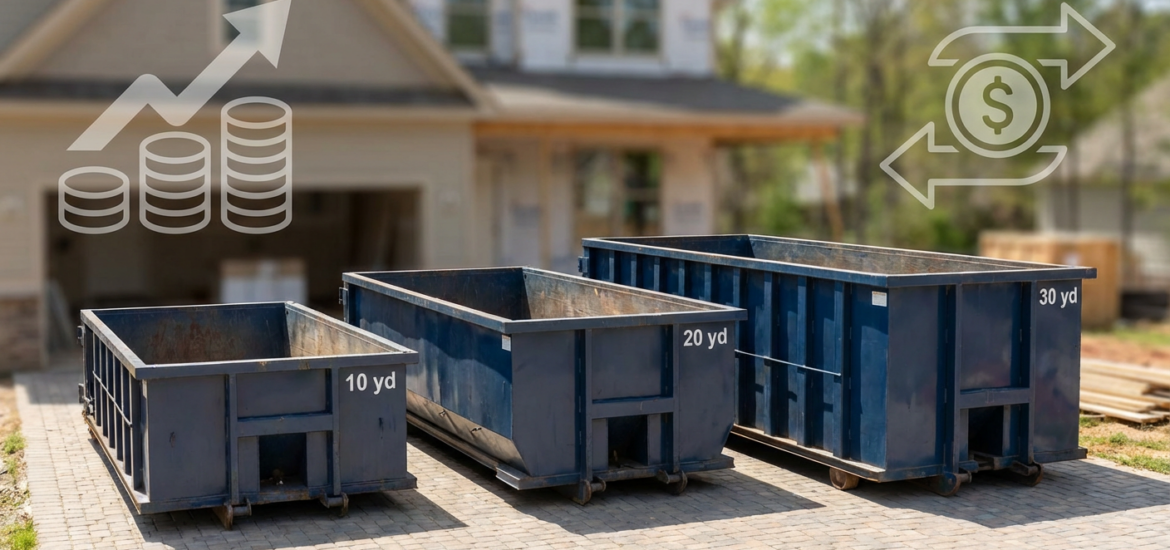
Bin rental costs vary primarily with bin volume, impacting project budgets. For example, a 12-yard bin typically suits smaller home clear-outs or minor renovations, while a 20-yard option is common for larger construction debris or significant decluttering. You Junk It… I Dump It offers transparent pricing, helping clients plan effectively based on their project’s scope.

Selecting the right size prevents overage fees or needing multiple bins. For instance, a 25-cubic yard bin provides substantial capacity for larger projects such as whole-home cleanouts or commercial renovations. We recommend clients estimate their waste volume carefully to choose the most cost-effective solution for their junk removal needs. Bin Sizing

Bin rental prices reflect not only size but also factors like rental duration and the type of materials for disposal. Comparing Bin Rental Prices involves looking at the base rate, weight limits, and potential extra charges.

Bin Size (Cubic Yards) Common Uses
12-15 Small cleanouts, landscaping projects, single room renovations
20 Medium home renovations, multi-room decluttering, roofing debris
25 Large residential projects, extensive clear-outs, commercial renovations. 25 Cubic Yard
30+ Major construction, demolition, large estate cleanouts

Kitchen Renovation Budget Scenario

The cost of bin rental is a significant concern for homeowners planning renovation projects. Factoring in waste removal early helps maintain overall budget control.

Marcus needs to rent a bin for a large home renovation and is trying to understand the pricing structure. He’s comparing different bin sizes and rental durations to find the most cost-effective option for his project.

Recommendation: Transparent Pricing for Bin Rentals

You Junk It… I Dump It recommends understanding the factors influencing Bin Rental Prices, such as bin size and rental duration. This allows for better budgeting and selection of the most appropriate bin for your specific waste removal needs.

When choosing a bin, consider the overall volume of debris expected; a 25 Cubic Yard bin is often a good choice for kitchen renovations. We advise selecting the smallest bin that still accommodates your waste to prevent paying for unused space. You can also review Bin Rental Tips for home renovations to optimize your choice and loading.

For kitchen projects, we frequently see homeowners benefit from comparing bin sizes to find the right balance between capacity and cost. You Junk It… I Dump It aims to provide clear pricing to help with these important project decisions.

Compare Bin Rental Services Locally

Evaluating bin rental services in the local market requires looking beyond just the advertised price. Key aspects like included weight limits, rental duration, and permitted waste types can significantly change the overall cost.

You Junk It… I Dump It emphasizes clear communication about these factors to prevent unexpected fees. We often see situations where a low initial quote becomes more expensive due to hidden charges for exceeding weight limits, which is why transparent pricing is so important for our clients.

Consider the following points when comparing providers for Bin Rental Prices:

  1. Check for hidden fees. Some companies charge extra for delivery, pickup, or specific waste types.
  2. Review the included weight allowance. Overages are a common source of additional costs.
  3. Confirm the rental period. Standard durations vary, and extending a rental can incur daily charges.
  4. Ask about prohibited items. Disposing of hazardous materials or certain electronics might require special arrangements or incur fines.
  5. Inquire about permit requirements if the bin will be placed on public property. Local regulations differ, and the provider may assist with this process.
  6. Read customer reviews. Feedback from other users provides insight into service reliability and customer support.

To ensure you choose the best option, a direct comparison of services helps clarify offerings. Edmonton Bin Rentals might vary significantly, so ask specific questions about the services provided.

Comparison Point What to Ask
Bin Size Availability What sizes do you offer for different project scales? Consider options like a 25 cubic yard bin for larger projects.
Included Weight Limits What is the tonnage included, and what are the fees for exceeding it?
Rental Duration What is the standard rental period, and what are the daily extension costs?
Prohibited Materials Are there any items you do not accept, or specific items with extra charges?
Permit Assistance Do you help with obtaining necessary permits for street placement?
Customer Support What is your response time for inquiries or service changes? Junk Bin Rentals should come with responsive support.

How You Junk It… I Dump It Compares

Waste removal services offer different approaches to junk disposal. You Junk It… I Dump It focuses on providing convenient bin rentals, allowing clients to load debris at their own pace. This differs from full-service junk removal, where a crew handles all the loading.

Our service stands out when a project generates a steady volume of waste over several days, such as a home renovation. However, if you have only a few bulky items or a small, single-day cleanup, a full-service junk removal might be more cost-effective to consider. We help clients evaluate these scenarios to choose the best option for their needs. Junk Removal types

Service Type Best For Potential Drawbacks
Bin Rental Projects with debris accumulation over days or weeks, like remodels. Requires self-loading; may not suit single, heavy items.
Full-Service Junk Removal Quick cleanouts of a few items or when labor is not available. Higher cost for large volumes; less flexible scheduling.

Bin Rental Prices can sometimes seem higher upfront than full-service options for small jobs, but the control and flexibility gained often balance the costs for larger projects. Bin Rental vs

Secure Best Bin Rental Deals

Finding the most favorable Bin Rental Prices involves comparing not just the base rate, but also duration, waste type, and potential extra fees. Many providers offer short-term rentals (1-3 days) or extended options (7-10 days), with pricing structures that adjust accordingly. Considering the full scope of your project helps select the most cost-effective option.

We see that selecting the right bin size for your project is important for cost savings. If you choose a bin that is too small, you may need to rent a second one, increasing overall expenses. Conversely, an oversized bin means paying for unused capacity.

The table below outlines typical rental durations and their cost implications for a standard bin size. Comparing these factors helps to find a suitable option for your waste removal needs.

Rental Duration Typical Use Case Cost Implications
1-3 Days Small cleanouts, single-room renovations Lower base rate, but daily overage fees can add up if project extends.
7 Days Most home renovation projects, larger cleanouts Standard offering, good balance of time and cost.
10+ Days Large construction, extended projects Higher base rate, but often more economical for longer needs.

Certain items are generally not permitted in rental bins due to environmental regulations or safety concerns. Confirming accepted materials with your provider helps avoid unexpected surcharges.

  • Hazardous materials (paints, chemicals, asbestos)
  • Tires and batteries
  • Refrigerators and freezers (unless freon is removed)
  • Propane tanks
  • Medical waste
  • Flammable liquids

Preparing for bin pickup helps ensure a smooth process and avoid additional charges. Following these steps helps streamline your waste removal.

  1. Ensure the bin is not overfilled; waste should be level with the top.
  2. Confirm the weight does not exceed the agreed-upon limit.
  3. Clear any obstructions around the bin to allow easy access for the truck.
  4. Double-check for any prohibited items inside the bin.

FAQ

To help you navigate the complexities of waste disposal, we’ve compiled answers to common questions about bin rental prices and how to optimize your savings.

Question Answer
How does bin size affect the total cost of a rental? Larger bins cost more because they hold more debris and have higher transportation expenses. Renting a bin that is too small can lead to extra pickup fees or the need for a second rental, increasing overall costs. Choosing the correct size from the start helps avoid unexpected expenses.
What types of waste can result in extra disposal charges? Certain materials require specialized handling or disposal at specific facilities, leading to additional fees. Examples include concrete, electronics, hazardous waste, tires, and batteries. It is important to confirm accepted materials with your provider to avoid unexpected surcharges.
When is a full-service junk removal a better option than bin rental? Full-service junk removal is often more cost-effective for removing only a few bulky items or for small, single-day cleanups. Bin rentals are better suited for projects that generate a steady volume of waste over several days, like home renovations.
What factors should I consider when comparing local bin rental services? When comparing providers, look beyond the advertised price to examine included weight limits, rental duration, and permitted waste types. Check for hidden fees for delivery, pickup, or specific materials. Also, review customer reviews for insights into service reliability.