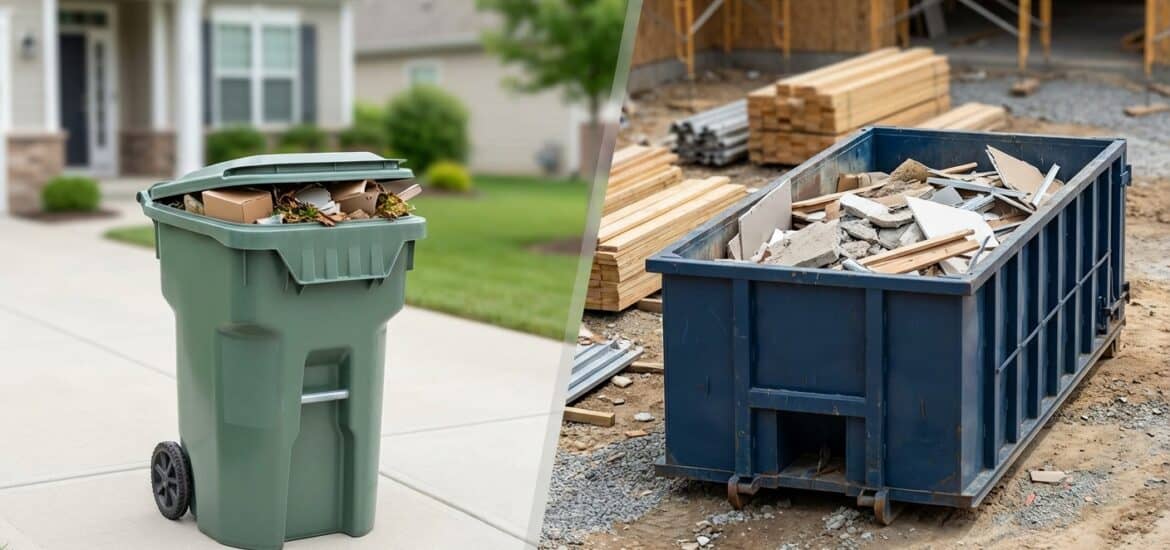
Heavy-duty construction dumpster for debris removal at building site.
Categories General

Construction Junk Removal Guide

Understanding Construction Junk Removal

Construction junk removal is the systematic process of collecting, sorting, and disposing of waste materials generated during building, renovation, or demolition projects. This essential service helps to pstreamline your project by keeping sites clean, safe, and organized. Effective waste management prevents delays and improves overall operational efficiency.

Proper management of construction debris goes beyond simple cleanup; it involves adhering to regulations and often includes recycling and donation efforts. Professional services handle diverse materials, from concrete and wood to metals and hazardous waste. Understanding this comprehensive approach is key to a smooth project flow.

Engaging experts for construction junk removal allows project managers and contractors to focus on core construction tasks. This specialization ensures waste is managed efficiently, contributing significantly to project timelines and budget adherence. Choosing a service that prioritizes eco-friendly junk removal further enhances a project’s sustainability goals.

Efficient construction junk removal is crucial for maintaining organized worksites and ensuring project continuity.

Explore our comprehensive construction junk removal services to see how we can assist your next project.

Core Principles of Effective Junk Removal

Selecting the appropriate dumpster size is a critical aspect of efficient junk removal, directly impacting cost and convenience for any project. Understanding the various options available can prevent overspending or unnecessary trips. For instance, knowing how to choose the right dumpster size ensures you have adequate space without paying for excess capacity.

Effective construction junk removal is built upon several core principles that significantly contribute to project efficiency. Adhering to these practices can truly pStreamline your project, ensuring a clean, safe, and productive work environment. Key among these is proactive planning, where debris management is considered from the initial stages of a project rather than as an afterthought.

Another essential principle involves proper waste segregation and recycling. By separating materials like wood, metal, concrete, and drywall, construction sites can minimize landfill waste and often reduce disposal costs. This methodical approach to construction junk removal not only benefits the environment but also helps pStreamline your project by creating organized processes and complying with regulations. For more detailed insights into costs, refer to our junk removal cost guide for more. If you’re unsure about the right container for your debris, our bin sizing guide can help you choose.

The Cost of Construction Junk Removal

Understanding the financial aspects of construction junk removal is crucial for effective project management. While an initial outlay is required, investing in professional services can actually pstreamline your project by mitigating unforeseen expenses and maximizing resource allocation.

Professional junk removal saves time that would otherwise be spent on debris sorting, loading, and disposal, allowing your team to focus on core construction tasks. For more details on pricing structures, consult our junk removal cost guide.

Many factors influence the overall cost, including the volume and type of debris, site accessibility, and the urgency of removal. An eco-friendly junk removal guide can help you understand how responsible disposal also impacts pricing.

Here is a comparison of common service tiers for construction junk removal:

Choosing the correct dumpster size is crucial for efficient project management and cost-effectiveness; learn more about selecting the right option in our guide to dumpster sizes for more.

Service TierDescriptionCost Implications
Standard Volume-BasedPricing determined by the amount of junk removed (e.g., cubic yard). Suitable for most projects with predictable debris.Transparent pricing, potentially lower for smaller loads.
Item-Specific PricingCharges applied per large item (e.g., appliance, heavy machinery part). Ideal for projects with a few bulky items.Good for precise budgeting when specific large items are known.
Full-Service Debris ManagementIncludes sorting, loading, hauling, and eco-friendly disposal. Comprehensive solution for complex or large-scale sites.Higher upfront cost, but saves significant labor and time, helping to pstreamline your project.
Scheduled Pick-upsRegularly scheduled removal services throughout the project duration. Maintains a clean and safe worksite consistently.Predictable recurring costs, minimizes on-site clutter, and improves efficiency.

Investing in professional construction junk removal helps manage project costs effectively by preventing delays and ensuring efficient waste disposal.

Choosing the Right Junk Removal Service

Selecting the appropriate service tier is crucial for managing your project budget and timeline effectively. Understanding the different options available can help you make an informed decision, and our junk removal service guide offers valuable insights into making the best choice for your needs.

Selecting the appropriate junk removal service is crucial to efficiently pStreamline your project and maintain a clean worksite. A reliable partner ensures timely waste disposal, compliance with regulations, and overall operational smoothness. This section will guide you through key considerations, from vetting providers to understanding service details, helping you make an informed decision for your construction junk removal needs.

Vetting Potential Providers

When evaluating junk removal services, thoroughly vetting potential providers is essential. Look for companies with a strong reputation for reliability, efficiency, and responsible disposal practices. Checking customer reviews and testimonials can offer valuable insights into their service quality, especially when dealing with specific types of waste like yard debris, which requires proper handling and disposal methods.

  • Review their experience with construction debris.
  • Verify proper licensing and insurance.
  • Check their commitment to eco-friendly disposal, such as understanding how to dispose of yard waste responsibly.
  • Assess their fleet and equipment for capacity.

Key Questions to Ask

Before committing to a junk removal service, asking the right questions can clarify their capabilities and ensure they align with your project’s specific requirements. This helps in understanding their operational procedures and pricing structure. For a deeper dive into financial aspects, consider our guide on how to choose a junk removal service, and for dumpster specifics, review our advice on how to choose the right dumpster size, as detailed in our small dumpster rental guide for more.

  • What types of construction debris do you handle?
  • How do you calculate your service fees?
  • What is your typical response time for pickups?
  • Can you provide references from other construction projects?
  • Do you offer recycling and donation services for specific materials?

Understanding Service Details and Pricing

A clear understanding of service details and pricing models will prevent unexpected costs and ensure smooth project execution. Discuss all potential charges, including labor, disposal fees, and any surcharges for specific materials. Transparency in pricing helps you to pStreamline your project budget effectively.

  • Obtain a detailed quote outlining all services.
  • Inquire about flexible scheduling options.
  • Confirm any limitations on material types or weight.
  • Understand their process for waste sorting and recycling.

Choosing the right construction junk removal service is paramount for maintaining project efficiency and site safety. By carefully evaluating providers and understanding their services, you can ensure a seamless and compliant waste management process.

For more insights on optimizing your project, explore our junk removal tips for your home or delve into common quote questions for junk removal services.

Key Services Offered in Construction Junk Removal

Professional construction junk removal services are comprehensive, designed to handle the diverse waste streams generated on building sites. These offerings pstreamline your project by ensuring efficient and compliant disposal of materials. From the initial demolition to the final touches, specialized teams manage debris, allowing your crew to focus on construction tasks.

Understanding the full scope of services available helps you make informed decisions, ensuring your site remains clean, safe, and productive. Proper management of construction debris is crucial for project timelines and overall success. For contractors, understanding the nuances of job site cleanup is essential, and our contractor’s guide to efficient job site cleanup provides valuable insights.

  • Debris Removal. This core service involves the collection and hauling away of all types of construction and demolition waste, including wood, concrete, metal, drywall, and roofing materials. Efficient debris removal helps maintain a safe working environment and keeps your project on schedule. For more details on what materials are typically handled, explore our construction debris removal insights.
  • Material Hauling. Beyond just removal, this includes the transportation of bulk materials from your site to appropriate disposal or recycling facilities. This service is essential for managing large volumes of waste effectively and quickly.
  • Site Cleanup. Comprehensive site cleanup ensures that the work area is free from scattered debris, nails, and other hazards after construction phases. This keeps the site tidy and reduces the risk of accidents, contributing to a smoother workflow.
  • Recycling and Donation. Many professional services prioritize eco-friendly disposal by sorting recyclable materials like metals, plastics, and cardboard, and even donating usable items. This reduces landfill waste and aligns with sustainable building practices, as outlined in our eco-friendly junk removal guide for more.
  • Hazardous Waste Disposal Assistance. While direct disposal of highly hazardous materials might require specialized licenses, junk removal companies often assist in identifying, segregating, and coordinating the proper disposal of common construction-related hazardous waste like paints, solvents, and adhesives, ensuring regulatory compliance.
  • Post-Construction Clean-out. Once construction is complete, a final clean-out service removes any remaining junk, packaging, or incidental debris, preparing the site for handover or subsequent stages. This final sweep helps to pstreamline your project’s closing phases.

Professional construction junk removal services play a vital role in maintaining clean, safe, and efficient construction sites by expertly handling various waste streams. These services significantly pstreamline your project, allowing your team to concentrate on core building activities.

To learn more about optimizing your waste management process, consider reviewing our guide on how to prepare for junk removal.

Benefits of Professional Construction Junk Removal

Hiring professionals for construction junk removal offers numerous advantages that directly contribute to the smooth operation and success of any building project. These services help pstreamline your project by removing debris efficiently and safely.

After working with numerous construction sites, our team has observed that efficient debris removal significantly reduces project timelines and improves worker safety. This proactive approach prevents accidents and ensures a cleaner, more organized work environment.

Professional construction junk removal also aids in compliance with local regulations. Expert teams are knowledgeable about proper disposal methods and environmental considerations, which helps avoid potential fines and legal issues. This expertise is a vital part of effective construction debris removal, and choosing the right dumpster size is crucial for managing this debris.

  • Enhanced Safety: A clutter-free site minimizes trip hazards and other dangers for workers and visitors, fostering a safer working environment.
  • Increased Efficiency: Rapid removal of waste allows construction crews to focus on their core tasks without interruption, boosting overall productivity.
  • Cost Savings: While there’s an initial investment, professional junk removal can save money in the long run by preventing delays, reducing labor costs associated with manual cleanup, and avoiding fines. Understanding the junk removal cost guide can help in budgeting.
  • Environmental Responsibility: Reputable services prioritize recycling and responsible disposal, reducing the project’s ecological footprint.
  • Time Savings: Offloading debris management to experts frees up valuable project time that can be reallocated to critical construction phases.

Professional construction junk removal is essential for maintaining an efficient and safe worksite, helping to pstreamline your project from start to finish.

For expert assistance with your construction debris, explore our range of junk removal services tailored to your project’s needs.

Preparing Your Site for Junk Removal

Proper preparation of your construction site for junk removal is crucial to ensure efficiency and a smooth pickup process. Taking the right steps beforehand helps to streamline your project, reduce potential delays, and maximize the effectiveness of professional junk removal services. A well-organized site makes it easier for removal teams to quickly identify, sort, and haul away debris, leading to significant time and cost savings.

Understanding how to prepare for construction junk removal is essential for any project manager or contractor. This proactive approach not only benefits the junk removal company but also enhances overall site safety and productivity. For general advice on tidying up, review our junk removal tips, which can be adapted for larger sites.

Categorizing Construction Debris

Effective categorization is the first step in preparing your site for construction junk removal. Separating different types of waste streamlines the removal process and can sometimes reduce disposal costs, especially for recyclable materials. This organization helps professional services like ours to efficiently manage various debris streams, and understanding how to recycle paper at home can be a helpful starting point for sorting other materials.

  1. Separate Materials: Create distinct piles or bins for different waste categories, such as wood, metal, concrete, drywall, plastics, and hazardous materials.
  2. Identify Recyclables: Clearly mark materials that can be recycled, such as clean wood, metals, and cardboard, to facilitate eco-friendly disposal.
  3. Isolate Hazardous Waste: Set aside any hazardous materials, like paints, solvents, or asbestos, as these require specialized handling and disposal according to local regulations.
  4. Consolidate Small Items: Place smaller pieces of debris, packaging, and general trash into bags or containers for easier collection.

Ensuring Site Accessibility and Safety

Making your site accessible and safe for junk removal crews is paramount. Clear pathways and a secure environment protect both your team and the removal professionals, helping to pstreamline your project logistics. Before the removal team arrives, take these steps to prepare your site. Choosing the right dumpster size is also a crucial part of efficient site preparation, so consider our guide to dumpster size selection for your project, like comparing a 20 vs 30 yard bin rental.

  1. Clear Pathways: Ensure that access routes to debris piles are clear of obstructions, equipment, and other materials.
  2. Secure Hazardous Areas: Mark or cordon off any areas with potential hazards, such as uneven ground, open trenches, or active machinery.
  3. Provide Adequate Lighting: If removal is scheduled during low-light hours, ensure sufficient lighting is available in debris collection zones.
  4. Communicate Site-Specific Rules: Inform the junk removal team about any specific site safety protocols, such as mandatory hard hats or safety vests.
  5. Designate Pickup Zones: Clearly mark the areas where debris is to be collected and loaded onto removal vehicles.

Scheduling and Coordination with Removal Services

Proper scheduling and coordination with your chosen construction junk removal service are vital for timely and efficient project completion. This proactive communication helps to pstreamline your project by aligning expectations and ensuring resources are available when needed. For example, understanding the different bin sizes can help you select the most appropriate container for your project’s waste volume, much like when considering options in an Edmonton yard waste pickup guide for more.

  1. Confirm Pickup Dates: Double-check the scheduled pickup date and time with the junk removal company well in advance.
  2. Provide Site Contact: Designate a site contact person who can communicate with the removal crew upon arrival and address any immediate questions.
  3. Detail Debris Volume: Give an accurate estimate of the volume and type of debris to be removed, ensuring the appropriate equipment and crew size are dispatched.
  4. Discuss Special Requirements: Inform the service provider of any unique site challenges, such as tight access points or specific disposal instructions for certain materials.
  5. Verify Permits: Confirm that any necessary permits for debris removal or street access are in place, if applicable, to avoid delays.

Preparing your construction site properly for junk removal is key to maintaining project timelines and operational efficiency. By following these preparation guidelines, you can significantly enhance the speed and effectiveness of debris cleanup, allowing you to pstreamline your project from start to finish.

Environmental Considerations and Disposal

Proper waste management is crucial for any construction project. Understanding how to sort and dispose of different types of waste can not only help the environment but also potentially reduce costs. For guidance on sorting, consult our Edmonton waste sorting guide to ensure compliance and efficiency.

Construction projects generate significant amounts of waste, making environmental considerations in construction junk removal increasingly vital. Responsible disposal methods not only benefit the planet but also help to pStreamline your project by ensuring compliance with local regulations and fostering a positive public image. Adopting eco-friendly practices from the outset can reduce landfill reliance and promote resource recovery.

Professional junk removal services are adept at navigating these environmental requirements, often employing advanced sorting and recycling techniques. This focus on sustainability can indirectly pStreamline your project by minimizing potential fines for improper waste disposal and aligning with green building initiatives.

Proper disposal and recycling of construction waste are crucial for environmental protection and can help meet local regulations, ensuring your project remains compliant and sustainable.

Understanding the types of materials generated and their appropriate disposal pathways is a key component of effective waste management. This proactive approach supports both ecological health and project efficiency.

When selecting a service, consider their commitment to recycling and ethical disposal. Companies that prioritize sustainability can offer detailed waste audits and transparent reporting, which helps manage costs effectively as discussed in our junk removal cost guide. For larger projects, understanding the appropriate bin size is essential, and our guide on how to choose the right dumpster size can provide valuable insights.

Navigating the environmental aspects of construction junk removal is crucial for sustainable project management and regulatory compliance.

Explore our comprehensive services to see how our team can support your eco-friendly waste disposal needs.

Streamlining Your Next Construction Project

Integrating professional construction junk removal services is a pivotal strategy to pstreamline your project from the initial stages right through to completion. A clean and organized worksite enhances safety and boosts productivity, ensuring that your team can focus on their tasks without navigating hazardous debris.

By delegating waste management to experts, you can significantly reduce project timelines and improve overall efficiency. Professional construction debris removal ensures that waste is promptly cleared, preventing costly delays and maintaining a professional appearance for your site. This proactive approach to waste handling is a cornerstone of modern construction management.

There are numerous benefits of hiring junk removal services for construction sites, contributing to a smoother workflow. From the moment you begin a project, having a clear plan for debris removal can set a positive tone. This commitment to efficiency helps to pstreamline your project, fostering better communication and execution among all stakeholders. Understanding the right dumpster size for your needs is also key; learn more about how to choose the right dumpster size for your project.

Effective planning for debris removal involves understanding the types of waste generated and scheduling regular pickups. For practical advice on preparing your site, consult our guide on how to prepare for junk removal. If you’re unsure about the right size bin for your needs, our guide to how to choose the right dumpster size can help. Such preparation ensures that when the professionals arrive, the process is swift and hassle-free, further contributing to a streamlined operation. When considering your options, remember that choosing local providers can offer distinct advantages, as detailed in our discussion on why choosing local matters.

Professional construction junk removal services are essential for maintaining an organized and efficient worksite, helping to pstreamline your project and ensure its timely and successful completion.

For more insights into managing construction waste effectively, explore additional resources on our site.

Frequently Asked Questions About Junk Removal

Navigating construction projects often brings up questions about waste management. This section addresses common queries regarding construction junk removal, providing concise answers that help readers understand the process and how it contributes to helping pstreamline your project. For specific details on local regulations, consult our Edmonton waste sorting guide.

What types of debris are handled by construction junk removal?

Construction junk removal services are equipped to handle a wide array of debris generated during building, renovation, or demolition projects. Understanding the scope of what can be removed helps to pstreamline your project planning, especially when considering seasonal changes that might affect removal schedules, such as those discussed in our blog about fall cleanup services for more.

  • Concrete and Masonry: Broken concrete, bricks, tiles, and asphalt.
  • Wood and Lumber: Scraps, pallets, framing materials, and old decking.
  • Metals: Rebar, piping, wiring, and other metallic components.
  • Drywall and Plaster: Gypsum board, plaster, and related materials.
  • Roofing Materials: Shingles, sheathing, and insulation.
  • Fixtures and Appliances: Old sinks, toilets, cabinets, and non-hazardous appliances.

How does professional junk removal save time and money?

Many project managers wonder how professional construction junk removal can actually be a cost-effective solution. The efficiencies gained by outsourcing this task can significantly pstreamline your project budget and timeline.

By hiring professionals, you eliminate the need to:

  • Rent and transport dumpsters.
  • Allocate valuable crew time to waste sorting and hauling.
  • Incur costs associated with landfill fees and permits.
  • Manage potential safety hazards from accumulated debris.

Professional services offer efficient collection, responsible disposal, and often include recycling, which can reduce overall costs and keep your project on schedule. For more details on the financial aspects, you might consult a contractor waste disposal guide for more.

What steps can I take to prepare for junk removal?

Proper preparation is crucial to ensure a smooth and efficient junk removal process, helping to pstreamline your project. A little planning can save considerable time and effort on the day of pickup.

Key preparatory steps include:

  1. Segregate Materials: If possible, separate recyclable materials (wood, metal, cardboard) from general waste.
  2. Clear Access Paths: Ensure that the junk removal team has clear and safe access to the debris.
  3. Identify Hazardous Materials: Clearly mark or separate any items that might require special handling, though most construction junk removal services focus on non-hazardous waste.
  4. Communicate Volume: Provide an accurate estimate of the volume of junk to be removed to the service provider.

Taking these steps allows the junk removal team to work quickly and effectively. For further guidance on getting your site ready, review our advice on how to prepare for junk removal. Understanding the right bin size for your needs is also a key part of preparation; learn more about how to choose the right dumpster size.

Professional construction junk removal is essential for maintaining organized, safe, and efficient project sites, helping to pstreamline your project from start to finish.

Consider partnering with a reliable service to handle your construction waste needs and keep your project running smoothly.

Conclusion: Partnering for Project Success

In summary, embracing professional construction junk removal services is more than just clearing debris; it’s a strategic move to pStreamline your project from beginning to end. By delegating waste management to experts, you create a safer, cleaner, and ultimately more productive worksite.

These services ensure proper disposal, often incorporating recycling and donation, which aligns with environmental responsibility. Understanding the benefits of hiring junk removal services can significantly impact your project’s efficiency and budget.

Whether it’s a small renovation or a large-scale construction, efficient construction debris removal is paramount. Partnering with a reliable service helps you avoid delays, manage costs, and maintain compliance with regulations, ensuring a smoother workflow for your team. Preparing your site effectively for junk removal is also key to success, and knowing how to choose the right dumpster size can prevent costly mistakes. For more on this, check out our contractors guide to efficient job site cleanup.

Ultimately, professional construction junk removal acts as a vital partner in achieving project success. It allows your team to focus on their core tasks, contributing to timely completion and overall client satisfaction, and further helping to pStreamline your project.

Professional construction junk removal is essential for project efficiency, ensuring a clean, safe, and productive work environment while managing debris responsibly.

For expert assistance with your construction waste, consider our comprehensive junk removal solutions.

Used industrial dumpster in yellow for waste disposal by You Junk It I Dump It.
Categories General

Edmonton Demolition Cleanup Guide

Edmonton Demolition Cleanup Essentials

Demolition cleanup is a crucial phase following any structural dismantling project, ensuring the site is safe, clear, and ready for its next purpose. This process involves meticulous removal of all debris, ranging from concrete and metal to wood and other construction waste. Understanding how to choose the right dumpster size for your project can streamline this process significantly.

Proper cleanup is not just about aesthetics; it’s vital for environmental protection and compliance with local regulations. Engaging professional services for demolition cleanup guarantees that all materials are handled and disposed of correctly, preventing potential hazards and costly fines.

Our team specializes in comprehensive demolition cleanup, transforming hazardous, debris-strewn sites into pristine spaces. We prioritize efficiency and safety, making sure every project, big or small, meets the highest standards.

What is Demolition Cleanup?

Demolition cleanup refers to the process of removing all waste and debris generated from a demolition project. This includes everything from building materials like concrete, wood, and metal to smaller items and hazardous substances. Proper disposal and recycling are key components of this service, ensuring environmental responsibility. For guidance on waste disposal options, consider exploring bin sizing and local regulations.

Demolition cleanup is a crucial service that follows the dismantling of structures, whether residential, commercial, or industrial. This process involves the systematic removal of all debris, waste, and potentially hazardous materials from a demolition site. Its primary goal is to transform a chaotic, post-demolition area into a clean, safe, and usable space, ready for its next phase of development or landscaping. For construction projects, understanding the waste disposal needs is paramount.

The scope of demolition cleanup extends far beyond simply hauling away rubble. It encompasses a comprehensive approach to waste management, ensuring environmental protection and adherence to local regulations. Proper demolition cleanup is essential for preventing safety hazards and preparing the site for future construction.

Key aspects of this essential service include:

  • Debris Removal: This involves collecting and transporting large volumes of materials such as concrete, wood, metal, plaster, and asphalt.
  • Hazardous Material Handling: Identifying, safely removing, and properly disposing of hazardous substances like asbestos, lead paint, and chemical residues is a critical component of demolition cleanup.
  • Sorting and Recycling: Many materials from demolition can be recycled or repurposed, reducing landfill waste and promoting sustainability.
  • Site Grading and Preparation: After debris removal, the site may require grading to ensure a level surface and proper drainage, setting the stage for subsequent projects.
  • Dust and Pollution Control: Measures are often taken to minimize airborne dust and prevent soil and water contamination during the cleanup process.

Engaging professional services for demolition cleanup ensures that all these complex tasks are handled efficiently and in compliance with safety standards and environmental guidelines. For large projects, understanding the appropriate bin size is crucial, and our guide to dumpster sizes can help.

Demolition cleanup is the vital process of clearing debris and hazardous materials from a site after a structure has been torn down, preparing it for future use.

Core Principles of Effective Demolition Cleanup

Effective demolition cleanup relies on several core principles to ensure the process is safe, efficient, and environmentally sound. Adhering to these guidelines helps prevent hazards, minimizes waste, and sets the stage for future development or use of the site. A well-executed demolition cleanup guarantees that all debris is handled appropriately, from initial sorting to final disposal, and choosing the right dumpster size is a key part of this process. Proper disposal of various waste streams, including specific guidance on how to dispose of yard waste, is also a critical consideration.

These principles are crucial for any project, big or small, to ensure a job well done and to meet all necessary standards. They encompass more than just removing rubble; they involve a strategic approach to site management and waste processing, and understanding how to properly dispose of yard waste is a vital part of this.

  • Safety First

  • Prioritizing safety is paramount in every demolition cleanup operation. This involves rigorous safety protocols, proper protective equipment for all workers, and careful management of potential hazards like unstable structures, sharp objects, and airborne particles. A safe site protects personnel and prevents accidents. For debris removal, consider our small dumpster rental guide for efficient disposal.

  • Efficiency and Planning

  • A well-planned demolition cleanup maximizes efficiency. This includes an initial assessment of the site, strategic segregation of debris, and coordinated removal processes. Efficient planning reduces project timelines and operational costs. For larger projects, understanding the appropriate bin size is crucial, and our guide to dumpster sizes can help determine if junk removal services are a better fit.

  • Regulatory Compliance

  • Adhering to local regulations and environmental laws is a non-negotiable aspect of demolition cleanup. This covers obtaining necessary permits, following waste disposal guidelines, and managing hazardous materials according to specific legal requirements. Compliance avoids fines and ensures responsible waste management, much like understanding how to recycle paper at home.

  • Environmental Responsibility

  • Minimizing environmental impact is a key principle. This means focusing on recycling and reusing materials whenever possible, proper disposal of non-recyclable waste, and preventing contamination of soil or water. Environmentally responsible practices contribute to sustainable development, such as choosing the right dumpster size for waste management, like considering a 20 yard bin rental for your project.

Understanding the core principles of demolition cleanup ensures projects are completed safely, efficiently, and with environmental integrity. These guidelines are fundamental to preparing any site for its next phase.

Key Stages in Demolition Cleanup

Understanding the key stages involved in demolition cleanup is crucial for any project, ensuring efficiency and safety. This systematic approach transforms a chaotic demolition site into a clean, ready-for-next-steps area. From the initial assessment to final site clearing, each step plays a vital role in successful demolition cleanup, and for yard debris, you can consult our Edmonton yard waste pickup guide.

Initial Site Assessment and Planning

Before any physical work begins, a thorough site assessment is paramount. This stage involves evaluating the demolition site to identify the types of debris, potential hazards, and the overall scope of the demolition cleanup. Proper planning at this phase sets the foundation for an organized and safe cleanup process. Understanding the costs involved is also crucial, and our construction junk removal guide can help clarify what to expect.

  1. Conduct a comprehensive survey of the demolished area.
  2. Identify all types of materials present, including wood, concrete, metal, and plaster.
  3. Assess for any remaining hazardous materials that require specialized handling.
  4. Develop a detailed cleanup plan, including equipment needs and personnel assignments.

Debris Segregation and Sorting

Once the assessment is complete, the next critical step is segregating and sorting the demolition debris. This process is essential for efficient disposal and potential recycling. Separating materials like metals, wood, and concrete allows for proper waste management and reduces landfill waste. For larger projects, understanding how to choose the right dumpster size is key to managing this sorted debris effectively, and considering local services can be beneficial for timely removal.

  1. Establish designated areas for different types of debris on-site.
  2. Manually or mechanically separate materials such as wood, plastics, and drywall.
  3. Collect and pile concrete and masonry separately for crushing or reuse.
  4. Ensure metals are isolated for scrap and recycling purposes.

Hazardous Material Identification and Removal

The presence of hazardous materials necessitates specialized handling during demolition cleanup. This stage focuses on identifying and safely removing substances like asbestos, lead paint, and chemical residues. Strict adherence to safety protocols and regulatory guidelines is crucial to protect both workers and the environment, and understanding proper waste sorting is key to compliant disposal, as detailed in our Edmonton waste sorting guide for more.

  1. Utilize trained professionals to identify and confirm hazardous materials.
  2. Implement containment procedures to prevent the spread of harmful substances.
  3. Employ specialized equipment for the safe removal and packaging of hazardous waste.
  4. Transport hazardous materials to approved disposal facilities following all regulations.

Loading and Transportation of Debris

Efficient loading and transportation are vital for removing debris from the site quickly and safely. This stage involves using appropriate machinery to load sorted materials into specialized containers or trucks, ensuring secure transit to disposal or recycling facilities. Proper loading techniques prevent spills and ensure compliance with transportation regulations. Choosing the correct dumpster size is essential for efficient debris management, and our guide to dumpster sizes can help you make the right choice. For seasonal cleanups, consider when to tackle large projects; our guide to fall vs. spring cleaning offers valuable insights.

  1. Use excavators, skid steers, or loaders to efficiently move large volumes of debris.
  2. Load sorted materials into roll-off bins, dump trucks, or specialized waste containers.
  3. Secure all loads to prevent material loss during transit.
  4. Transport debris to licensed recycling centres, landfills, or material recovery facilities.

Final Site Clearing and Preparation

The final stage of demolition cleanup involves thoroughly clearing the site and preparing it for future use. This includes removing any remaining small debris, dust, and contaminants. A clean and level site is essential for new construction or landscaping projects, marking the successful completion of the cleanup process. Understanding the nuances of waste disposal can be helpful; for more details, check out this contractor waste disposal guide for more.

  1. Perform a final sweep of the entire area to remove small fragments and dust.
  2. Check for any embedded debris or ground contaminants.
  3. Grade the land if necessary to ensure a level and stable surface.
  4. Conduct a final inspection to confirm the site meets all cleanliness and safety standards.

Benefits of Professional Demolition Cleanup

Engaging professional services for demolition cleanup offers numerous advantages, ensuring a smooth and safe transition from demolition to the next phase of your project. Experts bring specialized knowledge and equipment, transforming a potentially chaotic site into a clean, prepared space. For instance, understanding how to choose the right dumpster size can streamline waste management significantly.

The decision to outsource demolition cleanup can lead to significant peace of mind, knowing that all debris, including hazardous materials, is handled appropriately. This not only safeguards the environment but also protects anyone who may be on or near the site, as detailed in our job site cleanup guide for more.

  • Enhanced Safety. Professional teams are trained to manage demolition sites, minimizing risks associated with sharp objects, heavy debris, and potential hazardous materials. They follow strict safety protocols to protect workers and the public.
  • Increased Efficiency. With specialized equipment and experienced personnel, professionals can clear sites much faster than attempting it yourself. This speed reduces project timelines and helps keep overall costs down.
  • Cost Savings. While there’s an upfront cost, professional demolition cleanup can save money in the long run by avoiding fines for improper disposal, preventing accidents, and efficiently sorting materials for recycling or proper waste management.
  • Environmental Compliance. Experts ensure all waste is sorted and disposed of according to local environmental regulations, which often include specific rules for materials like concrete, wood, metal, and hazardous substances. This adherence prevents environmental damage and legal issues.
  • Proper Equipment and Techniques. Professional services come equipped with the right tools, from heavy machinery for large debris to specialized vacuums for dust, ensuring a thorough cleanup that might be impossible with standard tools. This also ensures efficient demolition cleanup, and you can learn more about choosing the right dumpster size for your project.

Our team has managed numerous demolition cleanup projects, underscoring the critical importance of adhering to strict safety protocols to protect both our crew and the surrounding environment. This commitment extends to every step of the cleanup process.

Factors Influencing Demolition Cleanup Costs

Understanding the costs associated with demolition cleanup is crucial for effective project planning. Several variables can significantly impact the overall expense, making each project unique.

The scope of work, including the volume and type of debris, directly influences how much a demolition cleanup will cost. Factors such as site accessibility and the presence of hazardous materials also play a major role in determining the final price. For instance, understanding how to choose the right dumpster size for your project can significantly affect costs and efficiency, and exploring options for junk bin rentals in Edmonton can provide valuable insights.

FactorImpact on Cost
Size of DemolitionLarger demolition projects generally produce more debris, increasing labor and disposal costs for demolition cleanup.
Type of DebrisMixed debris, concrete, wood, and metal require different handling and disposal methods, affecting pricing.
Site AccessibilityDifficult-to-access sites may require specialized equipment or more manual labor, driving up costs.
Hazardous Materials PresentThe presence of asbestos, lead paint, or other hazardous substances necessitates specialized handling, removal, and disposal, adding significant expense.
Disposal FeesLocal landfill or recycling center fees for various materials contribute to the overall cleanup cost.
Labor and EquipmentThe number of personnel and type of machinery needed for the job impacts the labor and equipment rental costs.

Effective demolition cleanup is essential for safety and project progression after any demolition work. Planning for these costs helps ensure a smooth transition to the next phase of your project.

Choosing the Right Demolition Cleanup Partner

Selecting the right partner for your demolition cleanup needs is crucial. Consider their experience, range of services, and commitment to responsible disposal practices. For instance, understanding how to choose the right dumpster size can significantly impact efficiency and cost-effectiveness. A contractor’s guide to efficient job site cleanup can offer valuable insights.

Selecting a reliable partner for your demolition cleanup project is essential for ensuring safety, efficiency, and compliance. This decision impacts not only the cleanliness of your site but also the overall success of your demolition project. Taking the time to evaluate potential partners thoroughly can prevent future complications and save you both time and money.

When searching for a service provider, focus on key criteria that indicate professionalism and competence in handling demolition debris. A reputable company will offer transparent practices and demonstrate a clear understanding of what demolition cleanup entails, such as knowing how to choose the right dumpster size for your project.

  • Service Offerings: Ensure the company provides a full range of demolition cleanup services, including debris removal, sorting, and responsible disposal. Discuss their methods for handling hazardous materials if applicable to your project, and consider how to choose the right dumpster size for your project.

By carefully considering these factors, you can make an informed decision and choose a demolition cleanup partner that aligns with your project’s needs and values.

Selecting the right demolition cleanup partner is crucial for project success, ensuring safety, compliance, and efficient site preparation.

Edmonton’s Regulations for Demolition Cleanup

Navigating Edmonton’s specific regulations is a critical component of any successful demolition cleanup project. Adhering to local bylaws ensures that all work is conducted legally and responsibly, protecting both the environment and public safety. Understanding these rules from the outset helps prevent delays and potential penalties, making the entire process smoother.

The City of Edmonton has established clear guidelines concerning demolition permits, waste disposal, and environmental standards. These regulations are designed to manage the significant volume of debris generated during demolition and to mitigate any environmental impact. Proper demolition cleanup practices involve careful planning and execution in accordance with these standards, including understanding whether to recycle, compost, or throw it away.

Key Regulatory Areas for Demolition Cleanup

Several key areas are subject to strict regulations in Edmonton, each requiring careful attention during demolition cleanup. Compliance starts with obtaining the necessary permits before any demolition work begins. For guidance on waste management, consult the Edmonton waste sorting guide to ensure proper disposal.

  • Permits and Approvals: Before commencing demolition, appropriate permits from the City of Edmonton must be secured. This process often involves submitting detailed plans, including how demolition cleanup will be managed and what types of materials will be removed.
  • Waste Classification and Disposal: Demolition debris is not uniform; it includes everything from concrete and wood to potentially hazardous materials. Edmonton regulations require careful segregation and proper disposal of waste. Hazardous materials, such as asbestos, lead paint, or certain chemicals, have specific handling and disposal protocols that must be followed rigorously.
  • Environmental Standards: Protecting the environment is a significant focus of Edmonton’s regulations. This includes measures to control dust, prevent soil and water contamination, and promote recycling of salvageable materials. Responsible demolition cleanup aims to minimize the ecological footprint of the project.
  • Site Safety: Regulations also cover site safety during and after demolition. This includes securing the site to prevent unauthorized access, managing heavy machinery, and ensuring the safety of workers involved in the demolition cleanup process.

By understanding and complying with these regulations, project managers and homeowners can ensure their demolition cleanup is both efficient and fully compliant with local laws. For guidance on waste management, consult the Edmonton waste sorting guide.

Adhering to Edmonton’s specific regulations for demolition cleanup is essential for a compliant and efficient project, covering permits, waste disposal, and environmental standards.

Post-Demolition Cleanup: Next Steps

Once the primary demolition cleanup is complete, a series of crucial next steps ensure the site is fully prepared for its subsequent phase. This involves moving beyond debris removal to focus on site restoration, detailed inspections, and readying the area for new construction or landscaping projects. A thorough post-demolition cleanup guarantees a smooth transition and helps avoid future complications. For instance, understanding how to choose the right dumpster size can significantly impact efficiency, much like knowing the proper methods for Christmas light disposal for more.

These subsequent actions are vital for completing the project lifecycle responsibly and efficiently.

  1. Final Site Inspection and Certification: A comprehensive final inspection confirms that all debris has been removed, hazardous materials properly handled, and the site meets all regulatory standards. This often includes a review by local authorities or third-party inspectors, leading to necessary certifications for future development.

  2. Soil Testing and Remediation: After demolition, the soil may have been compacted or contaminated. Soil testing can identify any issues, and remediation efforts, such as aeration, soil amendment, or removal of contaminated layers, may be necessary to ensure the land is suitable for its intended use, especially for landscaping or new foundations.

  3. Grading and Leveling: The site needs to be properly graded and leveled to ensure proper drainage and create a stable foundation for any new structures or landscaping. This prevents water accumulation and erosion, which can cause significant problems down the line. Accurate grading is an essential part of effective demolition cleanup.

  4. Utility Disconnection and Capping: Confirming that all utilities (water, gas, electricity, sewer) are safely disconnected and capped is a critical safety measure. This prevents accidental damage or leaks during future construction and ensures compliance with local building codes.

  5. Preparation for New Construction or Landscaping: With the site clean, leveled, and certified, it’s ready for the next phase. This could involve laying foundations for a new building, installing irrigation systems for landscaping, or beginning other site development activities. A well-executed demolition cleanup makes this transition seamless, and understanding the right dumpster size is key for efficient debris removal.

Navigating the post-demolition cleanup phase is just as important as the initial demolition itself, ensuring a safe, compliant, and ready site for future projects.

Conclusion: Ensuring a Successful Demolition Cleanup

Successfully managing a demolition cleanup project demands careful planning and execution. Throughout this guide, we have highlighted the importance of safety, efficiency, and strict adherence to regulations as paramount for any demolition cleanup.

Professional services play a crucial role in navigating the complexities of debris removal, hazardous material handling, and site restoration. Entrusting your project to experienced professionals ensures that the site is left clean, safe, and ready for its next phase, whether it’s new construction or landscaping. For construction projects, understanding the right container size is key; our guide to dumpster sizes can help. Considering the eco-benefits of pro junk removal can also lead to more sustainable practices.

By prioritizing professional demolition cleanup, you not only protect your investment but also contribute to environmental responsibility. Partnering with experts guarantees peace of mind and a thorough job, every time.

Demolition cleanup is an essential final step for any demolition project, ensuring safety and compliance before new construction can begin.

Scrap furniture and household waste at a junk removal site for recycling and disposal.
Categories General

Edmonton Junk Disposal Options

Why Choosing Local Matters

Understanding why choosing local matters for junk disposal services involves recognizing the direct benefits to both the consumer and the community. Opting for a local provider often means faster service and a more personalized approach, which is crucial when you need to remove unwanted items efficiently.

Local businesses are deeply invested in their community’s well-being and often prioritize responsible disposal methods, aligning with environmental values. This commitment ensures that your junk is handled in an eco-friendly manner, reducing landfill waste and promoting sustainability. Learn more about our junk removal process for more.

Furthermore, supporting local junk disposal companies helps to strengthen the local economy, creating jobs and fostering community growth. When preparing for junk removal, knowing that your choice makes a positive impact provides additional peace of mind. Discover the many benefits of professional junk removal and how they contribute to a cleaner environment. For projects of all sizes, understanding how to choose the right dumpster size is essential.

Core Principles of Local Junk Disposal

When considering junk disposal, selecting the right container is as important as choosing the right service. Understanding the various sizes available and how they match your project needs is key to an efficient cleanup. For instance, knowing how to choose the right dumpster size can prevent overspending or multiple trips.

Understanding the fundamental aspects of local junk removal companies reveals why choosing local matters for efficient and responsible disposal. These businesses operate with a distinct approach, prioritizing community connection and service area expertise. Their operational ethos is often rooted in building strong relationships within the areas they serve.

Local providers typically offer more personalized and flexible services compared to larger, national chains. This often translates into quicker response times and a deeper understanding of specific community needs and regulations. For example, local teams are adept at handling specific items like appliance removal or ensuring proper furniture disposal, adhering to local guidelines for recycling and waste management. They can also assist with larger projects, and our guide to choosing the right dumpster size can help you prepare.

The core principles guiding local junk disposal services include:

  • Community Focus: Local companies are invested in the well-being of their community, often participating in local initiatives and understanding the unique needs of residents and businesses.
  • Personalized Service: Unlike larger corporations, local businesses can tailor their services more precisely to individual customer requirements, offering flexibility in scheduling and specific item handling.
  • Environmental Stewardship: Many local junk removal services prioritize eco-friendly practices, including extensive recycling and donation efforts, ensuring items are disposed of responsibly. This commitment is highlighted in guides like eco-friendly junk disposal for more.
  • Economic Reinvestment: Revenue generated by local businesses often stays within the community, supporting other local enterprises and contributing to the local economy.
  • Accountability and Trust: Local providers rely heavily on their reputation within the community, fostering a higher degree of accountability and trust with their customer base.

These principles illustrate why choosing local matters, as it directly impacts the quality of service you receive and the positive ripple effect on your community and the environment. For instance, understanding the right dumpster size for your project can streamline the entire process, and you can learn more about this in our guide to bin sizing for more.

Choosing local junk disposal services offers significant advantages, from community support to personalized service, making it a responsible choice for your waste removal needs.

Explore our comprehensive services to see how our team can assist with your next cleanout project.

Benefits of Choosing Local Junk Removal

Opting for local junk removal services brings a host of tangible advantages that enhance your experience and support your community. These benefits range from more efficient operations to a personalized approach, underscoring why choosing local matters for a superior service.

Our team has handled junk disposal for hundreds of homes, and we’ve consistently found that local services often provide quicker turnaround times compared to larger, out-of-state companies. This is especially true when dealing with specific types of waste, such as yard debris, where understanding local disposal regulations is key; for more on this, see our guide on how to dispose of yard waste properly.

Faster Response Times and Flexibility

Local junk removal companies typically offer more agile scheduling and quicker response times. Their proximity means they can often accommodate urgent requests or provide service sooner than larger, more distant operations.

This localized approach minimizes travel distances, reducing fuel consumption and allowing for greater flexibility in scheduling. This is a key reason why choosing local matters when you need prompt and efficient service, and for understanding your options, consult our small dumpster rental guide for more details.

  • Shorter travel distances for collection teams.
  • Ability to respond quickly to unexpected disposal needs.
  • Greater flexibility in scheduling pick-up times.

Personalized Customer Service

When you choose a local junk removal provider, you often receive a more personalized and attentive customer experience. Local businesses thrive on their reputation within the community, leading them to prioritize customer satisfaction. For instance, understanding the right size bin for your project is crucial, and local providers can offer tailored advice on how to choose the right dumpster size.

This personal touch ensures that your specific needs and concerns are addressed promptly and effectively. Such dedicated service highlights why choosing local matters for a smoother and more pleasant interaction. Understanding the right size dumpster for your project is crucial, and our guide to https://youjunkit.ca/blog/junk-removal-services/ can help.

  • Direct communication with owners or decision-makers.
  • Tailored solutions for unique junk disposal challenges.
  • A greater focus on building long-term customer relationships.

Community Support and Economic Impact

Supporting local businesses, including junk removal services, has a direct positive impact on the local economy. Money spent locally tends to recirculate within the community, fostering job creation and supporting other local enterprises.

Furthermore, local companies are often more invested in the well-being of the areas they serve, frequently participating in community initiatives or employing local residents. This direct contribution to the local economy and community development is a compelling reason why choosing local matters.

  • Stimulates local job creation and economic growth.
  • Supports other local businesses through partnerships.
  • Contributes to the overall vitality and strength of the community.

Choosing local junk removal offers distinct advantages, from faster service and personalized care to significant community benefits, making it a smart choice for your disposal needs.

Explore our comprehensive junk removal services, including yard waste removal, to experience the difference a local provider can make. For additional eco-friendly disposal tips, consider how to recycle paper at home for more.

Cost Factors: Local vs. Out-of-Town Disposal

Understanding the cost implications is crucial when deciding on junk disposal services. The price can vary significantly depending on whether you choose a local provider or one from out-of-town. Several factors affecting junk removal costs come into play, making why choosing local matters for your budget.

Local businesses often have lower overheads related to travel distance, which can translate into more competitive pricing for customers. Out-of-town services might charge extra for fuel, mileage, and longer travel times, increasing your overall expense. Our junk removal pricing guide details how these elements influence the final quote.

Local regulations and disposal fees also play a role in pricing. Local companies are typically well-versed in the specific requirements and costs of their service area, avoiding unexpected surcharges. This knowledge ensures transparent pricing and helps you understand exactly what you’re paying for, reinforcing why choosing local matters for financial predictability.

Consider the differences in cost structures:

Local Disposal ServicesOut-of-Town Disposal Services
Reduced travel time and fuel costs.Higher charges for extended travel and fuel.
Familiarity with local disposal sites and fees.Potential for additional fees due to unfamiliarity with local regulations.
Often offer flexible scheduling to optimize routes, potentially lowering costs.Less flexibility and potentially higher rates for specific time slots.
May offer package deals for specific services, like office cleanout projects.Less likely to offer tailored local package deals.

Choosing a local junk disposal service often leads to more transparent and cost-effective solutions due to reduced travel expenses and intimate knowledge of local regulations and disposal sites.

Explore our comprehensive services and see how our team can assist with your disposal needs.

How to Choose the Right Local Junk Disposal Service

Selecting the right local junk disposal service ensures peace of mind and efficient removal of unwanted items. It involves a systematic approach to evaluating providers, confirming their legitimacy, and understanding their operational practices. This diligence is important because why choosing local matters for a hassle-free experience. For instance, understanding the appropriate bin size for your project is crucial, and our guide to dumpster sizes can help. For specific needs like yard waste, consult our Edmonton yard waste removal guide for tailored advice.

By carefully assessing potential companies, you can make an informed decision that benefits both your immediate needs and the broader community. The steps below provide actionable advice to help you navigate this process effectively.

  1. Verify licensing and insurance.
  2. Read customer reviews and testimonials.
  3. Request multiple detailed quotes.
  4. Inquire about their service area and availability.
  5. Ask about their disposal and recycling practices.

Checking Credentials and Reputation

When seeking a local junk disposal service, the first crucial step is to verify their credentials. Ensure the company is properly licensed to operate in your area, which indicates they meet local regulations and standards. Additionally, confirm they carry adequate insurance. This protects you from liability in case of accidents and property damage during the junk removal process.

Beyond basic licensing, exploring a company’s reputation is vital. Customer reviews and testimonials offer insights into their reliability, professionalism, and customer service. You can learn more about the importance of customer reviews to help guide your decision, and understanding the right questions to ask can also be beneficial, as detailed in our construction junk removal guide for more. A reputable local provider will typically have a strong track record of positive feedback, reflecting their commitment to quality service. Checking these aspects helps clarify why choosing local matters for a secure and trustworthy service.

Obtaining and Comparing Quotes

Once you’ve identified a few potential companies, the next step is to obtain and compare quotes. This involves requesting detailed estimates that outline all costs associated with the service. Be sure to ask about the size of the bin or dumpster they offer, as this can significantly impact the price. Understanding the different bin sizes is crucial for getting an accurate quote; our guide on how to choose the right dumpster size can help.

After narrowing down potential providers, the next step involves requesting multiple detailed quotes. A comprehensive quote should clearly outline all costs, including labor, transportation, disposal fees, and any potential surcharges. This transparency is key to avoiding unexpected expenses.

When comparing quotes, don’t just focus on the bottom line. Consider the scope of services offered by each company. Does one offer more convenient scheduling or specialized handling for certain items? Understanding these details is important when you are wondering questions to ask a junk removal company for more. Comparing apples to apples ensures you get the best value for your money and reinforces why choosing local matters for straightforward pricing.

Understanding Service and Environmental Practices

Finally, inquire about a local junk disposal service’s operational and environmental practices. Confirm their service area and availability to ensure they can meet your specific timeline and location requirements. A truly local company will often have more flexibility and faster response times due to their proximity.

Equally important are their disposal and recycling methods. Ask how they handle different types of waste and if they prioritize eco-friendly solutions. Many local companies are committed to responsible disposal, aiming to recycle or donate items whenever possible, minimizing landfill waste. This commitment to sustainability is another compelling reason why choosing local matters, contributing positively to environmental efforts in your community. For further assistance, consider reaching out to our team directly through our contact page, or consult our Edmonton waste sorting guide for more details.

Choosing a local junk disposal service is a decision that impacts not only your immediate needs but also the well-being of your community and the environment.

For efficient and responsible junk removal solutions, consider exploring the range of services offered by local providers in your area.

Key Services Offered by Local Providers

Local junk disposal companies provide a comprehensive suite of services designed to meet diverse needs, from residential decluttering to large-scale commercial projects. Understanding these offerings highlights why choosing local matters for efficient and tailored solutions. These providers are equipped to handle a wide range of unwanted items, ensuring proper disposal and recycling whenever possible. For instance, when undertaking a project, it’s crucial to know how to choose the right dumpster size for your project.

Opting for a local service means accessing prompt and professional assistance that is familiar with community regulations and resources. This familiarity translates into smoother operations and a greater commitment to customer satisfaction. Our junk removal services are designed to cover nearly any item you need to get rid of.

  • Residential Junk Removal. This service covers the removal of household clutter, old belongings, and general waste from homes. Whether you are clearing out a garage, basement, or an entire property, local providers make the process simple and stress-free.
  • Commercial Cleanouts. Businesses often accumulate significant amounts of junk, old equipment, or office furniture. Local companies specialize in efficient commercial junk removal to help businesses maintain clean and organized workspaces.
  • Construction Debris Hauling. After renovation or construction projects, there’s often a substantial amount of debris. Local providers can haul away everything from wood scraps and drywall to concrete and metal, ensuring a clean site.
  • Appliance Disposal. Getting rid of large appliances like refrigerators, washing machines, or ovens can be challenging. Local services offer convenient appliance disposal, often ensuring items are recycled responsibly.
  • Furniture Removal. Old sofas, mattresses, tables, and chairs are bulky and difficult to transport. Local junk removal teams are equipped to safely remove and dispose of these items, saving you the effort.
  • Electronic Waste Disposal. E-waste, including old computers, televisions, and other electronics, requires special handling due to hazardous materials. Local providers ensure these items are disposed of according to environmental regulations.

Choosing local junk disposal services offers tailored solutions for a variety of needs, from residential decluttering to commercial cleanouts, supporting efficient and responsible waste management within your community.

For more details on how our team can assist with your specific junk removal requirements, please explore our full list of services.

Environmental Responsibility and Local Disposal

One of the most compelling reasons to choose local junk disposal services is their inherent commitment to environmental responsibility. Local companies often have a deep understanding of regional regulations and opportunities for eco-friendly junk removal, ensuring that waste is handled in the most sustainable way possible. This local insight means they are typically more adept at diverting materials from landfills.

When considering why choosing local matters, their dedication to sustainable practices stands out. These businesses prioritize recycling, donating usable items, and proper disposal of hazardous materials. They work closely with local recycling centers and charities, contributing directly to the circular economy within the community.

Local junk disposal services implement strategies for responsible waste management that often exceed basic requirements. They understand that proper waste sorting and processing are crucial for minimizing environmental impact. Their operations are designed to maximize the reuse and recycling of materials, reducing the overall carbon footprint associated with junk removal.

Choosing a local provider helps ensure that items are not simply hauled away to the nearest landfill. Instead, they are sorted according to recycling guidelines for junk removal, with a focus on repurposing and responsible processing. This approach supports a healthier planet and a cleaner community, highlighting why choosing local matters for environmental stewardship.

The Community Impact of Hiring Local

Hiring local junk disposal companies extends beyond simple service provision; it creates significant positive ripple effects throughout the community. When you choose a local business like local junk removal, your money often circulates within the local economy, supporting other businesses and services. For projects requiring specific container sizes, understanding how to choose the right dumpster size is essential for efficiency and cost-effectiveness.

This economic multiplier effect means that the financial benefits are felt more broadly, contributing to overall community well-being. This is a key reason why choosing local matters for sustainable growth.

  • Job Creation: Local businesses are often significant job creators, providing employment opportunities for residents. This helps reduce unemployment rates and ensures that more people have stable incomes.
  • Local Tax Revenue: Spending at local establishments contributes to the local tax base, which in turn funds public services such as infrastructure improvements, schools, and parks.
  • Community Investment: Local business owners are typically more invested in the health and prosperity of their community. They are more likely to support local initiatives, charities, and events.
  • Personalized Service: Local companies tend to offer more personalized and responsive services, building stronger relationships with their customers and adapting to specific community needs.
  • Reduced Environmental Impact: Local businesses often operate with shorter supply chains, which can lead to less transportation and a smaller carbon footprint, reinforcing why choosing local matters for environmental health.

These contributions help foster a vibrant and resilient community. By prioritizing local services, you are directly supporting the people and places that make your area unique.

Understanding why choosing local matters for junk disposal reveals a direct path to supporting community growth and economic stability. For instance, understanding how to choose the right dumpster size for your project can significantly impact efficiency and cost.

To learn more about how our services benefit the community, feel free to contact our team today.

Choosing Local: A Final Thought

In conclusion, the decision to opt for local junk disposal services extends far beyond simple convenience. It’s a choice that creates a positive impact on multiple levels, reinforcing why choosing local matters for a superior service experience. From bolstering the local economy to fostering environmental responsibility, the benefits are substantial and far-reaching.

Prioritizing local businesses ensures that your hard-earned money circulates within your community, supporting local jobs and services. This economic reinvestment helps create a stronger, more resilient local infrastructure for everyone.

Moreover, local providers often offer more personalized and responsive services, understanding the unique needs of their neighbours. Their commitment to the community frequently translates into better customer care and a greater willingness to go the extra mile. When considering various junk removal services, remember that local companies often provide tailored solutions.

From an environmental standpoint, local junk disposal companies are typically more attuned to regional recycling initiatives and responsible disposal practices. They often have established relationships with local recycling facilities, minimizing the environmental footprint of your unwanted items. Understanding the junk removal process can highlight how local efforts contribute to sustainability.

Ultimately, why choosing local matters comes down to a comprehensive blend of economic, social, and environmental advantages. It’s a conscious decision that contributes to the well-being of individuals, strengthens the community fabric, and promotes sustainable living. For any questions or to schedule a service, you can always learn about the eco-benefits of professional junk removal or contact our team directly.

Choosing local junk disposal services provides significant benefits, including economic growth, enhanced community support, and environmental stewardship.

Explore our wide range of services or reach out to us for personalized junk removal solutions.

Large yellow dumpster for waste collection and junk removal services.
Categories General

Construction Junk Vs General Junk Removal

Residential vs. Construction Junk

Understanding the distinction between residential junk removal vs construction debris removal is crucial for both homeowners and contractors. While both services aim to clear unwanted materials, they differ significantly in the types of waste handled, the equipment required, and the disposal methods utilized.

Residential junk removal typically involves household items like old furniture, appliances, and general clutter that accumulate over time. In contrast, construction debris removal focuses on heavy-duty waste generated from building, renovation, or demolition projects, such as concrete, wood, and metal. For contractors, understanding the specifics of job site cleanup is essential.

Knowing these key differences ensures you select the appropriate service for your specific needs, preventing potential delays and ensuring efficient, compliant waste management. Choosing the right service can save time and resources in the long run.

  • Construction debris often requires specialized equipment and disposal methods, making it distinct from general household clutter.
  • When dealing with construction waste, understanding the appropriate bin size is crucial for efficiency and cost-effectiveness; consult our guide to choosing the right dumpster size for your project.
  • General junk, on the other hand, encompasses items like old furniture, appliances, and unwanted household goods.

To further clarify the distinction, consider the following typical items found in each category:

  1. Construction Debris:

    • Wood scraps, including lumber, plywood, and framing materials.
    • Drywall and plaster remnants.
    • Concrete, bricks, and asphalt from demolition.
    • Roofing materials like shingles and tiles.
    • Metal pipes, rebar, and wiring.
    • Insulation materials.
    • Broken fixtures such as toilets, sinks, and bathtubs.
    • Packaging materials from building supplies.
  2. General Household Junk:

    • Old furniture (sofas, chairs, tables).
    • Appliances (refrigerators, washing machines, ovens).
    • Electronics (TVs, computers, stereos).
    • Yard waste (branches, leaves, bagged clippings).
    • Mattresses and box springs.
    • Cardboard boxes and other packaging.
    • Unwanted clothing and textiles.
    • Miscellaneous household clutter.

Distinguishing between these categories helps ensure proper waste management, recycling, and adherence to local disposal regulations for residential junk removal vs construction projects. For construction projects, understanding the appropriate bin size is crucial, and our dumpster rental guide can help.

Understanding the specific types of waste generated, whether from a home cleanout or a construction site, is essential for choosing the appropriate junk removal service.

Key Differences in Removal Processes

Understanding the fundamental differences in removal processes is crucial when comparing residential junk removal vs construction debris. The logistical requirements, equipment, and disposal methods vary significantly between these two types of services. For instance, selecting the correct dumpster size is a critical first step, and our guide on how to choose the right dumpster size can help you make an informed decision for your specific needs.

Residential junk removal typically involves less hazardous materials and smaller volumes, allowing for more flexible collection and transport. In contrast, construction debris often requires specialized handling due to its weight, bulk, and potential for containing regulated substances, as detailed in our construction junk removal guide for more.

  • Sorting and Segregation. Residential junk removal usually involves sorting items into categories like recyclables, donation-worthy goods, and general waste. Construction debris, however, requires careful segregation of materials such as concrete, wood, metal, drywall, and hazardous waste to comply with specific regulations and facilitate recycling or proper disposal.
  • Loading and Equipment. For residential junk, items are often loaded manually into smaller trucks or vans. Construction debris frequently necessitates heavy machinery like excavators or bobcats for loading, especially for large volumes or heavy materials. Larger, more robust dump trucks or specialized roll-off bins are essential for transporting construction waste.
  • Transportation Logistics. The transportation of residential junk is generally straightforward, often involving a single trip to a transfer station or landfill. Transporting construction debris can be more complex, requiring multiple trips, adherence to weight limits, and sometimes permits for oversized loads. Routes must be carefully planned to accommodate heavy vehicles and ensure safety.
  • Disposal Methods. Residential junk aims for donation, recycling, or general landfill disposal for non-reusable items. Construction debris disposal is highly regulated, often involving dedicated construction and demolition (C&D) recycling facilities, specialized landfills for inert materials, or facilities equipped to handle hazardous construction by-products.
  • Regulatory Compliance. Residential junk removal has fewer strict regulatory hurdles. Construction debris removal, conversely, must adhere to numerous environmental regulations, safety standards, and local ordinances regarding waste handling, recycling mandates, and proper documentation of disposal. Failing to comply can result in significant fines and legal issues.

The distinction between residential junk removal and construction debris removal is critical for efficient and compliant waste management, requiring different approaches to sorting, loading, transportation, and disposal.

What Constitutes Residential Junk?

Residential junk primarily encompasses items found within a typical household that are no longer wanted or needed. This category is distinct from construction debris, which often involves heavier, bulkier, and sometimes hazardous materials. Understanding the difference between residential junk removal vs construction debris removal is crucial for selecting the right service.

Common examples of residential junk include old furniture, broken appliances, electronics, and general clutter that accumulates over time. These items are typically removed from homes, apartments, or private properties.

Here’s a breakdown of common residential junk items:

  • Furniture: Sofas, chairs, tables, mattresses, bed frames, dressers, and bookshelves.
  • Appliances: Refrigerators, washing machines, dryers, stoves, dishwashers, and microwaves.
  • Electronics (E-Waste): Televisions, computers, monitors, printers, and other small electronic devices.
  • Yard Waste: Branches, leaves, grass clippings, and garden debris (though often handled by specific yard waste disposal services).
  • Household Clutter: Old clothes, toys, books, decorative items, and general trash.
  • Storage Unit Clear-outs: Contents from decluttered garages, basements, attics, and storage lockers.

Unlike materials generated from demolition or renovation projects, residential junk is generally non-hazardous and doesn’t require specialized handling for removal beyond standard lifting and transport. The focus for residential junk removal vs construction waste is on convenience and efficiency for homeowners.

Understanding Construction Debris

Understanding construction debris is crucial when differentiating residential junk removal vs construction projects. This category encompasses waste materials generated from building, renovation, demolition, or repair activities. Unlike typical household clutter, construction debris often includes heavy, bulky, and potentially hazardous items that require specialized handling and disposal methods.

The nature of construction debris means it often requires different equipment and processes for safe and efficient removal. This can range from large roll-off dumpsters to heavy machinery for loading and specialized trucks for transportation. Many materials are recyclable, but they need to be sorted and processed correctly to avoid environmental contamination. If you’re undertaking a project, understanding how to choose the right dumpster size can significantly impact efficiency and cost.

Common types of materials found in construction debris include:

  • Concrete and Masonry: Broken concrete, bricks, stones, and other aggregate materials from foundations, walls, and pathways.
  • Wood: Lumber scraps, old framing, plywood, flooring, and other wooden materials.
  • Metals: Steel beams, copper pipes, wiring, aluminum siding, and other metallic components.
  • Drywall and Plaster: Gypsum boards, plaster, and associated dust from interior wall demolition or construction.
  • Roofing Materials: Shingles, tiles, and underlayment from roof repairs or replacements.
  • Insulation: Various types of insulation materials, which can sometimes contain irritants or hazardous substances.
  • Plastics: PVC pipes, plastic sheeting, and other plastic components used in construction.

Due to the volume and specific characteristics of these materials, handling construction debris demands adherence to strict safety regulations and environmental guidelines. This is a key distinction in residential junk removal vs construction debris services, as residential services rarely deal with such specialized waste. For contractors, understanding the proper disposal methods is crucial, and our job site cleanup guide offers valuable insights.

Distinguishing between residential junk removal vs construction debris services is essential for effective waste management, ensuring the right approach is taken for different types of projects and materials.

Cost Comparison: Residential vs. Construction

Understanding the cost differences between residential junk removal vs construction debris removal is crucial for effective budgeting. The expenses for each service can vary significantly due to the nature of the materials, the volume, and the specialized equipment often required.

Residential junk removal typically involves household items like furniture, appliances, and general clutter. These items are generally lighter and easier to handle, which often translates to lower overall costs.

Construction debris removal, however, deals with heavier, bulkier, and sometimes hazardous materials from renovation, demolition, or construction projects. This includes concrete, wood, metal, drywall, and roofing materials, which demand more robust equipment and specific disposal methods. For projects involving such materials, understanding construction junk removal is essential. This is different from services like how to dispose of yard waste.

Factors Influencing Residential Junk Removal Costs

Several factors impact the price of residential junk removal services. The volume of junk is a primary determinant, with pricing often based on how much space the items occupy in a truck. For those considering a DIY approach, our Small Dumpster Rental Guide can offer valuable insights into container sizes and usage.

  • Volume of Junk: Most companies charge based on the amount of truck space your items fill (e.g., quarter truck, half truck, full truck).
  • Type of Items: Some items, like old electronics or large appliances, may incur additional fees due to special handling or recycling requirements.
  • Location and Access: Difficult access to the junk (e.g., items in a basement, up multiple flights of stairs) can increase labour costs.
  • Urgency: Expedited services might come with a premium price.

Factors Influencing Construction Debris Removal Costs

The cost structure for construction debris removal is generally higher and more complex than for residential services. This is primarily due to the weight and type of materials, as well as the scale of the project. For contractors, understanding the most efficient job site cleanup is crucial for managing these costs effectively.

  • Weight and Density: Construction materials like concrete and asphalt are very heavy, leading to higher disposal fees at landfills or recycling facilities, which are often charged by weight.
  • Material Type: Hazardous materials (e.g., asbestos, lead paint) or specialized waste (e.g., large quantities of treated wood) require specific permits and handling procedures, adding to the expense.
  • Equipment Needs: Larger projects may necessitate the use of heavy machinery like excavators or bobcats for loading, increasing equipment rental and operational costs.
  • Disposal Regulations: Strict environmental regulations for construction waste can influence costs, as companies must ensure proper sorting, recycling, and disposal to avoid fines.
  • Labour Intensity: Moving and loading heavy construction debris is more labour-intensive and may require more personnel or specialized training.

When comparing residential junk removal vs construction debris removal, it’s evident that construction projects will typically incur greater expenses due to the challenging nature of the waste involved. Always obtain detailed quotes to ensure all potential costs are accounted for, and consider how to choose the right dumpster size for your project. For more on this topic, you can explore our junk removal services information.

The distinction between residential junk removal and construction debris removal is clear in their cost structures, driven by material type, volume, and logistical complexities.

When to Call Residential Junk Removal

Understanding when to opt for residential junk removal versus construction debris services is crucial for efficient waste management. Residential junk removal is best suited for clearing out unwanted items from homes, apartments, or other personal living spaces. This service focuses on typical household clutter that accumulates over time or results from specific events like moving or spring cleaning.

If your project involves items such as old furniture, appliances, electronics, or general household waste, a residential service is the appropriate choice. The key distinction in residential junk removal vs construction is the nature of the materials. Residential services handle items that can often be recycled, donated, or disposed of in standard landfills, rather than specialized construction waste facilities.

Common scenarios that call for residential junk removal include:

  • Spring cleaning and decluttering
  • Moving in or out of a home
  • Clearing out garages, attics, or basements
  • Disposing of old or broken furniture and appliances
  • Post-renovation cleanup of non-construction waste
  • Estate cleanouts

For construction debris, the process is different. Construction waste typically includes materials like lumber, drywall, concrete, bricks, roofing shingles, and other building materials generated from demolition, renovation, or new construction projects. These materials often require specialized disposal methods and may be subject to different regulations than household waste. If you’re undertaking a renovation or building project, understanding the specifics of construction junk removal is essential for proper site management.

  • Household Cleanouts: When decluttering an entire home, attic, basement, or garage, residential junk removal companies can efficiently haul away accumulated items.
  • Appliance and Furniture Disposal: Large, bulky items like refrigerators, washing machines, sofas, and mattresses are perfectly suited for residential junk removal services. These companies have the proper equipment and manpower to safely remove and transport such heavy objects.
  • Estate Cleanouts: After a loved one passes away or moves, an estate cleanout often involves disposing of numerous personal belongings, furniture, and other household goods.
  • Yard Waste Removal: While not construction debris, excess yard waste like branches, leaves, and old garden furniture can be handled by residential junk removal services, especially after significant landscaping work. You can learn more about disposing of yard waste from your property.
  • Pre-Move Decluttering: Before relocating, many homeowners use these services to get rid of items they don’t wish to take to their new home, making the moving process smoother.

Choosing a residential junk removal service ensures that your unwanted household items are handled responsibly, often with an emphasis on donation and recycling before landfill disposal.

– Major renovations or new construction projects that generate large volumes of wood, drywall, concrete, and metal.

  • Demolition work, whether it’s a small interior tear-down or a complete building deconstruction.
  • Site cleanup after a construction project is completed.
  • Projects requiring specific waste disposal compliance, such as Edmonton waste sorting regulations.
    • Demolition Projects: Any project that involves tearing down structures, whether a small shed or an entire building, will produce a large volume of heavy, often mixed, debris. This includes concrete, wood, metal, and plaster.
    • Major Renovations: Extensive home remodels, such as kitchen or bathroom overhauls, often result in significant waste like old cabinetry, flooring, tiles, drywall, and plumbing fixtures. These materials are too bulky and specialized for standard residential trash collection.
    • New Construction: Building a new home or addition generates a continuous stream of scrap materials, including lumber offcuts, packaging, insulation, and discarded fixtures. Managing this ongoing waste requires dedicated construction debris removal.
    • Landscaping Overhauls: Large-scale landscaping projects, especially those involving hardscaping, can produce heavy debris such as rocks, soil, broken concrete, and discarded paving stones.
    • Site Clearing and Preparation: Before construction begins, sites often need clearing of brush, trees, and existing structures, which generates organic and inorganic waste that needs proper disposal.

    Specialized services are equipped to manage the volume, weight, and variety of materials inherent in construction sites. They possess the right tools and vehicles, like roll-off dumpsters and heavy-duty trucks, to safely and efficiently transport debris to appropriate recycling or disposal facilities. For guidance on selecting the correct size, consult this guide to dumpster sizes for your project.

    Benefits of Professional Junk Removal

    Understanding the distinctions of residential junk removal vs construction debris services is crucial, but equally important is recognizing the overarching benefits that professional junk removal brings to both scenarios. Opting for a professional service, whether for household clutter or large-scale construction waste, streamlines the process significantly.

    Professionals handle the heavy lifting, sorting, and disposal, ensuring that items are managed efficiently and responsibly. This expertise is invaluable for both homeowners and contractors, saving time, reducing physical strain, and adhering to environmental regulations. For contractors, understanding the job site cleanup process is key to maintaining efficiency and safety.

    • Time-Saving. Professional junk removal services free up your valuable time, allowing you to focus on other aspects of your project or daily life. They quickly and efficiently remove unwanted items, eliminating the need for multiple trips to disposal sites.
    • Labor Reduction. Hauling heavy or bulky items can be physically demanding and potentially dangerous. Professional teams are equipped to handle all types of debris, reducing the labor burden and risk of injury for you or your crew.
    • Proper Disposal. Experts know the correct methods for disposing of various materials, including hazardous waste that might be present in both residential cleanouts and construction sites. This ensures compliance with local regulations and promotes responsible waste management.
    • Eco-Friendly Practices. Many professional junk removal companies prioritize recycling and donating usable items, minimizing the amount of waste sent to landfills. They often have established partnerships with recycling centers and charitable organizations, demonstrating their commitment to sustainability for more.
    • Enhanced Safety. Removing debris, especially from construction sites, can pose safety risks due to sharp objects, heavy materials, or hazardous substances. Professionals have the right equipment and training to safely clear these items, preventing accidents.

    Professional junk removal services offer significant advantages by providing efficient, safe, and environmentally responsible solutions for both residential and construction debris. These services save time and effort while ensuring proper disposal.

    Choosing the Right Junk Service

    Deciding between residential junk removal vs construction debris services requires careful consideration of several factors. Understanding these distinctions ensures you select the most efficient and cost-effective option for your specific project.

    One primary factor is the type of materials you need to dispose of. Residential junk typically includes household items like furniture, appliances, and general clutter, while construction debris involves materials such as concrete, wood, metal, and drywall.

    Another key consideration is the volume and weight of the debris. Construction projects often generate significantly larger quantities of heavy materials, necessitating specialized equipment and disposal methods not typically used for standard residential cleanouts. This directly impacts the type of service required.

    Here are crucial aspects to evaluate when making your decision:

    For construction debris, understanding the appropriate bin size is paramount; consult how to choose the right dumpster size for your project. For other types of waste, like paper, you can learn how to recycle paper at home.

    • Material Type: Identify if your waste is general household junk or heavy-duty construction materials.
    • Volume and Weight: Estimate the total amount and approximate weight of the items to be removed.
    • Project Scope: Determine if you are undertaking a small home decluttering or a large-scale renovation or demolition.
    • Hazardous Waste: Check for any hazardous materials that might be present, as these require specific handling and disposal protocols for both residential junk removal vs construction debris.
    • Timelines: Consider how quickly you need the junk or debris removed, as some services offer expedited options.
    • Permits and Regulations: For larger construction projects, be aware of local regulations regarding debris disposal and potential permit requirements.

    By assessing these points, you can accurately determine whether a standard residential junk removal vs construction debris service is the best fit, ensuring a smooth and compliant cleanup process.

    Choosing the right service for residential junk removal vs construction debris hinges on understanding the specific materials, volume, and project scope involved.

    Making Informed Junk Removal Decisions

    Understanding the nuances between different types of waste is crucial for selecting the appropriate disposal method, and our construction junk removal guide can help clarify these distinctions.

    Making the right choice between residential junk removal vs construction debris services is crucial for efficient project completion and proper waste disposal. Your decision hinges on understanding the specific type of waste you need to dispose of and the scale of your project.

    Carefully assessing your needs ensures you select a service that is equipped to handle your materials safely and compliantly. This distinction is vital for both homeowners clearing out clutter and contractors managing construction sites. For contractors, understanding the specifics of construction junk removal is particularly important.

    To make an informed decision, consider the following key factors:

    • Identify Waste Type: Determine if your items are general household junk (furniture, appliances, yard waste) or construction debris (wood, concrete, drywall, metal).
    • Assess Volume and Weight: Construction projects often generate significantly larger and heavier loads than typical residential cleanouts.
    • Consider Special Handling Needs: Certain construction materials, like concrete or treated wood, may require specialized equipment or disposal methods.
    • Review Local Regulations: Disposal rules vary for different waste types, especially for hazardous materials or specific construction components.
    • Evaluate Cost Structures: Pricing models for residential junk removal vs construction debris removal can differ based on volume, weight, and material type.
    • Consider Timelines: Construction projects often have strict deadlines, necessitating prompt and reliable debris removal services.

    By carefully weighing these considerations, you can confidently choose the appropriate junk removal service for your specific situation. This not only streamlines your project but also ensures environmentally responsible waste management. For instance, understanding the right dumpster size is crucial, and our guide on how to choose the right dumpster size can help.

    Understanding the distinctions between residential junk removal and construction debris services is essential for effective and compliant waste management. Choosing the correct service type ensures your project runs smoothly and your waste is handled appropriately.

    Conclusion: Right Junk Removal Choice

    Understanding the critical differences between residential junk removal vs construction debris removal is essential for efficient and effective waste management. Choosing the right service ensures that your project, whether a home decluttering or a major renovation, proceeds smoothly and complies with environmental regulations.

    Misidentifying your waste needs can lead to delays, increased costs, and improper disposal. By carefully assessing the type and volume of materials you need to remove, you can select the service that best fits your requirements, perhaps by consulting a construction junk removal guide or our guide to yard waste removal for more.

    Making an informed decision about your junk removal needs helps protect the environment by ensuring materials are sorted and disposed of correctly. It also guarantees that your project stays on schedule and within budget, avoiding unforeseen complications associated with unsuitable removal services.

    Navigating the distinctions between residential junk removal and construction debris removal is key to successful waste management for any project.

    Disorganized recycling and trash cluttered around person with packaging materials.
    Categories General

    15 Yard Bin Rental Guide

    Comparing 12 Yard Bin vs 15 Yard Options

    When planning a home renovation or a significant cleanout, understanding the difference between a 12 yard bin vs 15 yard bin is crucial for efficient waste management. This guide will help you determine which size is best suited for your project, preventing potential overfills or unnecessary costs.

    Selecting the correct bin size impacts both the practicality and the budget of your debris removal. A proper assessment ensures you have adequate space without paying for unused capacity, which is a key consideration when comparing a 12 yard bin vs 15. For more details on making the right choice, check out our guide on how to choose the right dumpster size for your project.

    This comparison aims to clarify the typical uses, capacities, and advantages of each bin size, providing the information needed to make an informed decision for your specific waste disposal needs.

    What is a 12 Yard Bin?

    A 12 yard bin is a popular choice for various residential and light commercial cleanout projects, offering a balance between size and versatility. Understanding its characteristics is key when considering a 12 yard bin vs 15 for your disposal needs. For more details on choosing the right size, consult our guide to dumpster sizes for more.

    This bin typically measures about 14 feet long, 8 feet wide, and 3.5 feet high, providing ample space for approximately five pickup truck loads of debris. Its compact footprint makes it suitable for driveways and smaller job sites where space might be limited.

    Ideal Uses for a 12 Yard Bin

    The 12-yard bin is well-suited for projects that generate a moderate amount of waste. It’s a common rental size for homeowners and contractors alike.

    • Small to Medium Home Renovations: Perfect for single-room remodels like a bathroom renovation or a small kitchen upgrade.
    • Garage or Basement Cleanouts: Efficient for decluttering and removing unwanted items from these spaces.
    • Yard Waste Removal: Can accommodate significant amounts of brush, branches, and other green waste from landscaping projects.
    • Roofing Projects: Often used for smaller roofing jobs, holding debris from about 20 to 30 squares of single-layer shingles.

    When evaluating a 12 yard bin vs 15, remember that while the 12-yard option handles a good volume, it’s designed for projects that aren’t overwhelmingly large. For more details on selecting the correct size, consult our guide to dumpster sizes and learn about proper yard waste disposal.

    What is a 15 Yard Bin?

    A 15-yard bin is a popular choice for waste removal, offering a significant capacity that bridges the gap between smaller bins and very large containers. When comparing a 12 yard bin vs 15 yard bin, the latter provides an additional three cubic yards of space, which can be crucial for projects generating a moderate to large amount of debris. For more details on dumpster sizes, consult our dumpster rental guide for more.

    These bins typically measure around 16 feet long, 8 feet wide, and 4.5 feet high, though dimensions can vary slightly by provider. This size makes them suitable for driveways and residential properties, without requiring excessive space.

    Common Applications for a 15 Yard Bin

    The versatility of a 15-yard bin makes it ideal for a wide range of residential and commercial projects. Its capacity is often equivalent to about six pickup truck loads of waste, providing ample space for various materials. For more details on selecting the correct size, consult our bin sizing guide for your project.

    • Medium to Large Home Renovations: This includes kitchen or bathroom remodels, where old cabinetry, fixtures, and demolition debris need to be removed.
    • Extensive Decluttering and Cleanouts: For clearing out multiple rooms, garages, or basements, a 15-yard bin can accommodate furniture, boxes, and accumulated junk.
    • Roofing Projects: It can handle shingles and underlayment from a medium-sized roof replacement.
    • Landscaping Overhauls: Large amounts of dirt, branches, shrubs, and other yard waste can be disposed of efficiently.
    • Small Construction Jobs: Ideal for debris from minor additions or structural changes.

    Understanding the common uses of a 15-yard bin helps in making an informed decision when evaluating a 12 yard bin vs 15 yard bin for your specific needs. For more details on selecting the right size, consult our guide to dumpster sizes.

    A 15-yard bin offers a versatile solution for waste disposal, providing ample space for projects that exceed the capacity of smaller bins, making it a strong contender in the 12 yard bin vs 15 yard bin debate.

    Key Differences: 12 Yard Bin vs 15 Yard Bin

    Understanding the core distinctions between a 12 yard bin vs 15 yard bin is crucial for efficient waste management. These differences extend beyond mere volume, impacting project suitability, space requirements, and overall cost-effectiveness. If you’re considering a large project, it’s worth comparing the benefits of hiring professional junk removal services versus tackling it yourself, as our guide to junk removal services can help you decide.

    Making an informed decision helps streamline your cleanup and avoid unnecessary expenses or logistical challenges.

    Capacity and Volume Comparison

    The primary difference when comparing a 12 yard bin vs 15 yard bin lies in their holding capacity. This cubic yard measurement directly translates to the amount of debris each bin can accommodate. For instance, if you’re undertaking a project that generates a lot of paper waste, understanding how to recycle paper at home can help manage disposal.

    • A 12-yard bin typically holds approximately 5 pickup truck loads of waste. It’s well-suited for smaller projects like a single room decluttering or minor landscaping.
    • A 15-yard bin, offering a noticeable increase, can hold around 6 pickup truck loads. This extra volume makes it ideal for slightly larger tasks, such as a medium-sized garage cleanout or a bathroom renovation.

    Choosing the correct capacity ensures you don’t rent a bin that’s too small, requiring multiple rentals, or too large, leading to wasted space and money.

    Ideal Project Types and Applications

    The optimal bin size aligns with the scope and nature of your project. The choice between a 12 yard bin vs 15 yard bin often depends on the type and quantity of materials you plan to dispose of. For more detailed guidance on selecting the right size for your specific needs, consult our guide to choosing dumpster size, or explore options like a 20 yard bin rental for larger jobs.

    • 12 Yard Bin Applications: Perfect for small-scale home cleanouts, yard waste removal, attic or basement decluttering, and minor renovation debris (e.g., small kitchen demolition, single-room flooring removal).
    • 15 Yard Bin Applications: Better suited for medium-sized remodeling projects, larger garage cleanouts, disposal of furniture items, or debris from a deck removal. Its extra space can handle more bulky items or a greater volume of lighter materials.

    Consider the total volume and weight of your expected waste before deciding, especially if dealing with dense materials like concrete or soil.

    Footprint and Space Requirements

    Beyond capacity, the physical dimensions and required space are significant factors when selecting between a 12 yard bin vs 15 yard bin. Both bins are designed for residential and light commercial use, but their slightly different sizes can impact placement. For more details on choosing the right size, check out our guide to dumpster sizes, or learn more about specific local services like Edmonton yard waste removal for more.

    • A 12-yard bin typically has a smaller footprint, making it easier to place in tighter driveways or smaller yards. Its lower height can also be an advantage for hand-loading.
    • A 15-yard bin, while only marginally larger in some dimensions, requires a bit more clearance. Ensure your chosen placement area can comfortably accommodate its length, width, and height, especially for loading.

    Always measure your intended placement area to confirm adequate space for delivery, usage, and pickup, preventing potential access issues.

    Selecting between a 12 yard bin vs 15 yard bin hinges on understanding your project’s specific needs regarding waste volume, type, and available space for placement.

    When to Choose a 12 Yard Bin

    Deciding between a 12 yard bin vs 15 yard bin often comes down to the scale and type of project you’re undertaking. A 12-yard bin is an excellent choice for smaller-scale renovations and cleanouts, offering sufficient capacity without occupying excessive space on your property. For more detailed guidance on selecting the appropriate dumpster size, consult our guide to dumpster sizing, and review these important quote questions for junk removal.

    This size is particularly well-suited for projects that generate a moderate amount of waste, ensuring you have enough room for disposal without overpaying for unused capacity. It’s a cost-effective solution for various home improvement tasks.

    • Small Home Renovations: Ideal for single-room remodels, such as a bathroom update or a small kitchen refresh. It can handle debris like old fixtures, drywall, and flooring materials.
    • Garage or Basement Cleanouts: Perfect for decluttering and disposing of old furniture, boxes, and miscellaneous junk from smaller storage areas.
    • Yard Waste Removal: Suitable for seasonal yard work, including bush trimming, small tree removal, or extensive garden cleanups.
    • Roofing Projects (Small Scale): Can accommodate shingles and other roofing debris from smaller roof repairs or replacements.

    Opting for a 12-yard bin makes sense when you need reliable waste removal for manageable projects. It balances capacity with a compact footprint, making it a practical choice for residential use where space might be a consideration. Understanding the differences between a 12 yard bin vs 15 yard bin helps ensure you get the right container for your needs.

    Choosing the correct bin size is crucial for efficient waste management, ensuring your project stays on track and within budget.

    When to Choose a 15 Yard Bin

    A 15-yard bin offers more capacity for larger renovations or cleanouts, making it suitable for projects that generate more substantial amounts of debris. If you’re undertaking a significant home improvement or a thorough decluttering of a larger space, this size might be more appropriate. For a comprehensive overview of dumpster sizes and their applications, consult our guide to choosing the right dumpster size for your project.

    Deciding between a 12 yard bin vs 15 yard bin can significantly impact the efficiency and cost-effectiveness of your waste disposal project. A 15-yard bin is an excellent choice for medium to large-scale tasks that generate more debris than a smaller bin can handle.

    This size offers a greater capacity, making it suitable for projects that exceed simple cleanouts. Understanding when to opt for this larger bin can prevent the need for multiple rentals, saving both time and money. For more details on selecting the correct size, consult our bin sizing guide.

    Consider a 15-yard bin for the following types of projects:

    • Mid-sized Home Renovations: This includes kitchen or bathroom remodels where old cabinets, fixtures, drywall, and flooring need to be discarded. The extra volume provided by a 15-yard bin ensures all demolition debris fits comfortably.
    • Extensive Decluttering Projects: If you’re clearing out an entire garage, basement, or multiple rooms, especially with bulky furniture or appliances, a 15-yard bin offers the necessary space. It can accommodate items that might be too large for a 12 yard bin vs 15 yard bin comparison, highlighting its advantage.
    • Roofing Projects: For single-layer roof tear-offs on average-sized homes, a 15-yard bin is often sufficient to contain shingles and underlayment.
    • Large Landscaping Cleanups: When dealing with significant amounts of brush, tree limbs, soil, or concrete from a yard overhaul, the increased capacity of a 15-yard bin is highly beneficial.
    • Moving or Estate Cleanouts: These situations often involve disposing of a wide variety of household goods, furniture, and personal items. A 15-yard bin provides ample room for these diverse waste streams.

    Choosing a 15-yard bin over a 12 yard bin vs 15 yard bin when your project size warrants it means you’re less likely to incur additional charges for overfilling or require a second bin rental. It provides a good balance between capacity and footprint, fitting comfortably in most driveways while offering substantial volume for debris. For more detailed advice on selecting the correct size, consult our guide to dumpster sizes.

    Selecting the appropriate bin size, whether a 12 yard bin vs 15, is key to a smooth and cost-effective waste disposal process for any home renovation or cleanout project. When making your choice, consider local service providers and their offerings, as understanding local options can be beneficial.

    Bin Rental Costs & Factors

    Understanding the financial aspects is crucial when deciding between a 12 yard bin vs 15 yard bin. Several factors influence the overall rental cost, and comparing these can help you budget effectively for your waste disposal needs. This section breaks down the pricing considerations for both bin sizes, and you can learn more about proper disposal with our Edmonton waste sorting guide.

    Comparing 12 Yard Bin vs 15 Yard Bin Pricing

    The cost of renting a dumpster is not just about its size; it also encompasses various service elements. While a 15-yard bin typically has a higher base price than a 12-yard bin due to its larger capacity, other factors can significantly affect the final amount you pay.

    Beyond the bin size, several elements contribute to the total cost of your bin rental. Awareness of these factors can prevent unexpected expenses and help you choose wisely between a 12 yard bin vs 15, so consider https://youjunkit.ca/blog/how-to-choose-right-dumpster-size-project/ for guidance on selecting the appropriate size.

    • Material Type: Certain materials, especially heavy construction debris or hazardous waste, can increase rental costs due to specialized handling and disposal requirements.
    • Weight Overage: Overfilling a bin beyond its stipulated weight limit is a common cause of additional charges. Always aim to stay within the weight capacity of your chosen bin.
    • Rental Duration: While most companies offer a standard rental period, extended use will typically incur daily or weekly fees. Plan your project timeline carefully to avoid these extra costs.
    • Fuel Surcharges: Fluctuations in fuel prices can sometimes lead to surcharges on delivery and pickup services, impacting the final price.

    Maximizing Value for Your Bin Rental

    To ensure you get the best value, consider these tips when renting a 12 yard bin vs 15. Proper planning can help you avoid unnecessary costs and ensure an efficient waste removal process. Choosing the correct bin size for your project is crucial, and our guide on how to choose the right dumpster size can help you make an informed decision about waste disposal.

    • Estimate Volume and Weight: Accurately gauge the amount and type of waste you have. This helps in selecting the most appropriate bin size and avoiding overage fees.
    • Understand Terms and Conditions: Always clarify the rental period, weight limits, and prohibited items with the rental company beforehand.
    • Load Efficiently: Maximize space by breaking down larger items and distributing weight evenly. This can help prevent the need for an additional bin or exceeding weight limits.
    • Inquire About All Fees: Ask for a comprehensive breakdown of all potential charges, including delivery, pickup, disposal, and any potential overage fees.

    Choosing between a 12 yard bin vs 15 involves understanding not just capacity but also the associated costs and contributing factors. By considering project scope, material type, and potential fees, you can make an informed decision for your waste disposal needs, especially when looking at options for contractor waste disposal.

    Making the Right Choice for Your Project

    When selecting between a 12 yard bin vs 15 yard bin, a careful evaluation of your specific project needs and site limitations is crucial. The goal is to avoid underestimating your waste volume, which could lead to extra costs, or overestimating, resulting in paying for unused capacity. For more detailed guidance on selecting the correct dumpster size, consult our guide to choosing a dumpster size for your project.

    Our experience serving the local area has shown that homeowners undertaking kitchen renovations often find a 12-yard bin sufficient, especially for smaller projects involving cabinet removal and minor demolition. However, those doing garage cleanouts might prefer the capacity of a 15-yard bin to accommodate bulkier items like old furniture, appliances, or accumulated debris.

    Consider the types of materials you will be disposing of. Dense materials like concrete, asphalt, or dirt can quickly reach weight limits, making volume less of a concern than weight capacity. Conversely, lighter, bulkier items such as brush, old furniture, or household junk will fill up space faster, suggesting a larger bin like the 15-yard option might be more appropriate. For more detailed information on selecting the correct size, consult our comprehensive guide to dumpster sizes.

    Project duration and available space also play a significant role. If your project is short-term and you have limited driveway space, the more compact footprint of a 12-yard bin could be ideal. For longer projects or those with ample space, a 15-yard bin offers more flexibility and reduces the need for multiple pickups. You can learn more about local waste disposal options by visiting our junk bin rentals page.

    It’s always better to err slightly on the side of caution and choose a bin that offers a little more capacity than you initially estimate. This helps prevent the hassle and expense of ordering a second bin or having to remove excess waste yourself. Ultimately, the best choice in the 12 yard bin vs 15 yard bin debate aligns with your project’s scale, the nature of your waste, and your logistical constraints.

    Choosing the right bin size, whether a 12 yard bin vs 15 yard bin, is essential for efficient and cost-effective waste disposal, directly impacting project flow and budget.

    Bin Rental Process & Best Practices

    Understanding the bin rental process is essential for efficient waste management, whether you need a 12 yard bin vs 15 yard bin. A smooth rental experience involves several key steps, from initial assessment to final pickup. For more details on selecting the appropriate size, consult our guide to choosing dumpster size. For contractors, efficient job site cleanup is also a crucial consideration.

    Following best practices ensures that your project stays on track and avoids common pitfalls. Proper planning and adherence to guidelines will make your waste disposal hassle-free.

    • Schedule pickup once the bin is full or your project is complete. Timely pickup ensures the bin is removed promptly from your property.

    Navigating the bin rental process, from selecting between a 12 yard bin vs 15 yard bin to scheduling pickup, is simplified with clear steps and best practices.

    Frequently Asked Questions about Bin Rentals

    Navigating bin rentals can bring up several questions, especially when deciding between different sizes like a 12 yard bin vs 15. This section addresses common inquiries to provide clarity and ensure a smooth rental experience. Understanding what can be recycled, composted, or must be thrown away is crucial for responsible waste disposal; our blog post on Edmonton dump fees explains the differences.

    What Items Are Prohibited in Rental Bins?

    Understanding what can and cannot go into your rental bin is crucial for safe and proper disposal. For detailed guidance on selecting the right bin size for your project, consult our guide to dumpster sizes.

    Understanding what you can and cannot dispose of in a rental bin is crucial for safety and compliance. Prohibited items typically include hazardous waste like chemicals, paints, and solvents, which require specialized disposal methods.

    Additionally, certain electronics such as TVs, computers, and batteries are often not allowed due to environmental regulations. Tires and mattresses are also frequently excluded because of their bulk and specific recycling requirements. Even seasonal items like Christmas trees have specific disposal guidelines, as detailed in our guide to Christmas tree disposal.

    Appliances containing refrigerants (like refrigerators and air conditioners) and materials such as asbestos and propane tanks are strictly prohibited. Medical waste is another category that cannot be placed in standard rental bins. Always check with your bin rental provider for a comprehensive list of restricted items.

    How Do I Determine the Right Bin Size for My Project?

    Choosing the correct bin size, whether it’s a 12 yard bin vs 15, depends largely on the scope and type of your project. For smaller cleanouts, minor renovations, or yard waste, a 12-yard bin is often sufficient. For larger projects, you might need to consider a bigger option, and our guide to bin sizing can help you decide.

    If you’re tackling a larger bathroom remodel, an extensive decluttering project, or have a significant amount of construction debris, a 15-yard bin typically offers the necessary capacity. Consider the volume and weight of your waste materials to make an informed decision. Choosing an eco-friendly junk removal service can also be beneficial for your project’s environmental impact.

    It’s generally better to overestimate slightly than to underestimate, as overfilling a bin can lead to additional fees or the need for a second rental. When in doubt, consult with your bin rental service provider.

    What is the Rental Period for a Bin?

    The standard rental period for a bin can vary, but typically ranges from a few days to a week. This timeframe allows ample opportunity to fill the bin at your own pace for most residential and small commercial projects. For more details on choosing the right size, check out our guide to dumpster sizes for projects.

    If your project requires a longer duration, many rental companies offer extended rental options for an additional fee. It’s important to discuss your project timeline with the rental provider when booking to ensure the bin is available for the required period.

    Always confirm the pickup date and any potential charges for keeping the bin longer than initially agreed. Clear communication helps avoid unexpected costs and ensures your waste removal proceeds efficiently, regardless of whether you choose a 12 yard bin vs 15. You might also consider whether junk removal or DIY dump runs are more suitable for your needs, as discussed in our comparison of junk removal vs DIY dump runs for more.

    Understanding the distinctions between a 12 yard bin vs 15 is key to efficient waste management for your next project, ensuring you have adequate space without overspending.

    Conclusion: Making Your Bin Rental Decision

    Choosing the right bin size is crucial for efficient and cost-effective waste disposal. The decision between a 12 yard bin vs 15 yard bin ultimately depends on the specific requirements of your project, the volume of debris, and the available space for placement.

    Consider the type of materials you’ll be disposing of, as dense items like concrete or soil can quickly reach weight limits even in larger bins. Always err on the side of caution and select a slightly larger bin if you’re uncertain about the exact volume of waste. This approach can help avoid the need for a second bin rental, which often proves more expensive. For more detailed guidance on selecting the appropriate size, consult our bin sizing guide for your needs.

    Understanding the key differences in capacity and dimensions for each option will guide you toward an informed choice. By carefully assessing your project needs, you can confidently select the ideal bin to keep your site clean and organized, and our guide to dumpster sizes can help you make that selection.

    Making the right bin rental decision ensures your project stays on track and within budget. Thoughtful consideration of your waste disposal needs is key.