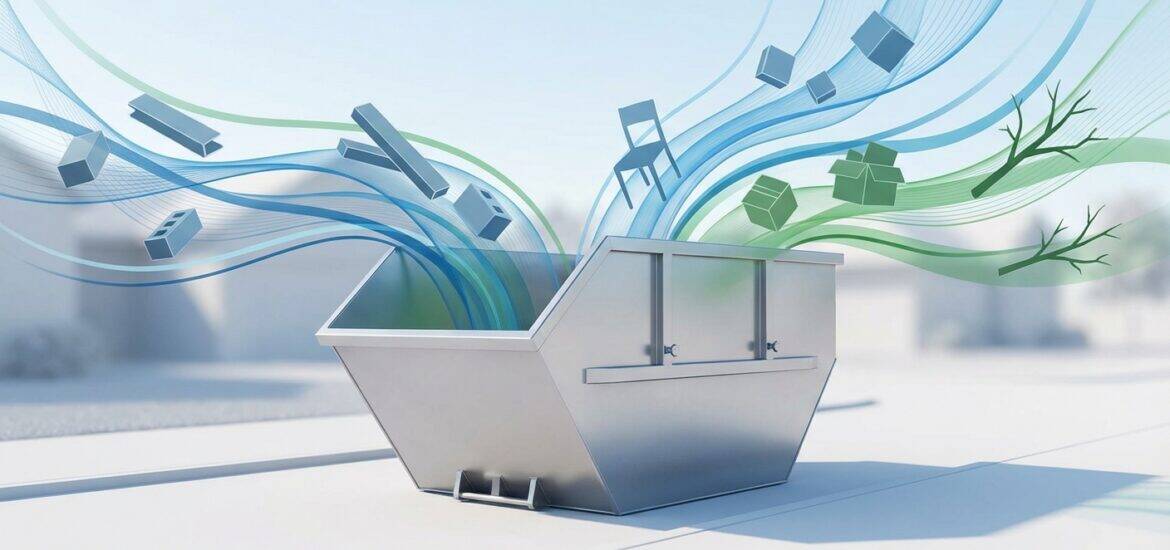

Recycling paper and environmental sustainability concept with paper waste, green leaves, and a globe symbolizing global ecological efforts.
Categories General

How To Recycle Paper

Answer

To recycle paper at home, separate it by type, ensuring it is clean and dry. Many paper products like newspapers, magazines, and office paper are widely accepted in residential recycling programs. If you wish to give paper a new life, techniques such as creating paper pulp from scrap paper, blending it with water, and pressing it into new sheets are common practices. For items not accepted curbside or for large volumes, You Junk It… I Dump It offers services to help properly dispose of or recycle various materials, assisting with projects like home cleanouts or renovations.

Overview

Proper paper management makes a difference for both households and the environment. This guide explores several ways to responsibly handle paper waste, from sorting common types for recycling to creative ways to repurpose scraps. It also details making new paper from old materials.

This article includes a labeled real-world hypothetical about Liam and his project, offering a practical look at paper repurposing.

Identify Recyclable Paper Types

Sorting paper before disposal helps ensure it can be processed effectively. Not all paper materials can be recycled through standard curbside programs; understanding which types are accepted avoids contamination of recycling streams. Local guidelines often list specific items that cannot be processed due to coatings or other treatments.

For items that are not typically recyclable, such as paper contaminated with food, these often end up in landfills, impacting environmental goals. Proper identification of paper types maximizes the quantity of material that can be successfully recycled. This process helps communities manage waste more efficiently and reduces the overall amount of waste sent to landfills.

Recyclable Paper Non-Recyclable Paper
Newspapers and magazines Paper contaminated with food (e.g., greasy pizza boxes)
Office paper and junk mail Wax-coated paper (e.g., milk cartons, juice boxes)
Cardboard (flattened) Photographs and photo paper
Paperboard (e.g., cereal boxes) Carbon paper or thermal paper
Phone books Shredded paper (unless bagged according to local rules)
Paper bags Metallic or glitter wrapping paper
Corrugated cardboard Diapers and tissues
Paper egg cartons Paper towels and napkins
Envelopes with windows Laminated paper

Simple Steps to Recycle Paper

Sorting paper before recycling saves processing time at facilities and ensures more material can be reused. This process begins at home by separating different paper types into designated bins or containers. Proper preparation means items like newspapers, magazines, and office paper are ready for collection or drop-off.

  1. Separate Paper Types: Keep different paper products apart, such as cardboard, mixed paper, and newsprint. This prevents contamination and makes it easier for recycling centers to process.
  2. Ensure Cleanliness: Only recycle clean, dry paper. Food residue, grease, or liquids can contaminate an entire batch, making it unrecyclable. If paper is stained, consider composting it or disposing of it with regular waste.
  3. Flatten Cardboard: Break down and flatten all cardboard boxes to save space in your recycling bin. This also helps collection services compact more material efficiently. For larger cardboard volumes, You Junk It… I Dump It offers convenient bin sizing options for various projects.
  4. Remove Non-Paper Elements: Take off plastic windows from envelopes, staples, paper clips, and any other non-paper components before placing items in the recycling container.
  5. Check Local Guidelines: Confirm what paper types are accepted by your local recycling program. Guidelines can vary, so regularly checking for updates ensures you recycle paper at home correctly. For example, some programs might not accept shredded paper or certain types of coated paper. For guidance on what goes where, explore resources like the what goes where guide.

Following these steps helps maximize the effectiveness of your recycling efforts and reduces landfill waste. Effective waste management practices also extend to larger cleanouts, where services such as 25 cubic yard bins assist in handling substantial amounts of material.

Benefit Category Impact of Paper Recycling
Environmental Preservation Reduces deforestation and conserves natural resources like timber and water.
Energy Savings Requires less energy to produce recycled paper than new paper products.
Landfill Reduction Decreases the amount of waste sent to landfills, freeing up space.
Pollution Reduction Lowers air and water pollution associated with paper manufacturing.
Economic Advantages Creates jobs in the recycling and manufacturing industries.

Craft Your Own Recycled Paper

Liam is deciding between handling large volumes of recyclable paper personally or hiring a service.

Liam has accumulated a significant amount of paper waste from a recent home office clear-out. He’s unsure if he has the time and resources to properly recycle it all himself, especially considering techniques like creating paper pulp. Should Liam attempt to pulp and press paper at home or outsource the disposal of excess paper?

Recommendation: Professional Paper Recycling Service

You Junk It… I Dump It recommends utilizing their services for large volumes of paper waste. This ensures proper disposal and recycling, especially when personal time or resources for home pulping and pressing are limited. You can contact You Junk It… I Dump It for Edmonton Waste Sorting options or to discuss Reliable Junk Removal services.

Drying and Finishing Homemade Paper

Once you have formed your homemade paper, proper drying ensures its durability and usability. The techniques applied during this stage determine the paper’s final texture and appearance. Quick and even drying helps prevent warping or mold formation, common issues with moisture-rich materials.

To achieve different aesthetics or functional qualities, several finishing methods can be applied. Some methods affect the paper’s surface, while others alter its strength or water resistance. We see many home crafters experiment with these steps to produce unique results for their projects.

  1. Pressing: Place the wet paper sheets between two absorbent cloths or felts. Use heavy books or a dedicated press to squeeze out excess water. This initial pressing flattens the paper and begins the drying process.
  2. Air Drying: Carefully peel the pressed sheets from the cloths and lay them flat on a clean, dry surface, such as a window screen or a drying rack. Ensure good air circulation around each sheet. This step may take 24-48 hours, depending on humidity and paper thickness.
  3. Ironing (Optional): For a smoother finish, once the paper is nearly dry but still slightly damp, iron it on a low setting between two pieces of parchment paper. This can help flatten any remaining wrinkles and create a more polished surface.
  4. Storing: Store fully dried paper flat in a cool, dry place to prevent curling or damage. Keeping it between heavy boards or in a portfolio can help maintain its shape over time.
Finishing Technique Description
Calendaring Passing dry paper through smooth rollers to create a glossy, even surface. This is suitable for decorative sheets.
Sizing Applying a substance like gelatin or starch to the paper pulp or surface to reduce absorbency. This makes the paper more suitable for writing or painting.
Deckling Achieving a rough, irregular edge (deckle edge) by removing the paper from the mold. This adds an artisan look, often seen in fine art papers.
Watermarking Creating an image or pattern in the paper by pressing a design into the wet pulp. This requires a specific mold or screen with the design.
Aging Steeping paper in tea or coffee can give it an antique appearance. This is a simple way to recreate the look of old paper for craft projects or scrapbooking. You can also bake it briefly on low heat after drying for a brittle, old-world texture.

Creative Ways to Reuse Paper Scraps

Transforming paper scraps into new items reduces waste and provides decorative or functional objects. This approach helps reduce the amount of material sent to landfills, extending the life cycle of paper products.

When considering how to recycle paper at home, remember that creating new paper is only one option. Many paper scraps can find new purposes directly, bypassing the need for pulping and drying. However, for large volumes or certain types of paper, home recycling may not be the most efficient method.

Creative Reuse Idea Application
Paper Beads Roll thin strips of paper around a skewer, glue the end, and seal with varnish for jewelry or decorative accents.
Gift Tags or Cards Cut cardstock scraps into shapes, decorate them, and attach them to presents or use them as small notes. Edmonton Upcycling Ideas
Seed Starters Fold newspaper or thin paper into small pots to start seeds, which can then be planted directly into the soil.
Origami or Paper Crafts Use colourful or patterned scraps for intricate folds, creating sculptures or decorations.
Packing Material Shred paper scraps to cushion fragile items during moving or storage. comparing Bin Rental

Dispose of Paper with You Junk It

When you have large quantities of paper that exceed your municipal recycling limits, or types of paper that are not locally accepted, professional disposal services offer a practical solution. These situations often arise after major cleanouts, office purges, or moving preparations, leaving homeowners with a significant volume of materials.

You Junk It… I Dump It provides various options for efficient paper disposal, ensuring materials are handled responsibly. We assist with removal when home recycling methods become insufficient for bulk items. For instance, if you are decluttering an estate, our Junk Removal types include services that can manage all your accumulated paper waste.

Best for Disposal Option Benefit
Large cleanouts or renovations Junk Removal Services Convenient pickup of mixed paper and other debris.
Scheduled projects with ongoing waste Bin Sizing Temporary bins allow for accumulation and easy removal.
Sensitive documents in bulk Secure Shredding (via Junk Removal) Ensures privacy and proper destruction before recycling.
Mixed paper, cardboard, and other recyclables You Junk It, I Dump It|Edmonton Junk Removal Handles a wide range of materials, reducing trips to depots.

FAQ

To help you navigate the nuances of recycling paper at home, we’ve compiled answers to some common questions you might have about the process and best practices.

Question Answer
What types of paper are generally not accepted in curbside recycling programs? Paper contaminated with food, such as greasy pizza boxes, is typically not accepted. Wax-coated papers, like milk or juice cartons, and metallic or glitter wrapping paper are also often excluded. Additionally, items like diapers, tissues, paper towels, and napkins are usually not recyclable through standard programs due to their composition or contamination.
How can I prepare paper for home recycling if it has non-paper elements? Before recycling, remove any non-paper components. This includes taking off plastic windows from envelopes and removing staples or paper clips. For cardboard boxes, flatten them to save space and help with efficient collection and processing at recycling facilities.
When should I consider using a professional service for paper disposal instead of home recycling? If you have large volumes of paper waste that exceed municipal limits, or if you have paper types not accepted locally, a professional service is a good option. This is common after major cleanouts or large office purges where home pulping and pressing might be too time-consuming or resource-intensive.
What are some creative ways to reuse paper scraps without pulping them? Paper scraps can be transformed into various items. You can roll thin strips into paper beads for jewelry, cut cardstock into shapes for gift tags or cards, or fold newspaper into small pots for starting seeds. Shredded paper scraps also work well as packing material to cushion fragile items.
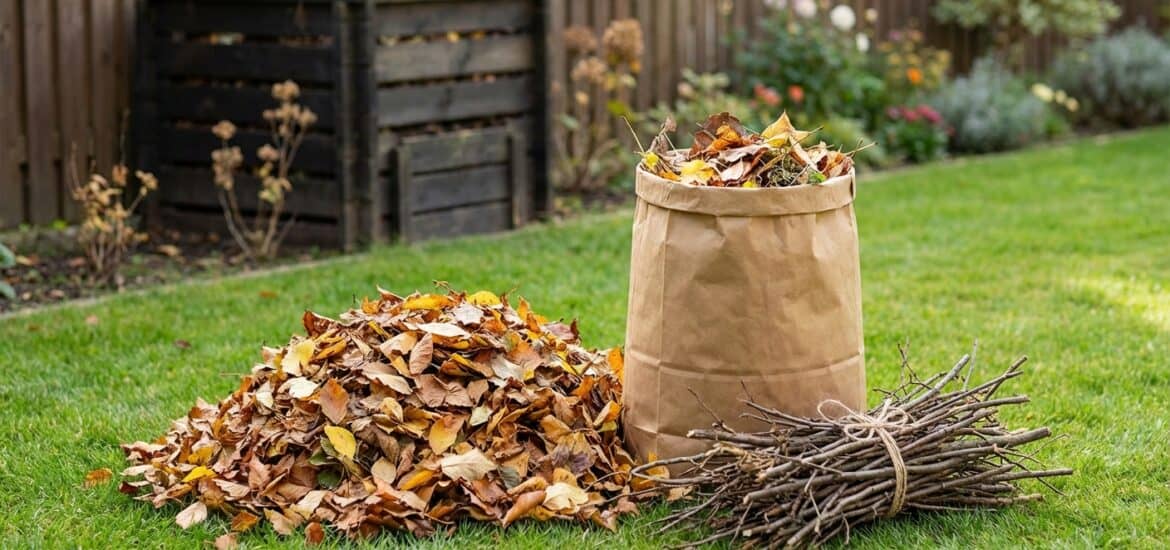
Green trash bin filled with collected garden branches and twigs for disposal or recycling.
Categories General

Tree Branches In Green Bin: Disposal Tips

Answer

Most municipalities permit small branches in their green bin programs, typically requiring them to be cut into pieces no longer than 4 feet and no thicker than 3 inches in diameter. These dimensions ensure proper processing at composting facilities and prevent damage to collection equipment. You Junk It… I Dump It observes that larger or improperly prepared branches are often rejected at the curb, leading to additional disposal efforts for residents.

Overview

This guide explores various options for disposing of yard waste, particularly focusing on how to manage branches from your property. It provides details on preparing smaller branches for curbside pickup and offers solutions for larger quantities that exceed typical green bin limits. Readers will learn about alternative disposal methods and professional services available.

The article includes a labeled real-world hypothetical featuring Brenda, who needed help with significant yard debris after a storm. This scenario illustrates a common challenge for homeowners and how professional services can provide an effective solution.

Can Branches Go In Your Green Bin?

Most green bin programs accept small branches, provided they meet specific size criteria for composting. These typically include length limits of about 4 feet and diameter restrictions around 3 inches. Adhering to these guidelines helps composting facilities process materials efficiently and prevents equipment damage.

You Junk It… I Dump It frequently observes that improper preparation often leads to branches being left at the curb, causing residents extra effort. Knowing what items are accepted helps streamline your yard waste disposal. For more details on sorting guidelines, refer to what goes where.

Accepted Green Bin Items Key Considerations
Grass clippings Ensure they are free of plastic bags.
Leaves Loose leaves are preferred; avoid bundling with non-compostable ties.
Plant trimmings Remove any pots, labels, or ties.
Small twigs and branches Must fit within specified length and diameter limits for Branches Green Bin programs.
Garden waste No soil, rocks, or construction debris.

Prepare Branches For Green Bin Pickup

Proper preparation makes a difference when placing branches in green bins for collection. Homeowners here often prepare their branches by cutting them into manageable lengths, ensuring they fit within the bin’s capacity. Following specific guidelines helps ensure branches are collected and composted efficiently.

To dispose of branches in green bin programs, trim them to fit easily. These steps help ensure your yard waste meets local collection requirements. Debris Hauling Made Simple can offer advice for larger cleanups beyond the bin.

  1. Cut branches into lengths no longer than 4 feet.
  2. Ensure branches are no thicker than 3 inches in diameter.
  3. Remove any foreign materials like plastic or metal.
  4. Bundle smaller twigs if required by local regulations.
  5. Ensure branches are loose, not compacted tightly in the bin.
Preparation Step Reason for Compliance
Cut to 4-foot maximum length Prevents jamming collection equipment and keeps material contained.
Limit thickness to 3 inches Thicker branches may not compost properly or can damage machinery.
Remove non-organic items Ensures purity of compost and prevents contamination.
Bundle small twigs (if required) Keeps loose material from scattering during collection.
Avoid over-compacting Allows for proper airflow and easier emptying of the bin. how to Dispose of yard waste effectively.

When Green Bin Isn’t Enough For Branches

When yard cleanup generates more material than a standard green bin can hold, alternative disposal methods become necessary. Homeowners frequently encounter this challenge after significant pruning or storm cleanup.

Brenda has a pile of branches from recent tree trimming and isn’t sure if they’ll be accepted in her green bin. She wants to dispose of them responsibly but fears rejection at the curb. Should Brenda cut her branches to fit the green bin or hire a junk removal service?

Recommendation: Prepare Branches for Green Bin Disposal

You Junk It… I Dump It recommends ensuring branches are cut to 4 feet or less and no thicker than 3 inches in diameter. This preparation allows for proper processing at composting facilities and avoids potential rejection at the curb.

Disposing Large Amounts Of Branches

When yard cleanup generates more branches than your municipal green bin allows, alternative disposal methods become necessary. Homeowners here frequently encounter this challenge after severe weather or extensive tree pruning. Options range from self-service drop-offs to hiring professional removal services, each suited for different volumes and budgets.

Choosing the right method for larger quantities of branches depends on factors like the volume of material, available transportation, and time constraints. For instance, if you have access to a truck, dropping off branches at a local facility might be cost-effective. However, for those without suitable vehicles or who prefer not to handle heavy lifting, professional junk removal offers convenience.

Disposal Method Pros Cons Ideal Use Case
Professional Junk Removal Convenience; no personal effort required; suitable for very large volumes. Higher cost compared to self-service; scheduling is required. Extensive yard clear-outs or when physical limitations apply. Edmonton junk removal services often provide quick pickup.
Bin Rental Handles moderate to large volumes; flexible loading schedule. Requires space for the bin; may involve manual loading. Larger DIY projects or ongoing yard work. Bin Sizing helps determine the best fit.
Municipal Drop-off Sites Cost-effective or free; environmentally responsible. Requires personal transport and loading; limited hours of operation. Smaller large loads or when a truck is available. Check local facility guidelines for accepted materials.

Alternative Free Branch Disposal Methods

For those managing smaller quantities of yard waste, several cost-free methods exist for branch disposal. These options often require more personal effort and time compared to paid services but can help homeowners save money. Local residents frequently look for ways to manage yard waste without additional expense.

One method involves composting smaller branches and twigs directly on your property. This approach reduces waste and enriches garden soil over time. Another option is creating brush piles, which can offer habitat for local wildlife.

When considering these methods, evaluate the volume of material and the time commitment. Free disposal typically suits intermittent garden pruning, not extensive tree removal. For larger volumes, a different approach may be more practical, even with associated costs. We often see homeowners here balance their budget against the physical effort required for yard cleanup.

Method Limitations
Home Composting Only suitable for small branches and twigs; requires shredding larger pieces. how to Dispose
Brush Piles Needs adequate space on your property; may attract certain wildlife.
Giving Away Wood Time-consuming to find interested parties; limited to usable wood.
Local Drop-Off Events Availability is often seasonal or event-based; may have size restrictions. Junk Removal types

Book Your Branch Removal With You Junk It… I Dump It

When clearing yard waste, especially larger tree limbs or significant volumes of debris, professional removal services offer a convenient solution. Hauling branches yourself can involve multiple trips, specialized equipment, and adherence to specific disposal guidelines at local facilities. You Junk It… I Dump It provides a straightforward option for homeowners and businesses alike.

We often see projects where homeowners underestimate the volume of green waste, particularly after severe weather or extensive landscaping work. Instead of struggling with an overloaded branches green bin or making multiple trips to the eco station, our services simplify the process. This approach saves time and effort, ensuring proper disposal without hassle.

Service Option Best For Budget Consideration Reason to Choose
Bin Rental Large-scale yard cleanups or ongoing projects. Cost-effective for self-loading. Provides flexibility to load at your own pace. See Bin Sizing for options.
Full-Service Junk Removal Those needing minimal effort for branch disposal. Higher cost, but saves significant time and labor. We handle all the lifting and hauling. Visit Edmonton Junk Removal for details.

You Junk It… I Dump It recommends full-service branch removal when time is a limiting factor or the volume of debris is too much for standard green bin collection.

FAQ

To help you navigate the best ways to dispose of branches in your green bin, we’ve compiled answers to some common questions regarding proper disposal and alternative solutions.

Question Answer
What are the typical size limits for branches placed in a green bin? Most municipalities allow small branches in green bins if they are no longer than 4 feet and no thicker than 3 inches in diameter. These dimensions are set to ensure efficient processing at composting facilities and to prevent damage to collection equipment. Branches that do not meet these requirements may be rejected at the curb.
How should Brenda prepare her branches if her green bin isn’t large enough? Brenda should ensure her branches are cut to 4 feet or less and no thicker than 3 inches in diameter. This preparation allows for proper processing at composting facilities and helps avoid rejection at the curb. If the volume still exceeds bin capacity, she might consider alternative disposal methods or professional services.
What are the options for disposing of large amounts of branches when the green bin is full? When yard cleanup generates more branches than a standard green bin can hold, options include bin rentals, municipal drop-off sites, or professional junk removal services. The best choice depends on the volume of material, available transportation, and personal time or physical constraints.
Besides the green bin, what are some free methods for disposing of branches? For smaller quantities, homeowners can use free methods like composting small branches and twigs on their property or creating brush piles, which can also provide wildlife habitat. Local drop-off events or giving away usable wood are other possibilities, though these may have limitations.
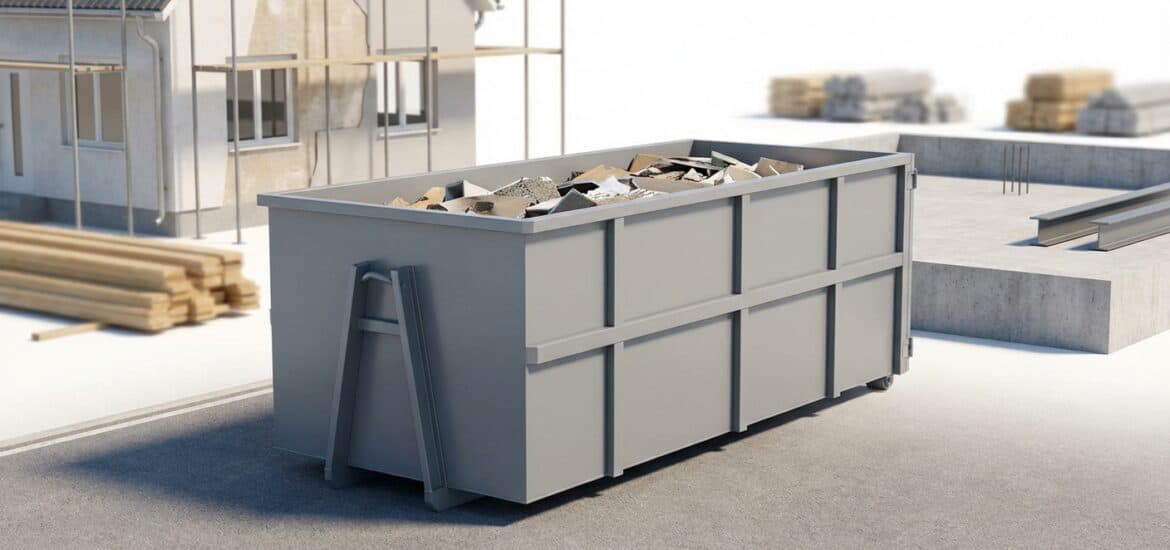
Construction debris, scrap metal, and waste materials scattered on a rooftop or industrial site.
Categories General

Edmonton Junk Disposal: Your Options

Answer

Sorting and removing unwanted materials requires planning to manage junk dump projects efficiently. For smaller amounts of debris, local eco-stations offer direct drop-off, providing options for recycling various materials. Larger projects, such as home renovations or extensive cleanouts, benefit from bin rentals which offer a convenient way to consolidate and dispose of items.

Overview

Proper waste handling helps maintain property appearance and environmental standards. This article details various approaches to manage junk dump projects, from minor cleanouts to major renovations. It presents different disposal methods and practical considerations for each.

The information also includes a labeled real-world hypothetical scenario about Marcus, offering a site-level business recommendation. This shows how specific choices affect project outcomes.

Cheap Junk Disposal Methods

Sorting unwanted items before disposal helps reduce overall costs. This approach allows for separate handling of recyclables, donations, and general waste, which can lower tipping fees at disposal sites. We often advise clients to sort items into categories like metals, plastics, and wood to streamline the process.

For those looking to manage junk dump projects on a budget, several strategies exist beyond full-service removal. Donating usable items, recycling, and properly segregating waste materials can lead to considerable savings. Junk Removal types can help decide which method works best for various items.

Method Benefits for Cost Savings
Donation Reduces volume of items needing disposal, potentially offers tax benefits for eligible goods. Edmonton Junk Removal services may assist with transport.
Recycling Avoids landfill fees for specific materials like cardboard, plastics, and metals. Many local depots accept these items at no charge.
Curbside Pickup (Bulky Items) Some municipalities offer scheduled pickup for large items, often at a lower cost than private services or dump fees. Availability varies by area.
DIY Hauling Eliminates labour costs if you have a suitable vehicle and are able to transport items to a disposal facility yourself. This option requires time and physical effort.
Junk Bin Rentals Provides a fixed price for waste removal, especially for larger volumes, which can be more predictable than per-item fees. You Junk It… I Dump It offers various Junk Bin Rentals to suit different project sizes.

DIY Junk Haul vs. Pro Service

Deciding between handling junk removal yourself and hiring a professional involves weighing time, effort, and cost. For smaller items or projects where you have the necessary equipment, a do-it-yourself approach might be feasible. Larger, heavier, or specialized waste typically benefits from professional assistance.

You Junk It… I Dump It frequently observes that while DIY appears cheaper initially, unexpected dump fees or vehicle rental costs can quickly add up. Additionally, improper disposal can lead to fines, which often exceed the cost of professional services. We recommend evaluating the scope of debris and your available resources before starting.

Pros Cons
Cost savings for small, manageable loads. Requires personal effort and time commitment.
Flexibility to work on your own schedule. May involve multiple trips to disposal sites.
Direct control over the sorting process. Hidden costs from permits, vehicle rental, or dump fees.
No scheduling delays waiting for a service. Risk of injury from lifting heavy or awkward items.
Suitable for items easily transported in a personal vehicle. Potential for improper disposal or missed recycling opportunities.
May feel rewarding to complete the task independently. Limited capacity compared to professional equipment.
Avoids having strangers on your property. Requires proper knowledge of disposal regulations.
Special permits may be needed for certain waste types.
Can be physically demanding, particularly for large or heavy objects.
Potential damage to personal vehicle during transport.
Reduced focus on sorting for donations or recycling.
Less efficient for large-scale cleanouts or renovations.
Lack of proper safety equipment for handling hazardous materials.
Increased environmental impact if not disposed of correctly.
Time away from other important tasks or leisure.
Can be difficult to manage junk dump when items are bulky.

When Renting a Bin Works Best

For homeowners facing extensive cleanouts or renovation projects, deciding on the most efficient junk disposal method becomes a key consideration. This choice often comes down to the volume of materials and the convenience desired.

Marcus has accumulated a garage full of old furniture and boxes after years of neglect. He’s weighing whether to rent a dumpster for convenience or to try and haul it all himself to the local eco-station, given the varying costs and effort involved. Should Marcus rent a bin or take his junk to an eco-station?

Recommendation: Bin Rentals

You Junk It… I Dump It recommends bin rentals for larger projects like extensive cleanouts, as they offer a more convenient way to consolidate and dispose of a significant amount of items. This service can save time and effort compared to multiple trips to an eco-station. If you have a substantial amount of waste, renting a bin simplifies the process.

We see many homeowners choose bin rentals for projects like basement clear-outs or major landscaping over trying to manage junk dump trips themselves. Bin size options, such as those discussed on our Bin Sizing page, help match the container to the scope of work. Comparing bin rental costs helps in planning your project budget.

Home Decluttering: Keep or Toss?

Sorting household items effectively helps decide what to keep and what needs removal. This process often involves evaluating an item’s usefulness, sentimental value, and condition. We often find that a structured approach makes decluttering less overwhelming for homeowners.

Creating clear categories for items helps streamline the decision. Many homeowners benefit from a systematic review, moving through rooms or sections methodically. This reduces clutter and helps to manage junk dump projects more efficiently when the time comes for disposal. Edmonton Decluttering service helps clear out unwanted items.

Keep Toss
Items used regularly (at least once a year) Broken or unusable items
Things with genuine sentimental value Duplicates or excess items
Valuables, important documents, or family heirlooms Expired products or food
Clothing that fits and is worn often Items that no longer fit or are out of style
Electronics or appliances in good working order Old electronics or appliances that do not work
Books or media you reread or reference Books or media gathering dust
Furniture that is functional and well-maintained Damaged furniture or decor
Items that inspire joy or serve a specific purpose Things causing clutter or stress
Collectibles you actively curate Unwanted gifts or souvenirs
Tools or equipment for current hobbies Old tools for hobbies no longer pursued

For items destined for disposal, consider their environmental impact. You Junk It… I Dump It aims to divert as much material as possible from landfills, focusing on recycling and responsible disposal. This can include anything from old furniture to construction debris, ensuring items are handled appropriately. Edmonton Spring Cleaning often involves removing many items.

How We Simplify Junk Removal

Professional junk removal services streamline the process of clearing unwanted items from your property. You Junk It… I Dump It offers efficient hauling and disposal solutions, reducing the time and effort homeowners or businesses spend on debris removal. We handle everything from collection to responsible disposal, aiming to make every project hassle-free.

Our service eliminates the need for personal trips to a landfill or transfer station, which saves time and avoids vehicle wear. We assess the volume and type of materials to provide an accurate quote, avoiding hidden fees often associated with self-disposal methods. Junk Removal cost factors are always clearly outlined.

Best for Option
Full-house cleanouts Full-service junk removal by You Junk It… I Dump It for hands-off clearing.
Renovation debris Bin rental for ongoing projects with consistent waste generation.
Single bulky items Scheduled pickup service for large furniture or appliances.
Yard waste Specialized hauling that separates green waste for composting.

You Junk It… I Dump It recommends considering a bin rental when managing construction debris or large-scale cleanouts, as it provides a convenient on-site collection point.

Local Dump Site Options

Finding the right local dump site for bulky items requires checking acceptable materials and operating hours. Many public facilities accept household waste, construction debris, and yard trimmings, but specific rules apply to each category. Knowing what items are allowed helps prevent unexpected fees or rejection at the gate.

When planning to manage junk dump tasks yourself, consider the type and volume of items. Certain facilities specialize in recycling, which can be a more environmentally sound option for certain materials. For those without suitable transportation, You Junk It… I Dump It offers junk removal services that handle transport and disposal at appropriate facilities.

Disposal Option Considerations for Bulky Items
Local Eco-Stations Good for small loads, sorted recyclables, and some hazardous household waste. Check item restrictions and operating hours.
Landfills or Transfer Stations Accept large volumes of general waste, including construction debris and furniture. Fees often apply, based on weight or volume.
Specialized Recycling Depots Best for specific materials like electronics, tires, or scrap metal. These depots help divert waste from landfills.
Curbside Bulk Item Pickup Some municipalities offer scheduled pickup for large items. Confirm availability and acceptable items with your local waste management.
Junk Removal Services Convenient for mixed loads and heavy items, as professionals handle sorting, loading, and transportation to the correct disposal sites. Junk Removal types include full-service hauling.

FAQ

Navigating your Edmonton junk disposal options can be tricky, so we’ve compiled answers to some common questions to help you manage junk dump efficiently and effectively.

Question Answer
Should Marcus rent a bin or take his junk to an eco-station? For large projects like Marcus’s garage cleanout, renting a bin offers more convenience. It consolidates a significant amount of items, saving time and effort compared to multiple trips to an eco-station. This method simplifies the process for substantial waste volumes.
What are cost-saving strategies for managing junk disposal? Sorting items before disposal can reduce costs by separating recyclables, donations, and general waste. Donating usable items and recycling materials avoids landfill fees. Some municipalities offer cheaper curbside pickup for bulky items, and DIY hauling eliminates labor costs if you have a suitable vehicle.
When is hiring a professional junk removal service a better option than DIY hauling? Professional services are often better for larger, heavier, or specialized waste. While DIY might seem cheaper initially, hidden dump fees or vehicle rental costs can add up. Improper disposal can also lead to fines that exceed professional service costs.
How can homeowners decide what to keep and what to dispose of during decluttering? A structured approach involves creating clear categories for items. Evaluate usefulness, sentimental value, and condition. Systematically review rooms or sections, deciding on items used regularly, those with genuine sentimental value, and things that are broken or unusable.
Blue and green dumpsters filled with trash outside a suburban home, ready for waste collection.
Categories General

20 Vs 30 Yard Bin Rental: Which Wins?

Answer

A 20-yard bin generally costs less than a 30-yard bin and suits medium-sized projects like kitchen remodels or large cleanouts, while a 30-yard bin provides more volume for major construction or demolition jobs. The primary tradeoff lies in upfront cost versus capacity, where choosing a larger bin than needed can result in unnecessary expense. You Junk It… I Dump It helps clients select the appropriate size to avoid overpaying for unused space.

Overview

Choosing the correct bin size for debris removal can simplify project management and reduce costs. This article explores the specifics of 20-yard and 30-yard bins, including their dimensions, ideal applications, and pricing factors. It also presents a labeled real-world hypothetical about Marcus’s renovation project, offering a business recommendation.

The following sections cover various aspects to consider when selecting a bin:

20 vs 30 Yard Bin Dimensions

Bin sizing affects project efficiency and cost, making physical dimensions a key factor in selection. A 20-yard bin provides ample space for mid-sized projects, while a 30-yard bin offers greater volume for larger undertakings.

You Junk It… I Dump It finds that many clients benefit from visualizing the actual footprint of each bin before making a decision. Knowing the general length, width, and height helps determine placement on a property and ensures enough capacity for debris.

Bin Type Capacity Typical Length Typical Width Typical Height
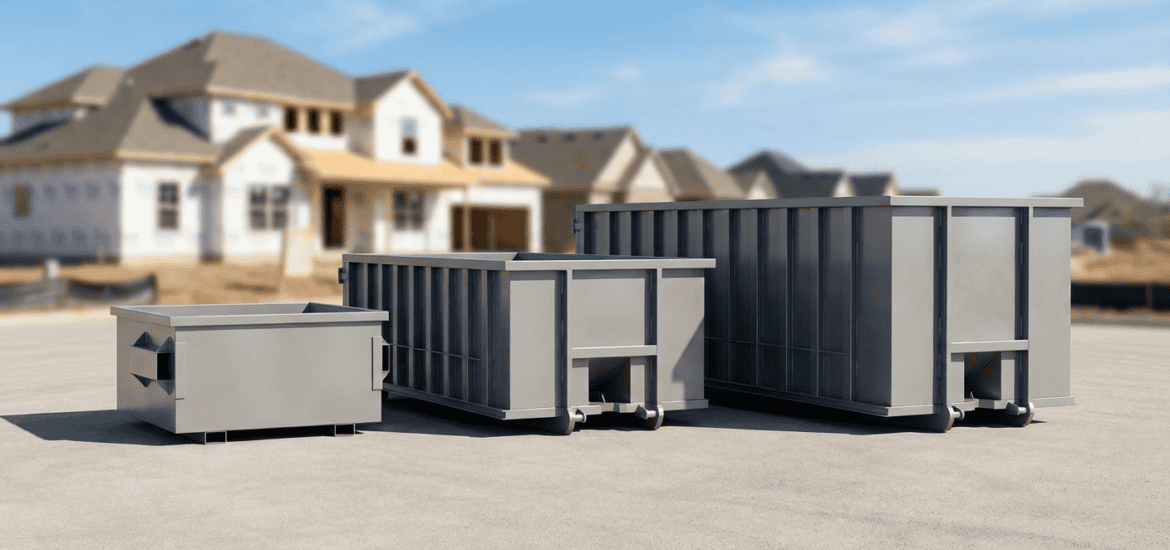
20 Cubic Yard Bin 20 cubic yards 20 feet 8 feet 3.5 feet
30 Cubic Yard Bin 30 cubic yards 20 feet 8 feet 5.5 feet

Estimating Waste Volume For Bin Size

Project size directly influences the ideal bin. Correctly estimating your waste volume helps select a container that avoids both overfilling charges and paying for unused space. A visual assessment of debris piles or a rough calculation based on project scope provides a clearer picture.

When dealing with varied materials like demolition debris, converting physical items into cubic yards simplifies the process. Knowing the approximate volume beforehand makes for a smoother rental experience. This also helps plan for appropriate disposal, as certain materials might require specific handling. Bin Sizing assists clients in this process.

Waste Volume Estimation Steps

  1. Categorize materials: Separate waste into distinct types such as construction debris, yard waste, or household junk.
  2. Measure pile dimensions: For loose debris, estimate length, width, and height of the pile in feet, then multiply to get cubic feet.
  3. Convert to cubic yards: Divide the total cubic feet by 27 to find the equivalent cubic yards (since 1 cubic yard = 27 cubic feet).
  4. Account for density and compaction: Heavy materials like concrete or soil will fill a bin faster by weight, while bulky but light items like furniture may take up more volume than weight. Expect some materials to settle and compact once loaded, potentially allowing for more waste than initially apparent.
  5. Consider project progression: If your project will generate waste over time, factor in the accumulation rate to determine if a single bin or multiple smaller bins are needed.

You Junk It… I Dump It recommends adding a buffer to your estimate, as projects often generate slightly more waste than anticipated. This helps prevent the need for an additional bin or extra trips. Our Clients often find that slightly overestimating is safer than underestimating volume. Our Clients frequently consult with us to finalize their bin selection.

Comparing 20 and 30 Yard Bin Rental Costs

Bin rental costs involve more than just the initial fee; disposal fees and potential overage charges also factor in. Choosing the appropriate size at the outset helps manage project expenses and avoids unexpected costs. We see that clients often face a decision between upfront cost and sufficient capacity when planning their waste removal.

The primary tradeoff lies in upfront cost versus capacity. Marcus is a homeowner planning a significant home renovation.

Marcus is undertaking a major kitchen remodel and needs to dispose of significant renovation waste. He’s unsure whether to opt for the more economical 20-yard bin or the larger 30-yard option to ensure he doesn’t have to order a second bin.

Recommendation: 30-Yard Bin Rental

You Junk It… I Dump It recommends a 30-yard bin for major renovation projects like Marcus’s. This size provides ample volume for construction debris, potentially avoiding the need for a second rental and the associated extra costs and delays.

Cost Factor 20 Cubic Yard Bin 30 Cubic Yard Bin
Base Rental Fee Typically lower, making it attractive for smaller budgets. Higher initial fee due to increased capacity.
Disposal Fees May include a set weight limit; charges apply if exceeded. Often includes a higher weight limit, but overages cost more per ton.
Overage Charges Per-ton rate for weight exceeding the included allowance. Higher per-ton rate for exceeding the larger allowance.
Delivery/Pickup Standard delivery and pickup included in the base fee. Standard delivery and pickup included.
Additional Days Daily fees apply after the initial rental period. Daily fees apply after the initial rental period.

Selecting the right bin size impacts total project costs, so reviewing comparing bin rental prices and conditions is helpful. We help our clients decide between a 20 cubic yard and a 30 cubic yard bin by assessing their project’s waste volume and material type. This ensures they get the most cost-effective solution for their specific needs, preventing additional trips or charges.

When a 30 Yard Bin is Essential

A 30-yard bin becomes the practical choice for projects generating significant volumes of waste, typically exceeding the capacity of smaller options. This larger size is often necessary for extensive demolition work or major construction activities.

You Junk It… I Dump It recommends considering a larger bin when dealing with debris from multiple rooms or full structural removals. Opting for a 30 cubic yard bin from the start avoids the need for multiple pickups or overfilling smaller containers, which can lead to additional costs or delays for projects like large commercial cleanouts. You Junk It, I Dump It|Reliable Junk Removal

This bin size offers greater dimensions, typically around 22 feet long, 7.5 feet wide, and 6 feet high. These measurements provide ample space for bulkier items and larger quantities of material.

Project Type Waste Volume and Characteristics
Major Home Renovations Full kitchen or bathroom gut-outs, multiple room remodels. These projects produce debris like cabinetry, flooring, drywall, and fixtures.
Construction Demolition Debris from tearing down walls, garages, or small structures. Materials often include concrete, wood, metal, and roofing shingles.
Commercial Cleanouts Clearing out large office spaces, retail stores, or warehouses. This can include old furniture, shelving, electronics, and general waste.
Large Landscape Projects Extensive yard clearing, tree removal, or major garden overhauls. This includes branches, stumps, soil, and other green waste.
Estate Cleanouts Removing contents from an entire house, including furniture, appliances, and personal belongings. This project generates significant volume, making a 30 cubic yard bin a good option for efficient disposal. 30 Cubic Yard

Choosing the Right Bin Size for Your Project

Selecting the correct bin size prevents overspending on unused space or needing a second rental. Homeowners and contractors determine the right container for their cleanup or demolition by assessing the type and volume of debris.

Consider whether the project generates primarily bulky but light waste, like brush, or dense, heavy materials, such as concrete or dirt. Incorrectly estimating waste volume can lead to additional fees or project delays. You Junk It… I Dump It helps with bin sizing to make sure the container meets job demands.

For example, smaller renovation projects might fill a 20 cubic yard bin, while large-scale construction often needs the capacity of a 30 cubic yard option. Weighing these factors helps select a cost-effective container.

Project Type Recommended Bin Size
Small cleanouts (e.g., garage, basement) 20 Cubic Yard
Medium renovations (e.g., kitchen, bathroom) 20 Cubic Yard
Large demolition or construction debris 30 Cubic Yard
Extensive landscaping or commercial cleanouts 30 Cubic Yard
Mixed waste (heavy & light) from larger jobs 30 Cubic Yard

Why You Junk It… I Dump It Recommends 20 or 30 Yards

Selecting the correct bin size prevents overspending and ensures enough space for project waste. You Junk It… I Dump It guides clients through this selection based on their specific project requirements. We prioritize providing the appropriate capacity for each job.

For most residential cleanouts or smaller renovation jobs, a 20-yard bin often provides sufficient volume. Larger construction debris or significant demolition tasks typically warrant the extra capacity of a 30-yard bin. Our experience shows that matching bin size to project scope improves efficiency for our clients.

Consider the project scale and material types before deciding between a 20 vs 30 yard bin. Choosing the right bin size impacts both cost and project timeline. You Junk It… I Dump It offers guidance for projects ranging from home renovations to major construction, ensuring you get the right fit.

Best for Option
Small-to-Medium Renovations 20 Cubic Yard Bin
Large Home Cleanouts 20 Cubic Yard Bin
Single-Room Remodels 20 Cubic Yard Bin
Major Construction Debris 30 Cubic Yard Bin
Whole-House Demolition 30 Cubic Yard Bin
Commercial Site Clearances 30 Cubic Yard Bin

FAQ

Still weighing your options between a 20 vs 30 yard bin? This section addresses common questions to help you make an informed decision for your project’s waste disposal needs.

Question Answer
What are the main differences in physical size between a 20-yard and a 30-yard bin? A 20-yard bin typically measures 20 feet long, 8 feet wide, and 3.5 feet high. In contrast, a 30-yard bin shares the same length and width but stands taller at 5.5 feet high. This difference in height accounts for the increased volume.
How should I estimate the waste volume for choosing between a 20 and 30-yard bin? To estimate waste volume, categorize your materials and measure the dimensions of loose debris piles in feet to calculate cubic feet. Divide cubic feet by 27 to get cubic yards. Consider material density and compaction, and add a buffer to your estimate as projects often generate more waste than initially expected.
When is a 30-yard bin the better choice over a 20-yard bin? A 30-yard bin is the practical choice for projects generating significant waste volumes, such as major home renovations, full structural demolitions, large commercial cleanouts, or extensive landscaping projects. These tasks typically produce more debris than a 20-yard bin can hold.
How do rental costs compare between a 20-yard and a 30-yard bin? A 20-yard bin generally has a lower base rental fee, while a 30-yard bin has a higher initial cost due to its increased capacity. Both bin types may have disposal fees and overage charges if weight limits are exceeded, though the 30-yard bin often includes a higher weight allowance.
Disorganized room with packed boxes and electronics, bright and airy space, minimal decor, tidy shelf with towels and vase, fresh and clean interior, natural light ambiance.
Categories General

Junk Removal Toronto: Benefits & Services

Answer

Clearing out unwanted clutter can significantly improve well-being, reducing stress and anxiety levels. Research from Princeton University shows clutter may contribute to increased cortisol levels, which impacts mental health. When you choose You Junk It… I Dump It for assistance, we help homeowners remove items, freeing up physical space and promoting a calmer mental environment.

Overview

This guide outlines how decluttering can improve mental well-being and home harmony. It presents strategies for reducing unwanted items, along with practical methods for managing clutter. We will cover the benefits of creating a clear living space.

This article also includes a labeled real-world hypothetical scenario involving Eleanor, providing a practical example of how professional services can assist with decluttering. The following sections offer more detail on these topics:

Declutter Your Space Boost Your Mind

Removing items from living areas reduces physical clutter and often leads to a calmer mental state. A disorganized home can contribute to feelings of being overwhelmed, which directly affects personal well-being. Clearing out unnecessary items helps to establish order, promoting an environment conducive to relaxation and focus.

Junk removal mental health benefits extend to creating more usable space within a home. For example, clearing out a garage or basement can open up areas for hobbies or family activities. You Junk It… I Dump It supports homeowners in this process, offering efficient services that help transform crowded spaces into functional ones.

How Junk Removal Eases Mental Load

Clearing out unwanted items directly reduces the mental burden associated with clutter. This relief comes from addressing decision fatigue and freeing up personal time often spent organizing or worrying about excess belongings. When piles of possessions shrink, so does the constant internal dialogue about what to do with them.

The visual impact of a tidy space also contributes to a calmer mindset. A cluttered environment can create feelings of being overwhelmed, whereas an organized space promotes a sense of control and clarity. For many, the physical act of removing items represents a fresh start, supporting better focus and reduced stress.

We see that clients benefit significantly from our professional assistance. You Junk It… I Dump It provides services that eliminate the physical effort and decision-making pressure, making the process straightforward. This service helps clients experience improved overall mental well-being without the added strain of DIY removal.

Service Aspect Mental Relief Benefit When to Choose
Efficient pickup and hauling Removes physical strain and heavy lifting concerns. When items are too heavy or numerous for self-disposal.
Quick scheduling Reduces waiting time and the lingering stress of unresolved clutter. When a prompt decluttering is desired.
Responsible disposal Alleviates guilt about waste, knowing items are recycled or donated. When environmental concerns are a priority.
No need for sorting Minimizes decision fatigue and emotional attachment to items. When the emotional task of going through items feels overwhelming.
Transparent pricing Removes financial uncertainty and worry about hidden costs. When budget predictability is important, especially for common questions about junk removal.
Full-service options Handles everything from start to finish, requiring minimal client involvement. When seeking a complete hands-off solution for tasks like reliable junk removal.

Transform Your Home Find Peace

The constant presence of overwhelming clutter often contributes to significant stress and anxiety for many homeowners.

Eleanor feels buried under the weight of years of accumulated possessions. She knows that clearing the clutter would likely improve her mood and reduce her stress, but the thought of sorting and organizing it all feels insurmountable. Hiring a service like You Junk It… I Dump It seems like a solution, but she wonders if it’s the right step.

Recommendation: Professional Junk Removal Service

You Junk It… I Dump It would recommend hiring a professional junk removal service when the mental burden of clutter is significantly impacting well-being, as it offers a direct path to a clearer physical and mental space. This can help alleviate stress and anxiety associated with managing a cluttered environment.

You Junk It… I Dump It Services for Clarity

You Junk It… I Dump It provides services designed to create a more organized home, which supports mental well-being. Our approach helps reduce the physical and psychological burden of excess items. We handle a variety of items, making the decluttering process straightforward for residents here.

Addressing accumulated clutter directly contributes to a calmer living space. When clients use our services, they report feeling a noticeable difference in their home environment and their overall mood. This direct correlation between clear spaces and improved outlook highlights the benefits of professional assistance.

We work to make the process as simple as possible, whether it involves a single bulky item or an entire home cleanout. Our aim is to offer reliable removal options that help clients achieve a sense of order. For those considering a full home declutter, exploring options like Reliable Junk Removal can provide clarity.

  1. Full-Service Junk Pickup: We handle everything from collection to disposal, removing items from anywhere on your property. This option saves time and physical effort, which is particularly helpful for large or heavy items.
  2. Bin Rentals: For projects requiring more time, our bin rentals offer flexible solutions. Clients can load items at their own pace, and we retrieve the bin once filled. Consider different Bin Sizing to fit your project scale.
  3. Appliance and Furniture Removal: Old appliances and unwanted furniture can be challenging to dispose of due to their size and weight. We safely remove these items, preventing personal injury and ensuring proper disposal or recycling.
  4. Yard Waste Removal: Seasonal yard work often leaves behind significant debris. We collect branches, leaves, and other organic materials, helping maintain outdoor spaces without the hassle of multiple trips to the dump.
  5. Construction Debris Cleanup: Renovation projects generate substantial waste, including wood, drywall, and metal scraps. Our services manage this debris efficiently, keeping job sites clear and safe.
  6. Donation and Recycling Facilitation: Whenever possible, we divert usable items to local charities and ensure recyclables go to appropriate facilities. This reduces landfill waste and extends the life of many items, which supports a positive environmental impact.

Reclaim Sanity One Item at Time

Deciding between do-it-yourself decluttering and hiring professional junk removal involves weighing time, effort, and impact on mental well-being. Opting for a DIY approach provides direct control over the sorting process, which some individuals find therapeutic. However, it can also extend the period of disruption, adding to stress if not managed efficiently.

Professional services offer speed and efficiency, quickly clearing spaces without physical strain. This can reduce the emotional burden associated with large-scale cleanouts. When facing a significant amount of items, or if time constraints exist, a professional service simplifies the process.

You Junk It… I Dump It finds that many clients experience a noticeable shift in their mental state after clearing clutter. If the volume of items is overwhelming, or physical limitations make the task difficult, professional assistance removes these obstacles. Consider these options based on your specific needs and available resources.

Pros Cons
Maintains personal control over each item’s fate. Requires significant time and physical effort.
Potentially lower upfront cost, depending on disposal fees. May prolong exposure to a cluttered environment, impacting Junk Removal Mental Health.
Allows for gradual sorting and decision-making. Disposal of large or heavy items may be difficult.
Can be combined with donation or recycling efforts directly. Logistics for drop-offs or trips to the dump can be complex.
Reduces physical burden and injury risk. Higher upfront cost compared to some DIY methods.
Quickly restores order and reduces visual clutter. Less personal involvement in the sorting process.
Appropriate disposal for varied item types, including hazardous materials. Scheduling must align with service availability.
Access to specialized equipment for heavy lifting and hauling. May not be suitable for small, isolated items.

Beyond Trash Achieving Mental Well-being

Maintaining a decluttered space after junk removal requires consistent effort and strategic organization. A tidy environment contributes to sustained mental well-being by reducing visual stress and promoting a sense of calm. You Junk It… I Dump It helps clear initial clutter, setting the stage for long-term habits that support a healthy home.

Post-removal, establishing routines prevents re-accumulation and keeps the benefits of a clear space intact. Regular small tasks are more effective than infrequent, overwhelming cleanouts. Consider how often items enter your home and if they have a designated place.

  • Designate a Home for Everything: Each item needs a specific storage spot. If it does not have one, reconsider its necessity.
  • One-In, One-Out Rule: When purchasing a new item, discard or donate an old one to prevent accumulation.
  • Regular Decluttering Sessions: Schedule short, frequent periods to tidy specific areas, like 15 minutes daily or an hour weekly.
  • Vertical Storage Solutions: Maximize space by using shelves, wall organizers, and stackable containers.
  • Digital Organization: Convert physical documents to digital files to reduce paper clutter.
  • Donate or Sell Unwanted Items Promptly: Do not let items you no longer need sit around; find them a new home quickly.

Recommendation: Long-Term Clutter Management Tools

You Junk It… I Dump It recommends combining professional removal services with personal organizational habits for lasting results. Our bin sizing options help manage larger purges, which pairs well with ongoing decluttering efforts at home.

FAQ

Beyond simply clearing clutter, understanding the connection between junk removal and mental health can be transformative, and this section addresses common questions about the process and its benefits.

Question Answer
When should I consider hiring a professional junk removal service for my home? You should consider hiring a professional service when the mental burden of clutter significantly impacts your well-being. This is especially true if the thought of sorting and organizing accumulated possessions feels overwhelming or insurmountable. Professional help offers a direct path to a clearer physical and mental space, alleviating stress and anxiety.
How does removing junk ease mental load and reduce stress? Clearing out unwanted items directly reduces the mental burden associated with clutter by addressing decision fatigue and freeing up time. A tidy space promotes a sense of control and clarity, whereas a cluttered environment can create feelings of being overwhelmed. The physical act of removing items can represent a fresh start, supporting better focus and reduced stress.
What are the benefits of professional junk removal over a DIY approach? Professional junk removal offers speed and efficiency, quickly clearing spaces without physical strain, which can reduce the emotional burden of large cleanouts. DIY decluttering provides personal control but requires significant time and effort and may prolong exposure to a cluttered environment. Professional services are particularly helpful for large or heavy items.
How can I maintain a decluttered space and achieve long-term mental well-being after junk removal? Maintaining a decluttered space involves consistent effort and strategic organization. Establish routines like designating a home for every item and following a one-in, one-out rule for new purchases. Schedule regular, short decluttering sessions instead of infrequent, overwhelming cleanouts to keep the benefits of a clear space intact.