Your Guide to Dumpster Rentals
A dumpster rental is a fundamental service for effectively managing waste generated by various projects, from minor home cleanouts to extensive construction endeavors. Understanding the process and benefits of renting a dumpster ensures that your project proceeds smoothly and efficiently, without the added stress of improper waste disposal. This guide aims to demystify dumpster rentals, providing you with the knowledge to select the right solution for your needs.
When undertaking any project that produces a significant amount of debris, a dumpster rental becomes an indispensable tool. It offers a convenient and contained method for collecting and removing unwanted materials, keeping your workspace clean and safe. Whether you’re embarking on a renovation, clearing out a cluttered garage, or managing demolition waste, a dumpster rental is often the most practical and cost-effective waste management strategy available. For larger projects, understanding the differences between various bin sizes, such as the 20 cubic yard bin, can be crucial for efficient waste management.
This comprehensive guide will walk you through everything you need to know about dumpster rentals, including when you might need one, how to choose the correct size, understanding costs, and the simple steps to secure your rental. By leveraging the information provided, you can confidently arrange for a dumpster rental that perfectly suits your project’s requirements, ensuring a hassle-free cleanup and disposal process. Explore resources on junk removal services and learn valuable waste management tips to complement your dumpster rental needs. For specific project needs, consider the benefits of a 20 cubic yard bin.
What is a Dumpster Rental and When Do You Need One?
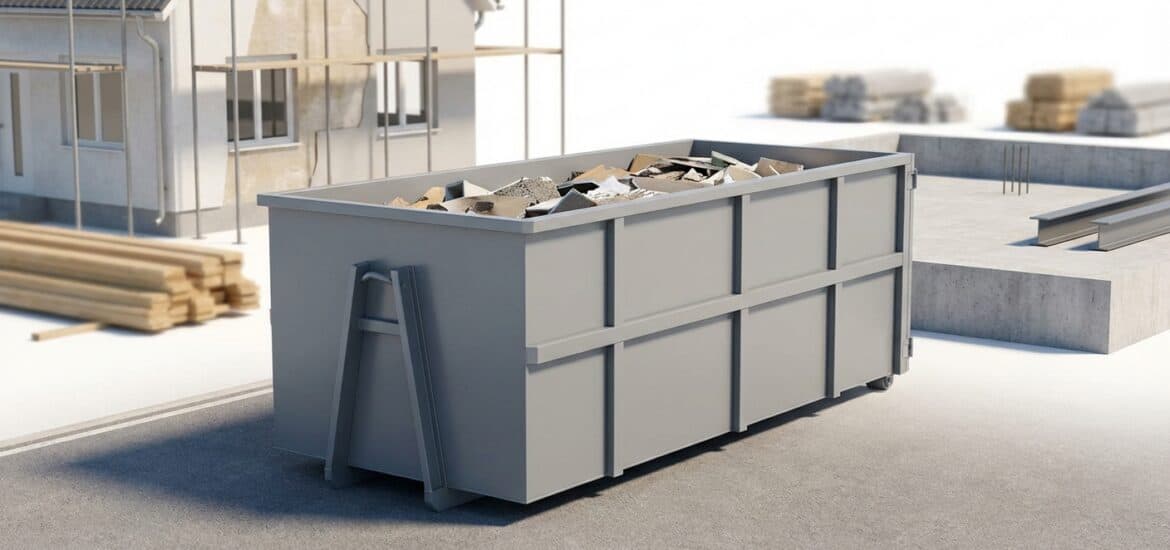
A dumpster rental involves the temporary placement of a large waste container at your property for the duration of a project. These containers, often referred to as roll-off dumpsters, are designed to hold substantial amounts of debris, making them ideal for situations where standard trash bins are insufficient. Renting a dumpster streamlines the disposal process, allowing you to focus on completing your project rather than worrying about waste accumulation.
There are numerous scenarios where a dumpster rental proves to be the most effective waste management solution. Identifying these situations is key to planning your project efficiently. From major renovations to simple decluttering, a dumpster rental can significantly simplify the cleanup process. For more insights, consider learning about bin rental vs. DIY dump runs.
- Home Renovations: Projects like kitchen or bathroom remodels, or additions, generate considerable amounts of construction debris, drywall, old fixtures, and packaging.
- Major Cleanouts: Whether it’s an attic, basement, garage, or an entire estate, large-scale cleanouts often produce more waste than can be handled by regular trash services.
- Construction and Demolition: Building new structures or demolishing old ones creates substantial debris, including wood, concrete, metal, and asphalt, requiring a robust waste solution.
- Yard Waste Removal: Large landscaping projects, tree removal, or significant yard cleanups can generate bulky organic waste that a dumpster rental can accommodate.
- Moving or Downsizing: When preparing to move, you often uncover items you no longer need, and a dumpster can help clear out unwanted possessions efficiently.
Utilizing a dumpster rental for these occasions not only keeps your property tidy but also ensures that waste is disposed of responsibly. For further guidance, explore our waste management tips and discover the benefits of junk removal services when a dumpster isn’t the full solution.
Choosing the Right Dumpster Size for Your Project
Selecting the correct dumpster size is crucial for both cost-effectiveness and efficiency. Renting a dumpster that is too small can lead to costly additional pickups or overflow, while a dumpster that is too large might be an unnecessary expense. Carefully assessing the scope of your project and the type of debris you’ll be generating will help you determine the ideal container size.
Dumpster sizes are typically measured in cubic yards, and understanding what each size can accommodate is key. Many dumpster rental providers offer a range of sizes to suit diverse project needs. For smaller tasks, compact options are available, while larger renovations and construction projects will require bigger containers. Consider exploring 12 cubic yard bin options for lighter jobs, or investigate construction waste disposal solutions for more extensive work.
- 10-Yard Dumpster: Ideal for small projects like garage cleanouts, attic decluttering, small bathroom remodels, or minor landscaping debris. Typically holds about 3-4 truckloads of waste.
- 20-Yard Dumpster: A popular choice for medium-sized projects, including basement cleanouts, single-room renovations, deck demolitions, or significant yard waste removal. It can hold approximately 6-8 truckloads of debris.
- 30-Yard Dumpster: Best suited for larger home renovation projects, major landscaping jobs, whole-house cleanouts, or light commercial demolition. This size usually accommodates about 9-12 truckloads.
- 40-Yard Dumpster: The largest option, typically used for major construction projects, large-scale demolitions, commercial cleanouts, or extensive renovations. This can hold around 12-16 truckloads of waste.
Always err on the side of caution and consider a slightly larger size if you’re uncertain. Overfilling a dumpster can result in additional fees or safety hazards. Consulting with your dumpster rental provider about your specific project details can help ensure you select the most appropriate size. For general residential needs, a construction junk vs general junk removal guide can offer further clarity.
Understanding Dumpster Dimensions and Capacity
When you’re looking at different dumpster sizes, it’s important to understand not just the cubic yard capacity but also the physical dimensions. A 20-yard dumpster, for instance, might be longer and narrower than a 10-yard dumpster, which could be wider but shorter. Consider the space available at your property for placement, ensuring there’s enough room for the dumpster itself and for the delivery truck to maneuver.
Matching Dumpster Size to Debris Type
The type of material you’re disposing of also influences the dumpster size you’ll need. Bulky, lightweight items like insulation or cardboard might fill up a dumpster quickly by volume, even if they aren’t very heavy. Conversely, dense materials like concrete or bricks are very heavy, and while a dumpster might hold a smaller volume of them, you could quickly reach weight limits imposed by the rental company. Always confirm weight restrictions for the dumpster size you choose.
How to Estimate Your Waste Volume
Estimating your waste volume accurately is key to selecting the right dumpster size. For smaller projects, like a garage cleanout, a 12 cubic yard bin might suffice, but for larger renovations or whole-house cleanouts, you’ll likely need a bigger option. Consider the overall scope of your project and the types of materials you’ll be discarding to make an informed decision.
To get a rough estimate of your waste volume, consider the size of the area you’re clearing and the nature of the materials. For renovations, measure the square footage of the room and estimate the depth of debris. For cleanouts, visualize the amount of clutter. It can be helpful to measure a typical load you might put in your car or a standard trash bin and then extrapolate that to the total project volume. Many providers offer online tools or consultation to help with this estimation.
Consider Future Waste Generation
If your project is ongoing, think about how much waste you anticipate generating over its entire duration. It might be more economical to rent a larger dumpster once than to have multiple smaller dumpster rentals. However, if you have a clear end date and a manageable amount of waste, a smaller, more frequent rental might be sufficient. Planning ahead prevents unexpected waste management challenges.
Consulting with Your Rental Provider
When in doubt, it’s always best to consult with your rental provider. They can offer expert advice on the appropriate bin size for your project, helping you avoid over or underestimating your needs. Discussing your project details with them can lead to more efficient and cost-effective waste management solutions, and they can help you understand your options for Edmonton junk disposal.
The best way to ensure you choose the right dumpster size is to communicate clearly with your dumpster rental provider. Describe your project in detail, including the type and estimated volume of waste. They have the expertise to recommend the most suitable dumpster size, preventing you from making a costly mistake and ensuring efficient waste removal. Explore options for dumpster rental pricing to better understand costs.
Dumpster Rental Costs: Factors and Estimates
The cost of a dumpster rental can vary significantly based on several key factors. Understanding these elements will help you budget effectively for your project and avoid unexpected charges. Rental companies typically base their pricing on the dumpster size, the duration of the rental, your location, and the type of waste being disposed of. It’s always wise to get detailed quotes from multiple providers.
Beyond the basic rental fee, other charges can influence the final price. These may include landfill fees, fuel surcharges, or fees for exceeding weight limits or keeping the dumpster longer than agreed upon. Some materials, like heavy debris or hazardous waste, may incur special disposal fees. Researching dumpster rental pricing and junk removal costs can provide a baseline for your expectations.
| Cost Factor | Impact on Price | Notes |
|---|
| Dumpster Size | Higher | Larger dumpsters cost more due to greater capacity and transportation requirements. |
| Rental Duration | Higher | Daily or weekly rates apply; longer rental periods increase the overall cost. |
| Location | Variable | Proximity to landfills and local disposal regulations can affect pricing. |
| Type of Waste | Variable | Heavy materials (concrete, dirt) or hazardous waste may incur additional disposal fees. |
| Delivery & Pickup Fees | Fixed or Variable | Some companies include these; others charge separately. |
| Overweight Fees | Higher | Exceeding weight limits results in substantial extra charges. |
| Extended Rental Fees | Higher | Keeping the dumpster beyond the agreed-upon period incurs daily or weekly charges. |
To ensure you’re getting the best value, inquire about what is included in the base price and what potential additional fees might apply. Understanding these details upfront can prevent surprises. Consider exploring waste management tips to optimize your disposal strategy and potentially reduce costs.
How to Rent a Dumpster: A Step-by-Step Guide
When considering dumpster sizes, it’s helpful to understand the differences between common options, such as a 20 cubic yard bin, to ensure you select the most appropriate one for your project’s needs.
Renting a dumpster is a straightforward process designed to be convenient for homeowners and contractors alike. By following a few simple steps, you can ensure you secure the right container for your project’s needs without any hassle. Our team has extensive experience in facilitating seamless dumpster rentals, making the process as efficient as possible for our clients.
The journey to a clean project site begins with understanding your waste disposal requirements and selecting the appropriate dumpster. From initial inquiry to final pickup, each step is designed for ease and clarity. For a comprehensive overview, refer to our guide on how to rent a dumpster, which details the entire process from start to finish.
- Assess Your Project Needs: Determine the type and estimated volume of waste your project will generate. Consider the dumpster sizes available and choose one that appropriately fits your needs.
- Contact Dumpster Rental Providers: Research local and national companies. Get quotes from several providers to compare pricing, rental terms, and available dumpster sizes.
- Request a Quote and Confirm Details: Provide details about your project, desired dumpster size, and rental duration. Ask about any potential additional fees, such as for overweight loads or extended rental periods.
- Schedule Delivery: Once you’ve selected a provider and confirmed the details, schedule a convenient delivery date and time for your dumpster. Ensure you have a clear, accessible location for placement.
- Fill the Dumpster Responsibly: Place waste inside the dumpster, adhering to any weight limits and guidelines on prohibited items. Avoid overfilling the container.
- Schedule Pickup: When you’re finished with the dumpster, contact the rental company to arrange for its removal. Ensure all waste is contained and the area around the dumpster is clear.
Following these steps ensures a smooth and efficient rental experience. For those undertaking significant cleanouts, understanding how to prepare for a junk removal service can also be beneficial. Planning for a residential dumpster rental ahead of time is always recommended.
Preparing Your Site for Dumpster Delivery
Before the dumpster arrives, it’s essential to prepare the delivery area. Ensure there is a clear, flat space, ideally on a driveway or level ground, where the dumpster can be safely placed. Remove any obstacles like vehicles, furniture, or debris that might hinder the delivery truck’s access or the dumpster’s placement. This preparation saves time and prevents potential damage to your property.
Understanding Rental Agreements and Terms
Always review the rental agreement carefully before signing. Pay close attention to the rental period, included mileage, weight limits, prohibited items, and any fees associated with early termination or extending the rental. Understanding these terms will help you avoid misunderstandings and unexpected charges. Don’t hesitate to ask the rental company to clarify any points you’re unsure about.
Tips for Efficient Dumpster Loading
Maximize the space in your dumpster by loading materials efficiently. Break down large items like furniture or lumber if possible. Place heavier, denser items at the bottom and fill in with lighter materials. Distribute the weight evenly to avoid exceeding the dumpster’s weight limit on one side, which can also make removal difficult. Avoid mixing prohibited items with general waste.
What to Do When the Dumpster is Full
Once the dumpster is full, or you’ve reached the end of your rental period, contact the rental company to schedule a pickup. It’s important to do this in advance, as same-day pickups may not always be available. Ensure the dumpster is accessible for the removal truck and that no materials are blocking the doors or are piled higher than the rim.
Finalizing the Rental and Billing
After the dumpster has been picked up, the rental company will typically finalize the billing. This may involve weighing the contents and charging for any overages in weight or rental duration. Review your final invoice carefully to ensure it matches the agreed-upon terms and charges. If you have any questions, contact the rental company promptly.
What Can and Cannot Go in a Dumpster?
Understanding what can and cannot go into your dumpster is crucial for a smooth rental experience and to avoid extra fees. Generally, most household waste, construction debris, and yard waste are acceptable, but there are specific items that are prohibited. Always check with your rental company about their specific policies. For example, hazardous materials like paint, chemicals, batteries, and electronics often require special disposal methods. Similarly, items like tires, mattresses, and appliances may have additional charges or restrictions. For a comprehensive guide on waste sorting in Edmonton, consult the Edmonton waste sorting guide to ensure you are disposing of items correctly.
Understanding the restrictions on what can and cannot be placed in a dumpster rental is crucial for safe and legal disposal. Each dumpster rental company will have specific guidelines, but generally, certain hazardous materials and items require special handling and cannot be included with regular waste. Familiarizing yourself with these rules prevents potential fines and ensures proper waste management.
Most dumpsters are designed for common household, construction, and yard waste. However, placing prohibited items in the dumpster can lead to significant extra charges or refusal of service. Always consult your rental provider for their definitive list of accepted and prohibited materials to ensure compliance. For broader waste disposal knowledge, explore Edmonton waste sorting.
- Hazardous Waste: Includes items like chemicals, pesticides, solvents, automotive fluids, paints (unless dried), and batteries. These require specialized disposal methods due to their environmental and health risks.
- Electronics (E-waste): Items such as computers, televisions, cell phones, and other electronic devices often contain recyclable materials and heavy metals that need separate disposal.
- Tires: Most landfills and dumpster services prohibit whole tires due to their bulk and potential to trap methane gas.
- Appliances: Refrigerators, freezers, air conditioners, and other appliances often contain Freon or other regulated substances that must be removed by certified technicians before disposal.
- Medical Waste: Items like needles, sharps containers, and biohazardous materials cannot be placed in standard dumpsters and require specific medical waste disposal protocols.
- Asbestos: This is a highly regulated material that requires professional abatement and disposal services.
Accepted materials typically include general household trash, construction debris (wood, drywall, metal, concrete, asphalt), furniture, and yard waste (leaves, branches, grass clippings). For clarity on what your specific project might entail, our Edmonton junk removal page offers additional insights. Always refer to your dumpster rental provider’s guidelines for the most accurate information. Learning about waste management tips can also be beneficial.
Local Dumpster Rental Companies vs. National Providers
When you need a dumpster rental, you have the choice between using a local provider or a large national company. Both options have their advantages and disadvantages, and the best choice often depends on your specific project needs, budget, and desired level of service. Understanding these differences can help you make an informed decision for your waste management requirements.
Local dumpster rental companies often provide a more personalized service. They are familiar with local regulations and landfill procedures, which can sometimes translate into smoother logistics and potentially lower costs due to reduced overhead. They might also be more flexible with rental periods or specific pickup requests. Exploring why choosing local matters can reveal cost-effective solutions.
| Feature | Local Companies | National Providers |
|---|
| Customer Service | Often more personalized and responsive | Can be standardized, sometimes less flexible |
| Pricing | Potentially more competitive for smaller jobs | May offer volume discounts, but can be higher for small needs |
| Availability | May have limited inventory or service areas | Wider network, often more readily available |
| Logistics | Familiarity with local routes and landfills | Established logistics, but may have less local flexibility |
| Flexibility | Can be more adaptable to unique requests | Often adhere strictly to set terms and conditions |
National providers, on the other hand, often have larger fleets and a broader service area, which can be advantageous for projects in diverse locations or when quick availability is critical. They may also offer more standardized online booking systems and transparent pricing structures. However, their size can sometimes mean less flexibility. For broader waste solutions, consider junk removal services. Understanding dumpster rental pricing from both types of providers is key.
Conclusion: Your Next Dumpster Rental
Effectively managing waste is a critical component of any successful project, and a dumpster rental provides a reliable and convenient solution. By understanding the different aspects of dumpster rentals—from selecting the right size and type of dumpster to knowing what can and cannot be disposed of—you can ensure your project proceeds smoothly and efficiently. Remember to weigh the benefits of local versus national providers to find the best fit for your needs.
Taking the next step towards a clean and organized project site is simple. Whether you’re embarking on a major renovation, a thorough cleanout, or a construction endeavor, a dumpster rental is an essential tool. We encourage you to use the knowledge gained from this guide to make an informed decision for your waste management requirements. Explore our resources on how to rent a dumpster and discover the ease of our residential dumpster rental services.
Ready to secure your dumpster rental? Contact us today to discuss your project and get a personalized quote. Our team is dedicated to providing efficient and affordable waste removal solutions to keep your project on track. For immediate assistance or inquiries, please visit our contact us page.