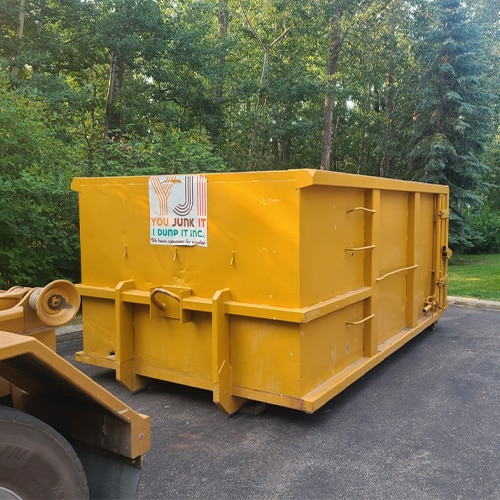
Scrap furniture and household waste at a junk removal site for recycling and disposal.
Categories General

Edmonton Junk Disposal Options

Answer

Local junk disposal services often divert a higher percentage of waste from landfills, with many aiming for 70% or more recycling and donation rates depending on the material types. This practice keeps resources within the community and supports nearby recycling facilities. For effective and environmentally sound removal, choosing You Junk It… I Dump It means benefiting from familiar hauling routes and local drop-off points, which can help streamline disposal.

Overview

This article highlights the benefits of local junk removal and how it contributes to community well-being. It details the environmental and economic advantages, showing why choosing local matters for disposal needs.

Brenda’s hypothetical scenario demonstrates how local services can be both practical and budget-friendly. This article offers insights into responsible disposal practices and what makes a local provider a strong option.

Why Local Edmonton Junk Disposal Matters

Choosing local junk disposal services offers direct benefits to both residents and the surrounding community. Local companies often prioritize efficient collection routes and adhere closely to regional waste management guidelines, ensuring waste is handled responsibly.

You Junk It… I Dump It supports the Edmonton community by focusing on methods that reduce landfill impact, a key concern for residents here. We recognize that effective junk disposal extends beyond simply hauling items away; it involves mindful processing and diversion.

Benefit of Local Disposal Impact on Edmonton
Supports local economy Money stays within the area, supporting other businesses and creating jobs.
Faster response times Proximity allows for quick scheduling and removal of unwanted items, such as during Edmonton junk disposal.
Compliance with local rules Expertise in specific bylaws and environmental regulations for proper waste handling.
Reduced environmental footprint Shorter travel distances for collection and disposal sites reduce emissions.
Community involvement Local businesses often sponsor community events and contribute to local causes.

Environmental Benefits of Local Edmonton Junk Removal

Local junk removal services contribute directly to environmental preservation by prioritizing recycling and responsible disposal. They often have established relationships with local recycling centers and donation facilities, ensuring items are sorted and processed correctly. This approach minimizes waste sent to landfills and supports the recovery of valuable materials.

Choosing local services like You Junk It… I Dump It means materials collected are more likely to stay within the regional waste management system. This reduces transportation emissions associated with longer hauls to distant processing plants. Our efforts focus on maximizing diversion, a key component of sustainable waste practices here.

Proper sorting practices are essential for environmental benefit, preventing contamination that could render recyclable materials unusable. When items are mixed indiscriminately, the entire load may end up in a landfill. Responsible local junk disposal works to separate items for their next life, whether that is recycling or donation. We know what goes where in Edmonton’s waste system, ensuring materials are directed appropriately.

Disposal Method Environmental Impact Typical Items
Recycling Reduces demand for new raw materials, saves energy. Plastics, metals, paper, cardboard, some electronics.
Donation Extends product life, helps local charities, reduces manufacturing waste. Furniture, clothing, working appliances, household goods.
Composting Enriches soil, avoids methane emissions from landfills. Yard waste, food scraps.
Special Waste Facilities Prevents hazardous substances from contaminating soil and water. Paints, chemicals, batteries, certain electronics.

Economic Advantages of Local Junk Services

Investing in local junk services provides clear economic benefits beyond simply clearing unwanted items. These services contribute to the local economy through job creation and support for other area businesses. Choosing locally also typically means more responsive scheduling and direct communication for efficient service.

Brenda needs to clear out her garage and is looking for a service that aligns with her values of environmentally sound junk removal. She’s heard that local services often recycle more, but she’s unsure if the convenience outweighs the potential cost difference. Should Brenda prioritize a local junk disposal service for better recycling rates?

Brenda is overwhelmed by the amount of clutter in her garage and wants it gone. She’s heard that local services often recycle more, but she’s unsure if the convenience outweighs the potential cost difference, especially when considering bin sizing for larger clear-outs.

Recommendation: Choosing a Local Junk Disposal Service

You Junk It… I Dump It would recommend choosing a local junk disposal service when maximizing recycling and donation rates is a priority. Local companies often have established relationships with nearby facilities and can streamline the diversion process, potentially reducing overall disposal costs by avoiding distant landfills. This approach benefits both your budget and the environment.

How Edmonton Junk Disposal Supports Community Growth

Local junk disposal services contribute to the overall well-being of a community by keeping resources within the local economy. When residents support local businesses like You Junk It… I Dump It, their spending directly impacts job creation and economic stability here. This direct support helps strengthen the fabric of Edmonton.

These local businesses often build partnerships with other local entities, such as recycling centers and donation charities, extending their positive impact. We see firsthand how these connections create a network that benefits everyone involved, reducing waste and supporting those in need. For instance, some junk removal services collaborate with organizations that repurpose items, further assisting the community.

Community Benefit Description
Local Job Creation Local businesses create employment opportunities for residents, contributing to a stronger economy.
Economic Multiplier Effect Money spent locally often recirculates within the community, supporting other businesses and services. Economic Advantages
Reduced Environmental Impact Shorter transport distances for disposal and recycling help lower carbon emissions and preserve local environmental quality. Environmental Benefits
Support for Local Charities Many local junk removal companies donate usable items to charities, providing assistance to families and individuals.
Improved Public Spaces Efficient disposal services contribute to cleaner streets and public areas, enhancing the community’s appearance and quality of life.
Increased Community Engagement Local businesses are often more involved in community events and initiatives, building stronger neighborhood ties. Community Growth Guide

Your Local Choice for Responsible Junk Disposal

Selecting a local junk disposal service ensures responsible handling of unwanted items and supports the community directly. You Junk It… I Dump It connects with local recycling centers and charities, helping divert more waste from landfills. This approach benefits both the environment and the local economy.

However, do-it-yourself junk removal might not always be the best option, especially for large volumes or specialized waste. When dealing with significant debris from a renovation, for example, the time and effort involved can outweigh the perceived savings. We often see homeowners underestimating the logistics of transport and proper disposal methods.

Choosing local for responsible junk disposal means prioritizing efficient service and knowing that items are processed according to regional guidelines. Consider the following factors when deciding between DIY and professional removal:

Factor DIY Junk Removal Professional Junk Disposal
Time Commitment Requires personal time for sorting, loading, and transporting. You Junk It, I Dump It|Saves time with efficient pickup and sorting by experienced staff.
Equipment Needs May require renting a truck or bin sizing and appropriate tools. Providers arrive with all necessary equipment and vehicles.
Disposal Knowledge Researching local disposal sites and regulations what Goes where falls to the individual. Companies possess current knowledge of local regulations and proper disposal channels.
Physical Effort Involves heavy lifting and potential injury risk. Trained personnel handle all physical labor.
Environmental Impact Risk of improper disposal if not familiar with recycling options. Local services often prioritize recycling and donation to reduce landfill waste.

Experience the You Junk It… I Dump It Difference

Choosing a local junk disposal provider like You Junk It… I Dump It means getting responsive service that understands the specific needs of properties here. We prioritize clear communication and efficient removal, helping property owners clear clutter without unexpected delays.

Our commitment extends beyond simply hauling items away; we focus on responsible disposal methods, working to recycle and donate materials whenever possible. This helps divert waste from landfills, supporting broader environmental goals for the area.

Best for Option Budget Reason
Residential Cleanouts Full-Service Junk Removal Varies by volume Convenience when you want items removed without heavy lifting or sorting. Reliable Junk Removal offers a straightforward process.
Renovation Debris Bin Rental Fixed bin sizes Ideal for ongoing projects where you need a container on-site for a set period. Options like Bin Sizing help match your project scale.
Yard Waste Scheduled Pick-up Per load or item Efficient for seasonal cleanups or clearing landscaping debris. Our services cater to various Junk Removal types.

You Junk It… I Dump It provides transparent pricing and reliable service, ensuring you have a clear understanding of costs before any work begins, addressing common concerns about fluctuating quotes.

FAQ

Navigating junk disposal in Edmonton can bring up several questions, and understanding why choosing local matters is key to making informed decisions for your home and community.

Question Answer
How does choosing a local junk disposal service benefit the Edmonton economy? Local junk disposal services contribute to the local economy by creating jobs for residents and supporting other businesses in the area. Money spent on these services often recirculates within the community, strengthening economic stability. Local companies also frequently partner with area recycling centers and donation charities, extending their positive impact.
What environmental advantages come from using local junk removal in Edmonton? Local junk removal services prioritize recycling and responsible disposal, often diverting a high percentage of waste from landfills. They have established relationships with local recycling and donation facilities, ensuring items are sorted correctly and reducing transportation emissions due to shorter travel distances. This approach minimizes waste sent to landfills and supports the recovery of valuable materials within the region.
Should Brenda prioritize a local junk disposal service for better recycling rates, even if costs differ? Yes, Brenda should prioritize a local junk disposal service if maximizing recycling and donation rates is important. Local companies often have established relationships with nearby facilities that streamline the diversion process. This can potentially reduce overall disposal costs by avoiding distant landfills, benefiting both her budget and the environment.
When is DIY junk removal not the best option compared to professional services in Edmonton? DIY junk removal might not be ideal for large volumes of waste or specialized materials. For example, significant debris from a renovation can involve considerable time and effort that outweighs perceived savings. Homeowners can underestimate the logistics of transport and proper disposal methods.
Large yellow dumpster for waste collection and junk removal services.
Categories General

Construction Junk Vs General Junk Removal

Answer

Residential junk removal handles typical household clutter like old furniture and appliances, while construction debris removal manages heavier, bulkier materials such as concrete, wood, and drywall from building projects. The main difference lies in the material types, volume, and disposal methods required for each. For larger renovation or demolition projects, You Junk It… I Dump It ensures proper disposal of all construction waste.

Overview

This article details the key differences between junk removal services for homes and those for building projects. It explores material types, disposal needs, and service considerations for each. The content also includes a labeled real-world hypothetical scenario involving Mark and offers a site-level business recommendation.

Distinguishing Junk Removal Types

The type of debris dictates the collection method and disposal process, whether it originates from a home cleanup or a building project. For example, household items typically include furniture, appliances, and general clutter, which differ significantly from the heavy materials produced during construction.

You Junk It… I Dump It recognizes these variations and provides specific services tailored to each category. We often find that residential cleanouts in Edmonton involve mixed loads of items, while construction sites primarily produce dense, recyclable materials. Choosing the correct service from the start simplifies the entire disposal process and helps manage costs. Edmonton Junk Removal

Category Common Items Disposal Considerations
Residential Junk Furniture, appliances, electronics, household trash, yard waste. Often requires sorting for recycling or donation; mixed waste streams are common. Junk Removal types
Construction Debris Concrete, wood, drywall, metal, roofing materials, insulation. Demands specialized handling due to weight, size, and potential for hazardous materials. Reliable Junk Removal

When to Call for Project Cleanup

Professional junk removal becomes a necessity for various projects, especially when dealing with significant volumes of waste that standard municipal services cannot handle. Whether homeowners are decluttering or contractors are managing construction sites, specialized services ensure efficient and proper disposal. We find that many local projects benefit from scheduled pickups to keep sites clear and safe.

You Junk It… I Dump It offers flexible options for waste removal, from single-item pickups to large-scale debris hauling. Knowing when to engage these services helps maintain project timelines and cleanliness. For instance, after a major home renovation, the amount of debris often exceeds what can be placed in regular bins, making professional help invaluable. bin rental tips can assist in planning.

  1. Home Renovations: Large amounts of old flooring, drywall, cabinets, and fixtures accumulate quickly.
  2. Garage or Basement Cleanouts: Accumulations of old furniture, appliances, and general clutter require significant removal capacity.
  3. Yard Waste Projects: Extensive landscaping work, tree removal, or storm debris often generate bulky organic waste.
  4. Construction Site Cleanup: Building materials like concrete, wood scraps, metal, and insulation from new builds or demolitions need specialized handling.
  5. Estate Clearances: Preparing a property for sale or managing inherited items often involves removing an entire household’s worth of contents.

For efficient project completion, considering bin sizing before starting work helps manage waste flow. bin sizing is a practical step for both residential and construction projects. If a project generates mixed waste, such as during fall cleanup services, a professional service ensures all materials are handled correctly.

Disposal Method Differences

Deciding how to manage waste from home improvement projects is a common challenge. The distinction between general household clutter and specialized construction debris can impact disposal costs and methods.

Mark is in the midst of a major basement renovation and is overwhelmed by the amount of waste. He’s unsure if his project generates typical household junk or the heavier materials that fall under construction debris removal. He needs to figure out the best approach for disposal before the mess gets out of hand in You Junk It, I Dump It|Edmonton. Should Mark opt for general residential junk removal or specialized construction debris hauling for his renovation waste in Edmonton?

Recommendation: Construction Debris Removal Service

You Junk It… I Dump It would recommend a construction debris removal service for Mark’s renovation. This ensures that materials like drywall, wood, and concrete are handled appropriately, which general junk removal services may not be equipped for.

Comparing Removal Costs

Cost variations between removing general household junk and construction debris stem from several factors, including material density, disposal fees, and the equipment needed. Construction waste often involves heavier, bulkier items like concrete, wood, and drywall, which incur higher landfill charges based on weight. In contrast, typical household junk, such as old furniture or appliances, usually weighs less and can be processed through different disposal streams, sometimes at lower rates.

Specialized equipment for handling large volumes of construction materials, such as mini excavators or skid steers, may increase overall costs compared to residential junk removal. We see that the type of debris impacts disposal fees significantly; inert materials like concrete may have different charges than mixed construction waste. If you are comparing removal costs, remember to factor in potential recycling opportunities for specific waste types, as these can sometimes reduce total expenses.

When planning your cleanup, consider the table below to compare typical cost drivers for residential junk removal vs construction debris. Understanding these differences helps in budgeting accurately for your project, whether it involves decluttering a home or clearing a construction site. For insights on managing different types of waste, see our guide on junk removal types.

Cost Factor Residential Junk Removal Construction Debris Removal
Material Weight Generally lighter items (furniture, appliances, boxes). Volume is often the main driver. Heavier materials (concrete, bricks, wood, drywall). Weight is a primary cost determinant due to disposal fees.
Disposal Fees Lower per-ton fees may apply. Many items can be donated or recycled, reducing landfill costs. Higher per-ton fees due to material density and specialized processing requirements at disposal sites.
Equipment Needs Standard pickup trucks or smaller dump trailers; manual loading is common. Larger roll-off bins, heavy-duty trucks, and potentially machinery for loading (e.g., excavators) increase operational costs.
Labor Intensity Can be variable; often involves two-person crews for lifting larger items. May require more labor or specialized equipment for demolition and loading, impacting overall labor costs.
Recycling Opportunities High potential for recycling electronics, metal, and certain plastics, which can sometimes offset costs. Specific materials like clean concrete, asphalt, and untreated wood can often be recycled, potentially reducing disposal charges. For more on this, check out your recycling program.

Selecting the Right Removal Service

Choosing the correct junk removal service depends on the type and volume of debris you need to clear. Mismatched services can lead to higher costs or delays in project completion. We evaluate each project to determine whether household item removal or construction debris cleanup is needed.

Consider the source of your waste when making a choice. Materials from home cleanouts like old furniture and appliances differ significantly from concrete and lumber. For larger home improvement projects, You Junk It… I Dump It recommends assessing the debris mix before booking a service to ensure efficient collection. common questions about junk removal can help clarify typical needs.

For smaller amounts of debris, like a single old couch or a few boxes of clutter, a full-service junk removal may be more cost-effective than renting a bin. However, for significant demolition projects or extensive renovations, a dedicated construction debris service often provides better value due to bin size and specialized disposal methods. Here is a guide to assist your decision:

Project Type Recommended Service Considerations
Household Decluttering Residential Junk Removal Best for furniture, appliances, general household items. Our Clients often use this for move-outs.
Small Renovation (e.g., bathroom) Residential Junk Removal (if debris is limited) Appropriate if materials are easy to handle and not excessively heavy.
Large Renovation or Demolition Construction Debris Removal Needed for concrete, wood, drywall, and other heavy construction waste. common questions about junk removal can clarify material restrictions.
Yard Waste Cleanup Residential Junk Removal (specific services) Many companies handle branches, leaves, and other organic yard waste.

Kitchen Renovation Cleanup Example

When renovating a kitchen, homeowners often generate a mix of debris that requires careful sorting and removal. This includes old cabinets, countertops, appliances, and various building materials. Identifying the type of waste helps determine the most efficient and cost-effective disposal method.

For example, if the project involves removing a wall, the debris shifts significantly from household junk to heavier construction waste. This distinction impacts choices like bin sizing and specialized disposal requirements, as items like drywall, wood, and metal scraps become prevalent. Edmonton Demolition Cleanup offers additional details on handling such projects.

Project Type Best for Budget Reason
Small Kitchen Update Removing old appliances, cabinets, and light fixtures Lower Generally less volume and lighter materials; may fit smaller bins or a single load.
Major Kitchen Remodel Demolition of walls, new flooring installation, structural changes Higher Requires larger bins for heavy debris like concrete, drywall, and lumber. Bin sizing becomes important here.
DIY Cleanup Homeowners with means to transport small loads Lowest (time cost) Suitable for small amounts of residential junk removal vs construction debris, but time-consuming for larger volumes.
Professional Service Any size project, especially with mixed or heavy waste Moderate to Higher You Junk It… I Dump It handles sorting, loading, and proper disposal, saving time and effort for property owners.

Next Steps for Your Junk Removal

Sorting materials beforehand simplifies the removal process for any project. Separating items like wood, metal, and recyclables into distinct piles helps streamline pickup and proper disposal. We recommend discussing your specific needs for either residential junk or construction debris removal with us to ensure appropriate planning.

You Junk It… I Dump It offers efficient services tailored to various cleanup demands, whether you are clearing out a home or managing a building site. Our goal is to make your next project as clean and organized as possible. For your convenience, we also provide helpful junk bin rentals for ongoing waste collection.

Project Type Recommended Action
Household Clutter Schedule a residential junk removal appointment for items like old furniture or appliances.
Renovation or Demolition Arrange for construction debris removal to handle heavier materials.
Ongoing Waste Consider a bin rental to manage waste accumulation throughout your project.

FAQ

To help clarify the distinctions between residential junk removal vs construction debris services, we’ve compiled answers to some common questions you might have.

Question Answer
When should I consider construction debris removal over general junk removal in Edmonton? You should opt for construction debris removal when your project involves materials like concrete, wood, drywall, metal, or insulation from new builds or demolitions. These items are heavy and require specialized handling and disposal methods that general residential junk removal services may not accommodate.
How does the cost of construction debris removal compare to residential junk removal in Edmonton? Construction debris removal generally costs more due to the heavier weight of materials like concrete and wood, which incur higher landfill fees. Residential junk removal often deals with lighter items, and opportunities for donation or recycling can sometimes offset disposal costs.
What types of items are typically included in residential junk removal in Edmonton? Residential junk removal in Edmonton handles common household clutter such as old furniture, appliances, electronics, general trash, and yard waste. These items often have mixed waste streams and may require sorting for recycling or donation.
Should Mark use a construction debris removal service for his basement renovation waste in Edmonton? Yes, Mark should use a construction debris removal service for his basement renovation waste. Materials like drywall, wood, and concrete from renovations are considered construction debris and require specialized handling that general junk removal services may not provide.
Disorganized recycling and trash cluttered around person with packaging materials.
Categories General

15 Yard Bin Rental Guide

Answer

The choice between a 12 yard bin vs 15 depends on project size and debris type, with the 15-yard option offering greater capacity for larger renovations or cleanouts at a slightly higher cost. A 12-yard bin holds roughly 5 pickup truck loads, suitable for smaller tasks, while a 15-yard bin accommodates about 6-8 loads. You Junk It… I Dump It provides both sizes to match various residential and commercial waste removal needs.

Overview

This article assists in selecting the appropriate bin size for various projects, focusing on the differences between 12-yard and 15-yard options. You will find details on specific bin capacities, ideal uses for each size, and factors influencing rental decisions. The information helps plan waste removal effectively for home renovations, cleanouts, and construction projects.

The article also includes a labeled real-world hypothetical scenario involving Marcus, offering a site-level recommendation based on common project assumptions. This example helps illustrate how different project requirements impact bin choice.

12 Yard vs 15 Yard Bin: Size Matters

The main difference between a 12 yard bin and a 15 yard bin lies in their capacity and physical dimensions, impacting what projects they suit best. A 12-yard bin is generally 12 feet long, 8 feet wide, and 4 feet high, holding around 5 pickup truck loads of debris. In contrast, the 15-yard option measures approximately 16 feet long, 8 feet wide, and 4 feet high, handling about 6-8 loads.

Selecting the correct bin size prevents overfilling smaller bins or overpaying for unused space in larger ones. When considering a 12 yard bin vs 15, assess your debris volume and the available space for placement. For example, smaller renovations or yard cleanups typically fit well within a 12 cubic yard bin.

You Junk It… I Dump It finds that many homeowners here benefit from careful bin sizing, particularly for projects with mixed debris. Knowing the dimensions helps prevent placement issues, especially on residential streets with limited space. This local insight helps ensure a smooth rental experience from start to finish.

Feature 12 Yard Bin 15 Yard Bin
Capacity Approximately 5 pickup truck loads Approximately 6-8 pickup truck loads
Common Dimensions (L x W x H) 12 ft x 8 ft x 4 ft 16 ft x 8 ft x 4 ft
Ideal Projects Small cleanouts, minor remodels, yard debris Medium-sized renovations, basement cleanouts, light construction
Footprint Smaller, easier to place in tight spaces like residential driveways Larger, requires more space for delivery and placement
Weight Limit Typically 1.5-2 tons (3,000-4,000 lbs) Typically 2-2.5 tons (4,000-5,000 lbs)
Cost Efficiency Cost-effective for smaller projects where capacity matches waste volume Often more cost-effective for larger projects than multiple small bins
Accessibility Fits well in areas with limited access or stricter bin sizing requirements Requires more clearance; better for open driveways or construction sites

15 Yard Dumpster Capacity and Uses

A 15 yard dumpster provides 15 cubic yards of space, equating to roughly 6-8 pickup truck loads of debris. This size often suits medium-scale projects, offering more room than smaller options without the footprint of larger bins. We find this capacity works well for many local homeowners doing renovations.

Common uses for a 15 yard bin include significant basement cleanouts, single-room renovations like a kitchen or bathroom remodel, and extensive yard debris removal. When deciding, consider the total volume of waste you anticipate, particularly for bulky items. You can review how this size compares to other options through our bin sizing information.

Capacity Aspect 15 Yard Dumpster Common Project Types
Volume 15 cubic yards Medium home renovations, large garage clear-outs
Equivalent Loads 6-8 pickup truck loads Kitchen remodels, extensive landscaping
Dimensions (approx.) 16 ft L x 8 ft W x 4 ft H Demolition debris from a single room
Ideal for Residential and light commercial jobs how to choose a dumpster for debris removal

When a 15 Yard Bin Rental is Best

Choosing the right dumpster size helps manage project waste efficiently. A 15-yard bin often becomes the preferred option for projects generating more debris than a smaller container can hold, such as a full bathroom remodel or a large garage cleanout. When considering a 15 yard bin rental, project scope and the types of materials for disposal are key factors.

If you have a project with moderate to large amounts of debris, a 15-yard bin typically provides enough space without the need for multiple pickups. We find that homeowners frequently underestimate their waste volume during renovations. comparing bin rental options means balancing initial cost with potential overage fees.

For Marcus, the decision between a 12 yard bin vs 15 centers on his kitchen remodel debris. Should Marcus rent a 12 or 15-yard bin for his renovation debris?

Marcus is undertaking a major kitchen remodel and needs to dispose of old cabinets, countertops, and construction waste. He’s unsure if a 12-yard bin will be sufficient or if he’ll need the larger 15-yard option, which comes at a higher cost.

Recommendation: 15-yard bin

You Junk It… I Dump It recommends the 15-yard bin for larger renovations, as it offers greater capacity for substantial debris. This option is ideal when dealing with extensive demolition or multiple loads of waste from a significant project.

Fitting Large Items in a 15 Yard Dumpster

Loading large or bulky items into a 15-yard dumpster requires a systematic approach to maximize space and ensure safe transport. This size bin can hold substantial debris, but proper placement prevents overflow and potential hazards.

Strategic loading helps fit more waste, potentially saving money by avoiding the need for a second bin. For instance, we often recommend breaking down items when possible to create flatter, more compact pieces.

  1. Stack flat items first: Begin with plywood, drywall, or other flat materials to create a base.
  2. Place heavy, bulky objects next: Position furniture, appliances, or large debris against the walls of the dumpster.
  3. Fill gaps with smaller debris: Use construction scraps, yard waste, or household junk to fill any open spaces.
  4. Break down items: Dismantle furniture or large wooden structures to reduce their footprint.
  5. Load evenly: Distribute weight uniformly to avoid tilting or overloading one side.
  6. Keep above the rim: Ensure all contents stay below the top edge of the bin to comply with safety regulations.

For items that are particularly challenging to fit, like a sectional sofa or large cabinets, consider breaking them into smaller components. This practice not only saves space but also helps distribute the load more effectively. If you are uncertain about the capacity of a 15 cubic yard bin for a specific item, review the dimensions provided before rental. For additional guidance, consult our small dumpster rental guide.

15 Yard Dumpster Load Capacity

A 15 yard dumpster can hold approximately 15 cubic yards of material, which translates to about 6-8 pickup truck loads of debris. This size often suits medium-scale projects like a two-room renovation, large garage cleanouts, or significant landscaping work. You Junk It… I Dump It provides these bins to assist with various project requirements.

Project managers and homeowners often consider the trade-off between a larger bin and multiple smaller loads. While renting a 15 yard dumpster might cost slightly more upfront than a smaller option, it can be more cost-effective than needing a second, smaller bin later. We recommend assessing the total volume of waste expected to avoid additional charges or rental days.

For projects generating significant but not overwhelming amounts of waste, a 15 yard dumpster offers a good balance. If your project involves heavy materials like concrete or soil, remember that weight limits apply regardless of volume. Our clients find this size ideal for many residential and light commercial jobs, reducing the need for repeated trips to the disposal site or multiple bin sizing rentals.

Project Type Typical Waste Generated
Bathroom Renovation (full) Old fixtures, drywall, tiles, and flooring.
Deck Removal (small to medium) Wood planks, support beams, and fasteners.
Garage Cleanout (large) Old furniture, boxes, tools, and miscellaneous junk.
Yard Cleanup (extensive) Branches, shrubs, soil, and fencing.
Roofing Project (single layer) Shingles and underlayment from a small roof.
Kitchen Remodel (partial) Cabinets, countertops, and flooring from a smaller kitchen.
Basement Decluttering Unwanted household items, boxes, and small furniture pieces.
Office Cleanout Old office furniture, electronics, and paper waste.
Flooring Replacement (multiple rooms) Carpet, hardwood, or tile debris from several areas.
Estate Cleanout (small) Assorted household goods, clothing, and small appliances.

Choosing Your Ideal Dumpster Size

Selecting the right dumpster size helps ensure project efficiency and cost-effectiveness. The dimensions of a dumpster dictate how much debris it can hold and how easily it fits on a property.

For smaller jobs like a garage cleanout or a single room decluttering, a smaller bin may suffice. Larger projects, such as a full home renovation or construction site cleanup, benefit from more generous capacity. We often find that homeowners underestimate their waste volume, leading to additional rental costs.

When planning a project, consider the types of materials and their bulk. For example, dense construction debris takes up less space than bulky furniture. You Junk It… I Dump It offers guidance on bin sizing to match specific project requirements. Review this table to choose your ideal dumpster size:

Project Type Recommended Bin Size Typical Debris Considerations
Small Home Cleanout 12 Cubic Yard Household junk, small furniture Fits in tighter spaces, good for limited debris.
Single Room Remodel 12 Cubic Yard Drywall, flooring, cabinets Efficient for focused renovation waste.
Medium Decluttering 15 Cubic Yard Multiple large items, appliances More space than a 12 yard bin vs 15 is better for bulk.
Kitchen/Bathroom Renovation 15 Cubic Yard Demolition debris, fixtures Handles heavier loads from remodeling projects.
Yard Waste Cleanup 15 Cubic Yard Branches, shrubs, soil Edmonton bin sizes may vary, but a 15 yard works well for garden waste.
Small Construction Job 15 Cubic Yard Wood scraps, roofing materials Provides good capacity for moderate construction waste.

FAQ

Still wondering if a 12 yard bin vs 15 is right for your project? Below, we’ve compiled answers to some of the most common questions to help you make an informed decision about your dumpster rental.

Question Answer
How many pickup truck loads does a 12-yard bin hold? A 12-yard bin holds approximately 5 pickup truck loads of debris. This size is suitable for smaller tasks like minor remodels or yard cleanups. It measures around 12 feet long, 8 feet wide, and 4 feet high.
What type of projects are best suited for a 15-yard dumpster? A 15-yard dumpster is ideal for medium-scale projects. This includes significant basement cleanouts, single-room renovations like a kitchen or bathroom remodel, and extensive yard debris removal. It accommodates about 6-8 pickup truck loads.
Should I choose a 12-yard or 15-yard bin for a major kitchen remodel? For a major kitchen remodel, a 15-yard bin is often the recommended choice. This size provides greater capacity for substantial debris like old cabinets, countertops, and construction waste. It helps avoid the need for multiple smaller bins or additional pickups.
How do the weight limits differ between a 12-yard and a 15-yard bin? A 12-yard bin typically has a weight limit of 1.5 to 2 tons (3,000-4,000 lbs). The 15-yard bin generally accommodates a slightly higher weight limit, around 2 to 2.5 tons (4,000-5,000 lbs). Always consider the weight of materials like concrete or soil.
Large yellow dumpster for debris removal and junk disposal from You Junk It.
Categories General

Edmonton Waste Sorting Guide

Answer

The City of Edmonton provides a detailed four-bin waste system for residential properties, separating garbage, organics, recycling, and large items to promote environmental responsibility. You Junk It… I Dump It supports these efforts by offering services for items that do not fit into the standard bins, ensuring proper disposal or recycling for larger loads. This Edmonton waste sorting guide helps residents direct various materials to their correct destinations, reducing landfill contributions and increasing resource recovery.

Overview

This guide helps residents sort waste effectively, detailing the city’s approach to different material types. It covers what belongs in each bin, items that cannot go into standard collection, and specific handling instructions for various waste categories.

The article also includes a labeled real-world hypothetical featuring Brenda, offering practical examples for household waste decisions. You will find tips for holiday waste and how professional disposal services can assist with larger projects.

  • Bin System: Learn about the city’s four-bin waste system for organized disposal bin system.
  • Unrecyclable Items: Find out which common household items do not belong in regular recycling cannot recycle.
  • Real-World Example: See how Brenda tackles specific waste sorting challenges at home proper sorting.
  • Holiday Tips: Get practical advice for managing waste during festive seasons holiday sorting tips.
  • DIY Limits: Determine when personal waste sorting efforts may not suffice DIY waste sorting.
  • Disposal Options: Explore professional services for efficient and compliant waste removal professional disposal.

Edmonton’s 4-Bin System Explained

Edmonton’s waste collection system provides residents with a structured approach to waste management. This system helps keep materials out of landfills through clear sorting guidelines. Residents typically use a combination of bins for garbage, organics, and recycling, plus special arrangements for larger items.

The system is designed to handle various household wastes efficiently. Many homes, particularly in areas like Old Strathcona, need to place their waste carts carefully due to narrow driveways. This requires adherence to the Edmonton waste sorting guide for proper curbside collection. We see this firsthand when providing Edmonton junk removal to local residents.

Bin Type Primary Contents
Black Bin (Garbage) Non-recyclable, non-compostable items such as Styrofoam, plastic bags, broken ceramics, and diapers.
Green Bin (Organics) Food scraps, yard waste, soiled paper products, and pet waste.
Blue Bags (Recycling) Clean paper, cardboard, plastic containers (numbered 1-7), metal cans, and glass bottles. what goes where for specific items.
Large Item Pickup Furniture, appliances, mattresses, and other bulky items that do not fit in regular bins. Book these collections directly through the city or arrange for bin sizing with a private service.

Common Items You Cannot Recycle

Many items homeowners believe are recyclable actually cannot be processed by standard facilities due to material composition or contamination. Placing these materials in recycling bins causes issues at sorting plants, increasing costs and potentially diverting otherwise good batches to landfills. We see this often in our operations, where improperly sorted bins slow down the entire disposal process.

What are 5 things that cannot be recycled through typical curbside programs? Common problematic items include plastic bags, Styrofoam, electronics, batteries, and certain types of glass. These items require special handling or alternative disposal methods to prevent damage to recycling machinery or environmental harm. For larger or unusual items, Edmonton junk removal offers a solution.

Item Reason for Non-Recyclability Recommended Disposal Method
Plastic Bags & Film Tangle machinery, causing breakdowns and delays. Take to designated grocery store drop-offs or use for garbage.
Styrofoam (Polystyrene Foam) Lightweight, breaks into small pieces, contaminates other recyclables. Place in black garbage bin; some Eco Stations accept larger pieces.
Electronics (E-Waste) Contain hazardous materials and valuable components needing specialized recovery. Drop off at Eco Stations or designated e-waste collection sites.
Batteries Pose fire hazards and contain toxic chemicals. Recycle at specific battery drop-off locations, often found at retail stores.
Ceramics & Dishes Have different melting points and compositions than glass, contaminating glass recycling. Dispose of in the black garbage bin or donate if reusable.
Diapers & Pet Waste Highly unsanitary and contaminate recycling streams. Seal in bags and place in the black garbage bin.
Medical Waste Biohazards pose serious health risks to workers. Follow specific protocols for sharps and medications; consult a medical professional for guidance.
Garden Hoses Tangle in sorting equipment, similar to plastic bags. Dispose of in the black garbage bin.

You Junk It… I Dump It supports responsible waste management by accepting various non-recyclable items for proper disposal or specialized recycling. If you are unsure about an item, consult the local Edmonton waste sorting guide or consider a professional junk removal service.

Proper Sorting for Specific Waste Types

Ensuring proper disposal of items not fitting into standard bins often presents a challenge for many households. Knowing where to send specific waste types beyond the usual bins helps maintain a clean community.

Brenda is committed to following Edmonton’s waste sorting guidelines but is overwhelmed by a recent garage clean-out. She has several bulky items and materials that don’t fit into her regular garbage, organics, or recycling bins. How can Brenda best handle large or unusual waste items not covered by the standard four-bin system?

Recommendation: Utilizing a specialized junk removal service

You Junk It… I Dump It recommends using a specialized junk removal service for items that cannot be placed in standard bins. This ensures that larger loads are handled efficiently and disposed of or recycled according to local guidelines, supporting your efforts in proper waste management.

Holiday Waste Sorting Tips for Edmonton

The holiday season often brings an increase in household waste, including specific items like wrapping paper, festive packaging, and food scraps. Correct sorting helps divert materials from landfills, supporting local environmental initiatives. We often see confusion around items like glitter-covered wrapping paper or certain food containers during peak holiday times here.

Sorting these seasonal items correctly aligns with the goals of an Edmonton waste sorting guide by keeping recyclable materials in their proper streams. When planning for holiday cleanups, consider the specific requirements for each waste type to ensure efficient disposal. This also minimizes potential issues with regular waste collection.

  1. Separate clean, non-metallic wrapping paper and paper gift bags for blue bag recycling; glitter, foil, and plastic-coated papers belong in the black bin.
  2. Place food waste, including turkey carcasses, fruit and vegetable scraps, and soiled paper napkins, into your green bin for composting.
  3. Break down cardboard boxes from gifts and deliveries, then flatten them for blue bag recycling.
  4. Recycle plastic packaging marked with a recycling symbol in your blue bag, ensuring items are clean and dry.
  5. Dispose of string lights that no longer work at Eco Stations or designated drop-off points, as they are not accepted in blue bag recycling.
  6. Consider donating unwanted gifts or household items to local charities, which helps extend their lifespan and reduces waste.
  7. Use reusable gift bags and containers whenever possible to minimize waste generation from the start.

When DIY Waste Sorting Isn’t Enough

While an Edmonton waste sorting guide helps with everyday items, some situations require more than standard curbside bins. Large cleanouts, renovation debris, or specialized waste materials often exceed residential collection limits. Attempting to manage these without proper resources can lead to fines or improper disposal.

For example, You Junk It… I Dump It frequently observes that construction projects often generate waste too heavy or bulky for municipal services. Homeowners might struggle with large appliances, old furniture, or significant amounts of yard waste after a major landscaping project. When these situations arise, professional assistance ensures proper handling and disposal, saving time and preventing potential issues.

Situation Professional Service
Major home cleanouts Efficient removal of large volumes of mixed junk.
Renovation or construction debris Safe disposal of materials like drywall, wood, and concrete. Edmonton junk removal can handle these loads.
Large appliance disposal Proper recycling or disposal of items such as refrigerators or washing machines.
Yard waste after extensive landscaping Collection of branches, soil, and other organic matter beyond green bin capacity.
Hazardous or specialized waste Ensures compliance with local regulations for difficult items. Junk removal types cover these needs.

Professional Waste Disposal Options

When household bins and municipal services cannot handle specific waste, professional disposal offers a solution. This includes oversized items, construction debris, or materials not accepted in regular collections. Homeowners often need this service during renovations, large cleanouts, or estate clear-outs when regular bins are insufficient.

You Junk It… I Dump It provides various options for disposing of items beyond the scope of a typical Edmonton waste sorting guide. We manage everything from appliance removal to construction site debris, ensuring proper handling and responsible disposal. Our Edmonton junk removal services save time and effort, especially for bulky or numerous items that require specialized transport.

Best for Option Budget Reason
Large Household Cleanouts Full-Service Junk Removal Medium to High CAD Convenient; crews handle all lifting and loading.
Renovations & Construction Bin Rental (various sizes) Medium CAD Ideal for ongoing projects; allows for self-loading.
Single Bulky Items Specific Item Pick-Up Low to Medium CAD Cost-effective for furniture, appliances, or mattresses.
Yard Waste Cleanup Seasonal Debris Removal Low to Medium CAD Handles branches, leaves, and other organic materials after seasonal yard work.

You Junk It… I Dump It recommends professional waste disposal when residents face large volumes of mixed materials or items too heavy for regular collection. Our services help homeowners avoid fines and ensure materials are processed correctly, reducing their environmental impact. We see many homeowners choose professional help for items like old appliances or extensive garden waste, where the physical effort and specific disposal requirements make DIY difficult.

FAQ

This Edmonton waste sorting guide addresses common questions about proper disposal methods for various items, ensuring you can navigate the city’s recycling and waste programs effectively.

Question Answer
What should I do with plastic bags and film that cannot go in my blue bag? Plastic bags and film tangle recycling machinery, causing breakdowns and delays. These items should not be placed in blue bags. Take them to designated grocery store drop-off locations or use them as garbage.
How can Brenda manage a garage clean-out with bulky items not fitting standard bins? For a garage clean-out with bulky items that do not fit into regular garbage, organics, or recycling bins, Brenda can best handle these by utilizing a specialized junk removal service. This ensures larger loads are handled efficiently and disposed of or recycled according to local guidelines.
Which types of waste are problematic for standard Edmonton curbside recycling programs? Problematic items for standard curbside recycling include plastic bags, Styrofoam, electronics, batteries, and ceramics. These items require special handling or alternative disposal methods to prevent damage to recycling machinery or environmental harm.
When is professional waste disposal the best option for residents in Edmonton? Professional waste disposal is the best option when dealing with large volumes of mixed materials, renovation debris, or items too heavy for regular collection. This includes situations like major home cleanouts, construction projects, or disposing of large appliances and extensive yard waste.
Recyclable waste bin for food scraps and compost in Edmonton, environmentally friendly waste disposal system.
Categories General

Fall Cleanup Services Edmonton

Answer

Fall cleaning focuses on preparing homes for colder weather, addressing tasks like sealing drafts and clearing gutters, while spring cleaning concentrates on refreshing indoor spaces and decluttering after winter. Fall tasks are often about exterior protection and preventative maintenance, whereas spring activities involve airing out, deep cleaning, and organizing living areas for warmer months. For larger disposal needs during either season, You Junk It… I Dump It offers reliable junk removal to manage waste efficiently.

Overview

This guide outlines the seasonal demands that homeowners face throughout the year. It provides insights into distinguishing between fall vs spring cleaning needs and how to prepare for each season effectively.

The guide also features a labeled real-world hypothetical from Ava, detailing how she manages her home maintenance tasks.

Fall Cleaning vs Spring Cleaning Tasks

Each season presents distinct tasks for home upkeep, differing based on weather patterns and preparation needs. While spring typically involves deep cleaning and refreshing indoor areas, fall focuses on exterior maintenance and winterization. These seasonal efforts help maintain a home’s condition year-round.

You Junk It… I Dump It observes many homeowners here often tackle both indoor and outdoor projects that generate substantial debris, regardless of the season. Our reliable junk removal services assist with clearing away unwanted items, making cleanup easier whether you are performing a fall vs spring cleaning.

Fall Cleaning Focus Spring Cleaning Focus
Winterization of exterior spaces Refreshing indoor areas
Clearing gutters and downspouts Deep cleaning carpets and upholstery
Sealing drafts and checking insulation Washing windows and screens
Storing outdoor furniture and equipment Decluttering and organizing closets
Inspecting heating systems and chimneys Cleaning and repairing decks or patios
Disposing of yard waste and fallen leaves like fall cleanup services Prepping gardens for planting
Inspecting roofs for damage Cleaning out refrigerators and pantries
Preparing appliances for colder temperatures Wiping down walls and baseboards
General tidying of outdoor areas, often with You Junk It, I Dump It|reliable junk removal Removing accumulated dust and allergens
Clearing out garages and sheds for winter storage. If you need assistance, consider options like dumpster rental pros Airing out the home by opening windows

Outdoor Home Maintenance Timing

Timing outdoor maintenance tasks with the seasons helps homeowners prepare for changing weather conditions. Spring activities often focus on recovery from winter and readying for warmer months, while fall tasks protect against incoming cold and moisture. We find that performing tasks like gutter cleaning in the fall prevents issues before winter freezes arrive.

Decisions around outdoor home upkeep depend on factors like local climate and specific property needs. For instance, addressing yard waste or construction debris during seasonal cleanups simplifies disposal. You Junk It… I Dump It offers reliable junk removal services to assist with these seasonal transitions, making sure that bulky items are handled properly.

Task Best Season Reason
Gutter Cleaning Fall Removes leaves and debris before winter freezes cause blockages.
Pressure Washing Exterior Spring Washes away winter grime and prepares surfaces for warmer weather.
Yard Waste Cleanup Both Fall and Spring Clearing leaves in fall prevents mildew; spring tidies after winter and prepares for growth. Consider junk removal types for large volumes.
Deck and Patio Repair Spring Identifies and fixes damage from winter weather before heavy use.
Window Washing Spring Removes accumulated salt and grime for clearer views and protects glass.
Tree and Shrub Pruning Fall/Winter (dormant season) Promotes healthy growth and removes dead branches before spring.

Edmonton Winter Home Preparation

Deciding between focusing on fall preparations or spring refreshes can be a challenge for many homeowners.

Ava is overwhelmed by the thought of seasonal home maintenance. She knows Edmonton winter home preparation is about preparing for winter, but spring cleaning feels more pressing after being indoors all winter. She needs to decide which season’s cleaning tasks to tackle first.

Recommendation: Fall Cleaning Focus

You Junk It… I Dump It recommends prioritizing fall cleaning when preparing for colder weather is the primary concern. This allows for preventative maintenance that can save time and effort in the long run.

Fall Tasks for Spring Cleaning Head Start

Taking action in the autumn months can significantly reduce springtime chores. Proactive tasks completed in fall help manage household items and yard debris before winter sets in. This approach sets up a cleaner, more organized home for the spring season.

Consider these specific actions to get a head start on your spring cleaning:

  1. Declutter indoors, especially storage areas like basements, attics, and garages. Removing unused items now prevents them from accumulating dust and becoming larger jobs later.
  2. Clean out gutters and downspouts thoroughly to prevent blockages from fall leaves and winter ice. This protects your home from water damage and makes spring maintenance easier.
  3. Organize garden tools and outdoor equipment. Clean, repair, and store them properly to protect them from winter elements and ensure they are ready for use next spring.
  4. Wash windows and exterior surfaces to remove grime accumulated during the fall. This improves light entry during winter and cuts down on spring’s heavy cleaning.
  5. Address any minor repairs or maintenance needs around the house. Fixing small issues now prevents them from becoming bigger problems that take up valuable spring cleaning time.

Preparing your home by tackling these activities in autumn means less work when warmer weather arrives. It creates an opportunity for focused fall vs spring cleaning efforts where each season addresses its unique demands efficiently. For larger debris removal projects during this preparation, consider services like 20 vs 30 yard bin rental options, which can assist with clearing out bulkier items. If you need help choosing the right size for your specific project, how to choose is another resource.

Hiring Cleanup Services vs DIY

Deciding whether to hire professional cleanup services or handle tasks yourself often depends on the project’s size and complexity. For large-scale efforts, professional assistance can reduce the physical burden and ensure proper disposal, especially during a thorough fall vs spring cleaning.

You Junk It… I Dump It observes that many homeowners prefer professional junk removal for projects involving heavy lifting or numerous items, such as clearing out a garage or attic. Opting for professional help can also save significant time, allowing individuals to focus on other seasonal preparations or personal commitments. Junk Removal vs offers a comparison to aid this decision.

Factor Hiring Cleanup Services DIY Cleanup
Time Commitment Minimal effort required from the homeowner. Requires personal time for sorting, lifting, and transport.
Physical Effort Professionals handle all heavy lifting and loading. Demands physical exertion and may involve risks of injury.
Equipment Needs No specialized equipment needed by the homeowner. May require renting a truck or specific tools for large items.
Disposal Expertise Knowledge of proper disposal methods and recycling facilities. Research required for local disposal rules and locations, such as Edmonton Junk Disposal.
Cost Upfront service fee; often includes labor, transport, and disposal. Costs may include truck rental, dump fees, and personal time value.

For individuals with limited time or physical capacity, engaging a professional service like You Junk It… I Dump It for debris removal simplifies the process. This choice is particularly helpful when managing yard waste or large household items, where knowing the right Junk Removal types makes a difference.

Why You Junk It… I Dump It For Fall Cleanup

You Junk It… I Dump It streamlines cleanup projects by handling heavy lifting and proper disposal. Our services remove the need for multiple trips to transfer stations or sorting through various recycling guidelines, making larger fall or spring cleaning tasks more manageable. We focus on efficiently clearing out unwanted items from homes or businesses.

Preparing for colder weather often involves clearing out garages, basements, or yards. This is where professional junk removal becomes particularly helpful, especially when dealing with bulkier items or a significant accumulation of debris. Junk Removal cost factors vary by volume and item type, but our process ensures clear pricing without hidden fees.

We see homeowners benefit from our junk removal services when they have large volumes of yard waste, old furniture, or construction debris that municipal pick-up cannot accommodate. For fall vs spring cleaning, having a clear plan for waste disposal helps prevent delays and ensures a tidy property. Here are common items we assist with during seasonal cleanups:

Best for Job Item Type Typical Scenarios Reason to Choose Our Service
Yard Cleanup Branches, leaves, garden waste Post-storm debris, seasonal pruning Efficient removal of organic matter, saving time and effort
Garage Decluttering Old tools, broken equipment, unwanted furniture Creating space for vehicles or storage, preparing for winter Handles heavy or awkward items, proper disposal assured
Home Renovations Construction debris, old fixtures, broken drywall DIY projects, minor upgrades, demolition waste Managed removal of construction materials, preventing clutter
Estate Cleanouts Furniture, appliances, household goods Downsizing, preparing a property for sale Removes large quantities of diverse items, minimizing stress

FAQ

To help you navigate the seasonal spruce-up, we’ve compiled answers to common questions about fall vs spring cleaning, offering guidance tailored for Edmonton homeowners.

Question Answer
Should I prioritize fall cleaning or spring cleaning tasks first? Prioritizing fall cleaning is recommended when preparing your home for colder weather is the main concern. This allows for preventative maintenance that can save time and effort later. Fall tasks focus on exterior protection and winterization.
How can fall tasks help with spring cleaning efforts? Completing certain tasks in the fall can significantly reduce the amount of work needed in the spring. Decluttering storage areas like basements and garages, cleaning gutters, and organizing outdoor equipment in autumn prevents them from becoming larger jobs when warmer weather arrives.
When is the best time to clean gutters and downspouts? Cleaning gutters and downspouts in the fall is best. This removes leaves and debris before winter freezes can cause blockages. This preventative measure protects your home from water damage and makes spring maintenance easier.
What are the main differences in tasks between fall and spring cleaning? Fall cleaning focuses on winterization and preparing the exterior for colder weather, such as sealing drafts and clearing gutters. Spring cleaning concentrates on refreshing indoor spaces, decluttering after winter, and tasks like deep cleaning carpets and washing windows.