
Answer
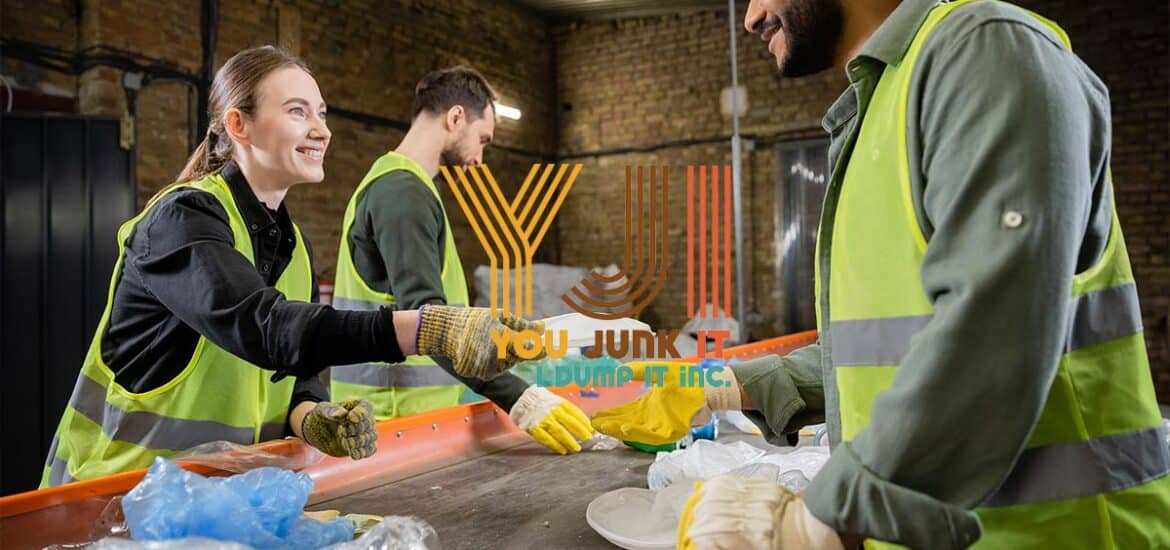
Edmonton’s recycling program sorts residential materials at the Edmonton Waste Management Centre, using machinery to separate items based on characteristics like size, shape, and weight. For residents seeking to manage their waste responsibly, You Junk It… I Dump It offers Edmonton junk removal to handle items that do not fit standard curbside collection or require specialized disposal. The city continues to refine its approach to waste diversion, including the upcoming preconditioning recycling facility in 2027 which aims to improve sorting efficiency for half of Alberta’s residential recycling.
Overview
Proper waste management helps keep our communities clean and supports environmental efforts. This guide offers details on sorting items, common missteps, and local programs. The article also includes a labeled real-world hypothetical to show how proper sorting helps residents like Liam manage their household waste effectively.
- Accepted Items: Find out which items qualify for Edmonton’s recycling program.
- Common Errors: Learn about common recycling mistakes and how to avoid them.
- Real-World Example: See how a resident applies effective waste sorting in their home.
- Junk Removal Services: Determine when professional junk removal can help with large or unusual items.
- Diversion Programs: Discover various local waste diversion programs.
- Sorting Solutions: Explore solutions for recycling challenges in the area.
Edmonton’s Accepted Recycling Materials
Edmonton’s recycling program aims to divert waste from landfills by accepting a variety of materials. Knowing what items are accepted helps residents properly sort their recyclables for collection or drop-off, ensuring materials are processed efficiently. This guidance is key for effective Edmonton recycling sort efforts.
The city encourages residents to keep recyclables clean and dry to maintain material quality. When considering what to recycle, focus on common household items that are easily processed by local facilities. For items that do not fit the criteria, You Junk It… I Dump It offers Edmonton junk removal solutions.
- Plastics: Containers with symbols 1, 2, 4, 5, and 7, including bottles, jugs, and tubs.
- Paper and Cardboard: Newspapers, magazines, flyers, cardboard boxes (flattened), and paper packaging.
- Metal: Aluminum and tin cans, metal lids from jars, and aluminum foil (cleaned).
- Glass: Glass bottles and jars (rinsed, labels can remain).
- Cartons: Milk cartons, juice boxes, and other aseptic containers.
Residents can also find detailed information on acceptable materials through resources like the what goes where guide. For larger quantities or materials not accepted curbside, like construction debris or large appliances, contacting a service that offers junk removal and disposal may be the best solution.
Common Recycling Mistakes in Edmonton
Many Edmonton residents make common errors when sorting their recyclables, which can lead to contamination and materials going to the landfill instead of being processed. These mistakes often stem from confusion about acceptable items or improper preparation of materials.
Correct sorting ensures efficient processing at facilities like the Edmonton Waste Management Centre. Improperly sorted items can jam machinery or degrade the quality of recycled products. You Junk It… I Dump It sees these sorting issues frequently when providing Edmonton junk removal to clients.
- Leaving Food Residue: Food scraps left in containers contaminate other recyclables. Always rinse plastic containers, glass jars, and metal cans before placing them in the blue bag or bin.
- Recycling Plastic Bags and Film: Standard plastic grocery bags, cling wrap, and other flexible plastics are not accepted in Edmonton’s curbside recycling program. These items tangle machinery at sorting facilities.
- Including Styrofoam: Packaging peanuts, Styrofoam cups, and other polystyrene foam products are not recyclable through the blue bag system. Dispose of these in regular garbage.
- Mixing in Electronics and Batteries: Electronic waste (e-waste) and batteries contain hazardous materials and should not enter the regular recycling stream. Special drop-off programs are available for these items.
- Incorrectly Disposing of Shredded Paper: Small pieces of shredded paper can fall through sorting screens and become contamination. Place shredded paper inside a paper bag or cardboard box before recycling, or compost it if acceptable in your green bin program.
- Recycling Ceramics and Dishes: While glass is recyclable, ceramics, dishes, and drinking glasses have different melting points and chemical compositions, making them unsuitable for glass recycling.
How to Sort Waste for Edmonton Collection
Sorting household waste effectively involves identifying materials that fit into Edmonton’s curbside collection and those requiring alternative disposal methods.
Liam, a busy professional, is trying to declutter his home and is unsure how to properly dispose of larger items not accepted by the city’s curbside recycling program. He wants to be environmentally responsible but is finding the sorting process confusing for non-standard waste. Should Liam rely solely on Edmonton’s curbside recycling or seek additional junk removal services for uncollectible items?
Recommendation: You Junk It… I Dump It Edmonton Junk Removal Services
You Junk It… I Dump It recommends utilizing their Edmonton junk removal services for items that do not fit standard curbside collection. This ensures responsible disposal and complements the city’s recycling efforts for problematic waste.
When to Call You Junk It… I Dump It
Deciding between handling waste yourself or calling a professional service depends on several factors, including the volume of material, its type, and your available time and resources. For large or awkward items that don’t fit into your regular bins, professional assistance often saves effort and ensures proper disposal.
You Junk It… I Dump It provides You Junk It, I Dump It|reliable junk removal services that simplify the process. We help clients manage waste that falls outside typical curbside collection rules, such as bulky items or materials needing specialized handling. If you are dealing with a significant clear-out or items not accepted by city programs, professional help ensures compliance with local disposal rules.
| Situation | Recommendation | Reason |
|---|---|---|
| Small amounts of routine household recycling | DIY sorting and curbside collection | Cost-effective and straightforward for accepted materials. |
| Bulky furniture, appliances, or renovation debris | Call You Junk It… I Dump It | Handles heavy lifting, transport, and appropriate disposal or recycling. |
| Yard waste from extensive landscaping projects | Consider professional removal | Manages large volumes of organic material that exceed green bin capacity. |
| Hazardous materials (paints, chemicals) | Utilize municipal Eco Stations | Specialized facilities designed for safe disposal of dangerous waste. |
| Time constraints or physical limitations | Call You Junk It… I Dump It | Provides convenience and labor for clearing unwanted items efficiently. |
| Large volumes of mixed waste | Rent a bin from You Junk It… I Dump It | Suitable for construction sites or major cleanouts, allowing on-site collection. |
Our junk removal services can manage a variety of items, from old furniture to construction debris, diverting as much as possible from landfills through donation and recycling partners. We often recommend professional hauling when homeowners face overwhelming amounts of debris or items that require specific disposal methods beyond standard Edmonton recycling sort practices.
Edmonton’s Waste Diversion Programs
Edmonton works to minimize landfill waste through various programs that promote recycling, composting, and responsible disposal. These initiatives aim to reduce the amount of material sent to landfills, extending their lifespan and lowering environmental impact.
The city’s waste diversion strategy includes residential curbside collection for recyclables and food scraps, along with Eco Stations for items not accepted at the curb. An upcoming preconditioning recycling facility in 2027 plans to improve sorting efficiency for half of Alberta’s residential recycling, reflecting an ongoing effort to enhance resource recovery. If you have questions about specific items, resources like Edmonton Junk Removal guides can offer guidance.
| Program Type | Description | Sorting Guidelines |
|---|---|---|
| Curbside Recycling | Residential collection for accepted paper, plastics, and metals. Items are sorted at a central facility. | Place accepted items loosely in your blue bag; no plastic bags inside. Ensure items are clean and dry. |
| Food Scraps (Green Bin) | Collection for all food waste, yard waste, and soiled paper products. Materials are composted. | Use certified compostable bags or newspaper to line your green bin. Edmonton dump fees often apply differently to compostable materials. |
| Eco Stations | Drop-off points for large items, hazardous waste, and extra recyclables or garbage. | Separate materials by type before visiting. Check acceptable items and any associated fees beforehand. |
Recycling Sorting Challenges and Solutions
Sorting household waste presents distinct hurdles for residents, especially when rules for different materials change or vary by neighbourhood. Identifying what goes where can be time-consuming, leading to confusion about appropriate disposal methods for certain items.
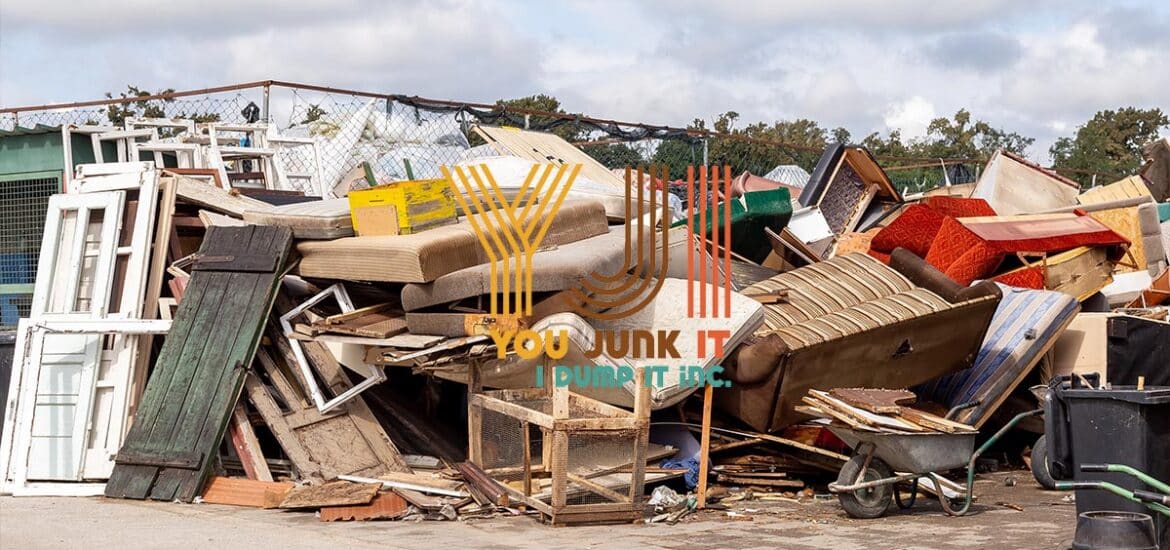
A common issue is the disposal of items too large for regular bins or those not accepted in municipal programs, such as construction debris or old furniture. When these larger items accumulate, they create clutter and can become difficult to remove without assistance. You Junk It… I Dump It offers efficient Edmonton junk removal services to address these situations.
| Item Category | Best for Edmonton Recycling Sort | Reason to Choose |
|---|---|---|
| Mixed Recyclables | Blue Bins or Eco Stations | Accepts common items like paper, cardboard, plastics (numbers 1-7), and cans. |
| Organics | Green Bins | For food scraps, yard waste, and compostable packaging to reduce landfill waste. |
| Hazardous Waste | Eco Stations | For paints, chemicals, and electronics that require special handling. |
| Large or Unaccepted Items | You Junk It, I Dump It|You Junk It… I Dump It | Provides convenient pickup for items beyond curbside collection limits. |
FAQ
To help you navigate the nuances of Edmonton recycling sort, we’ve compiled answers to some common questions about preparing items for collection and understanding what belongs where.
| Question | Answer |
|---|---|
| How should I prepare glass bottles and jars for Edmonton recycling? | Glass bottles and jars should be rinsed before being placed in your blue bag or bin. Labels can remain on the glass. This helps maintain the quality of the recycled material at the sorting facility. |
| What should I do with plastic bags and film not accepted in Edmonton’s curbside recycling? | Standard plastic grocery bags, cling wrap, and other flexible plastics are not accepted in Edmonton’s curbside recycling program. These items can tangle machinery at sorting facilities. For disposal, they should go in your regular garbage bin. |
| When is it advisable to use professional junk removal services in Edmonton for waste disposal? | Professional junk removal services are recommended for items that do not fit standard curbside collection, such as bulky furniture, appliances, or renovation debris. These services can also manage large volumes of mixed waste or when you have time constraints. |
| Can ceramics and dishes be recycled with glass in Edmonton? | No, ceramics and dishes cannot be recycled with glass in Edmonton. While they are made of glass-like materials, they have different melting points and chemical compositions, making them unsuitable for the standard glass recycling stream. |