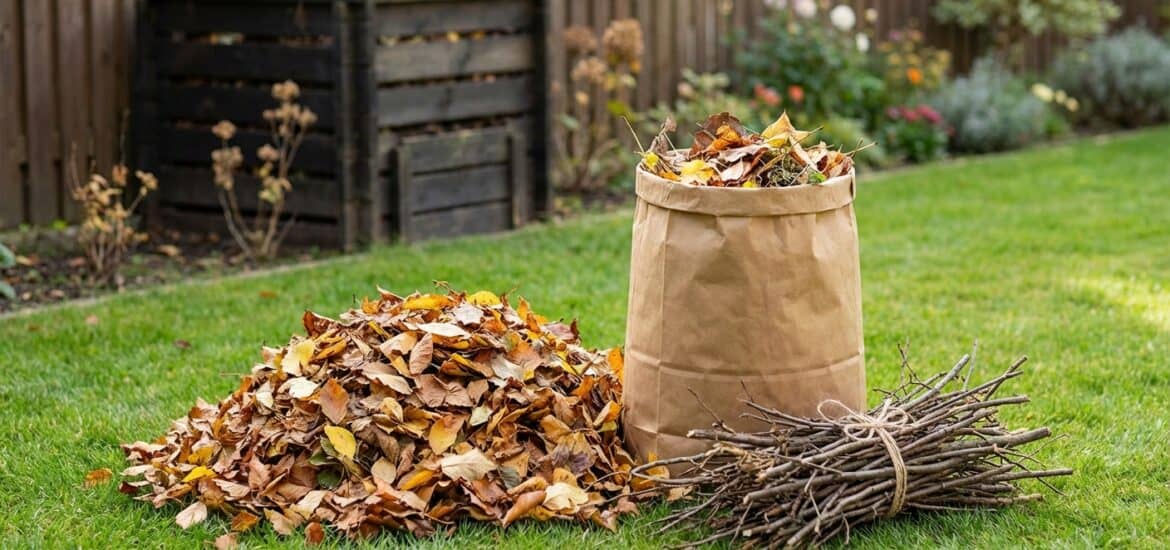
Bag of fallen autumn leaves with a pile and bundled twigs on a lush green lawn, ready for composting or yard cleanup.
Categories General

How to Dispose of Yard Waste

Getting Started with Yard Waste Disposal

Effectively managing yard waste is crucial for maintaining a tidy property and preventing environmental issues. This guide will walk you through the essential steps and considerations for proper yard waste disposal, ensuring you choose the most suitable method for your needs.

Understanding the different approaches to yard waste disposal empowers you to make informed decisions. From curbside pickups to composting, various options cater to different volumes and types of organic debris. We’ll explore these in detail to help you get started on the right foot.

Properly disposing of your yard waste not only keeps your home looking its best but also contributes to greener practices. Whether you’re dealing with leaves, branches, or grass clippings, there’s an efficient and responsible way to handle it. Learn more about Edmonton yard waste pickup and other disposal solutions.

Understanding Yard Waste Disposal Options

When it comes to getting rid of yard waste, you have several effective options to consider. Each method comes with its own set of advantages and disadvantages, making it important to select the one that best aligns with the amount of waste you generate, your budget, and your environmental preferences.

Exploring these varied disposal methods can significantly simplify your yard cleanup process. From convenient municipal services to more hands-on composting, there’s a solution for every household’s needs. For a comprehensive overview of waste management in the city, consult our Edmonton waste sorting guide.

Choosing the right disposal method can save you time and effort. Consider the volume of waste you typically produce and how often you need disposal services. For larger projects or more frequent needs, private services might be a better fit, while regular maintenance can often be handled by municipal programs. Learn about Edmonton junk disposal options for a broader understanding of waste management.

Disposal MethodProsConsBest For
Municipal PickupConvenient, often included with taxes.Limited schedules, size restrictions.Regular, moderate yard waste amounts.
Private ServicesFlexible scheduling, handles larger volumes.Can be more expensive.Large cleanups, frequent needs.
CompostingReduces landfill waste, creates valuable soil amendment.Requires space, time, and effort.Environmentally conscious, home gardeners.

How to Prepare Yard Waste for Disposal

Proper preparation is key to ensuring your yard waste is accepted by disposal services and processed efficiently. Following these guidelines will help you avoid common mistakes and streamline the entire disposal process.

Sorting Your Yard Debris

The first step in preparing your yard waste is to sort it correctly. This ensures that different types of organic matter are handled appropriately, whether they are destined for composting, mulching, or specific disposal streams.

Understanding what constitutes yard debris is essential for proper sorting. This typically includes grass clippings, leaves, small branches, and garden trimmings. For more specific guidance on branches, refer to our tips on tree branches in green bin disposal.

Bagging vs. Bundling

How you contain your yard waste depends on the disposal method you choose and local regulations. Both bagging and bundling have their place in yard waste management.

Bagging is often required for smaller yard waste items like leaves and grass clippings, ensuring they are contained and easy for collection services to handle. Bundling is typically reserved for larger, woody materials such as branches and brush, which need to be secured for transport and processing.

What Not to Include

It’s just as important to know what not to put in your yard waste bins or piles. Including prohibited items can lead to your collection being rejected or incurring fines.

Prohibited items often include soil, rocks, treated lumber, plastics, and food waste. These materials can contaminate the compost or recycling process, or damage equipment at processing facilities. Always check your local guidelines, like those found in the Edmonton waste sorting guide, to be sure.

Local Yard Waste Disposal Services and Facilities

Finding the right local yard waste disposal services and facilities is crucial for effective and compliant waste management. Municipalities and private companies offer various options to suit different needs and volumes of yard debris.

Exploring these options can help you identify the most convenient and cost-effective solutions for your property. Whether it’s a regular curbside pickup or a convenient drop-off location, knowing your local resources is key to efficient yard cleanup. For details on collection schedules and services, see the Edmonton yard waste pickup guide.

Our team understands the importance of timely and proper yard waste disposal for maintaining community aesthetics and environmental health. We recommend familiarizing yourself with your local waste management authority’s guidelines to ensure compliance. A quick look at Edmonton waste sorting guide can provide valuable insights.

  • Municipal Drop-off Sites: Many cities offer designated locations where residents can bring yard waste free of charge or for a small fee. These sites are ideal for larger quantities that exceed curbside pickup limits.
  • Private Junk Removal Services: For extensive cleanups or when you need immediate removal, professional junk removal companies can haul away large amounts of yard waste. This is often a more expensive but highly convenient option.
  • Community Composting Programs: Some areas have community composting initiatives that accept yard waste, turning it into valuable compost for local use.

Our experience serving the regional area has shown that understanding local yard waste disposal regulations is key to efficient cleanup.

Composting and Mulching: Sustainable Yard Waste Solutions

Embracing composting and mulching offers environmentally friendly ways to manage your yard waste, transforming organic materials into valuable resources for your garden and reducing the burden on landfills.

These sustainable practices not only benefit your landscape by enriching the soil but also significantly cut down on the volume of waste sent for disposal. Learning how to compost effectively can be a rewarding experience for any homeowner. For tips on handling specific items like branches, check out our guide on tree branches in green bin disposal.

Composting involves breaking down organic matter into nutrient-rich soil, while mulching involves covering the soil with a layer of material to retain moisture, suppress weeds, and improve soil health. Both methods are excellent for managing leaves, grass clippings, and plant trimmings. You can find more information on waste sorting in our Edmonton waste sorting guide.

Yard Waste Disposal Costs and Fees

Understanding the potential costs associated with yard waste disposal is essential for effective budgeting of your property maintenance. Different methods come with varying fee structures, from free municipal services to charges for private hauling. For instance, renting a bin can be a cost-effective solution for larger cleanups; learn more about 20 vs 30 yard bin rental options.

While some options are included in your property taxes, others involve direct payments based on volume, frequency, or service type. For instance, using a private junk removal service for large amounts of debris will typically incur a fee, as detailed in our Edmonton junk disposal options.

It’s important to compare the costs of different disposal methods against the convenience and service provided. Knowing these potential expenses can help you plan your yard cleanup projects more efficiently. Information on general dump fees can be found in our Edmonton dump fees, recycle, compost, or dump guide.

What to Do with Large Amounts of Yard Debris

Handling substantial volumes of yard debris, such as after a storm or a major landscaping project, requires a different approach than routine yard waste disposal. Specialized services and larger containers are often necessary for these situations.

For significant amounts of yard waste, consider renting a larger bin or contacting a professional waste removal service. Many companies offer various bin sizes, such as 20 vs. 30-yard bins, to accommodate large projects.

When faced with extensive yard debris, it’s crucial to plan ahead to ensure efficient and compliant removal. This might involve coordinating with your municipal services for special pickups or hiring a private hauler equipped for large-scale removal. Our guide to Edmonton yard waste pickup can offer additional insights.

Regulations and Restrictions for Yard Waste Disposal

Adhering to local regulations and restrictions is paramount for proper yard waste disposal. These rules are in place to ensure efficient waste management systems and protect the environment.

Familiarizing yourself with these guidelines can prevent potential fines and ensure your yard waste is processed correctly. For example, knowing what can and cannot go into your green bin is essential, as detailed in the Edmonton waste sorting guide.

Common restrictions include limits on the types of materials accepted, maximum weights or volumes for collection, and specific requirements for bagging or bundling. Always consult your local waste management authority for the most current and accurate information regarding yard waste disposal regulations. Understanding Edmonton yard waste pickup requirements is a good starting point. For very large amounts of debris, consider renting a larger bin.

Mastering Yard Waste Disposal for a Cleaner Property

Effectively managing your yard waste is a key component of property maintenance, contributing to a cleaner, healthier, and more attractive living space. By understanding the various disposal methods, preparation techniques, and local regulations, you can ensure your yard cleanup efforts are both efficient and environmentally responsible.

Implementing a consistent approach to yard waste disposal not only keeps your property tidy but also supports broader community and environmental goals. Whether you choose municipal services, private hauling, or sustainable options like composting, informed choices lead to better results.

We encourage you to utilize the resources available, such as our Edmonton yard waste pickup guide and Edmonton waste sorting guide, to master your yard waste disposal strategy and maintain a beautiful, well-kept property year-round. For larger projects, consider exploring 20 yard bin rental options to manage significant amounts of debris efficiently.

© 2023 Your Company Name. All rights reserved.

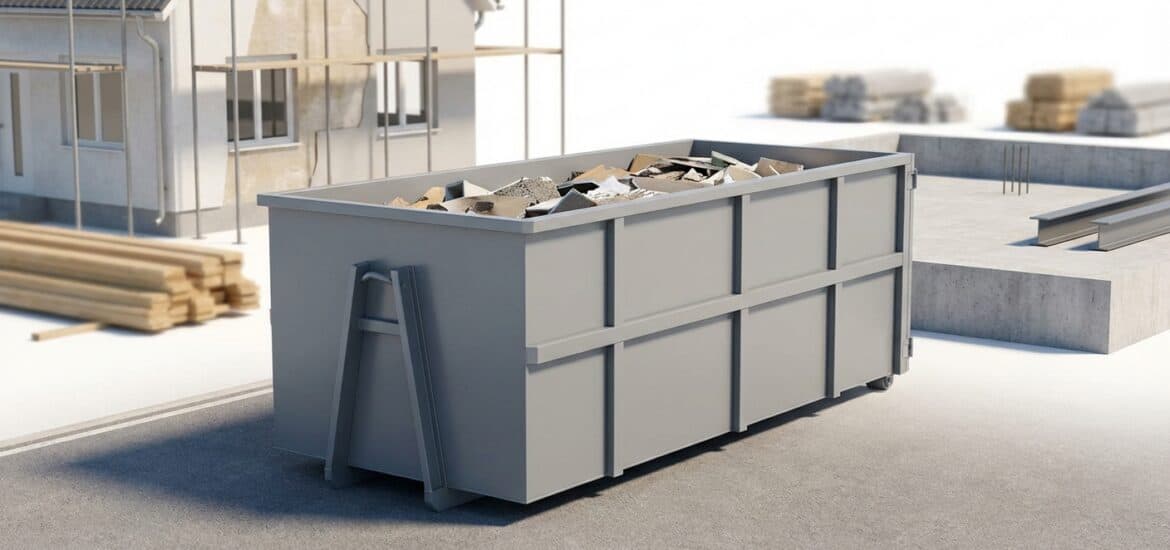
A large gray waste container filled with construction debris at an active building site, with stacks of wood and concrete structures in the background.
Categories General

Small Dumpster Rental Guide

Your Guide to Dumpster Rentals

A dumpster rental is a fundamental service for effectively managing waste generated by various projects, from minor home cleanouts to extensive construction endeavors. Understanding the process and benefits of renting a dumpster ensures that your project proceeds smoothly and efficiently, without the added stress of improper waste disposal. This guide aims to demystify dumpster rentals, providing you with the knowledge to select the right solution for your needs.

When undertaking any project that produces a significant amount of debris, a dumpster rental becomes an indispensable tool. It offers a convenient and contained method for collecting and removing unwanted materials, keeping your workspace clean and safe. Whether you’re embarking on a renovation, clearing out a cluttered garage, or managing demolition waste, a dumpster rental is often the most practical and cost-effective waste management strategy available. For larger projects, understanding the differences between various bin sizes, such as the 20 cubic yard bin, can be crucial for efficient waste management.

This comprehensive guide will walk you through everything you need to know about dumpster rentals, including when you might need one, how to choose the correct size, understanding costs, and the simple steps to secure your rental. By leveraging the information provided, you can confidently arrange for a dumpster rental that perfectly suits your project’s requirements, ensuring a hassle-free cleanup and disposal process. Explore resources on junk removal services and learn valuable waste management tips to complement your dumpster rental needs. For specific project needs, consider the benefits of a 20 cubic yard bin.

What is a Dumpster Rental and When Do You Need One?

A dumpster rental involves the temporary placement of a large waste container at your property for the duration of a project. These containers, often referred to as roll-off dumpsters, are designed to hold substantial amounts of debris, making them ideal for situations where standard trash bins are insufficient. Renting a dumpster streamlines the disposal process, allowing you to focus on completing your project rather than worrying about waste accumulation.

There are numerous scenarios where a dumpster rental proves to be the most effective waste management solution. Identifying these situations is key to planning your project efficiently. From major renovations to simple decluttering, a dumpster rental can significantly simplify the cleanup process. For more insights, consider learning about bin rental vs. DIY dump runs.

  • Home Renovations: Projects like kitchen or bathroom remodels, or additions, generate considerable amounts of construction debris, drywall, old fixtures, and packaging.
  • Major Cleanouts: Whether it’s an attic, basement, garage, or an entire estate, large-scale cleanouts often produce more waste than can be handled by regular trash services.
  • Construction and Demolition: Building new structures or demolishing old ones creates substantial debris, including wood, concrete, metal, and asphalt, requiring a robust waste solution.
  • Yard Waste Removal: Large landscaping projects, tree removal, or significant yard cleanups can generate bulky organic waste that a dumpster rental can accommodate.
  • Moving or Downsizing: When preparing to move, you often uncover items you no longer need, and a dumpster can help clear out unwanted possessions efficiently.

Utilizing a dumpster rental for these occasions not only keeps your property tidy but also ensures that waste is disposed of responsibly. For further guidance, explore our waste management tips and discover the benefits of junk removal services when a dumpster isn’t the full solution.

Choosing the Right Dumpster Size for Your Project

Selecting the correct dumpster size is crucial for both cost-effectiveness and efficiency. Renting a dumpster that is too small can lead to costly additional pickups or overflow, while a dumpster that is too large might be an unnecessary expense. Carefully assessing the scope of your project and the type of debris you’ll be generating will help you determine the ideal container size.

Dumpster sizes are typically measured in cubic yards, and understanding what each size can accommodate is key. Many dumpster rental providers offer a range of sizes to suit diverse project needs. For smaller tasks, compact options are available, while larger renovations and construction projects will require bigger containers. Consider exploring 12 cubic yard bin options for lighter jobs, or investigate construction waste disposal solutions for more extensive work.

  1. 10-Yard Dumpster: Ideal for small projects like garage cleanouts, attic decluttering, small bathroom remodels, or minor landscaping debris. Typically holds about 3-4 truckloads of waste.
  2. 20-Yard Dumpster: A popular choice for medium-sized projects, including basement cleanouts, single-room renovations, deck demolitions, or significant yard waste removal. It can hold approximately 6-8 truckloads of debris.
  3. 30-Yard Dumpster: Best suited for larger home renovation projects, major landscaping jobs, whole-house cleanouts, or light commercial demolition. This size usually accommodates about 9-12 truckloads.
  4. 40-Yard Dumpster: The largest option, typically used for major construction projects, large-scale demolitions, commercial cleanouts, or extensive renovations. This can hold around 12-16 truckloads of waste.

Always err on the side of caution and consider a slightly larger size if you’re uncertain. Overfilling a dumpster can result in additional fees or safety hazards. Consulting with your dumpster rental provider about your specific project details can help ensure you select the most appropriate size. For general residential needs, a construction junk vs general junk removal guide can offer further clarity.

Understanding Dumpster Dimensions and Capacity

When you’re looking at different dumpster sizes, it’s important to understand not just the cubic yard capacity but also the physical dimensions. A 20-yard dumpster, for instance, might be longer and narrower than a 10-yard dumpster, which could be wider but shorter. Consider the space available at your property for placement, ensuring there’s enough room for the dumpster itself and for the delivery truck to maneuver.

Matching Dumpster Size to Debris Type

The type of material you’re disposing of also influences the dumpster size you’ll need. Bulky, lightweight items like insulation or cardboard might fill up a dumpster quickly by volume, even if they aren’t very heavy. Conversely, dense materials like concrete or bricks are very heavy, and while a dumpster might hold a smaller volume of them, you could quickly reach weight limits imposed by the rental company. Always confirm weight restrictions for the dumpster size you choose.

How to Estimate Your Waste Volume

Estimating your waste volume accurately is key to selecting the right dumpster size. For smaller projects, like a garage cleanout, a 12 cubic yard bin might suffice, but for larger renovations or whole-house cleanouts, you’ll likely need a bigger option. Consider the overall scope of your project and the types of materials you’ll be discarding to make an informed decision.

To get a rough estimate of your waste volume, consider the size of the area you’re clearing and the nature of the materials. For renovations, measure the square footage of the room and estimate the depth of debris. For cleanouts, visualize the amount of clutter. It can be helpful to measure a typical load you might put in your car or a standard trash bin and then extrapolate that to the total project volume. Many providers offer online tools or consultation to help with this estimation.

Consider Future Waste Generation

If your project is ongoing, think about how much waste you anticipate generating over its entire duration. It might be more economical to rent a larger dumpster once than to have multiple smaller dumpster rentals. However, if you have a clear end date and a manageable amount of waste, a smaller, more frequent rental might be sufficient. Planning ahead prevents unexpected waste management challenges.

Consulting with Your Rental Provider

When in doubt, it’s always best to consult with your rental provider. They can offer expert advice on the appropriate bin size for your project, helping you avoid over or underestimating your needs. Discussing your project details with them can lead to more efficient and cost-effective waste management solutions, and they can help you understand your options for Edmonton junk disposal.

The best way to ensure you choose the right dumpster size is to communicate clearly with your dumpster rental provider. Describe your project in detail, including the type and estimated volume of waste. They have the expertise to recommend the most suitable dumpster size, preventing you from making a costly mistake and ensuring efficient waste removal. Explore options for dumpster rental pricing to better understand costs.

Dumpster Rental Costs: Factors and Estimates

The cost of a dumpster rental can vary significantly based on several key factors. Understanding these elements will help you budget effectively for your project and avoid unexpected charges. Rental companies typically base their pricing on the dumpster size, the duration of the rental, your location, and the type of waste being disposed of. It’s always wise to get detailed quotes from multiple providers.

Beyond the basic rental fee, other charges can influence the final price. These may include landfill fees, fuel surcharges, or fees for exceeding weight limits or keeping the dumpster longer than agreed upon. Some materials, like heavy debris or hazardous waste, may incur special disposal fees. Researching dumpster rental pricing and junk removal costs can provide a baseline for your expectations.

Cost FactorImpact on PriceNotes
Dumpster SizeHigherLarger dumpsters cost more due to greater capacity and transportation requirements.
Rental DurationHigherDaily or weekly rates apply; longer rental periods increase the overall cost.
LocationVariableProximity to landfills and local disposal regulations can affect pricing.
Type of WasteVariableHeavy materials (concrete, dirt) or hazardous waste may incur additional disposal fees.
Delivery & Pickup FeesFixed or VariableSome companies include these; others charge separately.
Overweight FeesHigherExceeding weight limits results in substantial extra charges.
Extended Rental FeesHigherKeeping the dumpster beyond the agreed-upon period incurs daily or weekly charges.

To ensure you’re getting the best value, inquire about what is included in the base price and what potential additional fees might apply. Understanding these details upfront can prevent surprises. Consider exploring waste management tips to optimize your disposal strategy and potentially reduce costs.

How to Rent a Dumpster: A Step-by-Step Guide

When considering dumpster sizes, it’s helpful to understand the differences between common options, such as a 20 cubic yard bin, to ensure you select the most appropriate one for your project’s needs.

Renting a dumpster is a straightforward process designed to be convenient for homeowners and contractors alike. By following a few simple steps, you can ensure you secure the right container for your project’s needs without any hassle. Our team has extensive experience in facilitating seamless dumpster rentals, making the process as efficient as possible for our clients.

The journey to a clean project site begins with understanding your waste disposal requirements and selecting the appropriate dumpster. From initial inquiry to final pickup, each step is designed for ease and clarity. For a comprehensive overview, refer to our guide on how to rent a dumpster, which details the entire process from start to finish.

  1. Assess Your Project Needs: Determine the type and estimated volume of waste your project will generate. Consider the dumpster sizes available and choose one that appropriately fits your needs.
  2. Contact Dumpster Rental Providers: Research local and national companies. Get quotes from several providers to compare pricing, rental terms, and available dumpster sizes.
  3. Request a Quote and Confirm Details: Provide details about your project, desired dumpster size, and rental duration. Ask about any potential additional fees, such as for overweight loads or extended rental periods.
  4. Schedule Delivery: Once you’ve selected a provider and confirmed the details, schedule a convenient delivery date and time for your dumpster. Ensure you have a clear, accessible location for placement.
  5. Fill the Dumpster Responsibly: Place waste inside the dumpster, adhering to any weight limits and guidelines on prohibited items. Avoid overfilling the container.
  6. Schedule Pickup: When you’re finished with the dumpster, contact the rental company to arrange for its removal. Ensure all waste is contained and the area around the dumpster is clear.

Following these steps ensures a smooth and efficient rental experience. For those undertaking significant cleanouts, understanding how to prepare for a junk removal service can also be beneficial. Planning for a residential dumpster rental ahead of time is always recommended.

Preparing Your Site for Dumpster Delivery

Before the dumpster arrives, it’s essential to prepare the delivery area. Ensure there is a clear, flat space, ideally on a driveway or level ground, where the dumpster can be safely placed. Remove any obstacles like vehicles, furniture, or debris that might hinder the delivery truck’s access or the dumpster’s placement. This preparation saves time and prevents potential damage to your property.

Understanding Rental Agreements and Terms

Always review the rental agreement carefully before signing. Pay close attention to the rental period, included mileage, weight limits, prohibited items, and any fees associated with early termination or extending the rental. Understanding these terms will help you avoid misunderstandings and unexpected charges. Don’t hesitate to ask the rental company to clarify any points you’re unsure about.

Tips for Efficient Dumpster Loading

Maximize the space in your dumpster by loading materials efficiently. Break down large items like furniture or lumber if possible. Place heavier, denser items at the bottom and fill in with lighter materials. Distribute the weight evenly to avoid exceeding the dumpster’s weight limit on one side, which can also make removal difficult. Avoid mixing prohibited items with general waste.

What to Do When the Dumpster is Full

Once the dumpster is full, or you’ve reached the end of your rental period, contact the rental company to schedule a pickup. It’s important to do this in advance, as same-day pickups may not always be available. Ensure the dumpster is accessible for the removal truck and that no materials are blocking the doors or are piled higher than the rim.

Finalizing the Rental and Billing

After the dumpster has been picked up, the rental company will typically finalize the billing. This may involve weighing the contents and charging for any overages in weight or rental duration. Review your final invoice carefully to ensure it matches the agreed-upon terms and charges. If you have any questions, contact the rental company promptly.

What Can and Cannot Go in a Dumpster?

Understanding what can and cannot go into your dumpster is crucial for a smooth rental experience and to avoid extra fees. Generally, most household waste, construction debris, and yard waste are acceptable, but there are specific items that are prohibited. Always check with your rental company about their specific policies. For example, hazardous materials like paint, chemicals, batteries, and electronics often require special disposal methods. Similarly, items like tires, mattresses, and appliances may have additional charges or restrictions. For a comprehensive guide on waste sorting in Edmonton, consult the Edmonton waste sorting guide to ensure you are disposing of items correctly.

Understanding the restrictions on what can and cannot be placed in a dumpster rental is crucial for safe and legal disposal. Each dumpster rental company will have specific guidelines, but generally, certain hazardous materials and items require special handling and cannot be included with regular waste. Familiarizing yourself with these rules prevents potential fines and ensures proper waste management.

Most dumpsters are designed for common household, construction, and yard waste. However, placing prohibited items in the dumpster can lead to significant extra charges or refusal of service. Always consult your rental provider for their definitive list of accepted and prohibited materials to ensure compliance. For broader waste disposal knowledge, explore Edmonton waste sorting.

  • Hazardous Waste: Includes items like chemicals, pesticides, solvents, automotive fluids, paints (unless dried), and batteries. These require specialized disposal methods due to their environmental and health risks.
  • Electronics (E-waste): Items such as computers, televisions, cell phones, and other electronic devices often contain recyclable materials and heavy metals that need separate disposal.
  • Tires: Most landfills and dumpster services prohibit whole tires due to their bulk and potential to trap methane gas.
  • Appliances: Refrigerators, freezers, air conditioners, and other appliances often contain Freon or other regulated substances that must be removed by certified technicians before disposal.
  • Medical Waste: Items like needles, sharps containers, and biohazardous materials cannot be placed in standard dumpsters and require specific medical waste disposal protocols.
  • Asbestos: This is a highly regulated material that requires professional abatement and disposal services.

Accepted materials typically include general household trash, construction debris (wood, drywall, metal, concrete, asphalt), furniture, and yard waste (leaves, branches, grass clippings). For clarity on what your specific project might entail, our Edmonton junk removal page offers additional insights. Always refer to your dumpster rental provider’s guidelines for the most accurate information. Learning about waste management tips can also be beneficial.

Local Dumpster Rental Companies vs. National Providers

When you need a dumpster rental, you have the choice between using a local provider or a large national company. Both options have their advantages and disadvantages, and the best choice often depends on your specific project needs, budget, and desired level of service. Understanding these differences can help you make an informed decision for your waste management requirements.

Local dumpster rental companies often provide a more personalized service. They are familiar with local regulations and landfill procedures, which can sometimes translate into smoother logistics and potentially lower costs due to reduced overhead. They might also be more flexible with rental periods or specific pickup requests. Exploring why choosing local matters can reveal cost-effective solutions.

FeatureLocal CompaniesNational Providers
Customer ServiceOften more personalized and responsiveCan be standardized, sometimes less flexible
PricingPotentially more competitive for smaller jobsMay offer volume discounts, but can be higher for small needs
AvailabilityMay have limited inventory or service areasWider network, often more readily available
LogisticsFamiliarity with local routes and landfillsEstablished logistics, but may have less local flexibility
FlexibilityCan be more adaptable to unique requestsOften adhere strictly to set terms and conditions

National providers, on the other hand, often have larger fleets and a broader service area, which can be advantageous for projects in diverse locations or when quick availability is critical. They may also offer more standardized online booking systems and transparent pricing structures. However, their size can sometimes mean less flexibility. For broader waste solutions, consider junk removal services. Understanding dumpster rental pricing from both types of providers is key.

Conclusion: Your Next Dumpster Rental

Effectively managing waste is a critical component of any successful project, and a dumpster rental provides a reliable and convenient solution. By understanding the different aspects of dumpster rentals—from selecting the right size and type of dumpster to knowing what can and cannot be disposed of—you can ensure your project proceeds smoothly and efficiently. Remember to weigh the benefits of local versus national providers to find the best fit for your needs.

Taking the next step towards a clean and organized project site is simple. Whether you’re embarking on a major renovation, a thorough cleanout, or a construction endeavor, a dumpster rental is an essential tool. We encourage you to use the knowledge gained from this guide to make an informed decision for your waste management requirements. Explore our resources on how to rent a dumpster and discover the ease of our residential dumpster rental services.

Ready to secure your dumpster rental? Contact us today to discuss your project and get a personalized quote. Our team is dedicated to providing efficient and affordable waste removal solutions to keep your project on track. For immediate assistance or inquiries, please visit our contact us page.


An illustration showing the contrast between cloud data transfer and mechanical gears representing data processing and automation.
Categories General

Junk Removal vs. DIY: Time Saver?

Junk Removal vs. DIY: Making the Smart Choice

When faced with a significant amount of clutter, deciding between hiring professional junk removal services and tackling the task yourself is a common dilemma. Both approaches have their merits, but understanding their differences is key to making the most efficient and cost-effective choice for your specific situation. This guide will break down the pros and cons of each to help you decide.

Opting for junk removal services can significantly save you time and physical exertion, especially for larger or more challenging cleanouts. These professionals handle everything from lifting and loading to transportation and disposal, offering a streamlined solution. Conversely, a DIY approach allows for maximum control over the process and can potentially be cheaper if you have the necessary resources and time.

Ultimately, the best method depends on your priorities, budget, and the scale of the job. For a comprehensive understanding of your options, exploring resources like a DIY dump runs vs. junk removal comparison can provide valuable insights before you commit to a plan.

What Are Junk Removal Services and What Do They Do?

Junk removal services are professional companies dedicated to helping individuals and businesses declutter their spaces by hauling away unwanted items. These services typically encompass a wide array of needs, from clearing out old furniture and appliances to managing construction debris and estate cleanouts. The primary benefit of utilizing these services is the convenience and efficiency they bring to what can often be a daunting and labor-intensive task. For those considering a DIY approach, understanding the differences between bin rental and DIY dump runs can be crucial for managing your project effectively.

  • Full-Service Removal: Professionals handle all the heavy lifting, loading, and hauling away of items from wherever they are located on your property.
  • Item Variety: They can typically remove a broad spectrum of junk, including furniture, appliances, electronics, yard waste, construction debris, and general household clutter.
  • Responsible Disposal: Reputable services prioritize eco-friendly disposal methods, aiming to donate or recycle items whenever possible before resorting to landfill.
  • Time Efficiency: By employing experienced teams and specialized equipment, junk removal services can clear out large amounts of clutter much faster than an individual or group of friends.
  • Safety: Professionals are trained to handle potentially hazardous materials or awkward items safely, reducing the risk of injury to themselves and property damage.

Understanding the full scope of what junk removal services explained can offer is crucial for appreciating their value. When comparing options, it’s also helpful to consider how junk hauling versus dumpster rental stacks up for different projects.

How Much Do Junk Removal Services Cost?

The cost of junk removal services can vary significantly based on several factors, making it important to get detailed quotes. While hiring professionals incurs a fee, it’s often essential to compare this expense against the potential costs and time investment of a DIY approach. Understanding these financial aspects will help you make an informed decision about the most suitable disposal method for your needs.

Factors Influencing Junk Removal Costs

Several key elements determine the final price you’ll pay for junk removal services. These include the volume of junk, the type of items being removed, the location of the items within your property, and the disposal fees associated with certain materials. Additionally, the accessibility of your property can impact the labor involved and, consequently, the overall cost.

Comparing Junk Removal Costs to DIY Expenses

When considering a DIY approach, remember to factor in the cost of fuel, vehicle wear and tear, and your own time. For many, the convenience and efficiency of professional services outweigh the perceived savings of a do-it-yourself dump run, especially for larger projects where you might need to consider renting a 20-yard bin.

When considering a DIY junk removal project, it’s vital to account for all associated costs beyond just the labor. This includes potential rental fees for trucks or trailers, fuel expenses, dump fees, and the value of your own time and physical effort. Sometimes, what appears cheaper upfront can become more expensive once all DIY expenses are tallied, as detailed in a cost comparison of junk removal and DIY.

Estimating Your Junk Removal Budget

To effectively budget for junk removal, it’s advisable to gather quotes from multiple reputable providers. Many companies offer free, no-obligation estimates based on the amount of junk you need removed. Familiarizing yourself with junk removal pricing guides can also provide a clearer picture of what to expect.

When Should You Hire a Junk Removal Service?

There are numerous situations where engaging professional junk removal services proves to be the most practical and efficient solution. Recognizing these scenarios can save you considerable time, effort, and potential stress, ensuring that your decluttering project is handled effectively and responsibly. When the task at hand feels overwhelming or exceeds your capacity, professional help is often the best path forward.

  • Large-Scale Cleanouts: If you’re dealing with the contents of an entire home, garage, attic, or basement, professional services are equipped to handle the volume.
  • Heavy or Bulky Items: Appliances, large furniture pieces, exercise equipment, or pianos are difficult and potentially dangerous to move on your own.
  • Construction or Renovation Debris: Post-project cleanup involving materials like wood, drywall, concrete, and metal is a specialty of junk removal teams.
  • Hazardous or Special Disposal Items: While not all companies handle hazardous waste, many can remove items requiring special disposal, such as electronics or certain chemicals, safely.
  • Lack of Time or Physical Capability: If you have a demanding schedule or physical limitations, hiring professionals ensures the job gets done without undue burden on you.

For more insights, refer to when to hire junk removal, and explore other junk disposal options that might be suitable.

Choosing the Right Junk Removal Company

Selecting a reputable junk removal company is crucial for a smooth and satisfactory experience. Not all services are created equal, and taking the time to vet potential providers can prevent headaches down the line. Our team understands that clients often overlook key details when comparing companies, leading to unexpected costs or poor service.

When evaluating junk removal services, consider factors such as their pricing structure, insurance coverage, licensing, and customer reviews. A good company will be transparent about its fees and services, provide clear estimates, and demonstrate a commitment to responsible disposal practices. Asking about their experience with specific types of junk you need removed can also be very helpful.

For a deeper dive into making the best selection, consult resources on how to choose junk removal services. Comparing different providers based on these criteria will help you find the best junk disposal options for your needs.

What Items Can Junk Removal Services Take?

Professional junk removal services are equipped to handle a vast array of items, making them a versatile solution for various decluttering needs. From common household goods to more specialized materials, these companies aim to provide a comprehensive service. Understanding the scope of what they can take is essential when planning your cleanout, especially when comparing it to the limitations of a DIY effort.

General Household Junk

This category includes everyday items like old furniture, outdated electronics, clothing, books, toys, and general clutter that accumulates in homes. Most junk removal companies readily accept these items, offering a convenient way to clear out storage spaces, bedrooms, and living areas.

Appliances and Electronics

Large appliances such as refrigerators, washing machines, and ovens, as well as electronic waste like televisions, computers, and printers, can typically be removed. Reputable services will ensure these items are disposed of or recycled according to environmental regulations, as detailed in guides on items junk removal takes. For larger projects, consider options like renting a 20-yard bin.

Construction and Yard Waste

Junk removal companies are often the go-to for disposing of debris from home renovations or construction projects, including wood, drywall, concrete, bricks, and scrap metal. They can also handle yard waste like branches, leaves, and old landscaping materials, simplifying post-project cleanup and garden maintenance.

Specialty Items

Depending on the service provider, certain specialty items like mattresses, tires, or even hot tubs might be accommodated. It’s always best to confirm with the company beforehand, especially for items that may require special handling or incur additional disposal fees, such as guidance on common items people discard.

Item CategoryCommon ExamplesDisposal Notes for Junk Removal Services
FurnitureSofas, chairs, tables, mattresses, dressersCan be donated if in good condition; otherwise, recycled or landfilled.
AppliancesRefrigerators, ovens, washing machines, microwavesRefrigerants must be properly handled; often recycled for metal content.
Electronics (E-waste)Computers, TVs, printers, stereosRequires specialized recycling due to hazardous components.
Construction DebrisWood, drywall, concrete, metal, tilesCan often be recycled; large volumes may require special handling.
Yard WasteBranches, leaves, grass clippings, soilComposted or mulched when possible.
General ClutterBoxes, books, toys, clothing, decorDonated if usable; otherwise, sent to landfill.

Are There Free Junk Removal Options?

While the term “free junk removal” can be appealing, it’s important to understand what this typically entails and how it compares to paid services. True free junk removal is rare and often comes with caveats, unlike the predictable costs associated with professional junk haulers or the self-funded nature of DIY disposal.

Some organizations or charities may offer free pickup for specific items like furniture or appliances in good condition, primarily for donation purposes. Additionally, some municipalities offer periodic bulk item pickup days where residents can place certain items curbside for free collection. However, these options are usually limited in scope and frequency.

For a more comprehensive understanding of alternative solutions, exploring free junk removal options and the benefits of donating unused items can provide valuable context. Understanding your options for Edmonton junk disposal can help you make an informed decision.

The Environmental Impact of Junk Removal

The environmental impact of disposing of unwanted items is a significant consideration, whether you opt for professional junk removal services or a DIY approach. Reputable junk removal companies are increasingly focused on sustainable practices, aiming to minimize landfill waste through recycling and donation initiatives.

DIY disposal methods, while seemingly straightforward, can sometimes lead to less environmentally friendly outcomes if not planned carefully. Improper disposal of certain items, like electronics or hazardous materials, can harm the environment. Therefore, understanding eco-friendly disposal methods is crucial for both approaches, as highlighted in resources like eco-friendly junk removal guides and general recycling guides.

By choosing services that prioritize responsible disposal or by diligently researching proper DIY methods, you can ensure your decluttering efforts contribute positively to environmental sustainability.

© 2023 Your Company Name. All rights reserved.

Recycling paper and environmental sustainability concept with paper waste, green leaves, and a globe symbolizing global ecological efforts.
Categories General

How to Recycle Paper at Home

Your Guide to Paper Recycling at Home

Learning how to recycle paper at home is a fundamental step towards a more sustainable lifestyle. Effective paper recycling significantly reduces the demand for virgin timber and conserves precious natural resources. By understanding the process and its importance, you can make a tangible difference in environmental conservation.

The benefits of home paper recycling extend beyond resource preservation; they also contribute to energy savings and reduce greenhouse gas emissions associated with paper production. Embracing paper recycling is a simple yet powerful way to contribute to a healthier planet and support why recycling matters.

This comprehensive guide will walk you through the essentials of paper recycling at home, from understanding what can be recycled to the practical steps involved. We’ll explore the journey of paper through the recycling process, highlight common challenges, and underscore the significant advantages of participating in waste reduction strategies. For more on making eco-conscious choices, check out our tips on eco-friendly tips.

What is Paper Recycling?

Paper recycling is the process of collecting used paper products and reprocessing them into new paper-based materials. This practice is a cornerstone of modern waste management, transforming discarded paper into valuable resources. The primary goal of paper recycling is to minimize landfill waste and reduce the environmental impact of paper consumption.

Understanding what paper recycling entails is crucial for effective participation. It involves separating paper waste from other refuse, ensuring it can be efficiently processed into new goods. This cycle helps conserve forests, save water and energy, and reduce pollution, contributing to a more sustainable circular economy.

The significance of paper recycling cannot be overstated. It plays a vital role in resource management, lessening the strain on natural ecosystems. For a deeper dive into the advantages, explore the benefits of recycling and learn more about the recycling process explained. Additionally, discover what paper can be recycled, and for specific disposal questions, consult our Edmonton waste sorting guide.

The Paper Recycling Process: Step-by-Step

The journey of recycled paper is a fascinating transformation from discarded item to new product. This process, while complex, can be broken down into distinct stages, ensuring efficiency and quality in the final output. Understanding these steps helps appreciate the value of proper sorting and collection, as detailed in the Edmonton waste sorting guide.

  1. Collection and Sorting: Used paper is gathered from homes, businesses, and collection centers. It is then sorted by type and quality to remove contaminants and prepare it for the next stage. This initial step is critical for the efficiency of the entire process.
  2. Pulping: The sorted paper is mixed with water and chemicals in a large vat called a pulper. This process breaks down the paper into its basic fibers, creating a slurry known as pulp. Any remaining contaminants like ink, staples, or plastic are removed during this stage.
  3. Screening and Cleaning: The pulp is then passed through screens and cleaned to remove any remaining impurities, such as plastic fragments, glue, or small metal pieces. This ensures the pulp is pure enough for creating new paper products.
  4. Papermaking: The cleaned pulp is spread thinly onto large screens, where water is drained away, and the fibers begin to interlock. The wet mat of fibers is then pressed and dried using heated rollers to form new paper sheets.
  5. Finishing: The newly formed paper can then be finished, cut, and prepared for various uses, completing the recycling loop and contributing to waste management tips and our Edmonton waste sorting guide.

Collection and Initial Sorting

The recycling journey begins with the collection of paper waste from diverse sources, including residential curbside bins, commercial establishments, and dedicated drop-off centers. Once collected, this mixed paper stream undergoes an initial sorting process. This crucial step aims to separate recyclable paper from non-recyclable materials and to categorize the paper by grade, such as newspaper, cardboard, or mixed paper. This preliminary sorting is vital for preventing contamination and maximizing the value of the recovered paper fibers, laying the groundwork for efficient reprocessing.

Pulping and De-inking

Following sorting, the paper enters the pulping stage. Here, it is combined with water and chemicals in large vats and agitated to break it down into individual cellulose fibers, forming a slurry known as pulp. For many paper products, particularly those with printing, a de-inking process is employed. This involves using chemicals and air flotation to separate ink particles from the fibers. Effective de-inking is essential for producing high-quality recycled paper suitable for a wide range of applications, aligning with principles of waste sorting in Edmonton.

Cleaning, Screening, and Bleaching

Once pulped and de-inked, the resulting slurry undergoes further refinement through cleaning and screening processes. Mechanical screens and centrifugal cleaners remove any remaining contaminants, such as plastic coatings, staples, adhesives, or small debris, that may have escaped earlier stages. Some recycled paper grades may also undergo a bleaching process to achieve a brighter white appearance, although this is often minimized to reduce chemical usage. This thorough purification is key to producing recycled paper that meets quality standards for waste sorting.

Papermaking and Finishing

The purified pulp is then fed onto large screens where water is drained away, and the fibers begin to mat together. This wet sheet is then pressed between rollers to remove more moisture and subsequently passed through heated rollers to dry it completely. The resulting continuous sheet of paper can then be wound onto large rolls, cut into specific sizes, and prepared for use in manufacturing new products. This final stage closes the loop, demonstrating the effectiveness of junk removal services and contributing to overall recycling guidelines.

What Types of Paper Can Be Recycled?

Not all paper products are created equal when it comes to recycling. Understanding which items are suitable for your local local recycling guidelines is crucial for preventing contamination and ensuring the efficiency of the recycling process. Generally, clean paper and cardboard are highly recyclable, forming the backbone of successful paper recycling programs.

Contamination is a significant issue in recycling, and with paper, it often stems from food residue, grease, or non-paper materials attached to the paper products. Properly preparing your recyclables by ensuring they are clean and dry can make a substantial difference. For more on avoiding common pitfalls, consult resources on avoiding recycling contamination.

Below is a general guide to common paper items and their recyclability. Always check with your local waste management provider for specific instructions, as rules can vary. For further details, refer to articles on what paper can be recycled and general recycling guidelines.

Can Be RecycledTypically Cannot Be Recycled
Newspapers and insertsWax-coated paper (e.g., some milk cartons, frozen food boxes)
Magazines and catalogsPaper towels, tissues, and napkins (unless specifically labeled compostable and accepted)
Junk mail and envelopes (even with plastic windows)Paper contaminated with food or grease (e.g., pizza boxes with cheese/grease)
Office paper (printer paper, notebooks)Photos and photographic paper
Cardboard boxes (flattened)Carbon paper and thermal paper (e.g., receipts)
Paperboard (cereal boxes, tissue boxes)Laminated paper
Phone booksConstruction paper and shredded paper (unless collected separately and in a paper bag)

Common Challenges in Paper Recycling

Despite its widespread practice, paper recycling faces several persistent challenges that can impact its efficiency and effectiveness. One of the most significant hurdles is contamination. When non-paper items or soiled paper products are mixed into the recycling stream, they can compromise the quality of the recycled pulp, potentially leading to entire batches being rejected. Understanding what goes where is crucial for effective waste management.

Another challenge relates to the quality degradation of paper fibers with each recycling cycle. While paper can be recycled multiple times, its fibers become shorter and weaker with each pass, eventually limiting its reusability. This means that virgin pulp is still needed to maintain the quality and strength of new paper products, highlighting the importance of reducing overall paper consumption.

Economic factors also play a crucial role. The cost of collecting, sorting, and processing paper can fluctuate based on market demand for recycled materials and the price of virgin pulp. Ensuring a stable market for recycled paper products is essential for the long-term viability of paper recycling programs. For insights into overcoming these obstacles, explore recycling challenges and waste reduction strategies. Additionally, consider our eco-friendly junk removal tips.

Benefits of Recycling Paper

The advantages of recycling paper are numerous and far-reaching, impacting the environment, economy, and resource conservation. By participating in paper recycling, individuals and communities contribute directly to a more sustainable future. These benefits underscore the critical importance of making recycling a consistent habit.

Environmentally, recycling paper significantly reduces the need to harvest trees, thus preserving forests which are vital habitats for wildlife and crucial for absorbing carbon dioxide. It also conserves substantial amounts of water and energy compared to producing paper from raw materials. Our team has observed firsthand through why recycling matters campaigns the profound positive environmental shift that diligent paper recycling fosters.

Economically, recycling creates jobs in collection, processing, and manufacturing industries. It also reduces the costs associated with landfill management and the environmental cleanup of waste. For a comprehensive overview, explore the benefits of recycling and continue to adopt eco-friendly tips.

  • Conserves Natural Resources: Reduces the demand for timber, saving trees and preserving forest ecosystems.
  • Saves Energy: Producing recycled paper uses significantly less energy than manufacturing from virgin wood pulp.
  • Reduces Water Usage: The recycling process requires considerably less water compared to virgin paper production.
  • Decreases Pollution: Less air and water pollution is generated during the manufacturing of recycled paper.
  • Reduces Landfill Waste: Diverts paper products from landfills, extending their lifespan and reducing the need for new landfill sites.
  • Creates Jobs: Supports employment in collection, processing, and manufacturing sectors.

How to Recycle Paper at Home

Properly sorting your recyclables is key to maximizing the benefits of recycling. For guidance on what goes where, check out the Edmonton waste sorting guide.

Implementing paper recycling at home is straightforward and highly impactful. The key lies in understanding your local guidelines and consistently preparing your paper waste correctly. By following a few simple steps, you can ensure your efforts contribute effectively to the recycling stream and support broader waste reduction strategies.

Before you begin, it’s essential to familiarize yourself with what your local municipality accepts for recycling. This information is usually available on your waste management provider’s website or through informational mailers. Knowing these specifics prevents contamination and ensures your recyclables are processed correctly, aligning with essential Edmonton waste sorting guidelines.

This section provides a practical, step-by-step approach to home paper recycling. For additional recycling tips, including how to recycle other materials like plastics, explore our guide on how to recycle plastic and continue to integrate eco-friendly tips into your daily life.

Check Your Local Recycling Guidelines

The first and most crucial step in effective home paper recycling is to understand the specific rules set by your local waste management authority. Recycling programs vary significantly from one area to another, dictating precisely which types of paper can be collected and how they should be prepared. Some municipalities may accept a broader range of paper products, while others have stricter limitations to ensure purity in their recycling streams. It is highly recommended to visit your local government or waste hauler’s website to download or view their Edmonton waste sorting guide. This ensures you are sorting correctly and maximizing the effectiveness of your recycling efforts, directly contributing to successful recycling.

Prepare Your Paper Recyclables

Once you know what your local program accepts, the next step is proper preparation. Ensure all paper items are clean and dry. Remove any food residue, grease, or liquids, as these can contaminate entire batches of recyclables. For cardboard and paperboard items like cereal boxes, flatten them to save space in your bin and for easier transport. If your local guidelines permit, you can often place envelopes with plastic windows and junk mail directly into your recycling bin without special preparation. For shredded paper, some programs require it to be bagged in a clear plastic or paper bag, so always verify this detail. Diligent preparation is key to effective waste sorting.

Collection and Drop-off

The final step is to place your prepared paper recyclables in the designated recycling bin for curbside pickup or transport them to a local recycling drop-off center. If you have a curbside program, ensure your bin is placed out on your collection day according to your local schedule. If using a drop-off center, be mindful of their operating hours and accepted materials. Consistent participation in collection is vital for the continuous cycle of waste sorting and ensuring that paper can be given a new life through the recycling process.

The History of Paper Recycling

The practice of recycling paper is far from a modern invention; its roots stretch back centuries, demonstrating a long-standing human ingenuity in resource conservation. Evidence suggests that paper recycling first emerged in China around the turn of the 2nd century AD. This early adoption highlights a cultural value placed on making the most of available materials, a principle that remains relevant today.

Throughout history, the motivation for recycling paper has often been driven by scarcity and the desire to reduce waste. As paper production became more widespread, so did the need for efficient methods to reuse it. From simple household practices to more organized collection systems, the evolution of paper recycling reflects changing societal needs and technological advancements.

The formalization of paper recycling efforts gained significant momentum during wartime periods and periods of resource shortage. Today, it is a globally recognized practice, integral to environmental sustainability. For a broader context, explore the history of recycling and understand why recycling matters, incorporating eco-friendly tips into your routine.

Paper was first recycled in China around 103 AD, demonstrating a long history of resourcefulness.

Putting Paper Recycling into Practice

Successfully integrating paper recycling into your daily routine at home is achievable through consistent effort and mindful habits. By internalizing the steps and understanding the profound benefits, you become an active participant in a global movement towards sustainability. This practice not only reduces your household’s environmental footprint but also contributes to the conservation of valuable natural resources. For assistance with larger cleanups, consider Edmonton junk removal services.

Remember that the effectiveness of your recycling efforts is significantly amplified when everyone in the household participates. Educate family members on what can and cannot be recycled, and establish a convenient system for collecting paper waste. Making recycling a shared responsibility ensures that less paper ends up in landfills and more is channeled back into the production cycle.

As you continue to embrace paper recycling, consider exploring other avenues for sustainable living. Implementing eco-friendly tips and practicing effective waste reduction strategies can further enhance your positive impact. Always refer back to your local recycling guidelines to ensure your efforts are aligned with best practices.

Content copyright © 2023 Your Company Name. All rights reserved.

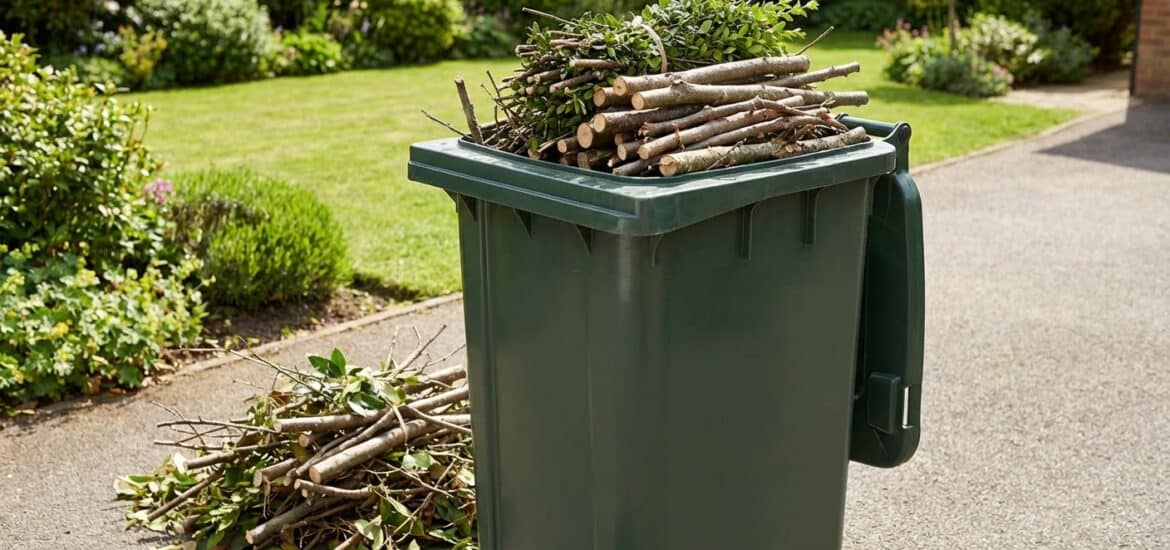
Green trash bin filled with collected garden branches and twigs for disposal or recycling.
Categories General

Tree Branches in Green Bin: Disposal Tips

Putting Tree Branches in Green Bins

Can branches go in the green bin? The answer often depends on your local waste management regulations, but many municipalities do allow certain types of tree branches in their green bin programs. Understanding these guidelines is crucial to avoid contamination and ensure efficient waste processing.

Generally, smaller, cut branches that fit within the green bin’s capacity are more likely to be accepted. Larger limbs or entire trees usually require different disposal methods, such as bulk waste pickup or professional removal services. Always check your local bylaws to confirm acceptance criteria for yard waste.

Properly preparing branches for the green bin can involve cutting them into manageable lengths and bundling them if required. This preparation makes them easier for collection trucks and processing facilities to handle, contributing to a more effective green bin system and reducing the likelihood of your bin being rejected. For larger amounts of yard waste, consider exploring Edmonton yard waste pickup options.

Disposal Options for Tree Branches

When faced with fallen tree branches, several disposal options are available, each with its own advantages and considerations. Choosing the right method depends on the volume of branches, local regulations, and your personal preferences for environmental impact and convenience. Comparing these options can help you make the most informed decision for your situation.

Disposal MethodProsCons
Green BinConvenient for small amounts, supports composting initiatives.Size and quantity limitations, may not be accepted everywhere.
Municipal Yard Waste CollectionDesigned for larger volumes than green bins, often free or low-cost.Scheduled pickups, specific preparation requirements (e.g., bundling).
Professional Removal ServicesHandles large volumes efficiently, safe for difficult removals, no preparation needed.Involves a cost, requires scheduling.

For those with significant yard waste, exploring options beyond the standard green bin is often necessary. Understanding how to manage junk and find appropriate disposal sites is key, and a comprehensive junk disposal guide can provide further details on managing larger disposal needs. Alternatively, specialized yard waste removal services are equipped to handle substantial amounts of branches and other organic debris.

Safe and Legal Branch Disposal

Proper disposal ensures you comply with local ordinances and avoid potential fines. For extensive cleanup projects, understanding Edmonton waste sorting practices is crucial for responsible disposal.

Disposing of tree branches safely and legally is essential to comply with local ordinances and protect the environment. Understanding the approved methods ensures that your yard waste doesn’t become a nuisance or a violation.

  • Curbside Pickup: Many municipalities offer specific yard waste collection days or seasonal pickups where branches can be left at the curb, provided they meet certain size and preparation requirements.
  • Municipal Drop-off Facilities: Local waste management centers or transfer stations often have designated areas for yard waste, allowing residents to bring branches directly.
  • Donation/Community Chipping: Some communities have programs where branches can be donated for public composting or mulching initiatives, or local services might offer chipping.

Complying with Municipal Guidelines

Each municipality has its own set of rules regarding yard waste disposal. These guidelines typically specify the maximum diameter and length of branches accepted, whether they need to be bundled, and the frequency of collection. Adhering strictly to these rules prevents your bin from being left behind or incurring fines, and understanding your needs can help you decide between a 20 vs 30 yard bin rental.

Preparing Branches for Collection

Proper preparation can make yard waste removal much smoother. For curbside pickup, branches often need to be cut to a specific length and tied in bundles. Some areas may have weight restrictions for each bundle. If you’re unsure about the specific requirements in your area, consulting your local waste management authority or reviewing their guidelines is a good first step, and you can also explore Edmonton yard waste removal for assistance.

Safe preparation involves cutting branches into manageable lengths, often no longer than four feet, and ensuring they are free of debris like rocks or excessive soil. For curbside pickup, some areas require branches to be tied into bundles with biodegradable twine to prevent them from scattering, and understanding the surprising benefits of junk removal can also contribute to home wellness.

When to Seek Professional Assistance

For very large branches, storm-damaged debris, or when disposal involves working at heights, professional removal is the safest and most efficient option. Services like Edmonton yard waste pickup are equipped to handle these situations legally and responsibly, and understanding whether bin rental or DIY dump runs are more time-efficient can help you plan accordingly.

Repurposing Tree Branches

Fallen tree branches aren’t always just waste; they can be transformed into useful and decorative items for your home and garden. Repurposing them reduces landfill waste and adds a natural, rustic touch to your surroundings.

  1. DIY Firewood: Smaller branches can be cut into lengths for firewood, perfect for fireplaces or outdoor fire pits. Ensure they are properly seasoned before burning.
  2. Garden Stakes and Trellises: Sturdier branches can be used as supports for plants, creating natural trellises for climbing vegetables or flowers.
  3. Edging for Garden Beds: Laid end-to-end, branches can create rustic borders for flower beds or pathways.
  4. Craft Projects: Smaller twigs and branches can be used for various crafts, such as making picture frames, decorative wreaths, or even small sculptures.
  5. Kindling: Dry, smaller branches are excellent for starting fires in wood stoves or campfires.

After helping numerous homeowners find solutions for fallen branches, our team has seen many creative ways they are repurposed. For more extensive yard waste management, consider exploring resources like a bulk waste removal guide.

Composting and Mulching Branches

Transforming tree branches into compost or mulch offers significant environmental benefits for your garden and the broader ecosystem. Both processes break down organic matter, returning valuable nutrients to the soil and improving its structure. For larger projects, understanding Edmonton waste sorting can be very helpful, and if you’re dealing with significant debris, you might find information on demolition cleanup made easy useful for your needs.

  • Nutrient Enrichment: Compost made from branches enriches soil with essential nutrients, promoting healthier plant growth.
  • Soil Moisture Retention: Mulch helps the soil retain moisture, reducing the need for frequent watering.
  • Weed Suppression: A layer of mulch acts as a barrier, preventing weed seeds from germinating.
  • Soil Aeration: Over time, decomposed branches improve soil aeration, allowing air and water to penetrate more easily.
  • Waste Reduction: Composting and mulching divert organic waste from landfills, reducing methane gas production.

To effectively compost or mulch branches, they typically need to be chipped or shredded into smaller pieces. This increases the surface area for decomposition. For large volumes, professional services offering yard waste removal can often provide chipping on-site.

Professional Tree Branch Removal

While some branches can be managed with standard disposal methods, there are clear indicators that professional assistance is the best course of action. Large volumes, safety concerns, or specific types of debris often necessitate expert handling to ensure efficiency and compliance. For instance, understanding bin rental vs. DIY dump runs can help you decide the most efficient disposal method.

For large volumes of branches or when safety is a concern, professional removal ensures efficient and compliant disposal.

  • Safety: Dealing with heavy, awkward branches, especially those high up or in confined spaces, poses significant risks of injury. Professionals have the equipment and training to manage these safely.
  • Efficiency: Professionals can clear large amounts of branches much faster than individuals, saving you considerable time and effort.
  • Equipment: They possess specialized tools like chippers, shredders, and heavy-duty vehicles necessary for large-scale removal.
  • Compliance: Expert services are knowledgeable about local disposal regulations, ensuring all waste is handled legally and responsibly.

If you’re facing a large cleanup or potentially hazardous situation, services like junk removal or specialized yard waste removal are invaluable resources.

Tree Branch Decomposition Times

The natural process of tree branch decomposition is a vital part of the ecosystem, returning organic matter to the soil. The time it takes for branches to break down varies significantly, influenced by several factors. Understanding how to manage waste effectively, whether it’s yard debris or general clutter, is key to a clean environment; explore Edmonton dump fees for proper disposal methods.

  • Wood Type: Hardwoods generally decompose more slowly than softwoods.
  • Size: Smaller twigs and branches break down much faster than thick limbs.
  • Environmental Conditions: Moisture, temperature, and the presence of fungi and insects accelerate decomposition. A damp, warm environment is ideal.
  • Contact with Soil: Branches in direct contact with the soil decompose faster due to microbial activity.

While small twigs might decompose within a year or two, larger branches can take several years, sometimes up to a decade or more, to fully break down. Understanding this process highlights the benefit of methods like chipping or composting, which significantly speed up the return of nutrients to the earth. For more information on managing large amounts of yard waste, a yard waste removal guide can be helpful.

Conclusion: Smart Branch Disposal

Effectively disposing of tree branches involves understanding your local guidelines, exploring various disposal methods, and considering the environmental impact. Whether using your green bin for small trimmings, scheduling municipal pickup for larger amounts, or opting for professional removal, responsible disposal is key.

Repurposing branches through DIY projects, composting, or mulching offers sustainable alternatives that benefit both your property and the environment. By making informed choices, you can manage fallen branches efficiently and responsibly, contributing to a cleaner community and healthier ecosystem.

For situations requiring professional assistance or comprehensive waste management solutions, our team is ready to help. You can learn more about our services or why choosing local matters for a consultation on your specific needs.

Frequently Asked Questions

Here are answers to common questions about disposing of tree branches, providing clarity on green bin usage, disposal methods, and related concerns. For more comprehensive information on managing yard waste, consult our Edmonton yard waste pickup guide. Understanding the difference between various bin sizes, such as a 12 yard bin versus a 15 yard bin, can also be helpful for larger projects.

QuestionAnswer
Can I put all tree branches in the green bin?Generally, only smaller branches that fit within the bin’s capacity and meet local regulations are accepted. Thick branches, logs, or entire trees typically require different disposal methods. Always check your local municipal guidelines.
What are the best alternatives if branches don’t fit in the green bin?Alternatives include municipal yard waste collection, taking branches to a local green waste disposal site, or hiring a professional removal service for larger volumes. For specific guidance on yard waste pickup in Edmonton, consult local yard waste services.
How should branches be prepared for municipal yard waste pickup?Preparation often involves cutting branches to a specific length (e.g., 4 feet), removing them from bags, and sometimes bundling them with biodegradable twine. Check your local authority’s requirements.
Is it legal to burn tree branches?Burning regulations vary significantly by location. Many areas have restrictions or require permits due to fire hazards and air quality concerns. It’s crucial to check local bylaws before considering burning.
How long does it take for tree branches to decompose naturally?Decomposition times vary based on branch size, wood type, and environmental conditions. Small twigs can break down in 1-2 years, while larger branches can take 5-10 years or longer to fully decompose.
1 2 3 9