

Waste Disposal Options in Toronto
When considering waste disposal, particularly for larger projects or cleanouts, understanding the available options in Toronto is crucial. Garbage bin rental in Toronto offers a dedicated solution for managing significant volumes of waste, distinguishing itself from standard municipal collection services. It provides a structured approach to handling debris from renovations, decluttering, or property cleanups, ensuring efficient removal.
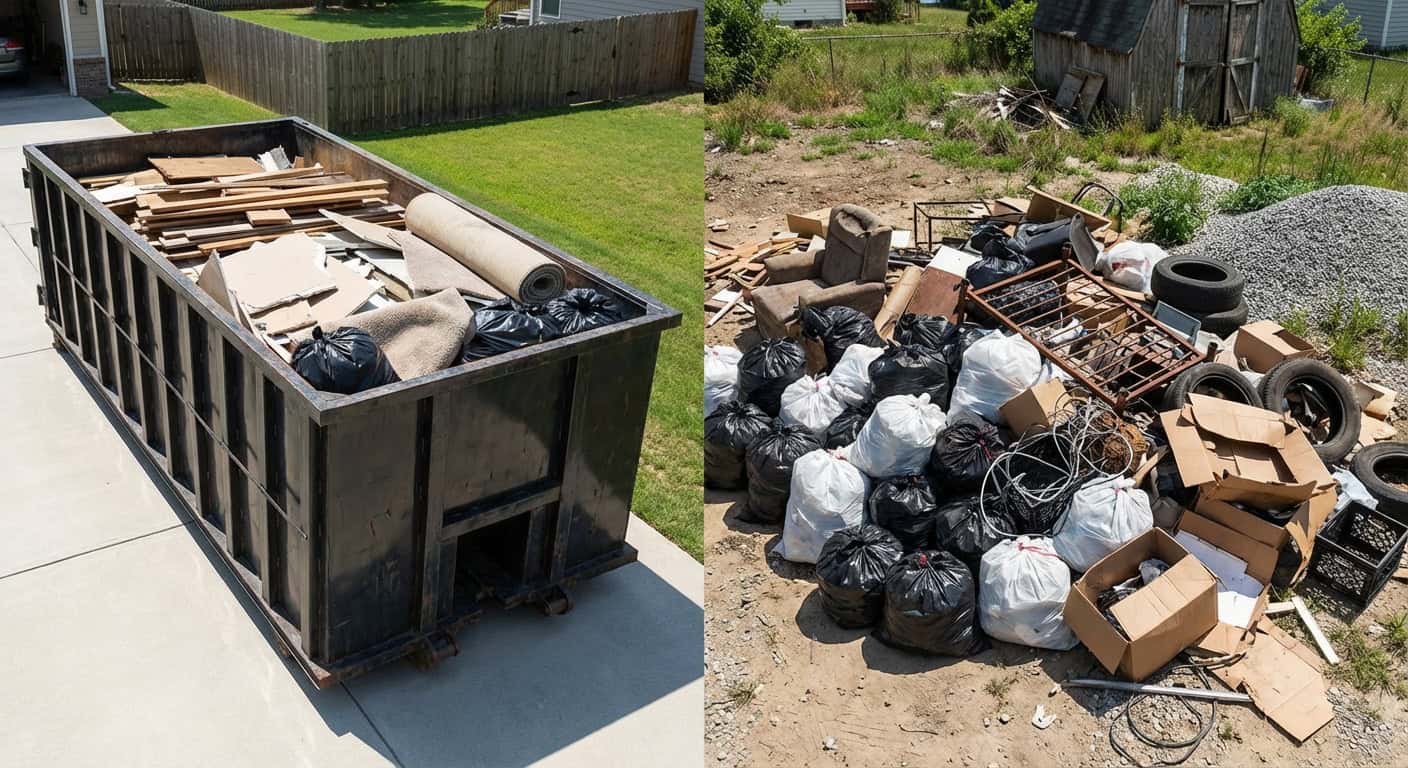
DIY dump runs, on the other hand, involve transporting waste directly to a landfill or transfer station yourself. While seemingly straightforward, this method often requires multiple trips, significant personal time, and the use of a suitable vehicle. Comparing these methods helps clarify the advantages each offers for various waste management needs, including understanding what you can put in your green bin, such as branches.
Our team at You Junk It provides comprehensive solutions for your waste disposal challenges. We offer professional junk removal services, specialized appliance removal, and expert advice through resources like our best practices for decluttering your home guide, aiming to make your cleanup process as smooth as possible.
What is a Dump Bin Rental?
A dump bin rental is essentially a large container, often referred to as a dumpster, that you can rent for a specified period to hold waste from a project. These bins come in various sizes, and choosing the right one depends on the scale of your cleanup. For instance, understanding the difference between a 15 yard bin rental and other sizes is key to efficient waste management.
A dump bin rental, often referred to as a dumpster rental, is a service that provides a large container delivered to your location for the disposal of waste. These bins come in various sizes, such as the 20 cubic yard bin, to accommodate different project scales. They are ideal for renovations, construction, large cleanouts, and any situation where you anticipate generating more waste than can fit in standard garbage bins.
A dump bin rental involves hiring a specialized container, often referred to as a dumpster or bin, which is delivered to your location for you to fill with waste. Once full, the rental company collects the bin and transports its contents for proper disposal or recycling. This service contrasts with DIY dump runs, where you are solely responsible for loading, transporting, and unloading all waste materials.
The primary difference lies in convenience and labor. With a dump bin rental, the heavy lifting and transportation are managed by the service provider. DIY dump runs require you to perform all these tasks yourself, often involving multiple trips to the landfill, which can be time-consuming and physically demanding. For larger projects, understanding bin sizing is crucial to ensure you select the appropriate container for your needs.
| Feature | Dump Bin Rental | DIY Dump Runs |
|---|---|---|
| Labor | Minimal loading required; company handles transport and disposal. | Full responsibility for loading, transport, and disposal. |
| Time Commitment | Generally less time-consuming, especially for large volumes. | Can be very time-consuming due to multiple trips. |
| Convenience | High; bin is delivered and picked up. | Lower; requires personal planning and physical effort. |
| Cost Structure | Flat fee for rental period, capacity, and disposal. | Fuel, landfill fees, vehicle wear-and-tear, and personal time. |
| Suitable For | Renovations, large cleanouts, construction debris, yard waste. | Small amounts of waste, single items, when time is abundant. |
For projects requiring significant waste removal, such as dumpster rental, or when dealing with specific items like old furniture from your how to dispose of old furniture in Toronto, a rental bin offers superior efficiency. Similarly, for extensive construction waste disposal, it streamlines the process.
When to Rent a Dump Bin
Renting a dump bin is the most effective solution for a variety of situations where substantial amounts of waste need to be managed efficiently and safely. It streamlines the disposal process, saving you considerable time and effort compared to making multiple trips to the dump yourself. For instance, if you’re dealing with a large volume of yard waste, understanding how to dispose of branches can help you decide if a bin rental is appropriate.
For large-scale home improvements, a dump bin is invaluable. This includes significant renovations, such as kitchen or bathroom remodels, where debris can quickly accumulate. You can utilize services like renovation cleanup to manage the waste generated.
Major decluttering projects also benefit greatly from a dump bin. Whether you are clearing out an attic, basement, or an entire home, a rental bin provides a single, convenient point for all unwanted items. Effective decluttering can be supported by following our seasonal cleaning tips for more.
Landscaping projects, such as extensive garden overhauls or tree removal, generate considerable organic and material waste that is perfectly suited for a dump bin. For example, our yard waste removal services can be complemented by a bin rental for larger debris.
- Major Renovations: Kitchen, bathroom, basement, or full-home renovations produce substantial construction and demolition debris.
- Large-Scale Decluttering: Clearing out hoarded items, preparing a house for sale, or down-sizing.
- Landscaping Projects: Garden renovations, significant tree trimming, or yard cleanups with large amounts of green waste and soil.
- Event Cleanups: Post-event waste management for large gatherings, parties, or community events.
- Disaster Recovery: Cleaning up after minor storm damage or property issues that generate significant debris.
Managing Renovation Debris
For contractors, understanding the best way to manage job site waste is crucial for efficiency and compliance. Our contractor’s guide to job site cleanup offers valuable insights into streamlining your waste disposal processes.
Event Waste Management
Large gatherings and events, whether they are community festivals, private parties, or corporate functions, can generate a significant amount of waste. From food packaging and disposable decorations to promotional materials, managing this debris efficiently is crucial for maintaining a clean and pleasant environment for attendees. A dump bin rental provides a practical solution for collecting and disposing of event waste, ensuring a hassle-free cleanup process. For guidance on sorting waste at events, check out our Edmonton waste sorting guide for more.
Hosting large events, parties, or community gatherings can result in a significant amount of temporary waste. Renting a dump bin can be an effective way to manage the refuse generated during and after the event, ensuring a quick and thorough cleanup. This is particularly useful for outdoor events where traditional waste receptacles may be insufficient. Consider these junk disposal options in Edmonton for your next event.
Choosing the Right Dump Bin Size
Selecting the correct dump bin size is crucial for both cost-effectiveness and efficiency. An undersized bin may require multiple rentals, while an oversized one incurs unnecessary costs. Understanding the typical sizes and their applications helps in making an informed decision for your specific waste disposal needs. For instance, a 20-yard bin is often suitable for medium-sized projects, and you can learn more about 20 vs 30 yard options in our 20 vs 30 yard bin rental guide.
- Small Bins (e.g., 4-6 cubic yards): Ideal for smaller projects like garage cleanouts, minor landscaping jobs, or small interior renovations. They are generally sufficient for general household debris and yard waste.
- Medium Bins (e.g., 10-15 cubic yards): Suitable for medium-sized projects such as kitchen renovations, single-room remodels, or larger yard cleanups. These bins can handle bulky items and a moderate amount of construction debris.
- Large Bins (e.g., 20-30 cubic yards): Best for extensive renovations, commercial cleanouts, major demolition projects, or large-scale landscaping operations. These bins are designed for significant volumes of waste, including construction materials and bulky furniture.
- Extra-Large Bins (e.g., 40 cubic yards): Reserved for the largest projects, such as complete building demolitions, major commercial cleanouts, or extensive roofing projects. These are the most capacious bins available for industrial or large residential undertakings.
When considering the volume of waste, think about the materials involved. For instance, heavy materials like concrete or dirt may require a specific type of bin, as detailed in our concrete removal services, and may have size limitations due to weight. Our dumpster rental service can help you determine the best fit, and our blog post on how to choose the right bin size provides further guidance.
How to Rent a Dump Bin
Renting a dump bin is a straightforward process designed for convenience and efficiency. By following a few simple steps, you can secure the right bin for your project and ensure a smooth waste disposal experience. Planning ahead is key to avoiding last-minute issues. For example, understanding Edmonton waste sorting rules can prevent additional fees.
- Determine Your Waste Volume: Assess the scope of your project to estimate the amount and type of waste you’ll generate. This will help you choose the appropriate bin size.
- Research Rental Companies: Look for reputable local providers offering dump bin rentals. Consider factors like pricing, bin sizes available, rental duration, and customer reviews.
- Contact for a Quote: Reach out to your chosen companies to get a quote based on your estimated waste volume and project timeline. Inquire about any potential additional fees.
- Book Your Rental: Once you have a quote and are satisfied with the terms, book your rental. Confirm the delivery date, time, and location.
- Prepare the Drop-off Site: Ensure the area where the bin will be placed is accessible for delivery and pickup, clear of obstructions, and compliant with any local regulations.
- Fill the Bin: Load the bin with your waste materials, adhering to any guidelines provided by the rental company regarding prohibited items.
- Schedule Pickup: Contact the rental company when the bin is full or your rental period is nearing its end to schedule the pickup.
Before booking, consider important factors such as understanding your local disposal regulations, the types of waste you will be disposing of (e.g., hazardous materials are often prohibited), and the necessary permits if placing the bin on public property. Our dumpster rental services are designed to be hassle-free, and our preparing for junk removal guide offers tips for a smoother process. You can always contact us with any questions.
Dump Bin Rental Costs
The cost of renting a dump bin can vary significantly based on several factors, including the size of the bin, the duration of the rental, the type of waste being disposed of, and your geographic location. Understanding these elements can help you budget accurately for your waste management needs.
Having served clients across the Toronto area for years, we’ve observed that factors like rental duration and waste type significantly impact the final cost of a dump bin rental. A longer rental period naturally increases the price, as does the disposal of heavier or more complex materials, which may incur higher landfill fees.
For instance, a standard 10-yard bin rented for 3 days for general household waste might cost approximately $300-$400. However, if that same bin is needed for 7 days or contains construction debris like concrete or heavy metals, the price could increase to $500-$600 or more due to disposal weight and potential sorting requirements. Specialized bins for specific waste types, like asphalt or dirt, can also carry different pricing structures.
To get a clear understanding of your specific costs, it’s best to request a detailed quote from your chosen provider. Our pricing page offers general information, and our dumpster rental services are competitively priced. For tips on managing waste disposal costs, consult our how to save money on junk removal guide.
- Bin Size: Larger bins cost more due to greater capacity and weight limits.
- Rental Duration: Daily, weekly, or monthly rental rates apply; longer periods increase overall cost.
- Waste Type: Disposal fees vary; heavier materials (concrete, metal) or hazardous waste often incur higher charges.
- Location: Landfill fees and transportation costs can differ by region.
- Tonnage: Some rentals charge based on weight (tonnage) if a weight limit is exceeded.
What Goes in a Dump Bin?
Understanding what can and cannot be placed in a dump bin is essential for responsible waste disposal and to avoid potential fines or additional charges from your rental provider. While dumpsters are versatile, certain materials are strictly prohibited due to safety, environmental, or regulatory reasons.
Generally, dump bins are suitable for a wide range of common household and construction waste. This includes items like old furniture, appliances (if handled correctly), renovation debris such as wood, drywall, and metal, as well as yard waste like branches and leaves. For specific debris removal needs, explore our debris removal options.
However, hazardous materials are a major concern and are typically not permitted. This category includes items like batteries, paints, solvents, chemicals, asbestos, medical waste, and flammable liquids. Proper disposal of these items requires specialized handling, as detailed in our guide on what is hazardous waste for more.
Construction sites often generate specific waste streams. While concrete, wood, and metal are common, regulations around asbestos, chemicals, and certain treated materials must be followed. Consult our construction waste disposal guide for more specifics, including information on yard waste removal in Edmonton for more.
Acceptable Waste Materials
Dump bins can accommodate a broad spectrum of non-hazardous waste. Common materials include general household trash, furniture, construction and demolition debris (like wood, drywall, concrete, bricks, and metal), yard waste (grass clippings, leaves, branches), and recyclable materials such as cardboard and plastics, provided they are sorted according to local guidelines. For specific projects, like a major renovation, understanding demolition cleanup made easy can help you sort materials efficiently.
Prohibited Items
Several items are universally prohibited from dump bins due to safety and environmental regulations. These typically include hazardous waste (paint, solvents, chemicals, batteries, motor oil), flammable materials (propane tanks, gasoline), asbestos-containing materials, medical waste, tires (sometimes allowed with restrictions), electronics containing heavy metals, and large appliances with refrigerants unless properly decommissioned. When considering disposal, understanding why choosing local matters can help you navigate these regulations and find the most responsible options.
Hazardous Waste Disposal
Disposing of hazardous waste requires special attention. Items like paints, cleaners, automotive fluids, pesticides, and batteries contain substances that can harm the environment and human health if not handled correctly. It is crucial to seek out designated hazardous waste disposal facilities or services that specialize in handling these materials, rather than placing them in a standard dump bin, which may not be suitable for certain types of waste, unlike a 15 yard bin rental.
Bin Rental vs. Other Disposal Methods
When considering waste removal, understanding the differences between bin rentals and other disposal methods is key. For instance, if you’re dealing with a large volume of construction debris, a specific bin size might be more efficient than multiple trips to a disposal site. You can explore options like 20 vs 30 yard bin rental to determine the best fit for your project.
When faced with significant waste, comparing dump bin rentals to other disposal methods is essential for making the most time-efficient and cost-effective choice. While bin rentals offer a convenient solution, professional junk removal services and DIY hauling each have their own advantages and disadvantages.
Professional junk removal services offer a hands-off approach. You point out the items you want removed, and a team handles the loading, hauling, and disposal for you. This is often the quickest option for smaller volumes of specific items, such as old furniture or appliances.
DIY hauling to the dump involves you loading your vehicle and transporting the waste yourself. This can be the cheapest option if you have a suitable vehicle and only a small amount of waste, but it is highly time-consuming and physically demanding, often requiring multiple trips. Our Edmonton bin rental prices explained provide a middle ground, offering significant capacity without the multiple trips required for DIY hauling.
- Dump Bin Rental: Ideal for large volumes of waste from renovations, cleanouts, or landscaping. You fill it, they haul it. Offers containment and scheduled pickup.
- Junk Removal Service: Best for targeted removal of specific items or moderate amounts of clutter. The service handles all labor and disposal.
- DIY Dump Runs: Most cost-effective for small amounts of waste, provided you have the time, vehicle, and physical ability to transport it yourself.
Choosing the right method depends on your project’s scale, budget, and time constraints. For large projects, a bin rental is often more efficient than multiple junk removal trips or extensive DIY hauling, as highlighted in our junk removal vs. dumpster rental comparison.
Choosing the Best Option
Selecting the optimal waste disposal method hinges on a careful evaluation of your project’s specific requirements, including the volume of waste, the type of materials, your available time, and your budget. Both dump bin rentals and DIY dump runs present distinct advantages and disadvantages that cater to different needs. For example, understanding Edmonton waste sorting can help you determine what can go into a bin.
A dump bin rental excels when dealing with large quantities of debris from renovations, extensive decluttering, or major landscaping projects. The convenience of having a large container delivered and then removed by the service provider significantly reduces your workload and time commitment. This makes it a highly efficient option for projects generating substantial waste.
Conversely, DIY dump runs are more practical for smaller amounts of waste, such as clearing out a garage or disposing of a few bulky items. If you have a suitable vehicle, ample free time, and the physical capacity to load and transport the waste, this method can be the most economical. However, the time and effort involved can quickly outweigh the cost savings for larger tasks.
Ultimately, the “best” option is subjective and depends on your priorities. For time-sensitive projects or those generating significant waste, a professional junk removal service or a dumpster rental will likely be more beneficial. For budget-conscious individuals with manageable waste volumes and available time, DIY hauling remains a viable choice. We encourage you to contact us to discuss your specific needs.
Frequently Asked Questions
Here are some common questions regarding waste disposal options and dump bin rentals to help clarify your choices. For instance, understanding Edmonton dump fees can significantly impact your decision-making process.