

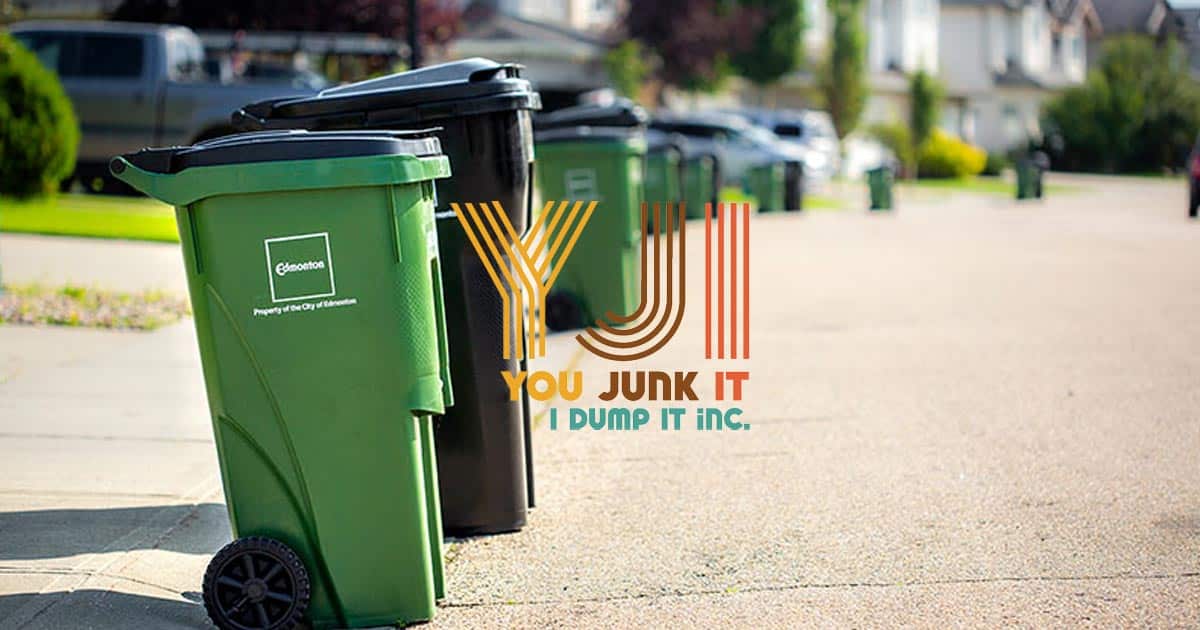
Edmonton Waste Sorting Guide
Navigating waste sorting in Edmonton can seem complex, but understanding what goes in which bin is crucial for effective city-wide waste management. By adhering to local guidelines, residents play a vital role in reducing landfill waste and promoting a more sustainable future for our community. This guide aims to clarify the process, making it easier for everyone to contribute.
Proper waste sorting not only benefits the environment but also supports Edmonton’s commitment to waste reduction initiatives. When we sort our waste correctly, we enable higher recycling and composting rates, which are essential for conserving resources and minimizing our ecological footprint. For those facing larger waste challenges, understanding options like managing junk and disposal options can be a valuable part of a comprehensive waste management strategy.
We encourage all Edmonton residents to engage with city resources and embrace best practices for waste disposal. Learning to sort effectively is a key step towards maintaining a clean and healthy city, and resources like our guide to understanding waste options can help you get started. Furthermore, adopting habits that lead to a clutter-free home often go hand-in-hand with better waste management. For instance, knowing if branches can go in the green bin is a common question that helps improve composting efforts.
Edmonton Bin Sorting: What Goes Where
When dealing with yard waste, knowing the proper disposal method is key; for instance, understanding branches in the green bin can simplify your cleanup efforts.
Effective waste sorting in Edmonton hinges on understanding the specific requirements for each bin: recycling, composting, and landfill. Properly separating materials ensures that recyclables are processed, organic waste is composted, and only true residual waste ends up in the landfill. This guide breaks down common items to help you sort with confidence, contributing to
Recycling Bin Essentials
When dealing with yard waste, such as leaves and grass clippings, ensure they are placed in the compost bin. For more detailed information on this, check out our guide on yard waste disposal for more.
The blue bin in Edmonton is designated for a variety of recyclable materials that can be processed and given a new life. It’s critical that these items are clean and empty to ensure they don’t contaminate the entire batch. Common accepted items include paper products like newspapers, magazines, and junk mail, as well as cardboard boxes that have been flattened. Plastic containers such as bottles, jugs, and tubs, along with glass bottles and jars, and empty metal cans, are also key components of household recycling.
Compost Bin Guidelines
The green bin is for organic waste, which is transformed into valuable compost. This includes all food scraps, from fruit and vegetable peels to meat, dairy products, and coffee grounds. Food-soiled paper products, like napkins and paper towels, can also be composted, along with yard waste such as leaves, grass clippings, and small branches. Ensuring that only approved organic materials enter the compost bin prevents contamination and maximizes the quality of the finished compost. For specific questions about yard waste, check out our guide on Edmonton yard waste pickup for more.
Landfill Bin Limitations
The black or grey bin is for residual waste – items that cannot be recycled or composted. This typically includes non-recyclable plastics, ceramics, styrofoam, and small items that don’t fit into other categories. It’s important to minimize what goes into the landfill bin by making full use of recycling and composting services. For larger or more challenging items, exploring Edmonton waste sorting is recommended.
Branches in the Green Bin: A Closer Look
A common question is whether branches can go in the green bin. Generally, small branches and twigs are acceptable in Edmonton’s green bin program, provided they are not excessively thick or long. These smaller woody materials can be broken down effectively during the composting process. However, large branches or entire tree limbs often exceed the capacity of the composting facility and may need to be disposed of through other means, such as considering a 20 yard bin rental or designated yard waste drop-off locations, depending on city guidelines.
WasteWise App for Edmonton
The WasteWise initiative and its accompanying app are invaluable tools for Edmonton residents seeking to master waste sorting and collection schedules. This resource provides up-to-date information, personalized reminders, and guidance on how to properly dispose of various items. Utilizing the WasteWise app can significantly simplify waste management and help residents stay informed about city services.
- Download the WasteWise app from your device’s app store.
- Set up your location to receive tailored collection schedules and alerts.
- Use the search function to identify which bin specific items belong in.
- Access tips and information on recycling, composting, and special waste disposal.
- Receive notifications for collection day changes or service disruptions.
The WasteWise app empowers residents with the knowledge needed for efficient sorting, making it easier to contribute to Edmonton’s waste reduction goals. Staying informed through resources like waste collection schedule tips can prevent missed pickups and ensure consistent participation. For comprehensive waste management, understanding all Edmonton waste sorting is key, and WasteWise is a great starting point.
Common Waste Sorting Mistakes in Edmonton
Even with clear guidelines, Edmonton residents sometimes make common mistakes that can hinder effective waste sorting. These errors often lead to contamination, reducing the efficiency of recycling and composting programs. By understanding these frequent pitfalls, residents can improve their sorting habits and contribute more effectively to the city’s sustainability efforts. For a comprehensive overview of what goes where, consult the Edmonton waste sorting guide.
| Common Mistake | Correct Sorting Solution |
|---|---|
| Placing plastic bags or film in the recycling bin | Plastic bags and film are generally not accepted in curbside recycling. They can be taken to special drop-off locations or disposed of in the landfill bin. |
| Leaving food residue in containers | Rinse containers to remove food scraps. While a little residue is okay, significant amounts can contaminate recyclables. |
| Putting “wish-cycled” items in the recycling bin | Only place items confirmed as recyclable in the blue bin. Items like electronics, batteries, or hazardous waste require special disposal. |
| Composting non-compostable materials | Ensure only approved organic waste goes into the green bin. Items like plastic packaging, glass, or metal should be sorted elsewhere. |
| Bagging recyclables or compostables | Items should be placed loose in their respective bins, not bagged. Bags can interfere with sorting machinery. |
Avoiding these mistakes is crucial for the success of Edmonton’s waste management programs. For instance, always check the recycling guide before discarding an item. Similarly, familiarize yourself with the composting guidelines. When dealing with items that don’t fit standard bins, exploring options like Edmonton junk disposal options can provide a responsible solution.
Special Waste Disposal in Edmonton
Edmonton has specific procedures for disposing of items that cannot go into regular recycling, compost, or landfill bins. These special waste categories include electronics, hazardous materials, oversized items, and more. Proper disposal of these items is essential for environmental protection and public safety.
Our experience serving the regional area has shown that many residents are unaware of proper disposal methods for electronics. Items like old computers, televisions, and mobile phones often contain hazardous materials and valuable components that can be recovered through specialized recycling programs. Similarly, household hazardous waste, such as paints, solvents, and batteries, requires careful handling to prevent environmental contamination. For those overwhelmed by clutter, considering the surprising benefits of junk removal can improve your home wellness.
Electronics Disposal
When it comes to electronics, ensure they are taken to designated e-waste recycling depots. Many programs exist to handle items like old computers, monitors, and cell phones, ensuring responsible handling of potentially hazardous components and recovery of valuable materials. You can find information on electronics recycling in Edmonton to guide your disposal, and learn more about whether bin rental or DIY dump runs save more time.
Hazardous Household Waste
Hazardous household waste includes items like batteries, fluorescent bulbs, cleaning chemicals, and pesticides. These should never be poured down drains or placed in regular waste bins. Edmonton provides specific drop-off locations for these materials to ensure they are managed safely and do not harm the environment, similar to how yard waste removal in Edmonton is handled for organic materials. Consult local resources for the nearest disposal sites.
Oversized Items and Appliances
For bulky items such as furniture, mattresses, or appliances, separate disposal arrangements are usually necessary. Some items, like refrigerators or air conditioners, may require special handling due to refrigerants. You can explore options like appliance removal or general junk removal services for efficient and proper disposal of these larger items, and learn more about demolition cleanup made easy.
Benefits of Proper Waste Sorting in Edmonton
Proper waste sorting in Edmonton offers numerous advantages, contributing to a cleaner environment and more efficient resource management. Understanding the best practices for different waste streams, such as knowing what to recycle, compost, or throw away, is key to maximizing these benefits.
Proper waste sorting in Edmonton offers significant environmental and community benefits, extending beyond just keeping bins tidy. It’s a fundamental practice that contributes to resource conservation, pollution reduction, and the overall sustainability of the city.
Properly sorted waste significantly reduces the volume of materials sent to landfills, extending their lifespan and minimizing environmental harm. This practice also conserves natural resources by enabling the reuse of materials through recycling and composting.
By actively participating in recycling and composting programs, Edmonton residents help reduce the demand for virgin materials, which in turn lessens habitat destruction and energy consumption associated with extraction and manufacturing. Furthermore, diverting organic waste from landfills significantly reduces methane gas emissions, a potent greenhouse gas contributing to climate change. Learning about the environmental impact of proper waste disposal highlights the importance of these practices. Embracing effective sorting, as detailed in our recycling guide, directly contributes to a healthier planet. For specific items like branches, consult our guide on branches in the green bin to ensure proper disposal. Considering local junk removal services can also be a convenient way to manage bulky waste responsibly.
Mastering Edmonton Waste Sorting
Effectively sorting waste in Edmonton is an ongoing commitment that yields substantial environmental and community rewards. By consistently applying the principles of recycling, composting, and responsible disposal, residents contribute to a cleaner, more sustainable city. This guide has provided the knowledge to navigate the complexities of Edmonton’s waste management system, empowering you to make informed decisions daily.
We encourage you to make accurate waste sorting a regular habit. For any waste disposal needs that fall outside of standard curbside collection, whether it’s bulky items, construction debris, or general decluttering, remember that professional junk removal services are available to assist. Should you have further questions or require help managing your waste efficiently, our team is ready to provide support and solutions for all your bin rental needs for more.
| Question | Answer |
|---|---|
| Can branches go in the green bin in Edmonton? | Yes, small branches and twigs are generally accepted in Edmonton’s green bin program, provided they are not too thick or long. Larger branches may require separate disposal. For more details on yard waste, check out our Edmonton yard waste pickup guide. |
| Are plastic bags recyclable in Edmonton? | No, plastic bags and film are typically not accepted in Edmonton’s curbside recycling program. They should be taken to special drop-off locations or disposed of in the landfill bin. |
| What should I do with old electronics in Edmonton? | Old electronics should be taken to designated e-waste recycling depots in Edmonton. Do not put them in regular recycling, compost, or landfill bins. |
| How do I dispose of hazardous household waste? | Hazardous household waste, such as batteries, paints, and chemicals, must be taken to specific drop-off locations in Edmonton to ensure safe and environmentally sound disposal. |
| What is the WasteWise app? | The WasteWise app is a tool provided by the City of Edmonton to help residents with waste sorting, collection schedules, and providing information on how to properly dispose of various items. |