

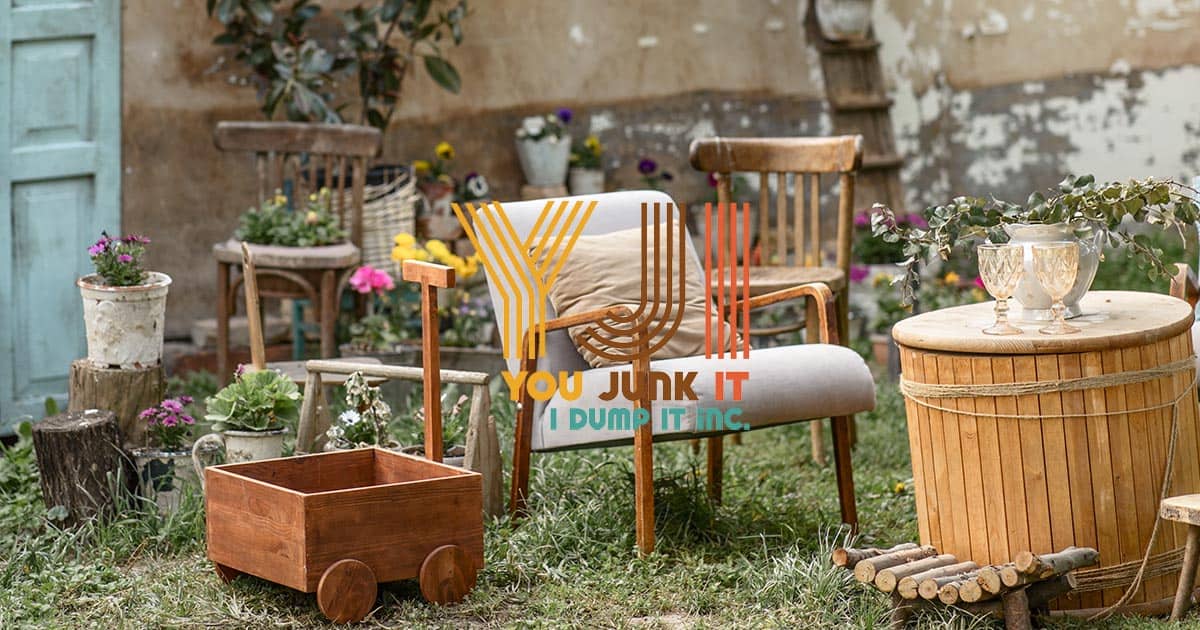
Many residents in Edmonton are looking for innovative ways to manage their waste and embrace sustainability. Upcycling offers a fantastic solution, allowing individuals to repurpose items that might otherwise be destined for the landfill. From old furniture to forgotten trinkets, there’s immense potential to create something beautiful and functional.
Exploring creative upcycling ideas in Edmonton can lead to unique home decor, practical tools, and even gifts. Embracing this practice not only benefits the environment but also sparks personal creativity and can even lead to cost savings. For those undertaking larger clear-outs, understanding how to manage junk and dump is a crucial first step before embarking on upcycling projects.
What are Junk Items and Why Upcycle Them?
Junk items are broadly defined as discarded materials, unwanted possessions, or waste products that are no longer serving their original purpose. These can range from old furniture and appliances to broken tools, excess packaging, and general clutter accumulated over time. Instead of opting for traditional disposal methods that contribute to overflowing landfills, upcycling offers a compelling alternative.
Upcycling involves transforming these seemingly useless items into new products of greater value or quality. This process not only diverts waste from landfills but also conserves resources and reduces the need for raw material extraction. It’s a proactive approach to waste management that emphasizes creativity and sustainability.
The benefits of upcycling extend beyond environmental conservation, offering economic advantages and fostering a sense of accomplishment. By choosing to upcycle, individuals contribute to a more sustainable future for Edmonton and beyond. For a comprehensive understanding of responsible waste management, consider exploring Edmonton waste sorting for more.
| Benefit | Upcycling | Traditional Disposal |
|---|---|---|
| Environmental Impact | Reduces landfill waste, conserves resources, lowers carbon footprint. | Contributes to landfill overflow, resource depletion, and pollution. |
| Economic Value | Creates new products, potentially saving money on new purchases; can be a source of income. | Incurs costs for disposal fees and purchase of new items. |
| Creativity & Skill | Encourages innovation, problem-solving, and the development of practical skills. | Limited opportunity for creativity; focused on removal and disposal. |
| Resource Conservation | Reuses existing materials, lessening the demand for new manufacturing. | Requires extraction and processing of new raw materials. |
| Community Impact | Promotes a culture of sustainability and resourcefulness. | Can contribute to environmental degradation if not managed properly. |
Popular Junk Items to Upcycle
Many common household items that might be considered junk are actually fantastic candidates for upcycling projects. These objects often possess inherent structural integrity or aesthetic qualities that can be enhanced or repurposed with a little creativity. Identifying these items is the first step towards transforming clutter into unique treasures. For instance, understanding Edmonton waste sorting can help you determine what is best suited for upcycling versus disposal, and whether items like branches can go in the green bin.
- Old furniture: Chairs, tables, dressers, and cabinets can be refinished, reupholstered, or reconfigured.
- Scrap wood and lumber: Perfect for building shelves, picture frames, or decorative wall art.
- Glass bottles and jars: Can be transformed into vases, lighting fixtures, or storage containers.
- Metal scraps: Old pipes, cans, and hardware can be used for sculptures, organizers, or unique garden features.
- Discarded textiles: Fabric scraps, old clothing, and linens can be made into quilts, rugs, or new accessories.
- Broken electronics: Components can sometimes be salvaged for art projects or repurposed for simple functional items.
By seeing the potential in these everyday items, you can embark on rewarding projects that reduce waste and add personal touches to your home. For inspiration on specific items, consider exploring resources on upcycling furniture in Edmonton or learning about effective home decluttering strategies for more.
Transforming Old Furniture into Statement Pieces
Beyond simple repairs, old furniture can be given a completely new life. Consider the surprising benefits of junk removal for your mental health and home wellness as you tackle these projects.
Old furniture, often discarded due to wear or changing style, holds immense potential for transformation. A well-loved armchair can be reupholstered with vibrant new fabric, breathing new life into a room. Worn wooden tables can be sanded down and repainted or stained, revealing beautiful grain patterns and offering a fresh aesthetic. Even a simple wooden crate can be repurposed into a stylish storage solution or a unique coffee table with the addition of casters and a new finish. For larger items or when undertaking a significant declutter, understanding how to manage junk and explore disposal options is key, and you can learn more about managing junk near Edmonton.
Repurposing Household Containers for Storage and Decor
Glass bottles, tin cans, and plastic containers are frequently found in household waste streams but are excellent materials for upcycling. Glass bottles can be cleaned and used as decorative vases, or with some modification, turned into elegant lamps. Tin cans, once cleaned and their labels removed, can be painted or decoupaged to create organizers for pens, brushes, or small tools. Larger plastic containers can be adapted for garden planters or robust storage solutions for workshops, and for larger projects, understanding the difference between a 20 vs 30 yard bin rental can be helpful.
Creative Uses for Fabric and Textile Scraps
Old clothing, bedding, and other fabric remnants can be transformed into a variety of useful and decorative items. T-shirts can be cut into strips and braided into rugs or used for DIY cleaning rags. Larger pieces of fabric can be sewn into tote bags, cushion covers, or patchwork quilts. Even small scraps can be used for stuffing toys or creating unique appliqués for other projects, and for larger cleanups, consider our bin rental options to manage waste efficiently.
The accumulation of fabric scraps from sewing projects or old clothing presents a wealth of upcycling opportunities. These materials can be creatively pieced together to form unique quilts, cushion covers, or even rugs. Smaller fabric remnants can be used to create decorative patches, embellish existing items, or craft small accessories like scrunchies or keychains. This approach not only diverts textile waste but also results in personalized and handmade items.
Creative Upcycling Project Ideas for Junk
Embarking on an upcycling project can be a rewarding experience, turning discarded items into functional or decorative pieces. One popular and accessible project involves transforming old wooden pallets into rustic wall shelves. This process is straightforward and yields a piece of furniture that can be customized to fit any space. For larger projects, understanding your bin rental options is crucial, and our guide to 20 vs 30 yard bin rental can help you choose the right size.
- Source a Pallet: Find a sturdy wooden pallet. Ensure it is clean and free from excessive damage. Many local businesses or construction sites may offer these for free.
- Disassemble Carefully: Using a pry bar and hammer, carefully take the pallet apart, trying to salvage as many intact planks as possible. Remove all nails.
- Cut to Size: Measure and cut the salvaged planks to your desired shelf dimensions. You can create single shelves or a set of tiered shelves.
- Sand and Smooth: Thoroughly sand all the cut edges and surfaces of the wood to remove splinters and create a smooth finish.
- Assemble the Shelves: Using wood screws or strong adhesive, attach the cut planks to create your shelf structure. You might add supporting brackets for stability.
- Finish and Decorate: Paint, stain, or seal the shelves to protect the wood and match your decor. You can also add decorative elements or hooks.
This project demonstrates how readily available junk can be given a new purpose with a little effort and creativity. For more DIY inspiration, explore DIY home decor ideas or discover other ways to upcycle old furniture for more.
Upcycling Techniques and Tips
When undertaking DIY projects like this, it’s important to consider proper waste disposal for any leftover materials. Understanding Edmonton waste sorting can help you manage your project’s byproducts responsibly.
Achieving professional-looking results with upcycling requires a combination of creativity and practical techniques. Whether you’re working with furniture, textiles, or metal, employing the right methods can significantly enhance the quality and longevity of your repurposed items. Our experience serving the greater Edmonton area has shown that proper surface preparation is key to long-lasting painted finishes on upcycled furniture, and understanding Edmonton waste sorting can help you prepare materials effectively.
- Surface Preparation: Always clean items thoroughly before starting. For furniture, sanding and priming are crucial for a smooth, durable paint or finish application.
- Proper Fastening: Use appropriate adhesives, screws, or nails to ensure structural integrity, especially for functional items.
- Finishing Touches: Sealing with varnish, lacquer, or wax protects your work and gives it a polished look. Consider the environment where the item will be used when choosing a finish.
- Color Theory: Understanding basic color palettes can help you make cohesive and aesthetically pleasing choices when painting or combining materials.
- Tool Proficiency: Familiarize yourself with basic tools like saws, sanders, drills, and paintbrushes. Safety should always be a priority when using tools.
Mastering these techniques will elevate your upcycling projects from simple crafts to impressive transformations. For guidance on preparing items before upcycling, consider resources on preparing for junk removal, as these principles often apply to salvaged materials, and explore the surprising benefits of junk removal for your mental health and home wellness.
Where to Find Junk Items for Upcycling
Sourcing materials for upcycling is an adventure in itself, and fortunately, there are numerous avenues to find free or low-cost items in and around Edmonton. By looking in the right places, you can often acquire fantastic “junk” that’s perfect for your next creative project without significant expense. For instance, understanding Edmonton waste sorting can help you identify what’s suitable for upcycling versus disposal.
- Local Recycling Depots and Transfer Stations: Some facilities have areas where usable items are set aside, or residents might leave items for others to take.
- Community Swap Meets and Garage Sales: These events are goldmines for finding unique items at bargain prices. Keep an eye out for community-organized swap events.
- Online Marketplaces and Social Media Groups: Platforms like Facebook Marketplace or dedicated local “Buy Nothing” groups are excellent resources for free items.
- Construction Sites and Renovation Projects: With permission, you might be able to salvage wood scraps, fixtures, or other materials from ongoing projects.
- Friends, Family, and Neighbors: Let your social circle know you’re looking for items; they may have things they’re eager to get rid of.
Exploring these options can lead to exciting discoveries and provide the raw materials for a multitude of creative endeavors. For more information on local disposal and recycling points, check out guides to local recycling centers in Edmonton. If you’re considering a large clear-out, comparing bin rental vs. DIY dump runs can help you decide which option saves you more time.
Scavenging Safely and Ethically
When searching for materials, safety and ethical practices are paramount. Always seek permission before taking items from private property or businesses. When visiting transfer stations or recycling depots, adhere strictly to their rules and designated areas. Wear appropriate safety gear, such as gloves and sturdy footwear, especially when handling potentially sharp or rough materials. Understanding local bylaws regarding salvaged items can also prevent any misunderstandings, much like understanding specific services such as Edmonton yard waste pickup guidelines.
Utilizing Discarded Pallets and Crates
Wooden pallets and crates are ubiquitous in shipping and logistics, making them readily available for upcycling. These sturdy wooden structures can be dismantled to create rustic shelving, furniture frames, or decorative wall art. Even intact, they can serve as bases for coffee tables or unique planters. Ensure any pallets used are heat-treated (marked with ‘HT’) rather than chemically treated (‘MB’ for Methyl Bromide) if they are to be used in ways that might involve contact with food or skin. For large renovation projects, consider how demolition cleanup made easy can help you source materials.
Finding Bargains at Second-Hand Stores and Thrift Shops
Second-hand stores and thrift shops are treasure troves for unique finds and budget-friendly items. You can discover furniture, decor, clothing, and much more, often at a fraction of the retail price. These locations are excellent for sourcing materials for DIY projects or finding ready-made items to upcycle. When shopping, inspect items carefully for damage or wear, and consider how they can be repurposed or repaired. For more on managing discarded items, check out our guide on Edmonton dump fees, or learn about why choosing local matters for disposal services.
Thrift stores and second-hand shops are treasure troves for upcycling enthusiasts. Furniture that might seem dated can be refinished or repainted, giving it a modern appeal. Old picture frames can be repurposed into unique mirrors or collages. Even small items like mismatched china, vintage tins, or old books can find new life in decorative arrangements or craft projects. These locations offer a vast array of materials at affordable prices.
Selling Your Upcycled Creations
Once you’ve transformed discarded items into unique and appealing products, the next step can be selling your upcycled creations. Tapping into the growing market for sustainable and handcrafted goods can be both rewarding and profitable. The global upcycled products market is projected to grow significantly, driven by increasing consumer awareness of sustainability and a desire for unique home decor.
Marketing your creations effectively involves highlighting the unique story behind each piece and its sustainable origins. High-quality photography and compelling descriptions are essential for online sales. Participating in local craft fairs, farmers’ markets, or partnering with local boutiques can also provide excellent exposure to potential buyers. Understanding your local waste management options can also inform your sourcing and disposal practices, such as knowing Edmonton dump fees.
For those looking to sell their creations, consider how your services might align with broader offerings. Even if you’re primarily focused on selling your art, understanding the process of junk removal services can provide insights into sourcing materials or managing larger projects. Ultimately, showcasing the craftsmanship and eco-conscious nature of your work will attract customers.
Embrace the Art of Upcycling in Edmonton
Upcycling is more than just a trend; it’s a mindful practice that benefits both the individual and the community. By choosing to transform discarded items, Edmonton residents can reduce their environmental impact, save money, and express their creativity. It’s a powerful way to contribute to a more sustainable and resourceful city.
From breathing new life into old furniture to crafting unique decor from household waste, the possibilities are endless. Embracing upcycling encourages a shift in perspective, viewing “junk” not as an end-of-life product, but as a raw material brimming with potential. Consider how your waste management choices align with this ethos, perhaps by exploring eco-friendly waste disposal options in Edmonton for more.
We encourage everyone in the Edmonton area to explore the world of upcycling. Whether you’re a seasoned crafter or a complete beginner, there’s always something new to learn and create. For those needing to clear out space before starting new projects, our junk removal services can help prepare your environment for transformation, and you might find our guide on choosing the right bin size useful.
Frequently Asked Questions
Here you’ll find answers to common questions about upcycling and its relevance in Edmonton. Understanding these points can help you get started or deepen your appreciation for this sustainable practice.
| Question | Answer |
|---|---|
| What are the main benefits of upcycling? | The main benefits include reducing landfill waste, conserving natural resources, saving money by reusing materials, and fostering creativity. It also lowers the carbon footprint associated with manufacturing new products. |
| Can branches go in the green bin in Edmonton? | Yes, branches and other yard waste are generally accepted in Edmonton’s green bin program, provided they are cut to a manageable size and do not exceed the bin’s capacity. It’s always best to check the City of Edmonton’s Waste Management guidelines for specific details on yard waste disposal for more. |
| Is upcycling the same as recycling? | No, upcycling is different from recycling. Recycling typically breaks down materials into raw components to create new products, often of lesser quality. Upcycling transforms existing items into new products of equal or greater value, without breaking them down. |
| Where can I find materials for upcycling in Edmonton? | You can find materials at thrift stores, garage sales, online marketplaces, community swap events, and sometimes from construction sites or businesses that discard pallets and crates. Letting friends and neighbors know you’re looking can also yield results. |
| Do I need special tools for upcycling? | Basic upcycling projects may only require simple tools like scissors, glue, or a screwdriver. More complex projects, such as furniture restoration, might benefit from saws, sanders, paintbrushes, and safety equipment. |