

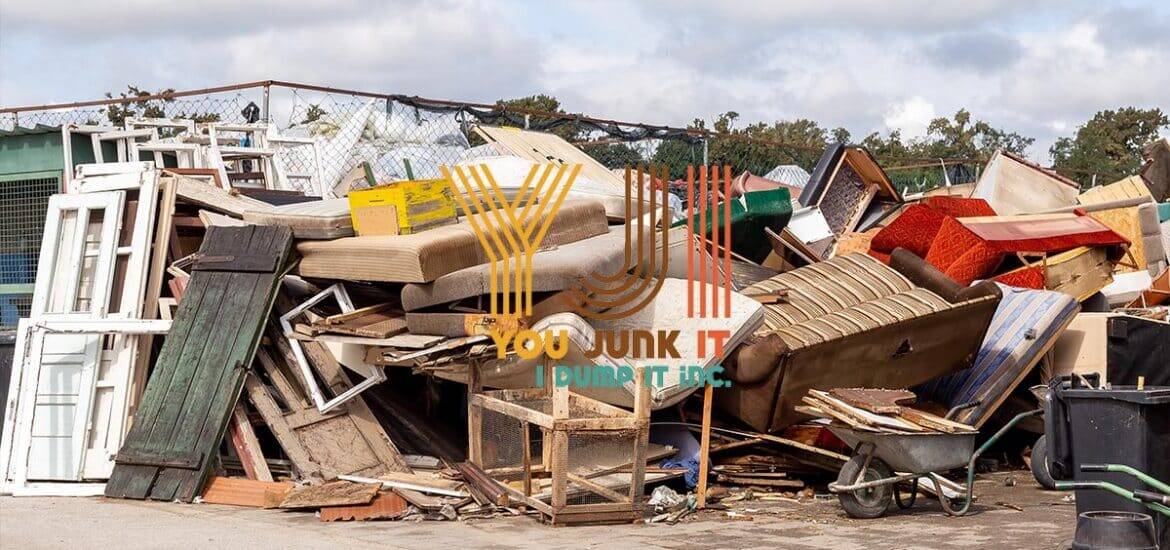
Understanding Junk Removal DIY
Considering tackling junk removal yourself? DIY junk removal involves homeowners personally collecting, transporting, and disposing of unwanted items. This approach often seems appealing due to a perceived cost savings, but it requires significant personal effort, time commitment, and access to suitable transportation and disposal facilities. Understanding the scope of such a project is the first step.
The implications of choosing a DIY approach can range from minor inconveniences to substantial challenges. Without proper planning, DIY junk removal can quickly become overwhelming, leading to unexpected expenses or safety hazards. It’s crucial to weigh these potential downsides against any perceived benefits before committing to removing junk on your own, or consider how a demolition cleanup bin rental could simplify the process.
Key considerations for any DIY junk removal project include the volume and type of items you need to dispose of, your physical capacity for heavy lifting, and the availability of a vehicle large enough to transport the debris. For many, especially when dealing with larger items, a comprehensive guide on how to dispose of old furniture or how to dispose of old appliances can be invaluable. Understanding the potential costs involved, as outlined in a detailed junk removal cost guide, is also essential for budgeting. For a direct comparison of DIY versus professional services, consider this guide on bin rental versus DIY dump runs for more.
The DIY Junk Removal Process: A Step-by-Step Guide
Embarking on a DIY junk removal project requires a structured approach to ensure efficiency and safety. Breaking down the task into manageable stages can transform what seems like an insurmountable chore into a systematic process. This guide outlines the typical steps involved, from initial sorting to final disposal, and helps you understand Edmonton dump fees for proper waste management.
- Planning and Assessment: Begin by identifying all the items you wish to remove. Categorize them into keep, donate, sell, and dispose. Estimate the volume of junk to determine the necessary transportation and disposal methods.
- Gathering Supplies: Collect the essential tools and equipment. This might include heavy-duty gloves, safety glasses, a dolly or hand truck, trash bags, and potentially a trailer or truck.
- Sorting and Loading: Systematically sort through the items. Load heavier, sturdier objects first into your vehicle or dumpster, followed by lighter items. Ensure weight is distributed evenly for safe transport.
- Transportation: Securely tie down all items in your vehicle to prevent shifting during transit. Drive cautiously, especially if your load is large or bulky.
- Disposal: Transport the junk to your chosen disposal site. This could be a local landfill, a transfer station, or a designated recycling center. Be aware of their operating hours and accepted materials.
- Cleanup: Once the disposal is complete, clean your vehicle and the area where the junk was stored.
Step 1: Declutter and Sort Your Items
This initial phase is crucial for effective junk removal, as it helps you understand the scope of the task and plan accordingly. Considering the benefits of junk removal for your home wellness can provide extra motivation during this step.
This initial step is crucial for an efficient junk removal process, and understanding how to sort your waste properly can make a significant difference; consult our Edmonton waste sorting guide for detailed instructions.This initial step is crucial for an efficient junk removal process, helping you decide what to keep and what to discard, and you can learn more about Edmonton waste sorting to make informed decisions.
The initial phase of any DIY junk removal project involves a thorough decluttering process. This means going through your home, garage, or yard and identifying everything that is no longer needed. Create distinct piles or designated areas for items to be disposed of, donated, or sold. This sorting is crucial for understanding the scope of your project and for making informed decisions about disposal methods, such as understanding how to dispose of branches in the green bin. For instance, knowing whether you’re dealing with old furniture or outdated electronics will influence how you proceed.
Step 2: Secure Appropriate Transportation
Once you’ve sorted your junk, securing the right transportation is paramount. Depending on the volume, this could range from using your personal vehicle for smaller loads to renting a trailer or a larger truck. If you’re dealing with substantial amounts of debris, consider how to dispose of old furniture or how to dispose of old appliances; these often require more robust transport solutions. Always ensure your vehicle is suitable for the weight and size of the items you plan to haul, and explore these manage junk near Edmonton disposal options.
Step 3: Plan Your Disposal Route
With your junk sorted and transportation secured, the next step is to plan your disposal route. This involves identifying the most efficient way to get your items to their final destination, whether it’s a landfill, recycling center, or donation drop-off. Consider the location of these facilities relative to your home and the potential for traffic delays. For larger projects, understanding the best way to manage junk near Edmonton can save significant time and effort.
With your junk sorted and transportation secured, the next step is planning your disposal route. Research local landfills, transfer stations, or recycling centers to understand their locations, operating hours, and accepted materials. Some facilities may have restrictions on what they accept, and fees can vary. If you’re disposing of items like old appliances, check if there are specific recycling programs available. A well-planned route can save considerable time and fuel, and exploring local junk disposal options can help you find the most convenient and cost-effective solutions.
Step 4: Load and Secure the Junk Safely
Loading the junk requires careful consideration for safety and efficiency. Place heavier, denser items at the bottom of your vehicle or trailer, and distribute the weight as evenly as possible to maintain balance during transport. Use straps or ropes to secure the load firmly, preventing any items from shifting or falling out while in transit. Overloading your vehicle can lead to accidents or damage, so it’s important to stay within safe weight limits, especially when considering a bin rental size like a 20 vs 30 yard bin rental.
Step 5: Execute the Disposal
The final stage involves the actual disposal of your junk. Drive to your chosen facility and follow their procedures for unloading. Be prepared for potential unloading fees or specific instructions for certain types of waste. If you’re donating items, ensure they are in good condition and that the donation center accepts them. For items like old furniture, explore options beyond the landfill to see if they can be repurposed, such as checking out Edmonton garbage removal guides for ideas.
Essential Tools and Equipment for DIY Junk Removal
Successfully undertaking DIY junk removal requires more than just muscle; it demands the right tools and equipment to ensure the process is efficient, safe, and manageable. Having the appropriate gear can make a significant difference in how quickly and effectively you can clear out unwanted items, and understanding the benefits can be motivating. For instance, decluttering can lead to surprising benefits for your mental health and home wellness.
- Heavy-Duty Gloves: Essential for protecting your hands from splinters, sharp edges, and general grime.
- Safety Glasses: Protect your eyes from dust, debris, and potential projectiles.
- Work Boots: Sturdy footwear provides ankle support and protects your feet from falling objects.
- Dolly or Hand Truck: Invaluable for moving heavy or bulky items like appliances or furniture, reducing strain.
- Trash Bags: Heavy-duty trash bags are useful for smaller debris, insulation, or broken items.
- Shovel and Broom: Necessary for sweeping up loose debris and clearing smaller remnants after major items are removed.
- Straps and Tarps: Useful for securing loads in a vehicle or trailer and for covering items during transport.
- Basic Tool Kit: May include a pry bar, hammer, or screwdriver for disassembling items like furniture or shelving.
Disposal Options for Your Junk Haul
Once you’ve collected your unwanted items, choosing the right disposal method is crucial. Different options exist, each with its own set of advantages and disadvantages, impacting both cost and convenience. Understanding these choices helps in making an environmentally responsible and budget-friendly decision. For example, you can explore various junk disposal options near Edmonton to find the best fit for your needs.
Yard Waste DisposalEnvironmentally friendly, reduces landfill burden, can be composted or mulched.Requires separation and transport, may have specific collection days or limitations on types of yard waste, not suitable for all types of organic material. For more on this, check out our guide to green bin disposal for more.