

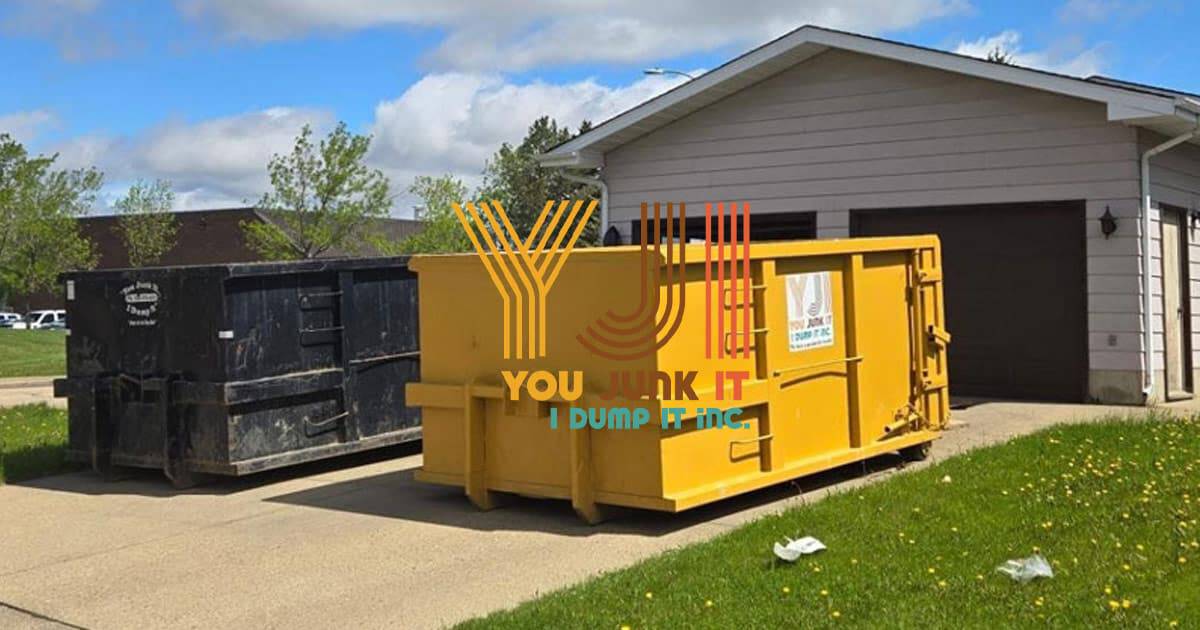
Edmonton Bin Rentals Explained
Renting a bin in Edmonton is a crucial service for managing waste effectively during various projects, from home renovations and construction to large-scale clean-outs. These bins offer a convenient and efficient solution for containing and disposing of debris, making your project smoother and cleaner.
For residents and businesses in Edmonton, utilizing bin rental services simplifies the often-challenging task of waste management. They provide a dedicated container for all types of project-related refuse, ensuring that your site remains organized and safe throughout the process.
Understanding the benefits of these rentals is key to a successful project. For instance, exploring topics like renovating your home in Edmonton highlights the necessity of proper waste disposal solutions, and knowing what branches can go in the green bin can help with yard waste management.
Why Choose Bin Rentals in Edmonton
Opting for bin rentals in Edmonton provides numerous advantages, especially when dealing with the substantial waste generated by projects like home renovations, construction, or significant decluttering. These services streamline the disposal process, saving you time and effort. Consider how bin rental vs. DIY dump runs can impact your project timeline and budget.
Having worked with Edmonton homeowners for over a decade, our team understands that clear communication about bin sizes is crucial for project success. This expertise ensures you get the right bin for your specific needs, avoiding unnecessary costs or delays.
The convenience of a bin rental cannot be overstated; it consolidates all your waste into one easily managed container, ready for pickup. This is particularly beneficial for large undertakings, as discussed in guides like Talking Trash Episode 2: What Gets Left Behind, which touches on common disposal mistakes.
| Project Type | Benefits of Bin Rentals |
|---|---|
| Home Renovations | Efficiently handles demolition debris, old fixtures, and construction waste. |
| Construction Sites | Manages large volumes of concrete, wood, metal, and other building materials. |
| Large Clean-outs/Junk Removal | Accommodates furniture, appliances, general household clutter, and yard waste. |
| Landscaping Projects | Ideal for disposing of soil, branches, sod, and green waste. |
Types of Bins Available for Rent
Choosing the correct bin size is essential for efficient waste management, and understanding the options available can help you make an informed decision. For a comprehensive overview of bin sizes, consult our Edmonton bin size guide for more.
Choosing the correct bin size is essential for efficient waste management, and we offer a range of options to suit any project. For instance, understanding the difference between a 12-yard bin and a 15-yard bin can help you make an informed decision based on the volume of debris you anticipate. Additionally, exploring the surprising benefits of junk removal can highlight how decluttering your space contributes to overall well-being.
Edmonton offers a variety of bin sizes to suit projects of all scales, from minor household clean-ups to extensive commercial construction. Choosing the correct bin size ensures efficient waste management and cost-effectiveness for your specific needs. For instance, understanding the difference between a 20 vs 30 yard bin rental can help you make the best choice.
Small Household Clean-out Bins
These smaller bins are perfect for garage clean-outs, basement decluttering, or minor renovation waste. They are typically between 4 to 10 cubic yards, easily manageable for most driveways. For more information on managing your junk, check out our guide to disposal options for more.
Medium Residential Renovation Bins
Ideal for moderate home renovation projects, these bins range from 10 to 20 cubic yards. They can accommodate larger volumes of debris from kitchen or bathroom remodels, including drywall, wood, and flooring. For larger projects, consider a 20-yard bin rental to ensure you have enough space.
Large Construction & Demolition Bins
For significant construction, demolition, or large-scale clean-up projects, larger bins ranging from 20 to 30 cubic yards are available. These are designed to handle substantial amounts of heavy materials like concrete, asphalt, and mixed construction debris. Clearing out such large volumes of waste can also contribute to a sense of accomplishment and well-being, as discussed in the surprising benefits of junk removal for your mental health and home wellness.
Specialty Waste Bins
Some providers offer specialized bins for specific waste types, such as heavy fill (concrete, soil) or green waste. It’s important to confirm availability and suitability for your project’s waste stream, especially when dealing with materials discussed in resources like Talking Trash Episode 2: What Gets Left Behind, or to understand if bin rental is a better option than DIY dump runs.
How to Rent a Bin in Edmonton
When planning your project, understanding the types of bins available and their typical uses is crucial for efficient waste management. For contractors, a guide to efficient job site cleanup can offer valuable insights into managing debris effectively.
Renting a bin in Edmonton is a straightforward process designed for your convenience. Follow these steps to ensure you get the right bin for your project without any hassle. For example, understanding Edmonton waste sorting can help you choose the correct bin type.
- Initial Inquiry: Contact a bin rental service provider, either by phone or through their website. Be ready to describe your project and the type of waste you anticipate.
- Bin Size Selection: Based on your project scope, choose the appropriate bin size. Providers can offer guidance to help you select the best fit. For renovations, consider looking at resources such as bin sizing for an idea of waste generation.
- Scheduling Delivery: Arrange a convenient date and time for the bin to be delivered to your location.
- Bin Placement: Ensure you have a clear, accessible spot for the bin, typically a driveway or a designated area on your property.
- Filling the Bin: Load the bin with your project’s waste, adhering to any weight limits or prohibited item restrictions.
- Pickup Scheduling: Once the bin is full or your project is complete, schedule a pickup time with the rental company.
What Can You Put in a Rental Bin?
Understanding what can and cannot go into a rental bin is crucial for efficient waste management. For specific guidance on sorting, check out the Edmonton waste sorting guide.
Understanding what can and cannot be placed in a rental bin is crucial for safe and legal disposal. Most general waste bins are designed for common household and construction debris, but certain items are strictly prohibited to ensure environmental safety and compliance with regulations.
- Commonly Accepted Items: General household waste, furniture, appliances (non-hazardous), construction debris (wood, drywall, metal, plastic), yard waste (leaves, branches, grass clippings), concrete, asphalt, dirt, and roofing materials.
- Prohibited Items: Hazardous waste (chemicals, paints, solvents, batteries, fuel), asbestos, propane tanks, tires (often require special disposal), electronics (e-waste), mattresses (may incur extra fees), and items containing Freon or other refrigerants.
Always consult with your bin rental provider regarding specific waste types, especially if you are unsure. For example, understanding what gets left behind in general disposal can be as important as knowing what goes in, as detailed in Talking Trash Episode 2: What Gets Left Behind. For specific guidance on yard waste, check out our Edmonton yard waste pickup tips.
Edmonton Bin Rental Pricing
The cost of renting a bin in Edmonton typically varies based on several factors, including the size of the bin, the duration of the rental period, and the type of materials being disposed of. Understanding these components can help you budget effectively for your project.
| Bin Size (Cubic Yards) | Estimated Rental Cost (1-7 Days) | Potential Additional Fees |
|---|---|---|
| 4-10 | $250 – $350 | Overage weight, prohibited items, extended rental |
| 10-20 | $350 – $500 | Overage weight, prohibited items, extended rental |
| 20-30 | $500 – $700 | Overage weight, prohibited items, extended rental |
It’s important to note that these are estimated costs, and actual prices may differ. Always request a detailed quote that outlines all potential fees. For projects involving extensive waste, understanding resources like renovating your home in Edmonton can provide context for the scale of bin rental needed, or for specific needs such as Edmonton yard waste removal for more.
Choosing the Right Bin Rental Company
Selecting a reputable bin rental company in Edmonton is essential for a smooth and efficient waste disposal experience. Consider several key factors to ensure you partner with a provider that meets your project’s needs and offers excellent service. For instance, understanding the differences between bin sizes, such as the 20 vs 30 yard bin rental, can help you select the most appropriate option for your specific project requirements. You can find detailed information on our 20 cubic yard bin page.
- Service Area: Confirm the company serves your specific location within Edmonton and surrounding areas.
- Bin Availability & Sizes: Ensure they have the bin sizes you require for your project’s scale.
- Pricing Transparency: Look for companies that offer clear, upfront pricing with no hidden fees.
- Customer Reviews & Reputation: Research online reviews and testimonials to gauge customer satisfaction.
- Environmental Practices: Some companies prioritize recycling and responsible disposal methods.
- Rental Duration Flexibility: Check if they offer flexible rental periods that can accommodate your project timeline.
- Licensing & Insurance: Verify that the company is properly licensed and insured for your peace of mind.
Thorough research can help you find a provider that aligns with your project’s demands and budget. For insights into project waste, resources such as demolition cleanup made easy can be very helpful.
By understanding the types of bins available, the rental process, pricing factors, and how to choose a reliable provider, you can ensure your waste management needs are met effectively. Proper waste disposal not only keeps your project site tidy but also contributes to responsible environmental practices in the city.
For those embarking on significant projects, resources like renovating your home in Edmonton underscore the importance of planning for waste removal, making bin rentals a vital consideration. If you’re wondering about specific items, our Edmonton waste sorting guide can help clarify what goes where.
Frequently Asked Questions
Here are answers to some common questions about renting bins in Edmonton to help you make informed decisions for your project.
| Question | Answer |
|---|---|
| Can branches go in a green bin? | Branches can typically be placed in designated green bins or yard waste bins if your service provider offers them. For general rental bins, check with the provider, as some may accept green waste while others have specific restrictions or charge extra for large volumes. Learn more about branches in green bins for more. |
| What is the most common bin size for home renovations? | For most standard home renovations, such as kitchen or bathroom remodels, a 10 to 20 cubic yard bin is usually sufficient. However, the exact size needed depends on the scope of the renovation and the materials being removed. |
| How long can I keep a rental bin? | Rental periods typically range from a few days to a week, but this can vary by provider. It’s best to discuss your project timeline with the rental company to arrange a suitable duration and confirm any potential charges for extended use. |
| Are there weight limits for rental bins? | Yes, most rental bins have weight limits to ensure safe transportation and prevent damage to equipment. Exceeding the weight limit can result in additional fees. Always confirm the weight limit with your provider. |
| What happens if I put prohibited items in the bin? | Placing prohibited items in a |