

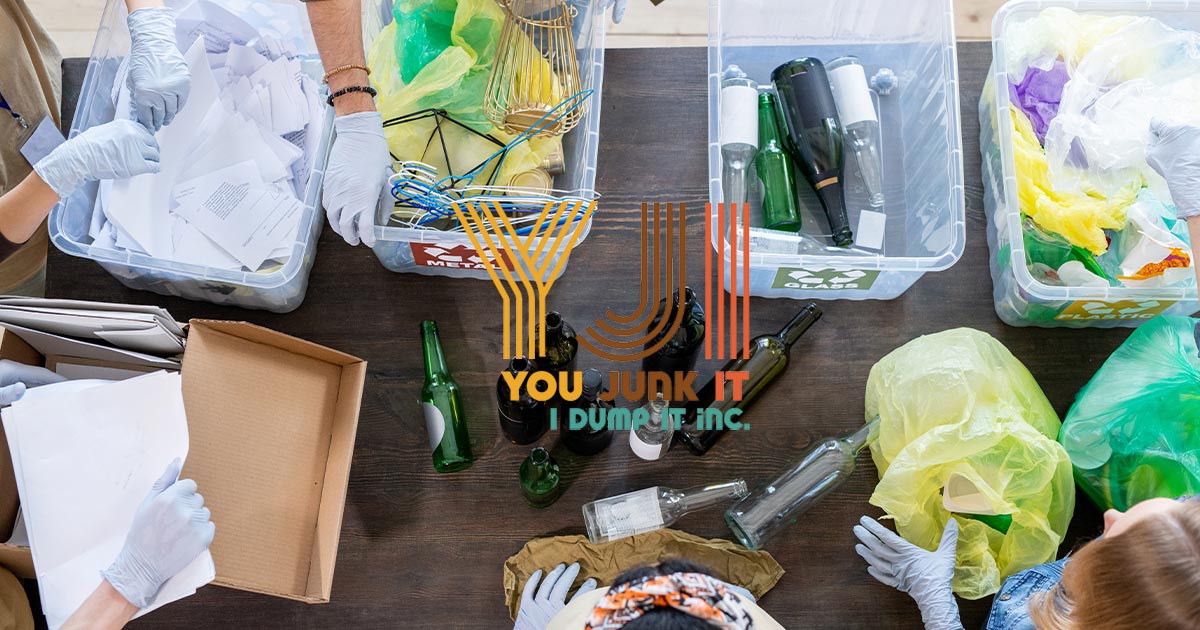
Edmonton Recycling Sort Basics
Proper Edmonton recycling sort practices are crucial for effective waste management and environmental sustainability in the city. Understanding what goes where helps reduce contamination, ensuring that more materials can be successfully recycled and repurposed.
This guide provides a comprehensive overview to help residents navigate the nuances of recycling, from common household items to specific guidelines for various materials. Following these basics contributes significantly to Edmonton’s overall waste diversion goals.
By mastering the Edmonton recycling sort system, you play an active role in supporting a cleaner, greener community. Our team is dedicated to providing clear, actionable information to make your recycling efforts as impactful as possible, much like understanding how to choose the right dumpster size for your specific needs.
Why Proper Recycling Sorting Matters in Edmonton
Understanding the importance of accurate Edmonton recycling sort is fundamental for fostering a sustainable community. When residents properly separate their recyclables, it directly influences the efficiency of waste management systems and reduces environmental impact. For larger projects, consider how to choose the right dumpster size to manage waste effectively.
Incorrect sorting, on the other hand, can lead to contamination, rendering entire batches of otherwise recyclable materials unusable. This means more waste ends up in landfills, negating the efforts of those who recycle correctly.
Environmental Benefits of Correct Sorting
Proper Edmonton recycling sort practices contribute significantly to environmental preservation. By ensuring recyclable materials are clean and correctly categorized, facilities can process them more effectively, reducing the need for new raw materials. This process conserves natural resources, minimizes energy consumption in manufacturing, and decreases greenhouse gas emissions associated with production from virgin materials.
It also helps to reduce the volume of waste sent to landfills. Landfills are major sources of methane, a potent greenhouse gas, and can lead to soil and water contamination. Every item diverted from a landfill through proper recycling helps mitigate these environmental hazards, including the proper disposal of yard waste.
Economic Advantages and Operational Efficiency
Beyond environmental gains, an effective Edmonton recycling sort system offers considerable economic benefits. When recycling streams are clean and uncontaminated, the value of the recycled materials increases. This makes them more appealing to manufacturers who use recycled content in their products. For more details on waste management, consult our Edmonton waste sorting guide for best practices.
Moreover, proper sorting streamlines the operations at material recovery facilities (MRFs). Facilities can process materials faster and with less manual intervention when items are correctly separated. This efficiency translates into lower operational costs and a more robust recycling infrastructure for the entire community.
Conversely, contaminated loads require additional processing, increasing costs and slowing down the recycling chain. In some cases, heavily contaminated loads may even be rejected entirely, leading to higher disposal costs for municipalities and waste management companies.
Core Principles of Edmonton Recycling Sort
Understanding the fundamental rules for Edmonton recycling sort is crucial for effective waste management. This section details the core principles, identifies common contaminants, and outlines accepted materials, equipping residents with the knowledge to improve their sorting habits. For larger waste removal projects, consider a small dumpster rental guide to manage excess materials efficiently.
Know Your Bins and Bags
Choosing the right bin size for your project is essential for efficient waste management, whether you’re dealing with household clutter or construction debris. For instance, understanding the difference between a 20 vs 30 yard bin rental can significantly impact your cleanup process and costs.
Properly sorting begins with knowing what each collection container is for. Edmonton’s waste system typically involves specific bins and bags for different types of materials. Misplacing items can lead to entire batches of recycling being sent to landfills, undermining the effort to recycle. For larger projects, consider that junk removal services can be a convenient alternative to DIY disposal.
- Blue Bags: Primarily for mixed recyclables like paper, plastics, and metals.
- Green Bins: Designated for organic waste, including food scraps and yard trimmings.
- Black Bins: For general garbage that cannot be recycled or composted.
Accepted Materials for Edmonton Recycling Sort
To ensure your Edmonton recycling sort is effective, familiarize yourself with the specific items accepted in your blue bags. Materials must be clean, dry, and free of food residue to prevent contamination and ensure they can be processed correctly at the recycling facility. For larger projects, understanding how to choose the right dumpster size can be crucial. Learning how to recycle paper at home is also a key part of reducing waste. If you’re dealing with a large volume of waste, a guide to https://youjunkit.ca/blog/dumpster-rental-guide/ can help you select the appropriate bin.
- Plastics: Bottles, jugs, and tubs (e.g., yogurt, margarine) with symbols #1, #2, and #5.
- Paper & Cardboard: Newspapers, magazines, flyers, boxboard (cereal boxes), and flattened corrugated cardboard.
- Metals: Aluminum and tin cans.
- Glass: Jars and bottles (clear, brown, green).
Common Contaminants to Avoid
Contamination is a major challenge in recycling, often caused by incorrect items or dirty materials. Avoiding these common mistakes during your Edmonton recycling sort helps maintain the quality of recyclable materials, ensuring they can be reused effectively. For larger cleanups, consider a 20 yard bin rental to manage your waste.
- Plastic bags and film: These wrap around machinery and are not accepted in blue bags.
- Styrofoam: Packaging peanuts, cups, and takeout containers are not recyclable in the blue bag program.
- Food-soiled items: Pizza boxes with grease stains or containers with food residue belong in the green bin or black bin.
- Ceramics and glass bakeware: These items have different melting points than glass bottles and should not be placed in recycling.
Preparing Items for Recycling
The way you prepare your items before placing them in the blue bag significantly impacts their recyclability. A little effort in preparation for Edmonton recycling sort can make a big difference in the overall success of the program. For larger projects, understanding how to choose the right dumpster size is crucial for efficient waste management, and for seasonal yard cleanup, consider our Edmonton yard waste removal guide.
- Rinse containers: Ensure all food and drink containers are clean and dry.
- Flatten cardboard: Break down cardboard boxes to save space in your blue bag and collection vehicle.
- Remove lids: Lids from plastic and glass containers should generally be removed, as they are often made of a different type of plastic or metal.
Understanding the “What Goes Where” Tool
For any uncertainties regarding your Edmonton recycling sort, the city provides an invaluable “What Goes Where” online tool. This resource offers specific guidance for hundreds of items, helping residents make informed decisions and reduce confusion about waste disposal. Utilizing this tool is essential for anyone looking to maximize their recycling efforts and contribute to a more sustainable community, much like understanding the questions for a junk removal quote can help with disposal.
Common Recycling Mistakes to Avoid
Understanding proper Edmonton recycling sort procedures is crucial, but it’s equally important to be aware of common mistakes that can contaminate the recycling stream. Avoiding these errors ensures that your efforts contribute positively to the waste management system. For instance, if you’re undertaking a large project, knowing how to choose the right dumpster size can prevent overfilling and improper disposal. Considering local services can also be beneficial; for example, understanding why choosing local matters for waste removal is key.
Improper sorting can lead to entire batches of otherwise recyclable materials being sent to landfills, undermining the environmental benefits of recycling. Learning what not to recycle, or how to prepare items correctly, helps improve the efficiency and effectiveness of local recycling programs. For more detailed information on what can and cannot be recycled, consult the Edmonton Waste Sorting Guide.
Contaminating Recyclables with Food Waste
One of the most frequent errors in Edmonton recycling sort is placing items with significant food residue into recycling bins. Food scraps, grease, and liquids can contaminate paper, cardboard, and other materials, making them unrecyclable. For more details on what can and cannot be recycled, consult our comprehensive Edmonton waste sorting guide for more.
- Always rinse containers, such as jars and cans, before placing them in the recycling bin.
- Ensure pizza boxes are free of grease stains and food particles; often, only the clean parts of the box can be recycled.
- Avoid recycling items like used paper plates or napkins, as these are typically soiled with food and are not accepted.
Including Non-Recyclable Plastics
Not all plastics are created equal, and placing non-recyclable plastics in your bin is a common mistake during Edmonton recycling sort. Many items that appear to be plastic, like plastic bags, styrofoam, and certain types of plastic film, are not accepted in standard curbside recycling programs. For more information on seasonal tidying, consider our tips for fall cleanup services in Edmonton.
- Plastic bags and film can tangle machinery at sorting facilities, causing operational issues.
- Styrofoam, such as packing peanuts or takeout containers, often cannot be processed due to its composition.
- Check the recycling symbols and numbers on plastic items to confirm they are accepted in your local program.
Recycling Hazardous Materials
Hazardous materials pose a significant risk to recycling workers and can contaminate other recyclables. Items like batteries, electronics, paint, and chemicals should never be placed in regular recycling bins.
These materials require specialized disposal methods. It is important to utilize designated drop-off points or special collection events for hazardous waste to ensure they are handled safely and responsibly, and you can learn more about contractor waste disposal options.
Overlooking Preparation Requirements
Proper preparation is key for effective Edmonton recycling sort. Many people overlook specific requirements, such as removing caps from bottles, flattening cardboard boxes, or separating different material types.
Failure to prepare items correctly can hinder the automated sorting process. For example, leaving caps on plastic bottles can sometimes prevent them from being properly crushed and processed. For more details on what can and cannot be recycled, consult the Edmonton waste sorting guide, or consider how junk bin rentals can simplify your waste disposal.
How to Sort Specific Items in Edmonton
Properly sorting various household items is crucial for effective recycling. This detailed guide will walk you through the specifics of how to sort common materials as part of your Edmonton recycling sort efforts, ensuring they are processed correctly and contribute to a more sustainable community. Following these guidelines helps reduce contamination and maximizes the efficiency of recycling programs, much like a contractor’s guide to efficient job site cleanup.
Sorting Paper and Cardboard for Recycling
Paper and cardboard are among the most common recyclable materials found in households. Knowing how to prepare these items is key for a successful Edmonton recycling sort. For more detailed information, check out our guide on how to recycle paper at home for more.
- Flatten all cardboard boxes, such as cereal boxes and shipping boxes, to save space in your blue bag.
- Remove any plastic liners or food residue from paperboard items, like tissue boxes or frozen food packaging.
- Bundle larger pieces of cardboard if necessary, ensuring they fit within the blue bag or are easily manageable for collection.
- Keep paper clean and dry; wet or food-stained paper should be placed in the black bin.
Understanding Plastic Recycling Rules
Plastic recycling can often be confusing due to the variety of types and symbols. For an effective Edmonton recycling sort, focus on clean, hard plastics. Understanding what to do with different waste streams is key; for more information on whether to recycle, compost, or throw it away, consult our guide to waste disposal options.
- Check for the recycling symbol (usually a triangle with a number inside) and confirm the item is accepted in local programs.
- Rinse out plastic containers, such as milk jugs and detergent bottles, to remove any liquid or food residue.
- Keep plastic caps on bottles; this helps prevent them from falling through sorting machinery.
- Avoid recycling plastic bags, plastic film, or styrofoam in your blue bag, as these can jam machinery.
Guidelines for Glass and Metal Containers
Glass and metal are highly recyclable and can be reused many times over. Following specific steps ensures these materials are processed efficiently during your Edmonton recycling sort. For items like old Christmas lights, you can find specific disposal information to help with your seasonal cleanup.
- Rinse glass jars and bottles to remove any food or beverage contents.
- Labels on glass containers do not need to be removed.
- For metal cans, such as aluminum beverage cans and steel food cans, rinse them clean.
- Crushing metal cans is acceptable and can help save space in your recycling bag.
Recycling Organics and Food Scraps
Organics and food scraps are diverted from landfills through specific collection programs. This component of your Edmonton recycling sort is vital for creating compost.
For larger projects or specific waste types, understanding the right bin size is crucial; consult this guide to dumpster sizes for assistance. For those undertaking larger cleanouts, considering the eco-benefits of professional junk removal can be a sustainable choice.
- Place all food scraps, including fruit and vegetable peels, meat, and dairy products, into your green bin.
- Yard waste, such as grass clippings and small branches, can also be placed in the green bin.
- Use compostable bags or newspaper to line your green bin to keep it clean and manage odors.
- Ensure no plastic bags or non-compostable materials contaminate the green bin contents.
Proper Disposal of Hazardous Waste
Certain items require special handling due to their hazardous nature. These items should never be included in your regular Edmonton recycling sort or black bin waste. For some items, you might consider junk removal vs. DIY dump runs to ensure proper disposal.
- Collect household hazardous waste, such as paints, batteries, and old electronics, separately.
- Bring these items to designated eco-stations or household hazardous waste drop-off events.
- Never pour hazardous liquids down the drain or dispose of them in regular garbage.
- Consult local resources for specific drop-off locations and accepted materials for hazardous waste.
Benefits of a Smart Edmonton Recycling Sort
Adopting a smart Edmonton recycling sort strategy offers a wide array of advantages, extending beyond simple waste disposal. Our team has observed that proper sorting significantly reduces landfill waste and actively supports local sustainability initiatives, creating a healthier community for everyone. For those looking to declutter, understanding how to recycle forgotten items can be a great starting point.
When you correctly sort your recyclables, you contribute to a more efficient and effective waste management system. This approach not only lessens environmental impact but also fosters economic benefits by providing valuable materials for new products.
- Environmental Preservation. A precise Edmonton recycling sort diverts tons of waste from landfills, conserving natural resources and reducing pollution.
- Resource Conservation. Recycling materials like paper, plastic, glass, and metal means fewer new raw materials need to be extracted, leading to energy savings and decreased environmental disruption.
- Economic Benefits. The recycling industry creates jobs and economic opportunities, transforming waste into valuable commodities that can be reintroduced into manufacturing processes.
- Reduced Contamination. Proper sorting minimizes contamination in recycling streams, ensuring that collected materials can actually be processed and reused, rather than being sent to a landfill.
- Community Well-being. Engaging in responsible recycling practices contributes to a cleaner, healthier environment for all residents, enhancing the overall quality of life.
Tools and Resources for Edmonton Recycling Sort
For more detailed information on how to manage different types of waste, consult our comprehensive Edmonton waste sorting guide for best practices. If you’re looking to clear out larger items, consider January junk removal services.
Navigating the nuances of waste management can be complex, but numerous tools and resources are available to simplify your Edmonton recycling sort efforts. These resources are designed to help residents understand local guidelines, identify recyclable materials, and contribute more effectively to waste diversion goals.
The City of Edmonton provides extensive online information and interactive tools. Utilizing these resources can significantly improve your sorting accuracy and overall recycling impact.
Official City of Edmonton Resources
The primary source for accurate and up-to-date information regarding Edmonton recycling sort is the City of Edmonton’s official website. They offer comprehensive guides and services to assist residents. For a detailed breakdown of what can and cannot be recycled, consult their official Edmonton waste sorting guide, which can be a great help when decluttering before a move.
- “What Goes Where?” Tool: This interactive search tool allows you to type in any item and instantly learn how to dispose of it correctly—whether it goes in the black bin (garbage), green bin (compost), or blue bag (recycling).
- WasteWise App: Download the WasteWise app to get personalized collection schedules, set reminders, and access the “What Goes Where?” tool directly from your smartphone. It’s an essential tool for effective Edmonton recycling sort.
- Recycling Depots and Eco-Stations: The City provides locations for various recycling depots and Eco-Stations where you can drop off items not accepted in curbside collection, such as household hazardous waste, electronics, and larger items.
Community and Educational Initiatives
Beyond official channels, various community programs and educational initiatives promote proper Edmonton recycling sort practices. These often include workshops, public awareness campaigns, and partnerships with local organizations. For instance, understanding Edmonton dump fees can help you make informed decisions about disposal.
- Educational Materials: Look for brochures, posters, and online guides distributed by the City or local environmental groups that offer visual aids and clear instructions on sorting common items.
- Local News and Updates: Stay informed about changes in recycling policies or accepted materials by following local news outlets and the City of Edmonton’s social media channels.
By leveraging these available tools and resources, residents can become more confident and effective in their Edmonton recycling sort contributions, ensuring that valuable materials are diverted from landfills and processed appropriately. For larger projects, understanding how to choose the right dumpster size is essential.
Frequently Asked Questions about Recycling in Edmonton
Understanding the nuances of Edmonton recycling sort can sometimes be confusing. This section aims to address common questions residents have regarding recycling, providing clear and concise answers to help clarify any uncertainties in the process. For more in-depth information on waste removal services, consider visiting youjunkit.ca for more.
Knowing what goes where is crucial for effective waste management. This FAQ will help you navigate the proper Edmonton recycling sort for various items, ensuring your efforts contribute positively to environmental sustainability.
What items are commonly mistaken for recyclables?
Many items are often mistakenly placed in recycling bins, leading to contamination. These non-recyclable items can disrupt the Edmonton recycling sort process and even damage machinery at sorting facilities. For proper disposal of items not accepted in curbside recycling, consider our comprehensive junk removal services for more.
- Plastic Bags and Film: These can tangle in machinery and are generally not accepted in blue bag recycling.
- Styrofoam: Packaging peanuts, cups, and food containers made of Styrofoam are typically not recyclable through curbside programs.
- Ceramics and Glassware: Items like drinking glasses, plates, and ceramics have different melting points than glass bottles and jars, making them unsuitable for commingled recycling.
- Food-Soiled Containers: Pizza boxes with grease stains or food residue in plastic containers can contaminate an entire batch of recyclables.
Are there specific items that always go to the Eco-Station?
Yes, certain materials require specialized handling and should always be taken to an Eco-Station or designated drop-off point rather than being included in your regular Edmonton recycling sort. This ensures they are processed safely and effectively. For larger projects, consider a 20 cubic yard bin for disposal needs.
- Hazardous Waste: Paints, chemicals, batteries, and old electronics fall into this category.
- Large Appliances: Refrigerators, stoves, and washing machines contain components that need to be dismantled and recycled properly.
- Tires: Vehicle tires are not accepted in standard recycling programs due to their composition and bulk.
- Construction and Demolition Debris: Materials like concrete, wood, and drywall should be taken to specific waste facilities.
How clean do recyclables need to be?
Ensuring your recyclables are clean is crucial for the recycling process. Food-soiled containers, for example, can contaminate entire batches. For larger projects, understanding how to choose the right dumpster size can help manage waste effectively, such as by selecting a 15 cubic yard bin.
For efficient Edmonton recycling sort, the cleanliness of your recyclables is important. While a quick rinse is often sufficient, excessive food residue can contaminate other materials and lead to entire batches being diverted to landfills.
- Rinse Containers: Lightly rinse plastic bottles, jars, and cans to remove food residue.
- Scrape Food Off: For items like yogurt containers or tin cans, simply scraping out food is usually enough.
- No Grease: Items heavily soaked in grease, such as pizza boxes, are often not recyclable because the grease cannot be separated from the paper fibers.
What is the “stretch test” for plastics?
The “stretch test” is a simple method to determine if certain plastics, specifically plastic films, are recyclable in some programs. For Edmonton recycling sort, understanding this can help differentiate between accepted and unaccepted plastic types, and you can learn more about general waste sorting in our Edmonton waste sorting guide. To understand our services better, please visit our about page for more.
- How it works: If a plastic item can be stretched easily without tearing, it might be a type of plastic film that can be recycled at specific drop-off locations (like grocery store bins for plastic bags).
- What it identifies: This test typically applies to plastic bags, bread bags, and overwrap.
- Important note: This test does not apply to rigid plastics like bottles or containers. Always check local guidelines for specific acceptance criteria for plastic films, as curbside programs rarely accept them.
Can shredded paper be recycled?
Shredded paper poses a challenge for Edmonton recycling sort due to its small size. While it is made from recyclable material, the shredding process can make it difficult for sorting machinery to process. For more information on paper recycling at home, check out how to recycle paper.
| Accepted for Recycling | Not Accepted for Recycling |
|---|---|
| Full sheets of paper | Shredded paper in loose form |
| Newspapers and magazines | Shredded paper mixed with other materials |
| Cardboard boxes | Shredded paper that is wet or contaminated |
To recycle shredded paper, it often needs to be contained in a clear plastic bag to prevent it from scattering and jamming machinery. Confirm with your local recycling program if they accept bagged shredded paper as part of the Edmonton recycling sort. Understanding the right bin sizes can help with waste management, so explore our options for bin sizing.
Mastering Your Edmonton Recycling Sort
Successfully navigating your Edmonton recycling sort routine empowers you to contribute positively to environmental sustainability. This guide has aimed to demystify the process, emphasizing that a little effort in sorting can lead to significant positive impacts.
By consistently applying the principles outlined, you ensure that recyclable materials are properly processed, reducing landfill waste and supporting the circular economy. Every household’s accurate Edmonton recycling sort makes a difference, collectively fostering a cleaner and healthier environment for everyone.
Remember that staying informed about local guidelines is crucial for effective recycling. These guidelines can sometimes change, so periodic checks with official sources help maintain compliance and maximize your recycling efforts. Your diligence in managing waste reflects a commitment to community well-being and responsible resource management. For more detailed information on Edmonton’s specific waste sorting rules, consult the Edmonton waste sorting guide, and check our service area for local pickup details.