

Answer
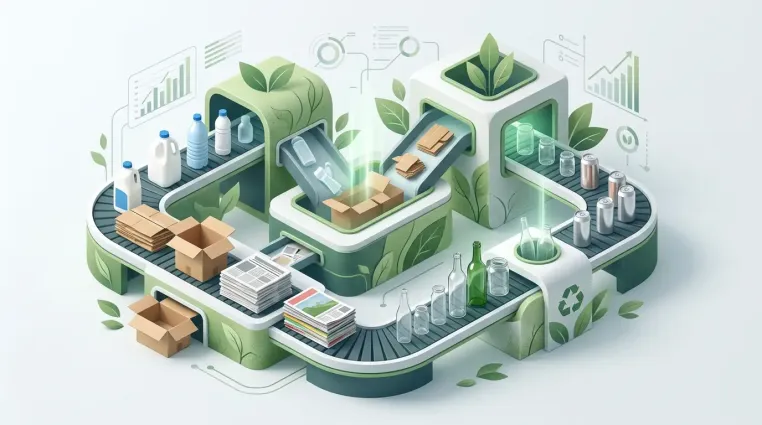
A recycling program outlines the systematic collection, processing, and repurposing of discarded materials to reduce waste and conserve resources. You Junk It… I Dump It supports these efforts by providing services that complement municipal collections, helping residents manage items not typically accepted curbside. This involves sorting materials into categories like plastics, paper, glass, and metals, which are then prepared for reuse or manufacturing new products.
Overview
This guide outlines how to participate effectively in a local recycling program, covering rules, common errors, and best practices. It also explores how professional services can assist with items not suitable for standard collection. This article includes a labeled real-world hypothetical featuring Brenda, offering practical recommendations for managing household waste.
- Program Rules: We detail the specifics of typical waste sorting systems, providing clarity on how to properly separate materials for recycling.
- Common Errors: Learn about frequent mistakes that can hinder recycling efforts and discover strategies to avoid them.
- Real-World Example: Brenda’s scenario illustrates how to enhance personal recycling habits for greater environmental benefit.
- Service Selection: Find out what to consider when choosing external services to complement your household recycling efforts.
- Community Impact: We examine the collective benefits of consistent participation in local waste reduction initiatives Community Recycling Impact.
- Junk Removal: Discover when professional junk removal services provide a suitable solution for large or specialized waste items.
Recycling Program Rules Explained
Sorting materials correctly for a recycling program begins with identifying common recyclables accepted in residential streams. Many municipalities focus on collecting plastics, paper, glass, and metals due to their high reprocessing value and market demand. Knowing these categories helps reduce contamination and makes the overall process more efficient.
To participate effectively, residents should consult their local guidelines, which detail preparation requirements like rinsing containers or flattening cardboard. You Junk It… I Dump It supports these community efforts by offering services for items that often fall outside standard curbside pickup, providing options for proper disposal or recycling when municipal services do not accept them. Bin Sizing can help determine the right container for larger volumes.
Adhering to these rules helps divert waste from landfills and supports sustainable practices. We often find that confusion over specific item acceptance leads to improper disposal, so a clear guide is always helpful for local residents. For those unsure about what goes where, our services can assist with items beyond typical household waste. what goes where in your local system.
| Common Recyclables | Non-Recyclable Items (Typically) |
|---|---|
| Clean plastic bottles and containers (with symbols #1-#7) | Plastic bags, film, and wraps |
| Cardboard and paper products (newspapers, magazines, office paper) | Styrofoam products |
| Glass bottles and jars (all colors) | Ceramics, dishware, and drinking glasses |
| Aluminum and steel cans | Food-soiled containers, greasy pizza boxes |
| Milk cartons and juice boxes | Diapers and pet waste |
Common Recycling Errors To Fix
Avoiding common mistakes improves a recycling program’s effectiveness and reduces contamination. Many items people assume are recyclable often disrupt the sorting process or cannot be reprocessed. Understanding specific guidelines for plastics, paper, and other materials helps ensure proper waste diversion.
Plastic bags and food-soiled containers are frequent culprits that contaminate otherwise clean recycling batches. For example, a greasy pizza box or certain types of glass, like ceramics, cannot be recycled through standard municipal programs. We often find that improper sorting creates extra work at sorting facilities and can lead to entire loads being sent to landfills.
| Common Error | Solution |
|---|---|
| Placing plastic bags in recycling bins | Collect plastic bags separately and return them to designated store drop-off locations or reuse them. |
| Recycling food-soiled items | Rinse containers thoroughly to remove food residue before placing them in the recycling bin. |
| Including non-recyclable glass | Only recycle glass bottles and jars; ceramics, drinking glasses, and window panes belong in general waste. |
| Recycling styrofoam | Most municipal programs do not accept styrofoam; check local guidelines or specialized recycling centers. |
| Leaving caps on bottles | Remove plastic caps from bottles, as they are often made from a different type of plastic and require separate processing. |
Better Home Recycling Practices
Brenda is a busy homeowner looking to manage household waste more effectively but remains unsure which items can be recycled through municipal programs versus those requiring specialized disposal.
Brenda wants to be environmentally conscious but is overwhelmed by the varying rules for recycling different materials. She has a pile of items, including old electronics and bulky plastics, that she knows aren’t accepted in her regular curbside bin. How can Brenda ensure all her household waste is processed responsibly?
Recommendation: Utilize Specialized Junk Removal Services for Non-Curbside Items
You Junk It… I Dump It recommends using specialized services for items not accepted by municipal recycling programs. This ensures that all discarded materials, even bulky or electronic waste, are sorted and processed responsibly, complementing existing recycling efforts.
Selecting Recycling Services Wisely
Choosing the correct recycling service provider helps manage waste effectively and contributes to environmental efforts. Evaluating several factors ensures the chosen service aligns with specific needs, whether for a home cleanout or ongoing business disposal. Consider how a service complements municipal programs for items not accepted curbside.
You Junk It… I Dump It observes that customers often face challenges with items too large or specialized for regular collection. We recommend assessing providers based on their ability to handle diverse materials, particularly for larger projects like Bin Sizing or Edmonton Junk Removal requirements.
- Material Acceptance: Confirm which materials the service accepts. Some focus on common recyclables like paper and plastic, while others handle electronics, construction debris, or hazardous waste.
- Cost and Pricing Structure: Compare pricing models, which can vary by volume, weight, or container size. Obtain detailed quotes to avoid unexpected fees.
- Service Area and Schedule: Verify that the provider serves your specific location and offers collection schedules that meet your project timeline or ongoing needs.
- Reputation and Reliability: Research customer reviews and testimonials to gauge the service’s dependability and commitment to proper disposal. Our Clients section can offer insights.
- Environmental Practices: Inquire about their sorting processes and where materials are ultimately processed. A reputable provider prioritizes environmentally sound methods.
- Container Options: Assess the available bin or container sizes to match the volume of materials you plan to recycle. For larger volumes, a bin rental might be more efficient.
Community Recycling Impact
Community involvement in a recycling program directly reduces landfill waste, leading to a cleaner environment. Each tonne of recycled material helps conserve natural resources and lessens the demand for new raw materials. When residents and businesses participate, they contribute to substantial energy savings and lower greenhouse gas emissions compared to manufacturing products from scratch.
When we remove junk from properties, we often see how much material can still be diverted from landfills. Our services aim to support these local efforts by handling items not always accepted in regular municipal collection. We see this commitment extend through various initiatives, from residential collections to commercial Waste Management Strategies.
The collective effort of a community’s recycling program has several benefits:
| Benefit Category | Description |
|---|---|
| Environmental Preservation | Recycling reduces pollution, conserves natural resources like timber and minerals, and protects biodiversity by decreasing habitat destruction from resource extraction. |
| Energy Savings | Producing goods from recycled materials often requires less energy than making them from virgin resources. For instance, recycling aluminum saves approximately 95% of the energy needed to produce new aluminum. |
| Landfill Reduction | Diverting waste through a proper recycling program extends the life of existing landfills and reduces the need for new ones. This also cuts down on methane emissions, a potent greenhouse gas, produced by decomposing organic matter in landfills. |
| Economic Growth | The recycling industry creates jobs in collection, processing, and manufacturing. It also fosters a market for recycled goods, stimulating local economies. |
| Community Engagement | A successful recycling program encourages community members to work together for a common environmental goal, strengthening local bonds. Residents often look for easy ways to manage waste, making services like Edmonton Junk Removal valuable. |
When To Use Junk Removal Services
Disposing of unwanted items often extends beyond what a typical recycling program accepts. For large, bulky, or specialty waste materials, professional junk removal services offer a practical solution. We frequently assist homeowners and businesses when municipal collection limits do not cover all their disposal needs.
You Junk It… I Dump It provides a convenient option for items such as old furniture, appliances, construction debris, or yard waste. For example, if you are decluttering an estate or renovating, standard curbside pick-up may not be enough. Our service can handle varied volumes, from a single item to multiple truckloads, offering more flexibility than regular trash services.
| Item Type | Best Removal Option | Reason |
|---|---|---|
| Old Furniture & Appliances | Junk Removal Service | Too large for curbside, requires special handling for proper disposal or recycling. |
| Construction & Renovation Debris | Junk Removal Service or Bin Rental | High volume of varied materials like wood, drywall, and metal; often exceeds municipal limits. Consider Bin Sizing for larger projects. |
| Yard Waste (Large Quantities) | Junk Removal Service | Excessive branches, soil, or landscaping materials beyond compost bin capacity. |
| Electronics (E-waste) | Junk Removal Service | Contains hazardous materials; requires specialized recycling facilities to prevent environmental harm. |
| General Household Clutter (Small) | Standard Recycling Program | Fits municipal guidelines for plastics, paper, glass, and metal. |
When facing a significant cleanout, You Junk It… I Dump It recommends considering junk removal when items are too heavy, too numerous, or not accepted by local recycling facilities. For more details on what we collect, consult our Junk Removal types page.
FAQ
To help you navigate the nuances of our recycling program and ensure your efforts are as effective as possible, we’ve compiled answers to some common questions.
| Question | Answer |
|---|---|
| What are common items that cannot be recycled through municipal programs? | Items such as plastic bags, film, and wraps are typically not accepted in standard municipal recycling programs. Greasy pizza boxes and styrofoam products also often fall outside these guidelines. Ceramics, dishware, and drinking glasses are generally considered non-recyclable in most residential streams. |
| How can Brenda manage old electronics and bulky plastics responsibly? | Brenda can utilize specialized junk removal services for items not accepted by municipal recycling programs. These services ensure that bulky or electronic waste is sorted and processed responsibly. This approach complements existing recycling efforts by handling materials beyond regular curbside pickup. |
| What factors should be considered when selecting an external recycling service? | When selecting a service, confirm the materials they accept, compare their cost and pricing structure, and verify their service area and schedule. It is also important to research the provider’s reputation and reliability. Inquire about their environmental practices and the container options they offer. |
| Why is it important to rinse food-soiled containers before recycling? | Rinsing containers thoroughly removes food residue, which prevents contamination of otherwise clean recycling batches. Improperly sorted, food-soiled items can disrupt the sorting process at facilities and may lead to entire loads being sent to landfills. This simple step improves the effectiveness of a recycling program. |