

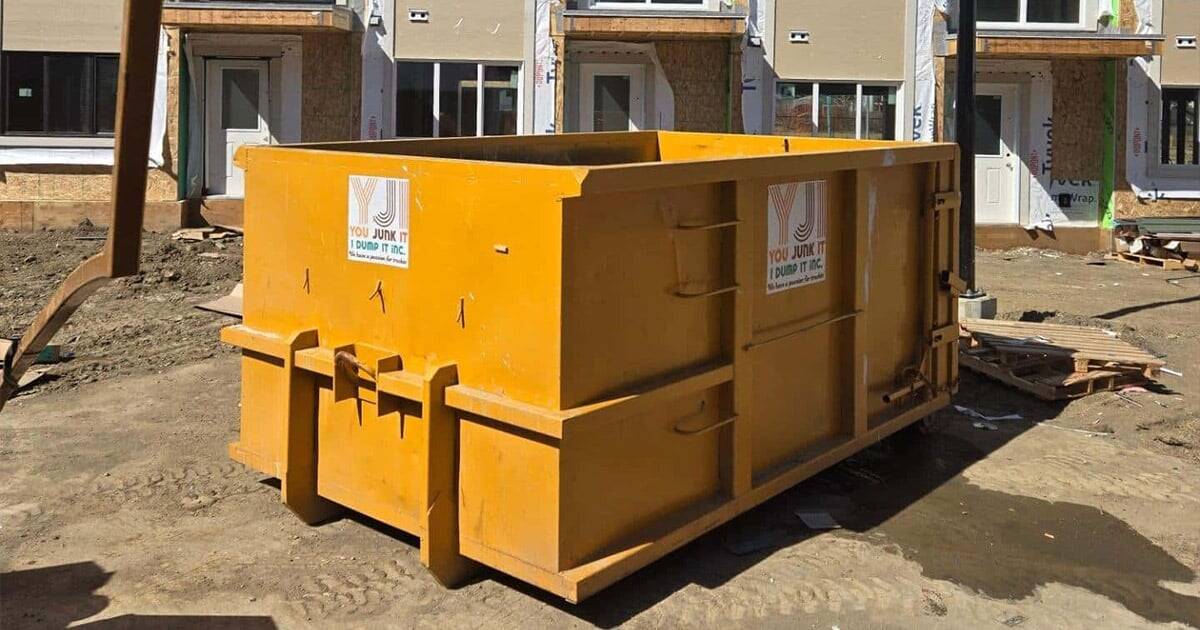
Understanding Construction Junk Removal
Construction junk removal is the systematic process of collecting, sorting, and disposing of waste materials generated during building, renovation, or demolition projects. This essential service helps to pstreamline your project by keeping sites clean, safe, and organized. Effective waste management prevents delays and improves overall operational efficiency.
Proper management of construction debris goes beyond simple cleanup; it involves adhering to regulations and often includes recycling and donation efforts. Professional services handle diverse materials, from concrete and wood to metals and hazardous waste. Understanding this comprehensive approach is key to a smooth project flow.
Engaging experts for construction junk removal allows project managers and contractors to focus on core construction tasks. This specialization ensures waste is managed efficiently, contributing significantly to project timelines and budget adherence. Choosing a service that prioritizes eco-friendly junk removal further enhances a project’s sustainability goals.
Core Principles of Effective Junk Removal
Selecting the appropriate dumpster size is a critical aspect of efficient junk removal, directly impacting cost and convenience for any project. Understanding the various options available can prevent overspending or unnecessary trips. For instance, knowing how to choose the right dumpster size ensures you have adequate space without paying for excess capacity.
Effective construction junk removal is built upon several core principles that significantly contribute to project efficiency. Adhering to these practices can truly pStreamline your project, ensuring a clean, safe, and productive work environment. Key among these is proactive planning, where debris management is considered from the initial stages of a project rather than as an afterthought.
Another essential principle involves proper waste segregation and recycling. By separating materials like wood, metal, concrete, and drywall, construction sites can minimize landfill waste and often reduce disposal costs. This methodical approach to construction junk removal not only benefits the environment but also helps pStreamline your project by creating organized processes and complying with regulations. For more detailed insights into costs, refer to our junk removal cost guide for more. If you’re unsure about the right container for your debris, our bin sizing guide can help you choose.
The Cost of Construction Junk Removal
Understanding the financial aspects of construction junk removal is crucial for effective project management. While an initial outlay is required, investing in professional services can actually pstreamline your project by mitigating unforeseen expenses and maximizing resource allocation.
Professional junk removal saves time that would otherwise be spent on debris sorting, loading, and disposal, allowing your team to focus on core construction tasks. For more details on pricing structures, consult our junk removal cost guide.
Many factors influence the overall cost, including the volume and type of debris, site accessibility, and the urgency of removal. An eco-friendly junk removal guide can help you understand how responsible disposal also impacts pricing.
Here is a comparison of common service tiers for construction junk removal:
Choosing the correct dumpster size is crucial for efficient project management and cost-effectiveness; learn more about selecting the right option in our guide to dumpster sizes for more.
| Service Tier | Description | Cost Implications |
|---|---|---|
| Standard Volume-Based | Pricing determined by the amount of junk removed (e.g., cubic yard). Suitable for most projects with predictable debris. | Transparent pricing, potentially lower for smaller loads. |
| Item-Specific Pricing | Charges applied per large item (e.g., appliance, heavy machinery part). Ideal for projects with a few bulky items. | Good for precise budgeting when specific large items are known. |
| Full-Service Debris Management | Includes sorting, loading, hauling, and eco-friendly disposal. Comprehensive solution for complex or large-scale sites. | Higher upfront cost, but saves significant labor and time, helping to pstreamline your project. |
| Scheduled Pick-ups | Regularly scheduled removal services throughout the project duration. Maintains a clean and safe worksite consistently. | Predictable recurring costs, minimizes on-site clutter, and improves efficiency. |
Choosing the Right Junk Removal Service
Selecting the appropriate service tier is crucial for managing your project budget and timeline effectively. Understanding the different options available can help you make an informed decision, and our junk removal service guide offers valuable insights into making the best choice for your needs.
Selecting the appropriate junk removal service is crucial to efficiently pStreamline your project and maintain a clean worksite. A reliable partner ensures timely waste disposal, compliance with regulations, and overall operational smoothness. This section will guide you through key considerations, from vetting providers to understanding service details, helping you make an informed decision for your construction junk removal needs.
Vetting Potential Providers
When evaluating junk removal services, thoroughly vetting potential providers is essential. Look for companies with a strong reputation for reliability, efficiency, and responsible disposal practices. Checking customer reviews and testimonials can offer valuable insights into their service quality, especially when dealing with specific types of waste like yard debris, which requires proper handling and disposal methods.
- Review their experience with construction debris.
- Verify proper licensing and insurance.
- Check their commitment to eco-friendly disposal, such as understanding how to dispose of yard waste responsibly.
- Assess their fleet and equipment for capacity.
Key Questions to Ask
Before committing to a junk removal service, asking the right questions can clarify their capabilities and ensure they align with your project’s specific requirements. This helps in understanding their operational procedures and pricing structure. For a deeper dive into financial aspects, consider our guide on how to choose a junk removal service, and for dumpster specifics, review our advice on how to choose the right dumpster size, as detailed in our small dumpster rental guide for more.
- What types of construction debris do you handle?
- How do you calculate your service fees?
- What is your typical response time for pickups?
- Can you provide references from other construction projects?
- Do you offer recycling and donation services for specific materials?
Understanding Service Details and Pricing
A clear understanding of service details and pricing models will prevent unexpected costs and ensure smooth project execution. Discuss all potential charges, including labor, disposal fees, and any surcharges for specific materials. Transparency in pricing helps you to pStreamline your project budget effectively.
- Obtain a detailed quote outlining all services.
- Inquire about flexible scheduling options.
- Confirm any limitations on material types or weight.
- Understand their process for waste sorting and recycling.
Key Services Offered in Construction Junk Removal
Professional construction junk removal services are comprehensive, designed to handle the diverse waste streams generated on building sites. These offerings pstreamline your project by ensuring efficient and compliant disposal of materials. From the initial demolition to the final touches, specialized teams manage debris, allowing your crew to focus on construction tasks.
Understanding the full scope of services available helps you make informed decisions, ensuring your site remains clean, safe, and productive. Proper management of construction debris is crucial for project timelines and overall success. For contractors, understanding the nuances of job site cleanup is essential, and our contractor’s guide to efficient job site cleanup provides valuable insights.
- Debris Removal. This core service involves the collection and hauling away of all types of construction and demolition waste, including wood, concrete, metal, drywall, and roofing materials. Efficient debris removal helps maintain a safe working environment and keeps your project on schedule. For more details on what materials are typically handled, explore our construction debris removal insights.
- Material Hauling. Beyond just removal, this includes the transportation of bulk materials from your site to appropriate disposal or recycling facilities. This service is essential for managing large volumes of waste effectively and quickly.
- Site Cleanup. Comprehensive site cleanup ensures that the work area is free from scattered debris, nails, and other hazards after construction phases. This keeps the site tidy and reduces the risk of accidents, contributing to a smoother workflow.
- Recycling and Donation. Many professional services prioritize eco-friendly disposal by sorting recyclable materials like metals, plastics, and cardboard, and even donating usable items. This reduces landfill waste and aligns with sustainable building practices, as outlined in our eco-friendly junk removal guide for more.
- Hazardous Waste Disposal Assistance. While direct disposal of highly hazardous materials might require specialized licenses, junk removal companies often assist in identifying, segregating, and coordinating the proper disposal of common construction-related hazardous waste like paints, solvents, and adhesives, ensuring regulatory compliance.
- Post-Construction Clean-out. Once construction is complete, a final clean-out service removes any remaining junk, packaging, or incidental debris, preparing the site for handover or subsequent stages. This final sweep helps to pstreamline your project’s closing phases.
Benefits of Professional Construction Junk Removal
Hiring professionals for construction junk removal offers numerous advantages that directly contribute to the smooth operation and success of any building project. These services help pstreamline your project by removing debris efficiently and safely.
After working with numerous construction sites, our team has observed that efficient debris removal significantly reduces project timelines and improves worker safety. This proactive approach prevents accidents and ensures a cleaner, more organized work environment.
Professional construction junk removal also aids in compliance with local regulations. Expert teams are knowledgeable about proper disposal methods and environmental considerations, which helps avoid potential fines and legal issues. This expertise is a vital part of effective construction debris removal, and choosing the right dumpster size is crucial for managing this debris.
- Enhanced Safety: A clutter-free site minimizes trip hazards and other dangers for workers and visitors, fostering a safer working environment.
- Increased Efficiency: Rapid removal of waste allows construction crews to focus on their core tasks without interruption, boosting overall productivity.
- Cost Savings: While there’s an initial investment, professional junk removal can save money in the long run by preventing delays, reducing labor costs associated with manual cleanup, and avoiding fines. Understanding the junk removal cost guide can help in budgeting.
- Environmental Responsibility: Reputable services prioritize recycling and responsible disposal, reducing the project’s ecological footprint.
- Time Savings: Offloading debris management to experts frees up valuable project time that can be reallocated to critical construction phases.
Preparing Your Site for Junk Removal
Proper preparation of your construction site for junk removal is crucial to ensure efficiency and a smooth pickup process. Taking the right steps beforehand helps to streamline your project, reduce potential delays, and maximize the effectiveness of professional junk removal services. A well-organized site makes it easier for removal teams to quickly identify, sort, and haul away debris, leading to significant time and cost savings.
Understanding how to prepare for construction junk removal is essential for any project manager or contractor. This proactive approach not only benefits the junk removal company but also enhances overall site safety and productivity. For general advice on tidying up, review our junk removal tips, which can be adapted for larger sites.
Categorizing Construction Debris
Effective categorization is the first step in preparing your site for construction junk removal. Separating different types of waste streamlines the removal process and can sometimes reduce disposal costs, especially for recyclable materials. This organization helps professional services like ours to efficiently manage various debris streams, and understanding how to recycle paper at home can be a helpful starting point for sorting other materials.
- Separate Materials: Create distinct piles or bins for different waste categories, such as wood, metal, concrete, drywall, plastics, and hazardous materials.
- Identify Recyclables: Clearly mark materials that can be recycled, such as clean wood, metals, and cardboard, to facilitate eco-friendly disposal.
- Isolate Hazardous Waste: Set aside any hazardous materials, like paints, solvents, or asbestos, as these require specialized handling and disposal according to local regulations.
- Consolidate Small Items: Place smaller pieces of debris, packaging, and general trash into bags or containers for easier collection.
Ensuring Site Accessibility and Safety
Making your site accessible and safe for junk removal crews is paramount. Clear pathways and a secure environment protect both your team and the removal professionals, helping to pstreamline your project logistics. Before the removal team arrives, take these steps to prepare your site. Choosing the right dumpster size is also a crucial part of efficient site preparation, so consider our guide to dumpster size selection for your project, like comparing a 20 vs 30 yard bin rental.
- Clear Pathways: Ensure that access routes to debris piles are clear of obstructions, equipment, and other materials.
- Secure Hazardous Areas: Mark or cordon off any areas with potential hazards, such as uneven ground, open trenches, or active machinery.
- Provide Adequate Lighting: If removal is scheduled during low-light hours, ensure sufficient lighting is available in debris collection zones.
- Communicate Site-Specific Rules: Inform the junk removal team about any specific site safety protocols, such as mandatory hard hats or safety vests.
- Designate Pickup Zones: Clearly mark the areas where debris is to be collected and loaded onto removal vehicles.
Scheduling and Coordination with Removal Services
Proper scheduling and coordination with your chosen construction junk removal service are vital for timely and efficient project completion. This proactive communication helps to pstreamline your project by aligning expectations and ensuring resources are available when needed. For example, understanding the different bin sizes can help you select the most appropriate container for your project’s waste volume, much like when considering options in an Edmonton yard waste pickup guide for more.
- Confirm Pickup Dates: Double-check the scheduled pickup date and time with the junk removal company well in advance.
- Provide Site Contact: Designate a site contact person who can communicate with the removal crew upon arrival and address any immediate questions.
- Detail Debris Volume: Give an accurate estimate of the volume and type of debris to be removed, ensuring the appropriate equipment and crew size are dispatched.
- Discuss Special Requirements: Inform the service provider of any unique site challenges, such as tight access points or specific disposal instructions for certain materials.
- Verify Permits: Confirm that any necessary permits for debris removal or street access are in place, if applicable, to avoid delays.
Environmental Considerations and Disposal
Proper waste management is crucial for any construction project. Understanding how to sort and dispose of different types of waste can not only help the environment but also potentially reduce costs. For guidance on sorting, consult our Edmonton waste sorting guide to ensure compliance and efficiency.
Construction projects generate significant amounts of waste, making environmental considerations in construction junk removal increasingly vital. Responsible disposal methods not only benefit the planet but also help to pStreamline your project by ensuring compliance with local regulations and fostering a positive public image. Adopting eco-friendly practices from the outset can reduce landfill reliance and promote resource recovery.
Professional junk removal services are adept at navigating these environmental requirements, often employing advanced sorting and recycling techniques. This focus on sustainability can indirectly pStreamline your project by minimizing potential fines for improper waste disposal and aligning with green building initiatives.
Proper disposal and recycling of construction waste are crucial for environmental protection and can help meet local regulations, ensuring your project remains compliant and sustainable.
Understanding the types of materials generated and their appropriate disposal pathways is a key component of effective waste management. This proactive approach supports both ecological health and project efficiency.
When selecting a service, consider their commitment to recycling and ethical disposal. Companies that prioritize sustainability can offer detailed waste audits and transparent reporting, which helps manage costs effectively as discussed in our junk removal cost guide. For larger projects, understanding the appropriate bin size is essential, and our guide on how to choose the right dumpster size can provide valuable insights.
Streamlining Your Next Construction Project
Integrating professional construction junk removal services is a pivotal strategy to pstreamline your project from the initial stages right through to completion. A clean and organized worksite enhances safety and boosts productivity, ensuring that your team can focus on their tasks without navigating hazardous debris.
By delegating waste management to experts, you can significantly reduce project timelines and improve overall efficiency. Professional construction debris removal ensures that waste is promptly cleared, preventing costly delays and maintaining a professional appearance for your site. This proactive approach to waste handling is a cornerstone of modern construction management.
There are numerous benefits of hiring junk removal services for construction sites, contributing to a smoother workflow. From the moment you begin a project, having a clear plan for debris removal can set a positive tone. This commitment to efficiency helps to pstreamline your project, fostering better communication and execution among all stakeholders. Understanding the right dumpster size for your needs is also key; learn more about how to choose the right dumpster size for your project.
Effective planning for debris removal involves understanding the types of waste generated and scheduling regular pickups. For practical advice on preparing your site, consult our guide on how to prepare for junk removal. If you’re unsure about the right size bin for your needs, our guide to how to choose the right dumpster size can help. Such preparation ensures that when the professionals arrive, the process is swift and hassle-free, further contributing to a streamlined operation. When considering your options, remember that choosing local providers can offer distinct advantages, as detailed in our discussion on why choosing local matters.
Frequently Asked Questions About Junk Removal
Navigating construction projects often brings up questions about waste management. This section addresses common queries regarding construction junk removal, providing concise answers that help readers understand the process and how it contributes to helping pstreamline your project. For specific details on local regulations, consult our Edmonton waste sorting guide.
What types of debris are handled by construction junk removal?
Construction junk removal services are equipped to handle a wide array of debris generated during building, renovation, or demolition projects. Understanding the scope of what can be removed helps to pstreamline your project planning, especially when considering seasonal changes that might affect removal schedules, such as those discussed in our blog about fall cleanup services for more.
- Concrete and Masonry: Broken concrete, bricks, tiles, and asphalt.
- Wood and Lumber: Scraps, pallets, framing materials, and old decking.
- Metals: Rebar, piping, wiring, and other metallic components.
- Drywall and Plaster: Gypsum board, plaster, and related materials.
- Roofing Materials: Shingles, sheathing, and insulation.
- Fixtures and Appliances: Old sinks, toilets, cabinets, and non-hazardous appliances.
How does professional junk removal save time and money?
Many project managers wonder how professional construction junk removal can actually be a cost-effective solution. The efficiencies gained by outsourcing this task can significantly pstreamline your project budget and timeline.
By hiring professionals, you eliminate the need to:
- Rent and transport dumpsters.
- Allocate valuable crew time to waste sorting and hauling.
- Incur costs associated with landfill fees and permits.
- Manage potential safety hazards from accumulated debris.
Professional services offer efficient collection, responsible disposal, and often include recycling, which can reduce overall costs and keep your project on schedule. For more details on the financial aspects, you might consult a contractor waste disposal guide for more.
What steps can I take to prepare for junk removal?
Proper preparation is crucial to ensure a smooth and efficient junk removal process, helping to pstreamline your project. A little planning can save considerable time and effort on the day of pickup.
Key preparatory steps include:
- Segregate Materials: If possible, separate recyclable materials (wood, metal, cardboard) from general waste.
- Clear Access Paths: Ensure that the junk removal team has clear and safe access to the debris.
- Identify Hazardous Materials: Clearly mark or separate any items that might require special handling, though most construction junk removal services focus on non-hazardous waste.
- Communicate Volume: Provide an accurate estimate of the volume of junk to be removed to the service provider.
Taking these steps allows the junk removal team to work quickly and effectively. For further guidance on getting your site ready, review our advice on how to prepare for junk removal. Understanding the right bin size for your needs is also a key part of preparation; learn more about how to choose the right dumpster size.
Conclusion: Partnering for Project Success
In summary, embracing professional construction junk removal services is more than just clearing debris; it’s a strategic move to pStreamline your project from beginning to end. By delegating waste management to experts, you create a safer, cleaner, and ultimately more productive worksite.
These services ensure proper disposal, often incorporating recycling and donation, which aligns with environmental responsibility. Understanding the benefits of hiring junk removal services can significantly impact your project’s efficiency and budget.
Whether it’s a small renovation or a large-scale construction, efficient construction debris removal is paramount. Partnering with a reliable service helps you avoid delays, manage costs, and maintain compliance with regulations, ensuring a smoother workflow for your team. Preparing your site effectively for junk removal is also key to success, and knowing how to choose the right dumpster size can prevent costly mistakes. For more on this, check out our contractors guide to efficient job site cleanup.
Ultimately, professional construction junk removal acts as a vital partner in achieving project success. It allows your team to focus on their core tasks, contributing to timely completion and overall client satisfaction, and further helping to pStreamline your project.